
Best Android Phones Now for 2026: A Practical Buying Guide
Disclosure: We may earn a commission when you buy through links on this page, at no extra cost to you. As an Amazon Associate I earn from qualifying purchases. Learn more

Timing, support length and daily comfort matter when picking the best android phones now. Compare performance, cameras and battery.
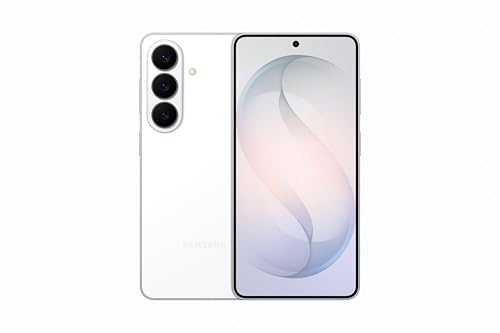
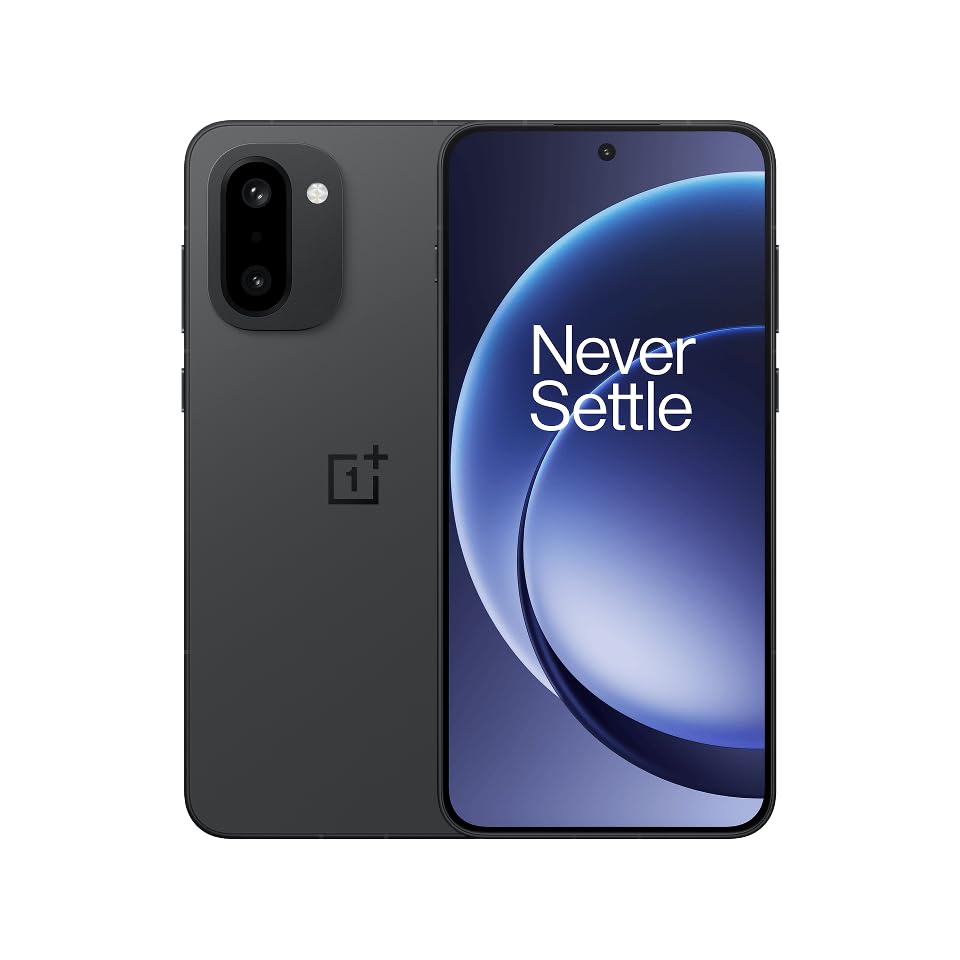
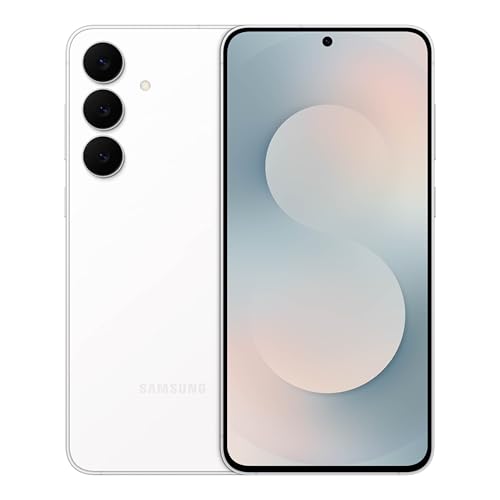
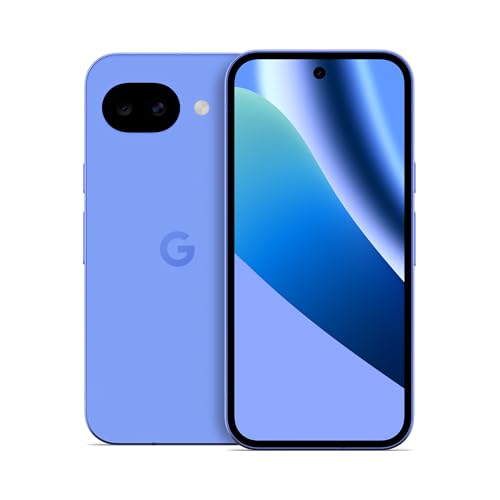
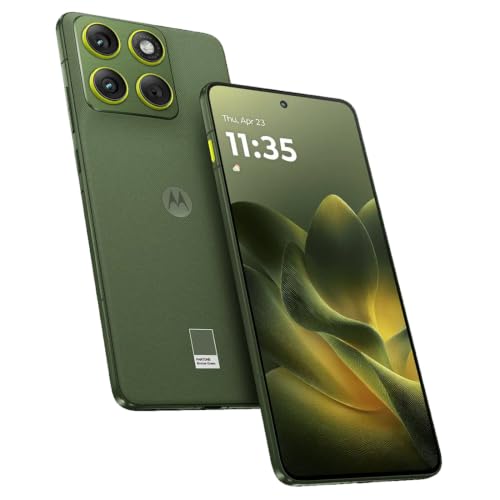
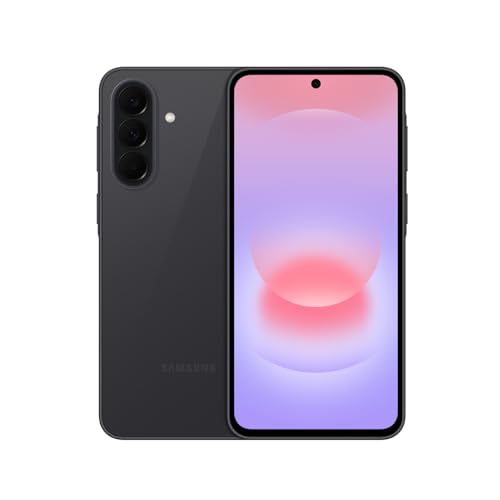
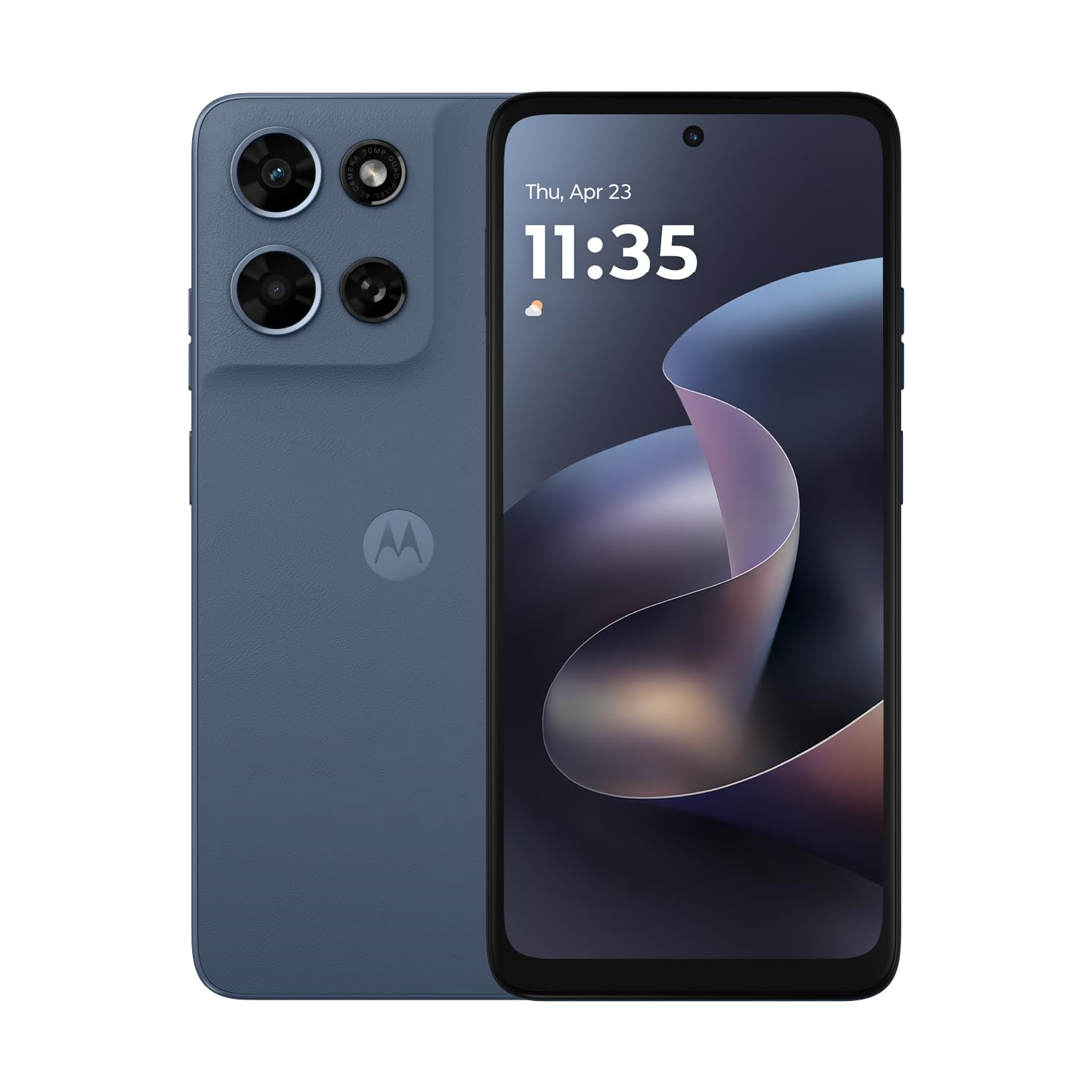
When you search for the best android phones now, timing matters as much as specs. New models arrive through the year, prices shift after launches, and a phone that was a great value six months ago may now have a stronger rival. The comparison table below gives a quick side by side view of the current standouts. This guide explains how to judge them on the things that affect daily life, not just launch day headlines.
Start with how you actually use a phone. A heavy gamer needs different strengths than a parent who mainly takes photos and messages family. Battery life, camera reliability, screen comfort, and software support usually matter more over two or three years than a single benchmark score.



Who Should Buy Now, and Who Should Wait
Buy now if your current phone is failing, unsafe to use, or no longer receives security updates. In that case, any solid current model is a clear upgrade. Waiting only makes sense if a launch you care about is days away and your current phone still works well.
If your phone still runs fine but feels slow, check whether a battery replacement or storage cleanup would help first. A fresh battery can restore a phone that seems sluggish. When the phone still frustrates you after that, the market now offers strong options at every price level, as covered in best android phones right now.
Key Features That Matter Daily
Performance should be judged by sustained smoothness, not peak scores. A good current phone opens apps quickly, keeps many apps in memory, and stays cool during video calls and navigation. Chipset generation matters, but so does cooling and software tuning, which is why two phones with similar chips can feel different.
The display affects every interaction. Look for comfortable brightness outdoors, accurate colours, and a refresh rate that feels smooth without draining the battery. Screen size is personal: larger screens suit video and reading, while smaller phones are easier to hold and pocket.
Cameras: What to Check Before You Buy
Camera quality is about consistency, not just megapixels. Check low light photos, moving subjects, and skin tones, since those reveal processing quality. Video stabilisation matters if you film children, pets, or travel clips. A phone that takes great stills in daylight but struggles indoors will disappoint over time.
Also consider how quickly the camera opens and focuses. A slow camera misses moments, no matter how good its sensor is. If photography is a priority, compare sample photos taken in the same conditions rather than relying on a single showcase image, as covered in best android phones out now.
Battery Life and Charging Reality
Battery claims rarely match real use, so look for independent endurance results and user reports for your usage pattern. Screen on time, signal strength, and background apps all change results. A phone with a larger battery is not automatically better if its screen and chip are less efficient.
Charging speed is useful, but battery health over years matters more. Fast charging is convenient for top ups, while overnight slow charging is gentler on long term health. Wireless charging is a convenience feature worth having if you already use a charging pad at home or work.
Software Support and Long Term Value
Update support is one of the most important factors when choosing the best android phones now. Longer security and operating system support means your phone stays safer and gains features for more years. Check the manufacturer's promised support window for the exact model, since it varies even within one brand.
Also consider storage, repairability, and trade in value. A phone with expandable storage or a strong repair network costs less to own over time. The cheapest phone today can become expensive if it stops receiving updates early or needs replacement sooner, as covered in best android phones available now.
A Closer Look Before You Order
Before buying, check the exact model number and region variant, since the same phone name can hide different chips, bands, or charging speeds in different markets. A phone bought from another region may miss network bands you need or receive updates on a different schedule. Confirming the variant for your country avoids a frustrating discovery after unboxing, when returning the phone is harder.
Think about accessories and total cost before committing, since a case, screen protector, and charger can add a noticeable amount to the purchase. Some phones no longer include a charger, and fast charging may need a specific brick. Budgeting for these extras upfront prevents a surprise at checkout and ensures you can protect the phone from day one.
Consider how you will transfer data from your old phone, including photos, messages, and app logins. Most transfer tools work well, but two factor authentication apps and banking apps often need manual setup. Setting aside an hour for transfer and checking that key apps work before wiping the old phone saves stress and avoids losing access to important accounts.
Check the warranty and repair options in your area, since a phone is a daily device that will eventually need service. A brand with local repair centres and available parts means faster fixes and less downtime. Screen and battery replacement costs vary widely, so knowing those costs before buying helps you judge long term ownership value.
Finally, avoid buying purely on launch excitement by reading user feedback from people who have used the phone for several weeks. Early reviews focus on first impressions, while longer term reports reveal battery ageing, software quirks, and build issues. A few weeks of real world feedback gives a clearer picture of the phone you will live with for years.
More Checks Worth Making
Check how the phone handles your most demanding app, since a phone that feels fast in browsing may struggle with games, video editing, or navigation. Running your heaviest app for a few minutes reveals heat, throttling, and battery drain that light use hides. A phone that stays smooth under your real workload is a better buy than one that only shines in light tasks.
Consider the case ecosystem, since a popular phone offers more cases, screen protectors, and accessories than a niche model. A wide accessory range means better protection choices and lower prices. If you rely on specific accessories such as a wallet case or a car mount, confirm availability before committing to a less common model.
Think about resale value if you upgrade frequently, since some brands hold value better than others. A phone with strong resale value lowers the cost of your next upgrade. Checking recent resale prices for the previous generation gives a realistic sense of what your phone may be worth in two years.
To compare nearby options, see our guides to the best performing android phones and the best android phones out right now.
Frequently Asked Questions
How much should I spend on an Android phone now?
Most buyers are well served between the midrange and upper midrange, where cameras, battery life, and screens are strong. Flagship prices buy better cameras, faster charging, and longer support, but the gap in daily smoothness has narrowed. Set your budget by the features you will use daily, not by the highest spec on the list.
Is a flagship phone worth it over a midrange phone?
It depends on your priorities. Flagships usually offer better low light cameras, brighter screens, and longer update support. Midrange phones often match flagships for messaging, browsing, and video, and leave money for accessories or a longer ownership plan. Compare the specific models, not just the price tier.
How important is software update support?
Very important, because updates protect against security flaws and keep apps compatible. A phone with four or more years of promised updates will usually outlast one with only two years, even if the hardware is similar. Always check the support promise for the exact model before buying.
Should I buy a phone on release or wait for a price drop?
Buying at release gives you the longest support window, while waiting a few months often saves money. If you need a phone now, buy now. If you can wait and the model is already several months old, a sale or a newer rival may change the value calculation.
What storage size should I choose?
For most people, 128GB is a comfortable minimum, while heavy photo and video users should consider 256GB. Check whether the phone supports expandable storage, since that changes the decision. Cloud storage helps, but local storage matters when you travel or have slow connections.
Final Thoughts
The right Android phone now is the one that fits your daily use, your budget, and your plans for the next few years. Use the product table to compare the current standouts, then weigh camera consistency, battery reality, and update support before deciding.
Buy for the phone you will live with, not the launch headline. A balanced choice with strong support will feel good long after the excitement of unboxing fades. In short, choosing the right best android phones now comes down to matching the guidance above to your own needs and routine.


