
Best Android Phones for Video Recording in 2026: Which Type Is Right for You?
Disclosure: We may earn a commission when you buy through links on this page, at no extra cost to you. As an Amazon Associate I earn from qualifying purchases. Learn more

Compare the best android phones for video recording by type, with stabilization, storage, battery, and display checks to help you choose with confidence.
Choosing between dozens of similar looking models gets confusing fast, and spec sheets rarely show how a phone behaves once you press record. The best android phones for video recording share strong stabilization, dependable autofocus, and storage that keeps up with large files, and the product table groups the main types for a quick comparison.
This guide compares phone types instead of reviewing single models, so you can match a type to the way you shoot. Some people film family moments and post clips the same day, while others record lessons or travel footage for editing later. Shoppers comparing the best android phones for video often focus on camera numbers alone, but battery life, heat, and microphones shape your results just as much.
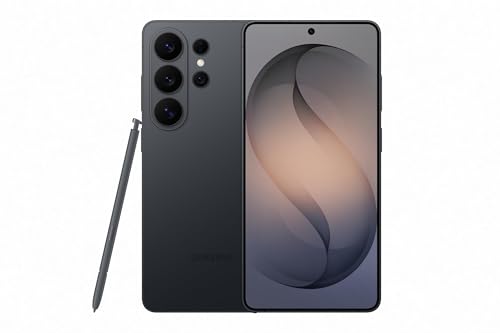

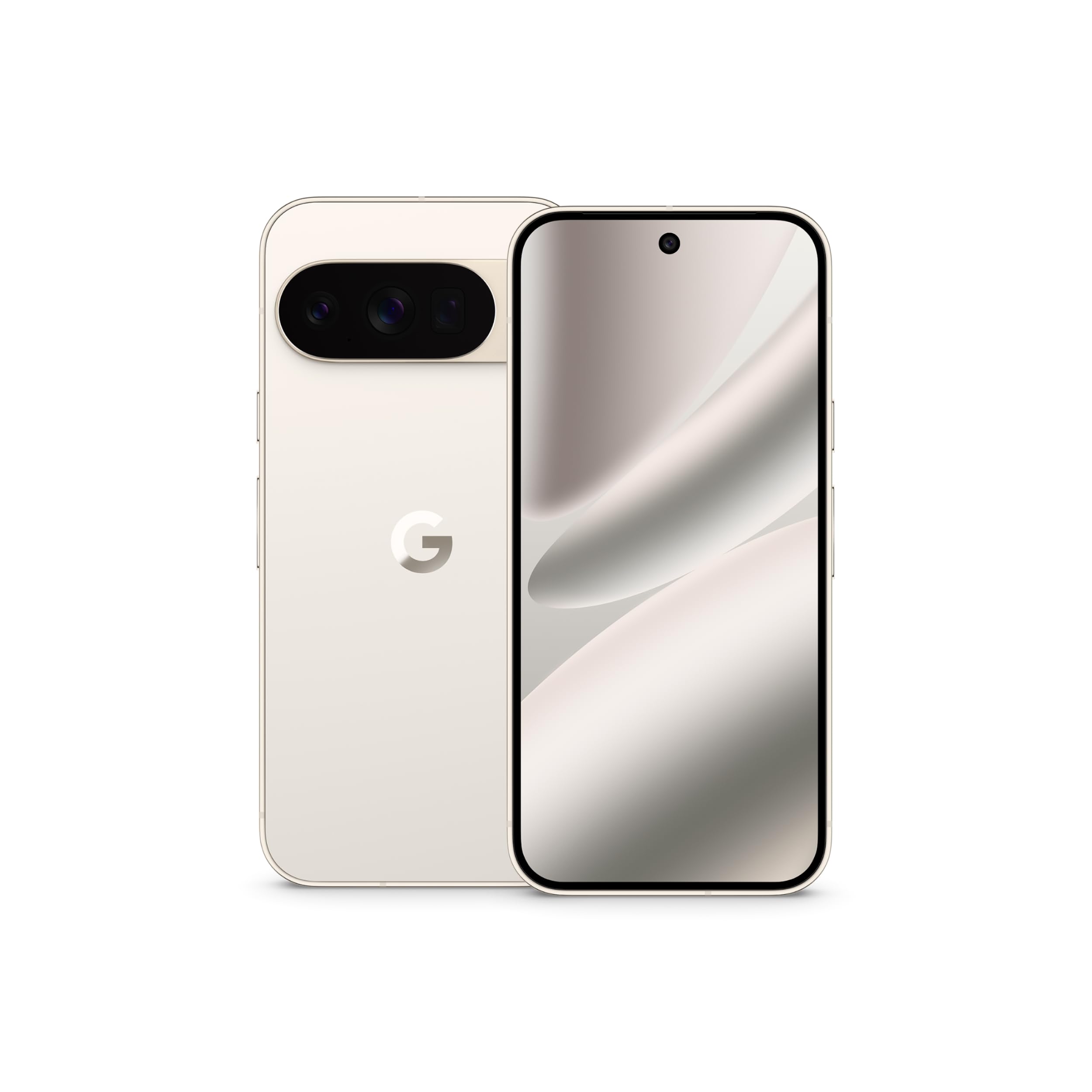

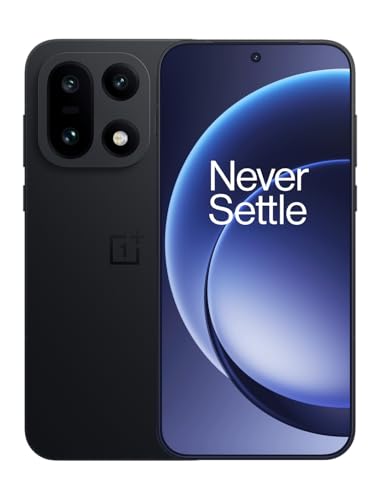


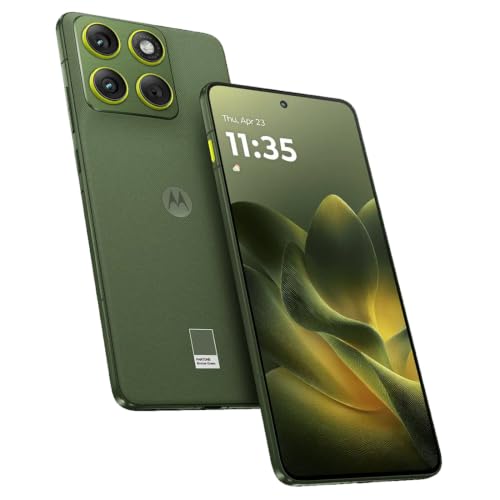
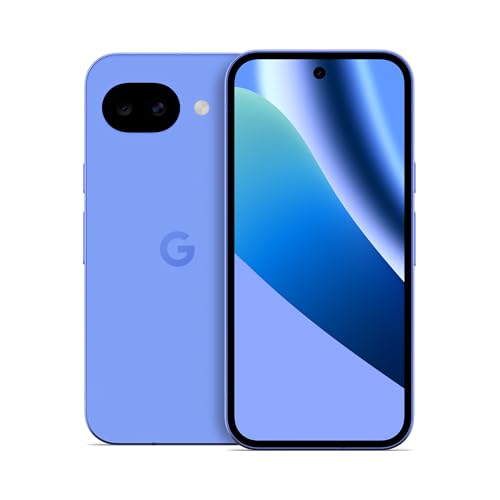
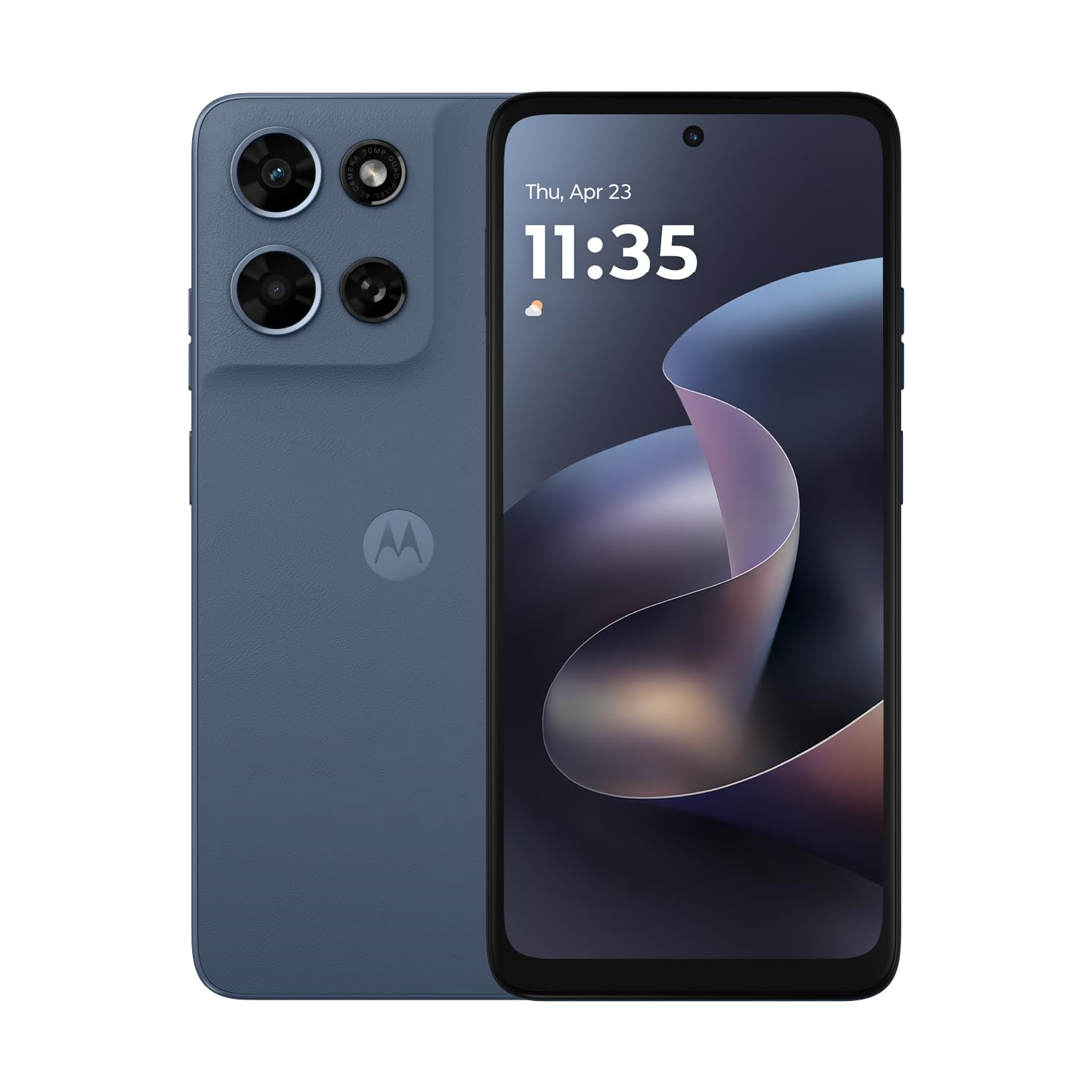
Types of Android Phones for Video Recording Compared
Price alone does not tell you how a phone handles movement, dim rooms, or long takes. The three types below cover most buyers, and each trades cost, size, and camera hardware in a different way. Start with the type that matches your usual shooting.
Budget Phones for Everyday Clips
Budget phones, usually about $150 to $350, lean on electronic stabilization and smaller sensors, so they record clean footage in daylight but struggle once light drops. Most handle standard resolution recording smoothly, while the highest settings may shorten clips or warm the body. You give up advanced color modes and strong subject tracking, yet you gain a low price. Choose this type if you film short social clips and family moments, and you would rather spend the savings on storage or a tripod.
Camera Focused Phones for Serious Creators
Camera focused phones, usually about $600 to $1,200, pair larger sensors with optical stabilization and faster processors that sustain high resolution recording for longer. They add tools such as flat color profiles for editing and more manual control over focus and exposure. The trade offs are a higher price and a larger body that can feel tiring during long handheld sessions. Choose this type if you publish videos regularly, record in dim light, or edit footage on a computer.
Compact Phones for Travel and Handheld Shooting
Compact phones, usually about $500 to $900, shrink the body so the phone sits securely in one hand and mounts easily on small gimbals and travel tripods. Their cameras often match larger mid range models, but the smaller battery drains faster during long recording days and the smaller screen makes fine focus checks harder. Choose this type if you walk while filming, travel light, or dislike the wrist strain of holding a large phone at arm length.
Budget Phones vs Camera Focused Phones: Which Type Should You Choose?
The gap shows up first in movement and light. A camera focused phone keeps walking footage steadier and holds detail in dim rooms, while a budget phone softens quickly at night. In practice, the best android phones for video recording for most regular creators sit in the camera focused group, while budget phones suit lighter, daylight only use.
How to Choose the Right Android Phone for Video Recording
Once you know your type, compare the details below, which matter more than headline camera numbers.
Stabilization, Sensor Quality, and Autofocus Tracking
Stabilization decides whether walking shots look smooth or jittery. Optical stabilization moves the lens or sensor to counter hand shake, and electronic stabilization crops the frame to smooth what remains, so phones that combine both usually perform best. A larger sensor gathers more light, which keeps indoor footage cleaner with less grain. Autofocus tracking matters when your subject moves, since a phone that holds focus on a face or a pet saves you from reshooting. If you film action or children, rank tracking above extra resolution.
Resolution, Frame Rates, and Audio Capture
Higher resolution gives you room to crop in editing, and higher frame rates make motion look smooth or let you slow a clip down. Those settings also create larger files and more heat, so a phone that records them only in short bursts may disappoint during events. Audio deserves equal attention, because viewers forgive soft video sooner than muffled speech. Look for wind reduction, more than one microphone, and support for an external USB C or wireless microphone if you record interviews or narration.
Storage, Battery Life, and Heat Control
Video files grow fast, so treat 256 GB as a comfortable starting point if you record often, and check whether the phone accepts extra card storage. Battery ratings in mAh only hint at recording time, because the screen, processor, and camera all draw power together. Long sessions heat the phone, and many models lower brightness or stop recording to protect themselves, so a larger body with better cooling often outlasts a thinner one.
Display Brightness and Refresh Rate for Framing Footage
You frame and judge every shot on the screen, so outdoor brightness matters more than a small jump in resolution. An OLED panel with strong peak brightness stays readable in sunlight, and a refresh rate of 90 to 120 Hz makes pans look smoother while you compose. Check that focus and exposure warnings show clearly, since those guides warn you before a clip is ruined. For checking finished clips on the phone itself, see our guide to the best video player for android phones.
Carrier Compatibility, 5G Speeds, and Software Update Windows
An unlocked phone lets you switch carriers, but you still need to confirm it supports the bands your US carrier uses, because a missing band can weaken signal where you film. 5G helps when you upload large clips from the field, though strong WiFi at home can cover most transfers. Update windows matter too, since camera improvements often arrive through software. Prefer a model with several promised years of updates.
Common Mistakes to Avoid When Buying an Android Phone for Video Recording
Most regret comes from a few repeat errors that a quick check can prevent.
- Judging a camera only by its megapixel count leads to shaky and grainy footage, since that number says little about stabilization.
- Choosing the smallest storage option leaves you deleting clips mid trip once high resolution files fill the phone.
- Ignoring microphone quality means interviews come back muffled even when the picture looks sharp.
- Skipping the carrier band check on an imported unlocked phone can leave you with weak signal where you record most.
- Checking video only in a bright store hides the low light softness that appears during real evening events.
Setup and Care Tips for Android Phones Used for Video Recording
Start with protection and simple habits. A case with a raised edge around the camera and a screen protector guard against drops and scratches that slowly ruin lenses. Clean the lens with a soft cloth before important shoots, because fingerprints scatter light and make footage look hazy. Set your resolution and frame rate before an event, and leave spare storage free so the phone never stops mid take.
Back up original clips to a computer or drive after each big recording day, and keep the originals even after you share edited copies. If a shared copy needs a different file type, see our guide to the best video converter for android phones instead of converting the only original. Avoid charging in extreme heat, since heat stresses the battery and can force the camera app to close. Install updates promptly, then check your camera settings, because updates can reset preferences.
Frequently Asked Questions About Android Phones for Video Recording
What features matter most when recording video on an Android phone?
Stabilization matters most, because smooth footage is the hardest flaw to fix later. After that, rank autofocus tracking, microphone clarity, and enough storage for your longest session. Many readers comparing the best android phones for video overlook one simple test: record a one minute walking clip in a dim room before the return window closes, since that clip reveals shake, focus hunting, and grain at once.
How many years of software updates should an Android phone for video recording get?
Aim for at least four years of security updates and several major system updates. That window keeps camera features improving and protects the accounts you use to publish footage. One point buyers miss is hand me down value: a phone still receiving updates stays useful as a spare recording device. Check the promise in writing on the maker site, because update windows vary widely between models.
Is a mid range Android phone good enough for recording video?
Yes, a mid range Android phone is good enough for most daylight and indoor social video, and its footage usually looks clean for messaging apps and family events. The limits appear at night concerts and long events, where smaller sensors add grain. Spend first on a small tripod and a plug in microphone, since steady framing and clear speech improve mid range footage more than a modest step up in resolution.
Do you need 5G on an Android phone used mainly for video recording?
No, you do not need 5G to record good video, because recording itself happens entirely on the phone. 5G earns its place when you upload large files away from WiFi or send rush clips to an editor. If most of your shooting happens at home with fast WiFi, put the money toward storage instead. Just confirm the phone supports your carrier's main 4G bands, because coverage decides whether uploads finish at all.
How much storage does an Android phone need for video recording?
Most regular creators should start at 256 GB, because a single minute of high resolution footage can use hundreds of megabytes. If you record long events, look for card expansion or plan a same day offload routine. Also check the format your phone saves, since efficient formats stretch the same storage further, and see our guide to the best video format for android phones before a big trip.
Final Thoughts
Match the type to your shooting first, then check stabilization, audio, and storage before you compare prices. Budget phones cover casual daylight clips, compact phones suit travel and walking shots, and camera focused phones serve creators who publish often. Whichever group fits you, the best android phones for video recording are the ones whose footage still looks and sounds good on your longest, dimmest recording day. Compare your finalists in the product table.


