
Best Android Phones for Seniors: Matching the Right Model to Your Routine for 2026
Disclosure: We may earn a commission when you buy through links on this page, at no extra cost to you. As an Amazon Associate I earn from qualifying purchases. Learn more

Compare the best android phones for seniors by routine: display comfort, loud speakers, update length and simple setup for a confident first choice.
There is no single model that suits every older adult, because routines differ more than spec sheets suggest. One person needs loud clear calls and a battery that forgives a forgotten charge, while another wants sharp family photos and video chats with grandchildren. Starting with best android phones for seniors means matching the phone to the day it will actually live, not chasing the longest feature list.
This guide walks through user types, camera needs, and the features that change daily comfort, from text size to update length. Use the comparison table below to line up the models that fit your routine, then read the sections that match your priorities. That order helps you skip paying for power you will never use.

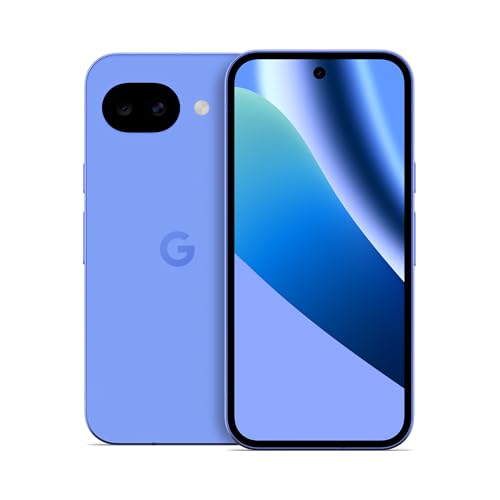

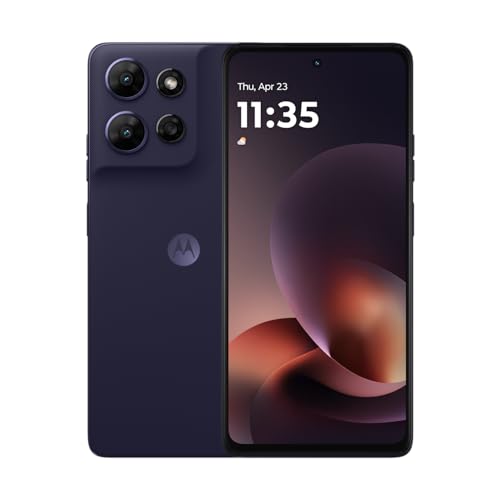


Who Should Buy Which Android Phones?
Think first about who will use the phone and who will help set it up. A gift, a first smartphone, and a long term upgrade each reward different choices in size, support, and price. The groups below reflect the requests families make most often.
For Gift Shoppers
A good gift phone is easy to activate, easy to return, and covered by a clear warranty in the United States. Choose a widely sold model so local stores and family members can help with questions later. An unlocked gift gives the recipient freedom to keep a current carrier or switch later. For a tighter budget, see our guide to the best inexpensive android phones before you decide, since a modest price can still cover calls, photos, and messaging well.
For First Time Buyers
A first smartphone should feel calm on day one. Look for a clean home screen, an easy mode that enlarges icons and text, and a maker with clear help pages written in plain language. Storage of 128 GB suits most new users who take photos but stream music and video. Battery size matters too, since a new user may forget nightly charging, so a larger cell in mAh terms adds welcome margin.
For People Who Want the Best Performance
Some senior buyers run demanding apps, edit photos, play graphics rich games, or keep a phone for many years and want speed that lasts. Flagship phones earn their price through faster processors, brighter displays, better cameras, and longer update promises. If raw speed is your top priority, see our guide to the best performing android phones for a closer look at top tier models. For lighter use, that extra power often goes unnoticed, so weigh it against weight, size, and cost.
Best Android Phones for Seniors by Specific Need
Beyond general user types, one standout need often decides the short list. Camera quality is the most common example, because family photos and video calls carry real emotional weight. The section below explains what to check when photos matter most to you.
Choosing a Phone With a Good Camera
Shoppers who put photos first usually care most about three things: reliable focus, strong night mode, and a front camera that flatters faces on video calls. A main camera with optical stabilization helps reduce blur from slight hand movement. Simple camera apps matter as much as sensor size, since a clear shutter button and automatic scene help beat a crowded pro mode. Zoom is useful for travel and grandchildren on stage, but everyday sharpness matters more.
Key Features to Compare
Specs only help when you translate them into daily life. The five factors below connect each number or label to what you will see, hear, and feel while using the phone. As you read, compare each point with the product table above and note which two factors matter most for your routine.
Software Updates and Support Window
Updates keep a phone secure and compatible with banking, health, and messaging apps. Many flagship phones now promise about five to seven years of security updates, while budget models may promise far fewer. A longer window lets you keep the same phone safely for longer, which also spreads the cost over more years. Before you buy, check the maker page for the exact promise for that model, since promises vary even within one brand.
Processor and Everyday Performance
The processor and memory decide how smoothly apps open and how well the phone handles several tasks at once. For calls, messaging, maps, and browsing, a modern mid range chip with 6 GB to 8 GB of memory feels quick in daily use. More memory helps if you switch often between video calls, photos, and navigation. Storage speed also matters, because a phone that opens the camera slowly can miss the moment you wanted to capture.
Display Size and Quality
A screen around 6.1 to 6.7 inches balances readable text with a body that still fits a hand and a pocket. OLED panels give deep contrast that helps text stand out, and high outdoor brightness matters more than sheer resolution for most senior users. A refresh rate of 120 Hz makes scrolling feel smooth, though it can use extra battery. For choices that keep icons easy to spot against the background, see our guide to the best wallpapers for android phones.
What Seniors Should Look For
Comfort details decide whether a phone gets used with confidence. Look for loud front facing speakers, hearing aid compatibility ratings, and an emergency call feature you can reach quickly from the lock screen. Weight under about 200 grams and a textured case improve grip for hands with arthritis or reduced strength. Large text options and simple gesture settings should be easy to find without digging through menus.
Widgets can place a clock, weather, or a favorite contact on the home screen in large type, which cuts down on searching through apps. For ideas on useful home screen additions, see our guide to the best widgets for android phones. If your vision or hearing changes suddenly or phone use becomes hard because of new symptoms, talk with your clinician promptly and ask which accessibility settings fit your personal needs.
Carrier Compatibility and 5G
In the United States, check that the phone supports the bands your carrier uses, especially if you buy unlocked. A 5G model connects to current networks in most cities and larger towns, and it will keep working as carriers retire older networks. Compact phones can be a smart pick here, since smaller models still include full 5G support in many lines. If you travel, confirm roaming and WiFi calling support with your carrier before ordering.
Common Mistakes to Avoid When Buying the Best Android Phones for Seniors
A few predictable errors lead to returns and frustration. Each one below is easy to avoid with a quick check before you pay.
- Choosing by price alone can leave you with a dim screen and short update support that frustrates you within a year.
- Ignoring the update promise can force an early replacement when banking and health apps stop supporting the phone.
- Buying a very large phone without holding it first can cause sore hands and more drops during daily use.
- Forgetting to check carrier bands on an unlocked import can leave you with weak signal or no 5G service at home.
- Skipping a case and screen protector can turn one short fall onto pavement into a costly screen repair.
How to Make Your Android Phone Last Longer
A case and a screen protector are the cheapest protection for the glass front and back, and a case with raised edges helps most in a fall. Keep software updated, since updates fix security flaws and often improve battery behavior in the background. Avoid charging in extreme heat, such as a hot parked car, because heat ages the battery faster than normal use does. An IP68 rating helps against rain and spills, but it does not make a phone safe for swimming or hot showers.
Charge before the battery runs fully flat when you can, and unplug once it is full during long stretches on a counter. Clean the charging port gently with a soft dry brush if charging becomes unreliable, and never push metal objects into the port. Back up photos and contacts to a cloud account or a computer each month, so a lost phone does not mean lost memories.
Frequently Asked Questions
These answers cover the questions families ask most before ordering. Each one adds a detail that the main sections above did not fully cover.
What makes an Android phone for seniors different from a standard Android phone?
An Android phone suited to seniors puts clarity and reach ahead of raw specs, with larger default text, louder speakers, and simpler menus. Many models add an easy mode that standard phones hide or omit entirely. A useful extra is a dedicated emergency contact shortcut that works even when the screen is locked. The hardware may match a standard model, while the setup and support experience differ in ways you feel every day.
Should seniors buy an unlocked Android phone?
Yes, most seniors benefit from an unlocked Android phone because it works with many carriers and avoids long payment contracts. Unlocked models also make switching carriers simpler if coverage at home is poor or a family plan changes. One extra check matters before ordering: confirm the exact model number appears on your carrier activation list. Some unlocked phones need a new SIM card or an eSIM transfer, so plan a store visit if you want help.
Do seniors need 5G on an Android phone?
Most seniors should choose 5G on a new Android phone, since carriers are building new coverage on 5G networks first. Speed gains feel modest for calls and messaging, but 5G improves capacity in crowded places like stadiums, airports, and hospitals. If you live in a rural area, check a carrier coverage map for your exact address before paying extra. A phone that supports both 4G and 5G gives you a safe fallback either way.
How much storage do seniors need on an Android phone?
Most seniors do well with 128 GB of storage on an Android phone, which holds thousands of photos plus everyday apps. Choose 256 GB if you record long videos of family events or download movies for travel and offline viewing. A handy check is to look at your current phone storage screen, then double that number for your next phone. Cloud photo backup can stretch smaller storage, but it needs a steady WiFi connection at home.
Is a mid range Android phone good enough for seniors?
Yes, a mid range Android phone is good enough for most seniors who call, message, browse, and take family photos. Current mid range models often include bright OLED screens, capable cameras, and batteries of about 5,000 mAh that last a full day or more. The main trade offs are slower photo processing and fewer years of updates than flagship phones. If you keep a phone for three years or less, the savings are hard to argue against.
How many years of updates should an Android phone for seniors get?
An Android phone for seniors should get at least five years of security updates counted from its launch date. That span matches how long most people keep one phone and keeps payment and health apps working safely. One detail many buyers miss is that the clock starts at launch rather than purchase, so a discounted older model has less time left. Ask the seller for the launch date and count forward before you choose a clearance model.
Wrapping Up
Start with your routine, then weigh display comfort, update length, and battery size before price. Gift buyers should favor easy returns and wide availability, first time buyers should favor simple setup, and photo lovers should favor stabilization and night mode. When you compare the product table above with those priorities in mind, the best android phones for seniors for your life will stand out without overspending. Take your time, check carrier fit, and choose the model you will enjoy using every day.


