
Best Android Phones for Photography in 2026: Which One Fits the Way You Use It?
Disclosure: We may earn a commission when you buy through links on this page, at no extra cost to you. As an Amazon Associate I earn from qualifying purchases. Learn more

Match sensor, zoom and night mode to your scenes to choose the best android phones for photography, from family snaps to travel shots.
There is no single camera phone that suits every photographer, because a parent chasing toddlers, a traveler packing light and a fan filming evening concerts need different lenses and different processing. The best android phones for photography are the ones that match your most common scene, not the ones with the longest spec list. This guide helps you read the product table by use first and by numbers second.
Start by naming your main subject, your usual light and how long you keep a phone. Those three answers point to sensor size, zoom range, storage and support length.



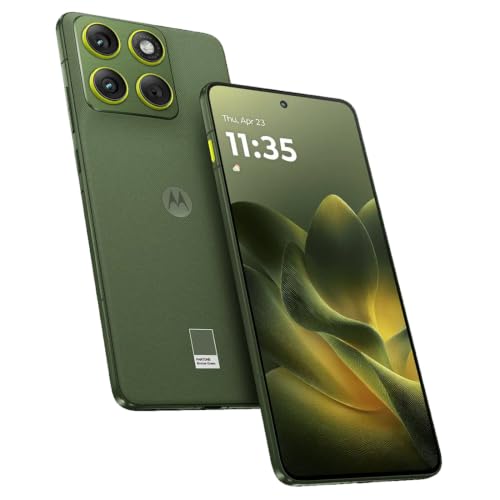
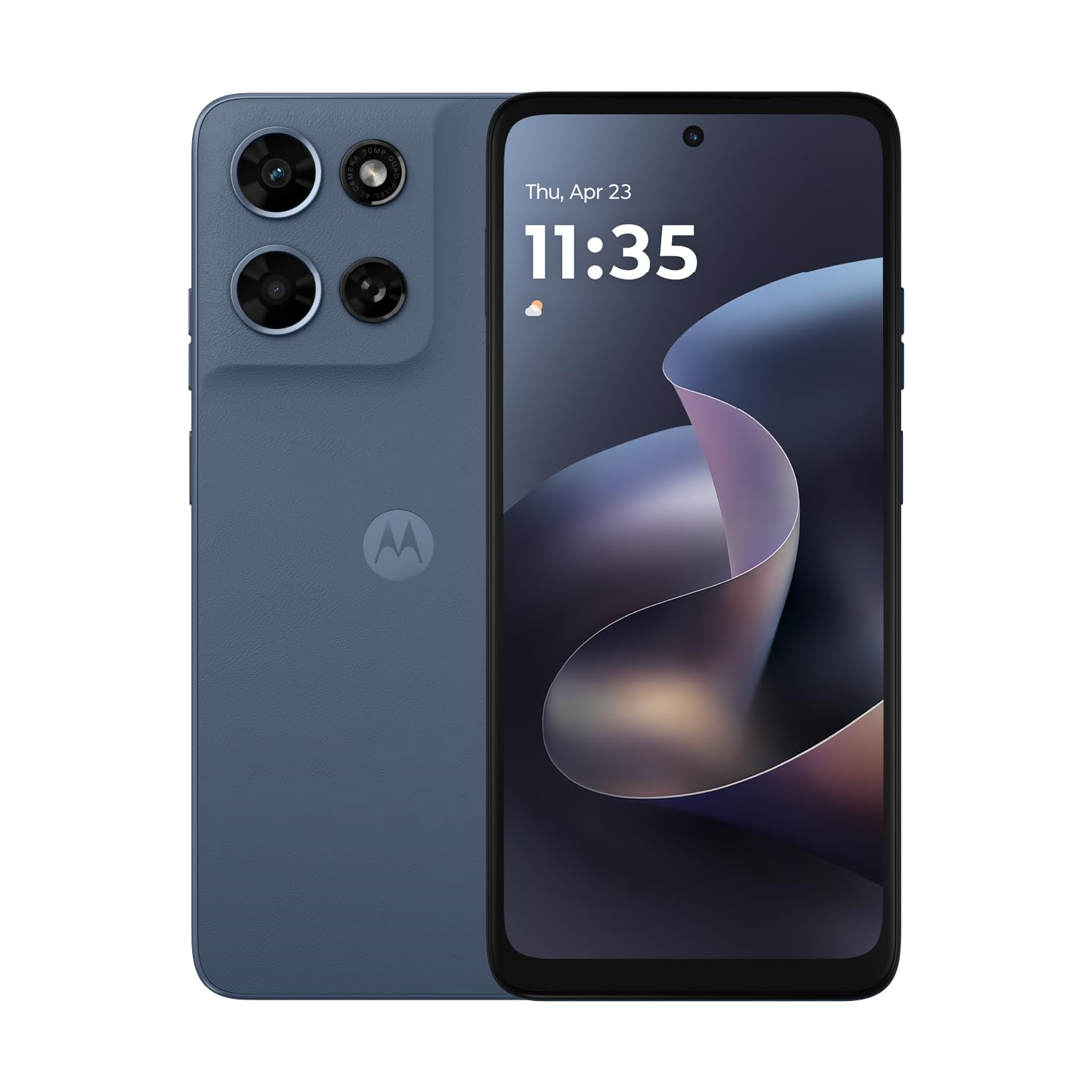
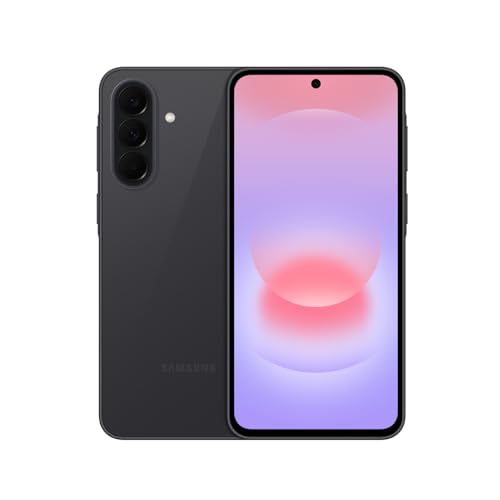
Who Should Buy Which Android Phones for Photography?
Pick by the person and the scene, not by price alone. The groups below share the same camera basics, but each group should spend first on a different strength.
Gift Buyers Choosing a Camera Phone for Someone Else
Choose a phone that takes a good photo with no settings changed, because the recipient may never open a manual mode. Look for reliable auto focus, clear default colors and a simple camera app. A compact size, solid warranty cover and a long support window make the gift safer. Add a case in the box, since a first drop often happens before accessories arrive.
Enthusiasts Who Want the Strongest Camera Performance
Choose the largest main sensor you can afford, a real telephoto lens and flexible controls for raw files and exposure. You will gain cleaner night shots, more detail when you crop and steadier video for moving subjects. Pay for that camera strength before paying for extra display flair.
First Time Buyers Who Want Simple Point and Shoot Results
Choose ease before range. A first phone for photography should open fast, focus on a face without hunting and save a clear shot in mixed indoor light. Avoid paying for many lenses you will not switch to, and value clear on screen prompts and automatic backup. A mid priced model with a good main camera often teaches better habits than a complex flagship.
Key Features to Compare
Compare each factor through your main scene. A spec helps only when it changes the photo you actually take, the time you spend editing or how long the phone stays useful.
Camera Sensors, Lenses and Night Mode for Android Phones
Start with the main sensor and lens set. A larger sensor gathers more light, so night mode needs less smoothing and faces keep more texture in dim rooms. Look for optical image stabilization on the main lens, a true ultrawide lens for groups and interiors, and a telephoto lens with optical zoom of about 3x to 5x for portraits and distant detail. Digital zoom only crops the image, so it cannot replace glass.
Software Updates and Camera Processing Support
Processing shapes color, skin tones, night results and how the phone merges several frames into one photo. Check how many years of system and security updates the maker promises, because camera apps and sharing tools age quickly without support. If you keep phones for four years or more, treat a short support window as a real cost.
Processor, RAM and Everyday Performance in Android Phones
A capable processor merges frames fast, saves large files without a pause and keeps the camera ready for the next shot. Look for enough RAM to hold the camera, maps and messages open together without reloading, often about 8 GB to 12 GB in this class. Slow storage or a weak chip shows as shutter lag on moving children and pets. If raw power is your priority, see our guide to the best performing android phones.
Display Size, OLED Quality and Outdoor Brightness
You judge focus and color on the screen, so display quality shapes every edit. An OLED panel shows deeper blacks and helps you spot crushed shadows before you share a photo. A refresh rate of about 90 Hz to 120 Hz makes scrolling through a large gallery feel smooth, while high peak brightness keeps the viewfinder readable in sun. Larger screens help detailed edits, but compact phones travel easier in a jacket pocket.
Build, Durability and Water Resistance for Shooting Outdoors
Photography takes phones to rain, beaches, hiking trails and crowded streets, so build quality protects the camera you paid for. Look for an IP68 rating when you shoot near water, strong front glass and a frame that can take small knocks without cracking a lens cover. A grippy edge or a case with a raised lip around the lenses helps during one hand shots.
Storage and Battery Life for Long Photo Days
High resolution photos, raw files and 4K video fill space far faster than messages and music. Many keen photographers should start at about 256 GB, while casual shooters may manage with about 128 GB if cloud backup runs each night. Battery size and charging speed decide whether a full day of shooting ends early. A phone that can add useful charge during a lunch stop suits travel days better than a slightly thinner body.
How to Check an Android Camera Phone Before You Buy
Use a short in store or at home check during the return window. Photograph the same scene with the main lens, the ultrawide lens and the telephoto lens, then view each shot at full size. Look for soft corners, smeared hair detail and colors that shift between lenses. That short check tells you more about the best android phones for photography than a spec sheet alone.
Next, check the moments that frustrate owners later. Time how fast the camera opens from a locked screen, shoot a moving child or pet, and record a short video while walking. Check that faces stay sharp and that sound stays clear. If you plan to edit on the device, see our guide to the best photography app for android phones to judge which tools your shortlist should run well.
Common Mistakes to Avoid When Buying Android Phones for Photography
These errors cost money without adding a single better photo to your gallery.
- Judging a camera only by megapixel count leaves you with large files but weak night results and soft detail.
- Paying for a long digital zoom range gives you cropped images that fall apart when you print or share them large.
- Ignoring the update window can leave a strong camera with old software and unsupported editing apps within a few years.
- Choosing too little storage forces constant deleting on trips and can stop video recording at the moment you want most.
- Skipping the unlocked and carrier check can leave you with missing 5G bands and slow updates on the network you use.
How to Make Your Android Phone for Photography Last Longer
Protect the lenses first. Use a case with a raised edge around the camera area and a screen protector, and wipe each lens with a clean microfiber cloth before important shots. Skin oil and pocket grit smear light across the frame, so a ten second wipe prevents soft and hazy photos. Never wipe a gritty lens dry with a shirt, because sand can scratch the coating.
Keep software updated, back up originals to a second place and avoid charging in extreme heat, such as a closed car in summer sun. Heat ages the battery, and a weak battery shortens every shooting day. Clear duplicate bursts and old downloads each month to keep free space for video. Store the phone dry, and let a wet phone dry fully before you charge it.
Frequently Asked Questions
What features matter most in Android phones for photography?
The main sensor, stabilization and a useful lens set matter most in Android phones for photography. Together they decide light, sharpness and framing before software can help. One point buyers often miss is front camera focus, which affects self portraits and video calls. Check sample shots from the front camera too, since a fixed focus front lens can soften group selfies at arm length.
Is a mid range Android phone good enough for photography?
Yes, a mid range Android phone is good enough for photography when its main camera has stabilization and a proven night mode. Most family and travel shots in daylight will look close to flagship results. You mainly give up strong telephoto reach, faster burst saving and the best video in low light. If value leads your choice, see our guide to the best inexpensive android phones for budget context.
How much storage do Android phones for photography need?
Most photography focused buyers should choose about 256 GB on Android phones for photography. A single minute of 4K video can take several hundred megabytes, so a weekend of clips can use more space than a month of still photos. Burst sets from sports or pets add up quickly as well. Leave at least a quarter of storage empty so the camera never pauses to warn you during an event.
Do Android phones for photography need 5G?
Android phones for photography do not need 5G for the camera itself, but 5G helps when you back up large galleries away from WiFi. Upload speed matters on travel days when hotel WiFi is slow or shared. Check band support for your carrier and travel region, because a phone can list 5G yet miss the band your area uses most.
Should you buy Android phones for photography unlocked?
Yes, buying unlocked usually suits photography buyers who travel, because local SIM cards and eSIM plans are easier to add for maps and backup. An unlocked phone also avoids carrier apps that can delay camera and system updates. Before you pay, confirm the exact model supports your carrier bands and warranty in your country. A lower price is poor value if activation fails at home.
Our Verdict
Match the camera to your main scene, then check support length, storage and screen brightness in that order. Travel shooters should weight zoom and battery, families should weight speed and simple auto results, and enthusiasts should weight sensor size and raw control.
Use the product table to compare your shortlist on those points, and choose the simplest model that covers your real scenes well. When you judge best android phones for photography by use rather than by spec count, the right choice becomes clear and stays satisfying for years.


