
Best Android Phones for Development in 2026: Which Type Is Right for You?
Disclosure: We may earn a commission when you buy through links on this page, at no extra cost to you. As an Amazon Associate I earn from qualifying purchases. Learn more

Budget, mid range, camera focused or compact: see which type of the best android phones for development fits your projects and budget.
Choosing a phone for writing and testing apps is different from choosing one for daily use alone. You need a device that accepts debug builds quickly, runs them honestly, and stays current for years. The best android phones for development balance those needs, and the product table helps you weigh each type against your budget and your projects.
Think first about the apps you build. A simple utility needs less power than a game or a camera app, and a solo learner needs less coverage than a team testing for many users. The sections below compare phone types first, then the features that shape daily testing work.




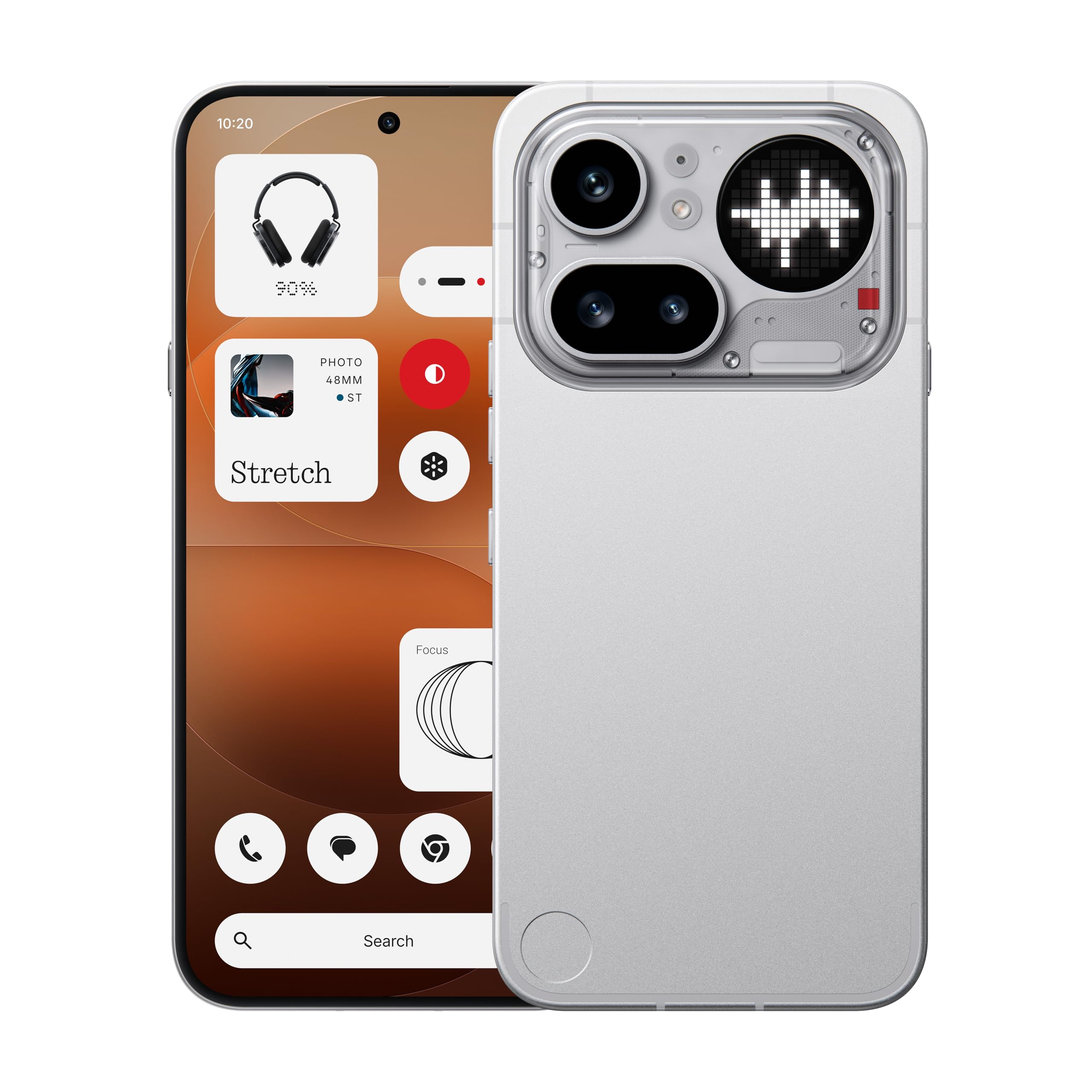

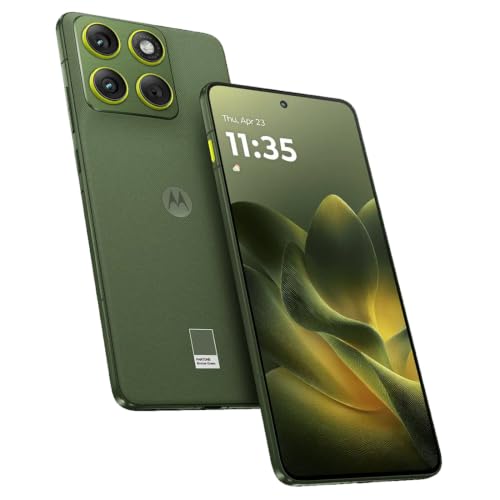

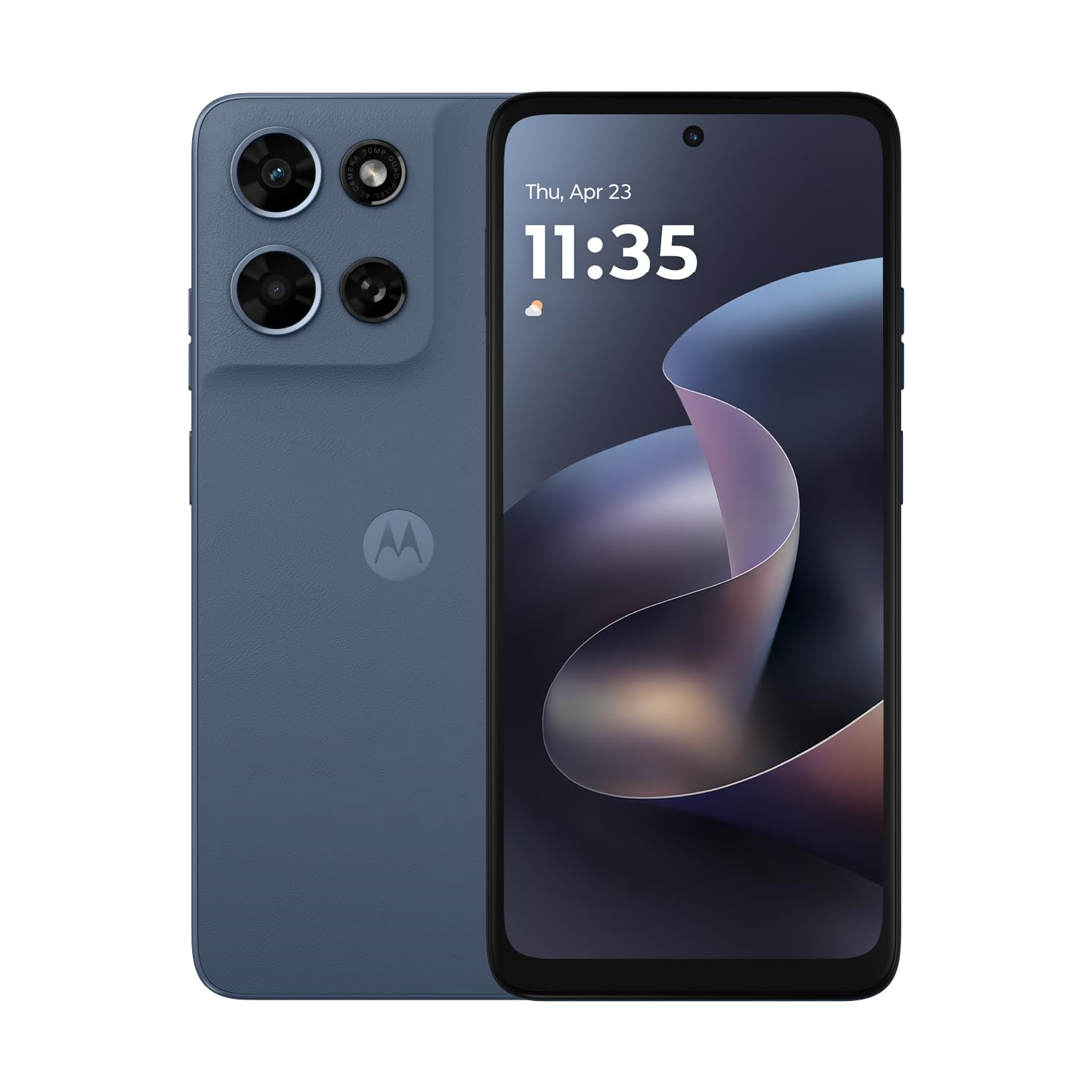
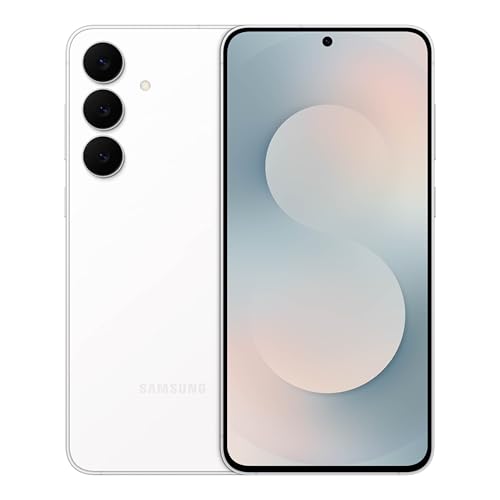
Types of Android Phones Compared for Development Work
No single type suits every developer. That is why the best android phones for development are judged by testing value, not by camera rank or style alone. Price, update length, and storage all matter here.
Budget Phones for Learning and Low Cost Testing
Budget phones usually cost about $150 to $300 and give you a real device for learning Android Studio basics, deploying builds, and checking layout on a smaller screen. Performance is modest and updates are often shorter, so heavy games and large projects can feel slow. They suit students and hobbyists well, and if low price is your priority, see our guide to the best inexpensive android phones for the wider budget picture.
Mid Range Phones for Daily Development and Debugging
Mid range phones, often about $300 to $600, add faster processors, more RAM, and brighter screens while staying close to what most users own. That closeness is valuable, because an app that runs well here will likely run well for your audience. Update support is usually longer than on budget models. This is the default choice for many independent developers who test every day.
Camera Focused Phones for Media and Sensor Apps
Camera focused phones put their budget into lenses, image processing, and storage for photos and video. Choose this type if you build scanning, photography, or video apps and need to test exposure, focus, and night mode behavior in low light. You pay more, often about $600 to $1000, and some models add an IP68 rating for field work. For general apps, the camera premium adds little testing value.
Compact Phones for Quick Checks and Small Screens
Compact phones use smaller screens and lighter bodies, which makes them useful for checking one hand reach, small layouts, and text scaling. They are easy to carry as a second test device beside your main phone. Battery capacity is often lower, and small screens can feel cramped. Choose one as a companion device, not as your only phone for large projects.
Budget Phones vs Mid Range Phones: Which Should You Choose for Development?
Compare the two types on five points. Mid range models deploy builds faster, hold more apps in memory, and receive software updates for longer. Budget models cost less, represent low powered users honestly, and hurt less if a test device is lost or damaged. Display quality and storage also favor the mid range group, often by a clear margin.
Choose a budget phone if you are learning, building simple apps, or adding a low powered test device to a set you already own. Choose a mid range phone if it will be your main development phone, because the speed and update length repay the extra cost over years of daily use.
How to Choose the Right Android Phone for Development
Work through these factors in order. The first three decide whether a phone can do development work well at all, and the last two shape comfort during long test sessions.
Chip Speed and RAM for Fast Build Deployment
A faster processor and more RAM shorten the wait when you deploy a build, switch between your app and tools, and run a debug session with logging on. Look for about 8 GB of RAM or more for smooth multitasking, and more if you profile games or graphics. If raw speed is your main concern, see our guide to the best performing android phones for how performance tiers compare across the market.
Storage Options for Builds and Test Data
Storage fills faster than most new developers expect. Test builds, saved versions, sample videos, and offline data can take tens of gigabytes within months. About 128 GB suits small projects, while about 256 GB is safer if you keep several large apps and media libraries on the device. A microSD slot helps for media files, but internal storage is faster for installed apps.
Features That Matter for Development
Four traits separate a true development phone from a general phone. An unlockable bootloader lets you flash factory images and recover from a broken build. Fast software updates and access to beta versions let you test against the next Android release early. An unlocked phone lets you swap SIM cards and test on different networks freely. A clean system with few added layers also behaves closer to standard Android, and our guide to the best android phones for app development explores that workflow in depth.
Display Size and Quality for Interface Testing
Your display is where layout faults show up first. An OLED panel gives strong contrast for checking dark themes and night mode, while a refresh rate of about 90 to 120 Hz makes scrolling tests smoother. A screen of about 6.1 to 6.7 inches matches most current users, and high outdoor brightness helps you judge readability in daylight. Test at several brightness levels, because a design that works indoors can fail in sun.
Battery and Connectivity for Long Test Sessions
Long debugging days drain a phone fast, because the screen stays on and builds deploy again and again. A battery of about 4000 to 5000 mAh gives more margin, and fast charging helps when a session runs low. WiFi 6 or newer keeps large builds moving quickly from your computer, while dual SIM support or an eSIM lets you check how your app behaves when networks change or signal drops.
Common Mistakes to Avoid
These errors often look like savings at first.
- Buying a carrier locked phone limits network testing and can delay updates, so a fault on one network stays hidden.
- Choosing about 64 GB of storage fills the phone with builds within months and forces constant deleting during testing.
- Ignoring the update promise leaves you unable to test new Android versions that your users will soon run.
- Testing only on a flagship phone hides slow loading and memory problems that users on weaker devices will meet daily.
- Skipping a spare test device means one cracked screen or failed update can stop your release schedule completely.
Habits That Protect a Hard Working Test Phone
Use a case and a screen protector, because a test phone is handled, plugged in, and carried far more than a normal phone. Keep software updated once a new release has proved stable, and keep a written record of which build sits on each device you own.
Avoid charging in extreme heat, and unplug the phone during long breaks to reduce battery stress. Delete old builds each month, back up test data to your computer, and reset the device between major projects so leftover settings do not distort your results.
FAQs About Android Phones for Development
What features matter most in an Android phone used for app testing?
The features that matter most are an unlockable bootloader, fast updates, enough RAM, and ample storage. One point many buyers miss is version spread, because users rarely run the same Android release. If you can, keep one phone on an older stable version and one on the newest version, so changes in permissions or notifications show up before release.
Do you need 5G on an Android phone used for development?
No, you do not need 5G for most development work, because most testing runs over WiFi in your office or home. A useful extra step is to throttle the connection in developer settings and test on a slow network profile. That habit reveals loading faults that a fast link would hide.
Is a mid range phone good enough for Android development?
Yes, a mid range phone is good enough for most Android development and is often the smartest main device. Your computer still does the compiling, while the phone runs and profiles the result. Results from this tier also translate well, because far more people own mid range phones than flagships.
How many years of software updates should a development phone get?
A development phone should get at least three years of Android version updates, and five or more years is better. A longer window lets one device cover several releases, so you can test new behavior without replacing hardware each cycle. Check the update promise for security patches too, because a phone dropped from support should leave your main test set.
How much storage do you need on an Android phone for development?
You need about 128 GB at minimum on an Android phone for development, with about 256 GB preferred for large projects. A practical habit is to archive finished builds on your computer or in cloud storage each month, with clear version names. That archive lets you reinstall an older build quickly when a user reports a fault you must reproduce.
Should you buy an unlocked Android phone for development?
Yes, you should buy an unlocked Android phone for development in most cases. Beyond network freedom, an unlocked device is easier to lend to a teammate, take abroad for location testing, or sell when you upgrade. Carrier software can also add apps and settings that differ from the standard system your users may run.
The Bottom Line
Start with update length, bootloader access, and storage, because those three decide how long a phone stays useful for testing. Then match the type to your work, with mid range models suiting most developers and budget models serving well as extra test devices. Use the product table to compare price and core specs side by side.
When you choose the best android phones for development with those priorities clear, you get a device that tests honestly today and still earns its place years from now. Pick the simplest phone that meets them, and spend the savings on a second test device later.

