
Best Android Phones for Developers in 2026: Matching the Right Model to Your Routine
Disclosure: We may earn a commission when you buy through links on this page, at no extra cost to you. As an Amazon Associate I earn from qualifying purchases. Learn more

Update support, unlocking and storage decide the best android phones for developers. Match the right phone to your testing routine.
A phone for development work is a test bench you carry in your pocket. You install fresh builds, watch how an app behaves on real hardware, and check screens in daylight and in dim rooms. The best android phones for developers are not the same for every coder, so match the phone to your daily routine first and use the product table to check the details.
Start with how you actually work. If you test all day, you need speed, storage and early access to new system versions. If you are learning, you need clean software and fair cost more than raw power. The sections below sort those needs into clear groups, so you can choose with a plan instead of chasing the longest spec list.


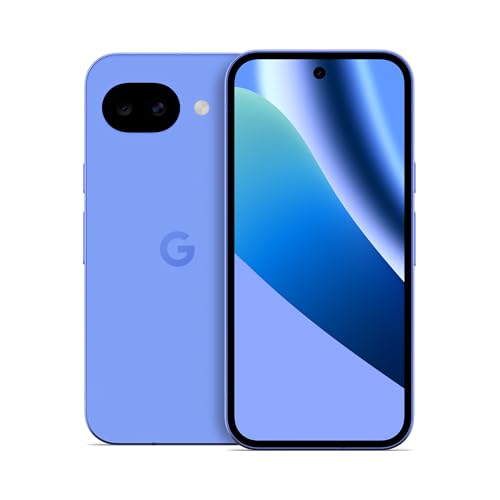
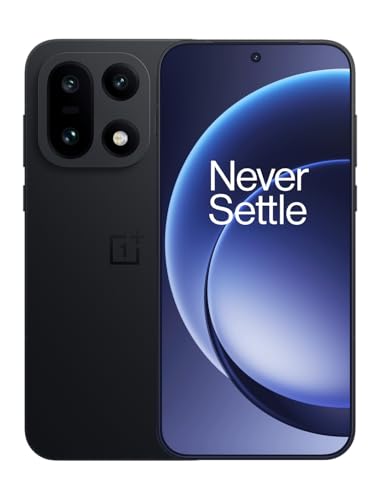

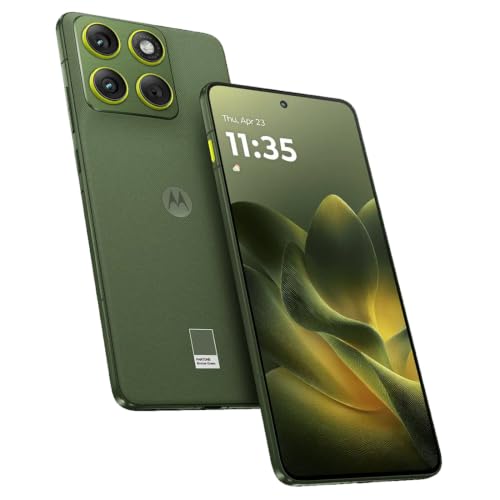

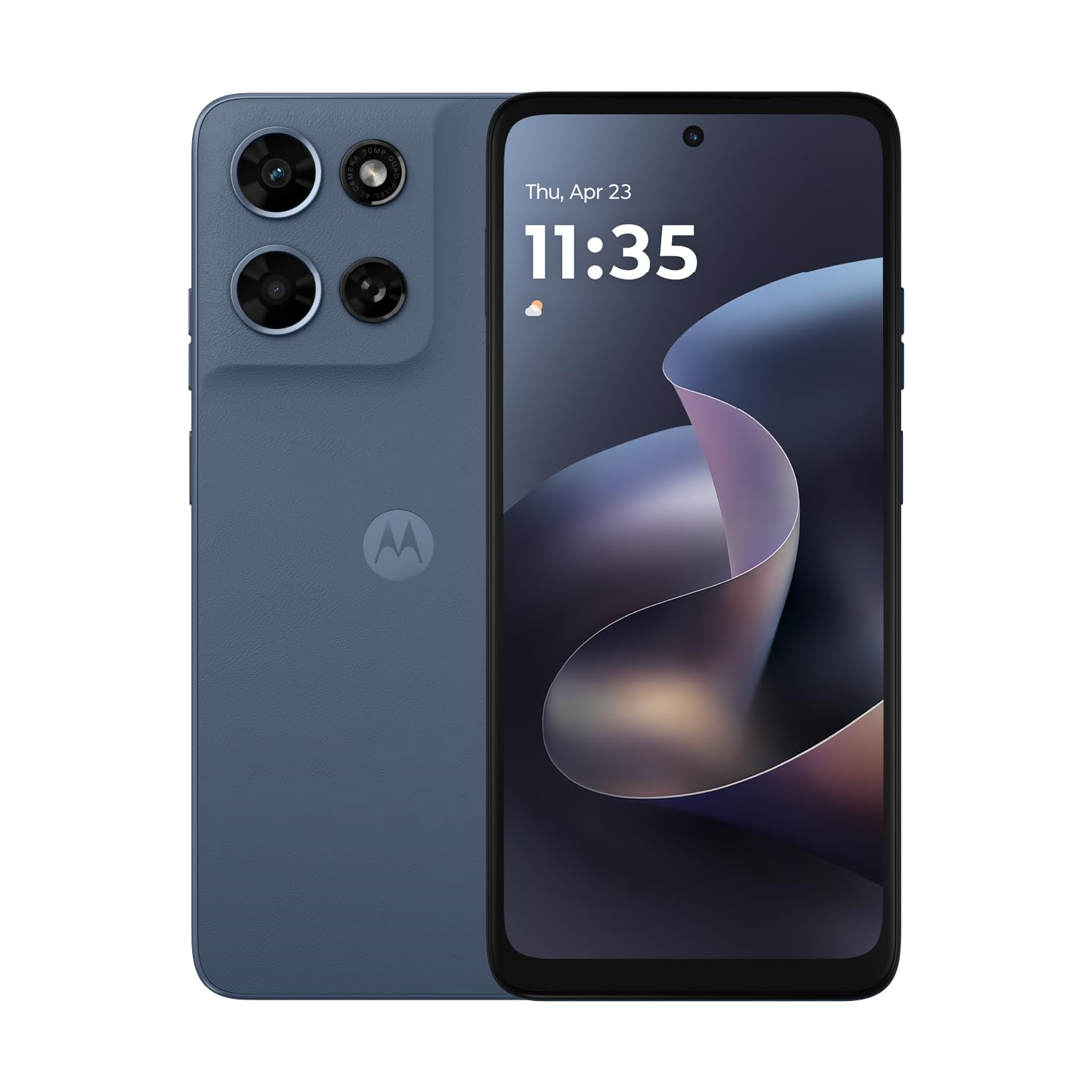
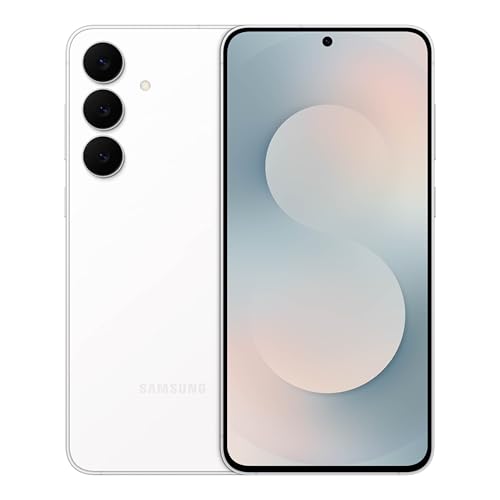
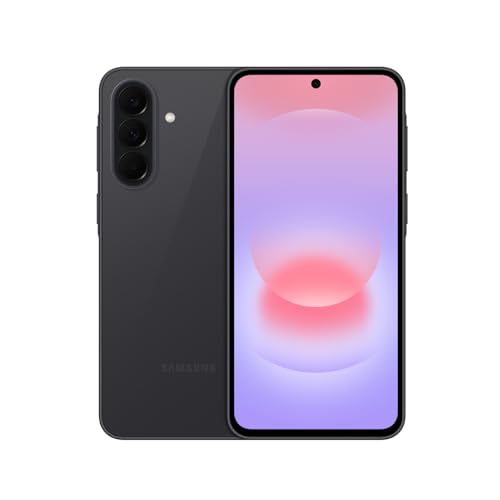
Who Should Buy Which Android Phones?
No single model suits every kind of development. Your role decides which compromises hurt and which ones you will never notice.
App Developers Who Test Builds Every Day
You install builds often, run several test apps at once and repeat the same flows until small faults show up. Put processor speed, generous memory and fast storage at the top of your list. Early access to beta system versions matters to you, and so does a screen large enough to spot layout faults. A strong battery keeps a full day of testing from ending at a wall outlet.
Students and Hobby Coders Learning Android
You need a phone that stays current while you learn, without draining a tight budget. Choose clean software, a clear update promise and enough storage for your course projects and test assets. A mid range model often fits well, and if price matters most, see our guide to the best inexpensive android phones for lower cost options that still cover the basics.
Freelancers and Testers Who Juggle Client Projects
You may support several clients, each with a different app, account set and target audience. A separate test phone keeps client data apart from your personal photos and messages. Look for an unlocked model, room for many user profiles and a screen size close to what your clients own. A second, smaller or older device can help you check how an app copes on modest hardware.
Key Features to Compare
The best android phones for developers share long support and open testing tools. Compare your needs in a fixed order, starting with the software support that decides how long the phone stays useful for testing.
Screen Size for Judging Layouts and Spacing
Most developers do well with a screen of about 6 to 7 inches, large enough to judge spacing, type size and touch targets without guesswork. An OLED panel gives deep contrast that helps you check dark themes and night mode as users will see them. A refresh rate of 120 Hz makes scrolling tests feel smooth, while strong outdoor brightness lets you verify that charts and maps stay readable in sunlight.
Processor and Memory for Builds and Testing
A fast processor shortens the wait each time you install a build and switch between test apps. Aim for about 8 to 12 GB of memory if you keep a browser, a chat app and several builds open at once, since low memory forces apps to reload and can hide real faults. If raw speed is your main concern, see our guide to the best performing android phones for speed focused choices.
Software Updates and Beta Access
Long software support is the core developer feature, since your users will run several system versions at once. Look for a clear promise counted in years, regular security patches and a public beta program you can join before each major release. Clean software with few added extras also helps, because faults are easier to trace when the system stays close to standard Android behavior.
Unlocking and Debugging Options
Check two separate points before you buy. A carrier unlocked phone can move between networks and SIM cards, which helps with travel and network testing. A phone that allows bootloader unlocking lets you flash test builds and restore factory images after a failed install. Confirm that USB debugging works with your computer, and note that unlocking the bootloader on some models can limit banking apps or warranty cover.
Storage and Battery Life
Build files, test videos, offline maps and asset packs fill storage faster than most buyers expect. About 128 to 256 GB suits most developers, and more helps if you store large game or media projects on the phone. For battery, look near 4500 to 5000 mAh and for charging that adds useful power during a short break, since a dead test phone stops your whole workflow.
Build Quality and Water Resistance
Developers carry test phones to offices, events and outdoor shoots where drops and rain are real risks. An IP68 rating means the phone is built to resist dust and a spell in shallow water, though it is not a license to swim with it. Tough glass on the front and back helps with daily knocks. A solid frame also matters if you swap SIM cards and cables many times a week.
How to Set Up an Android Phone for Development Work
Setup takes minutes and pays off on every test session. Open Settings, find the build number and tap it until Developer Options appear. Turn on USB debugging, connect the phone to your computer and approve that computer on the phone screen. Install your main test accounts, then keep work accounts and personal accounts apart so test data never mixes with real data.
Next, prepare the phone for honest testing. Set one home screen to a plain layout and add the widgets your app relies on, since widgets often reveal size and refresh faults early. If home screen testing is central to your work, see our guide to the best widgets for android phones for ideas. Test your app at the largest and smallest font sizes, and check it once with night mode on and once with it off.
Common Mistakes to Avoid
These errors often look harmless at checkout and costly a month later.
- Buying for camera quality alone while ignoring update support leaves you testing on an old system version within a year or two.
- Choosing a carrier locked model limits network testing and makes travel with local SIM cards far harder.
- Picking only 64 GB of storage fills up fast once builds, test video and offline assets pile up.
- Skipping the bootloader rules can block flashing and leave you unable to restore a clean system image.
- Ignoring screen brightness makes outdoor screens and pale charts hard to judge where users actually stand.
Care and Maintenance for a Developer Phone
Use a case and a screen protector, since a test phone travels more and gets plugged in and set down far more often than a personal phone. Keep the charging port free of dust with a soft dry brush, and avoid charging in extreme heat, such as a closed car in summer, because heat ages the battery. Back up test notes and project files to your computer or cloud storage each week.
Keep software updated once a release is stable enough for your work, and restart the phone now and then to clear stuck test processes. Wipe the screen with a soft cloth so fingerprints do not hide small display faults during checks. If the battery swells or the back panel lifts, stop using the phone and take it to a repair professional, since a swollen battery is a safety risk.
Frequently Asked Questions
What features matter most in Android phones for developers?
Update support, debugging access and storage matter most for developer use. Rank update length first, because it decides how many system versions you can test over the life of the phone. A useful extra tactic is to keep your previous phone after an upgrade. That older device becomes a low cost way to check how your app runs on the version many users still have.
Is a mid range phone good enough for Android app development?
Yes, a mid range phone is good enough for most Android app development. Your computer does the heavy work of building the app, while the phone only runs and displays each build. Lists of phones for developers often rank mid range models high for this reason. Spend the savings on a second test device with a different screen size if your budget allows it.
How much storage do Android developers need on a phone?
Most Android developers should start at 128 GB of phone storage. That leaves room for the system, several large builds and a library of test photos and video. Choose 256 GB if you test media heavy apps or keep many offline files. Before you buy, check whether the model accepts extra card storage, since many current phones offer no card slot at all.
Do Android developers need 5G on a test phone?
Android developers need 5G only if their apps depend on fast or low delay network behavior. Streaming, maps and large sync jobs can behave very differently on 5G than on older networks. A practical test is to repeat your core flows on 5G, on 4G and on WiFi with a slow setting, then compare load times. Check that the phone supports the 5G bands your carrier uses.
Should Android developers buy an unlocked phone?
Yes, Android developers should usually buy an unlocked phone. Carrier unlocking and bootloader unlocking are different things, and you may need one or both. Carrier freedom lets you test on other networks, while bootloader access lets you flash builds. Buy from a seller who states both policies in writing, because a phone described only as unlocked may still block bootloader changes.
Wrapping Up
Put update support first, then confirm unlocking and debugging access, then choose storage, battery and screen size for your projects. That order keeps a phone useful for testing long after faster models appear. When you compare the best android phones for developers with those points in mind, use the product table to check each finalist against your routine, your clients and your budget before you order.

