
Best Android Phones Currently: A 2026 Checklist and Buying Guide
Disclosure: We may earn a commission when you buy through links on this page, at no extra cost to you. As an Amazon Associate I earn from qualifying purchases. Learn more

A practical checklist for the best android phones currently available, covering screen, camera, battery, updates and value.
Phone lineups change fast, so a simple checklist beats chasing launch headlines when you shop. This guide gives you clear pass and fail points for the screen, build, camera, battery, and software support. With those points in hand, you can judge the best android phones currently on sale without needing deep technical knowledge.
Work through the checklist in order and note where each phone you like stands. A model that passes on display, updates, and battery will usually serve you well for years, and the product table makes those checks faster.


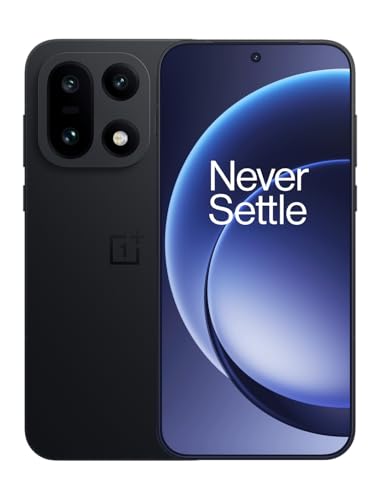

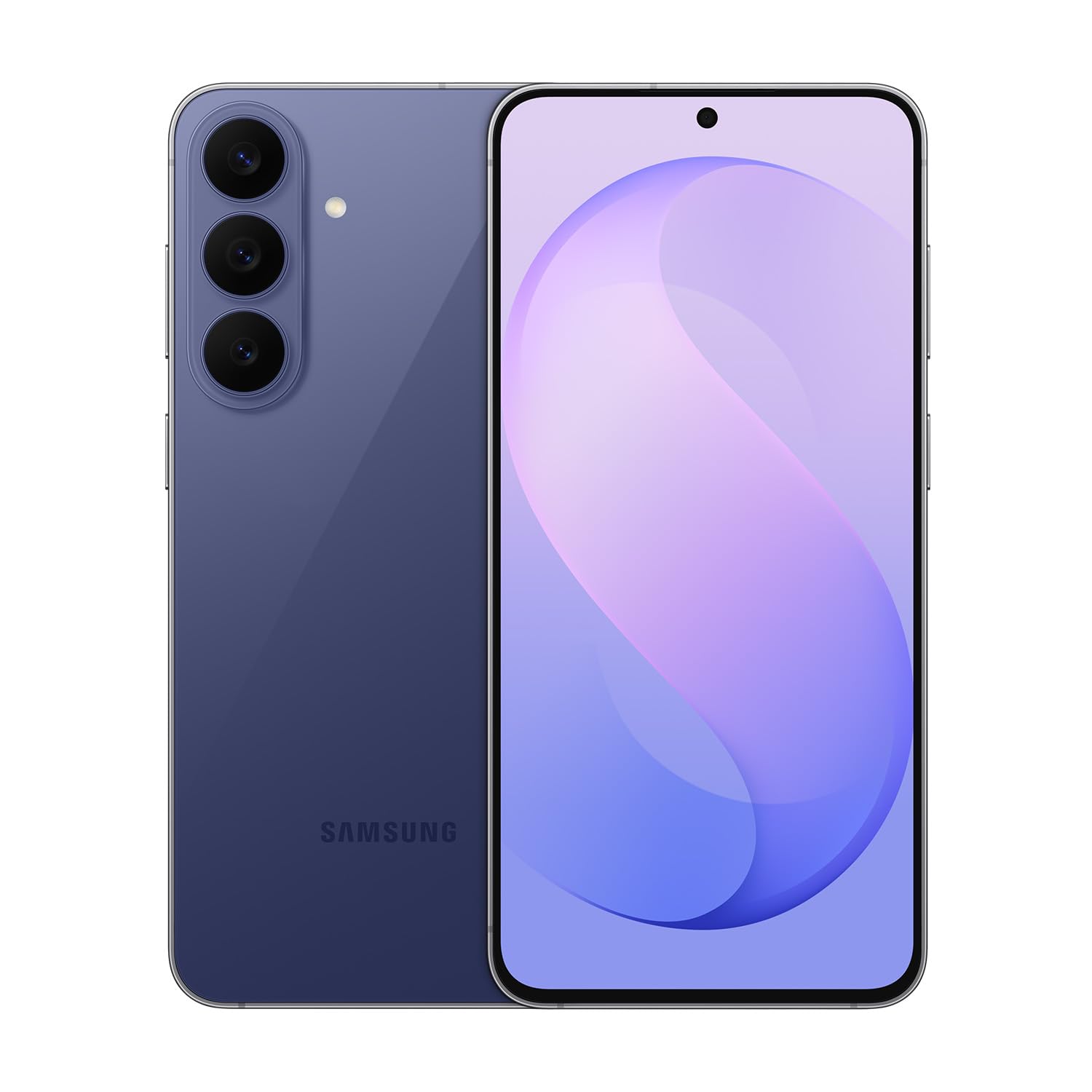

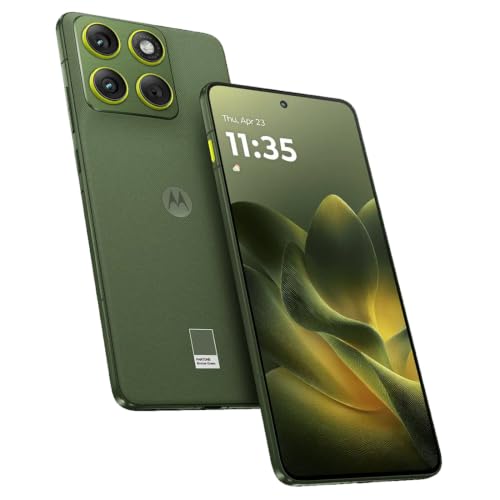


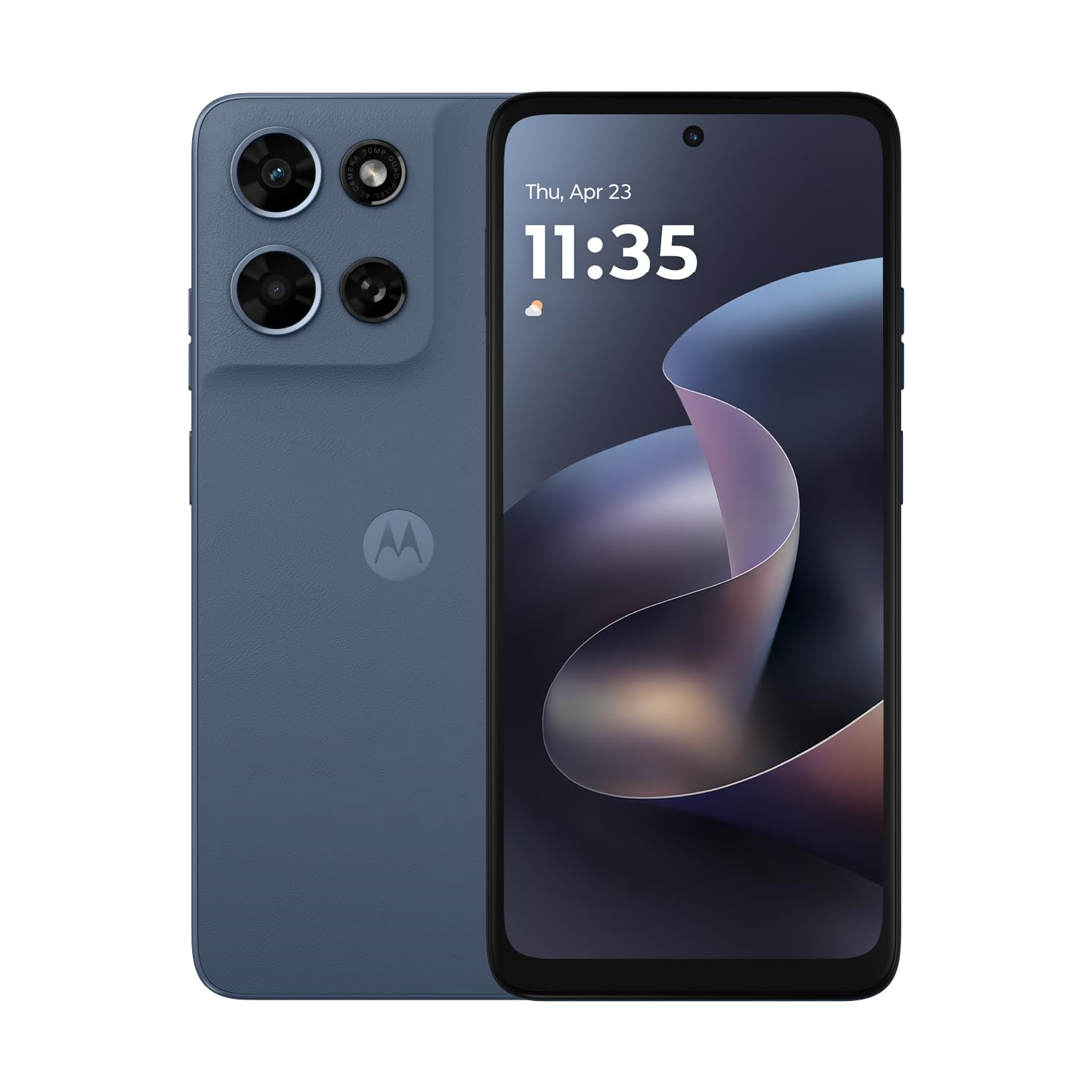
How to Evaluate the Best Android Phones Currently on Sale
A good checklist scores each phone on the things you feel every day rather than on rare benchmark peaks. A phone must feel quick with normal apps, show a clear screen outdoors, last a full day, and stay secure with updates. Below, each area lists what good looks like and where the warning signs appear, so you can apply the same checks to any model you find.
Display Size and Quality
Good means an OLED panel with a 120Hz refresh rate and brightness that stays readable in sunlight. Colors should look natural rather than harsh, and text should stay sharp at normal reading distance. A weak display shows washed out colors outdoors or a 60Hz rate that makes scrolling feel choppy. Size should fit your hand, with compact phones near 6.1 inches and large phones near 6.8 inches.
Build, Durability, and Water Resistance
Good means a stated IP68 rating for dust and water resistance plus strong glass on the front. IP68 means the phone can handle rain, spills, and brief submersion in fresh water under controlled conditions. A weak sign is no IP rating at all or vague splash claims with no standard behind them. Also check the frame material and whether buttons feel solid rather than loose.
Storage Options
Good means at least 128GB, with 256GB offered if you record video or keep many games installed. A microSD slot is a bonus for cheap media storage, though fewer premium phones include one now. A weak sign is 64GB on anything but the cheapest phones, because apps and system files alone can fill that quickly. Check actual free space after setup, not just the number on the box.
Software Updates and Support Window
Good means a clear promise of several years of system updates plus monthly or regular security patches. The promise should be easy to find on the maker page for the exact model. A weak sign is silence about updates or a window of only one or two years. Long support protects your banking apps and keeps the phone worth using, so weight this point heavily.
Processor and Everyday Performance
Good means apps open quickly, multitasking does not force constant reloads, and the phone stays cool during navigation or video calls. Enough RAM helps apps stay ready in the background, with mid range and premium phones offering more than basic models. A weak sign is stutter in the demo unit when swiping or opening the camera. If you game often, look for sustained performance notes, not just peak speed claims.
Camera System
Good means a main camera with optical stabilization, a useful ultrawide camera, and a night mode that keeps detail without harsh brightness. Video should stay steady while walking, and colors should look consistent across lenses. A weak sign is a long list of tiny extra lenses that add little to real photos. Judge by sample photos in dim indoor light, where weak cameras struggle most.
Battery Life and Charging Speed
Good means a battery around 4000 to 5000 mAh that lasts a full day of mixed use, plus charging that refills a large share within half an hour. Wireless charging is a convenience bonus for desks and nightstands. A weak sign is a small battery paired with a large bright screen, which often means charging before dinner. Also confirm whether a charger comes in the box.
Three Types That Pass the Checklist
Instead of naming specific models, use the product table to find phones that fit these three well defined types. Each type below describes who it suits, what strengths to confirm in the listing, and what limit to accept. This approach keeps your choice current even as model names change through the year.
The Balanced Overall Type
The balanced overall type balances every checklist area with no weak point: a bright OLED screen, a versatile camera set, a full day battery, and a long update window. It suits buyers who keep a phone for three or four years and want one device for work, travel, and photos. The limit is price, since this balance usually sits in the upper price tiers around $600 to $1000. Confirm IP68 and wireless charging if those matter to you.
The Value Type
The value type keeps the essentials strong, a good OLED screen, a reliable main camera, and fast charging, while trimming extras like telephoto zoom or premium frame materials. It suits students and families who want a phone that feels quick for years at around $250 to $500. The limit is usually a shorter update window or a plastic frame. Check the update promise carefully, because that is where value models differ most.
The Compact Type
The compact type pairs a screen near 6.1 inches with flagship level performance, so you give up little besides display size. It suits one hand use, small pockets, and anyone tired of stretching to reach the top of the screen. The limit is battery size, since a smaller body holds a smaller cell, and heat has less room to spread during long gaming sessions. If you read and watch video for hours, a larger phone may feel kinder.
Quick Buyer Checklist
- Does the screen use OLED with at least a 90Hz or 120Hz refresh rate?
- Is there a clear IP rating, ideally IP68, for water resistance?
- Does storage start at 128GB, with a 256GB option if you film often?
- Is the update window stated in years for both system and security updates?
- Does the battery size suit the screen size, with fast charging support?
- Does the main camera include optical stabilization and a night mode?
- Is the phone unlocked or confirmed to work fully on your carrier?
- Have you added a case, screen protector, and charger to the total cost?
Readers on a tight budget can cross check value models in our guide to the best inexpensive android phones, and readers who rank speed first can see the criteria in our guide to the best performing android phones.
Red Flags to Watch For
- Vague camera claims. Long lens lists with tiny sensors and no stabilization usually mean weak real world photos.
- No stated update window. If the maker will not say how long support lasts, assume it is short.
- No IP rating. Splash proof wording without a standard offers little protection you can rely on.
- Very short warranty. A warranty far shorter than rivals can signal low confidence in build quality.
- Odd review patterns. Many similar glowing reviews posted at once are less trustworthy than detailed mixed feedback.
Care and Maintenance Tips
Use a case and a screen protector from the first day, because one drop can cost more than both combined. Keep software updated by turning on automatic updates for the system and your apps. Avoid charging in extreme heat, such as on a hot car dashboard, since heat ages a battery faster than normal use. Restart the phone every week or two to clear minor glitches, and review storage every few months so photos and downloads do not fill the drive.
Once your phone is set up, small touches make it feel personal. Our guide to the best widgets for android phones covers at a glance tools for weather, calendar, and battery that many owners find useful every day.
FAQs
Is a mid range phone good enough?
Yes, for most people a mid range phone handles messaging, streaming, maps, and everyday photos with ease. You give up mainly telephoto zoom, the fastest game settings, and some premium materials. If the update window is long and the screen is OLED, a mid range model can be the smartest buy in the lineup. Spend more only when you know which extra feature you will use weekly.
Should I buy unlocked?
Yes, unlocked is the flexible choice because it lets you change carriers, use local SIM or eSIM options while traveling, and avoid unwanted carrier apps. Carrier deals can lower the upfront cost but may lock the phone until it is paid off. Either way, confirm band support and WiFi calling for your carrier before you pay.
How much storage do I need?
Choose 128GB as a sensible minimum and 256GB if you record video, download shows, or keep large games installed. Photos add up slowly, but 4K video fills space quickly during a single trip. If the model has no card slot, extra built in storage is the only way to grow, so buy for the next three years rather than for today alone.
Do I need 5G?
Yes, 5G is now the standard to buy for, since carrier networks keep growing on 5G and new phones include it at nearly every price. A 5G phone still uses 4G where needed, so coverage gaps are handled automatically. In areas with weak signal, good antenna design and WiFi calling can matter as much as the 5G label itself.
How many years of updates should a phone get?
Look for at least three years of security updates, and prefer longer windows on phones you plan to keep beyond three years. Security patches protect your accounts even when no new features arrive. Check the maker support page for your exact model, because windows can differ between models in the same line and even between storage variants in rare cases.
Our Verdict
Judge every candidate with the same checklist: screen quality, update window, and battery life first, then camera and build. That order keeps daily frustrations low and value high. When you compare the product table against these points, the best android phones currently for your budget and habits should stand out clearly, without guesswork or hype.


