
Best Android Phones Comparison: A First Time Buyer's Guide for 2026
Disclosure: We may earn a commission when you buy through links on this page, at no extra cost to you. As an Amazon Associate I earn from qualifying purchases. Learn more

A first time buyer's best android phones comparison: plain English specs, storage and update advice, and a simple pre-purchase checklist.
Buying your first Android phone can feel confusing because every listing leads with numbers, camera counts, and bold claims. This guide slows that process down and explains each term in plain English so you can compare with confidence. You will find best android phones comparison steps that start with your daily habits, then match those habits to a screen, battery, and budget that fit.
Start by writing down what you do most, such as messaging, photos, video calls, maps, or games. That short list matters more than any single spec, and it will help you read the product table with a clear purpose instead of chasing the longest feature list.


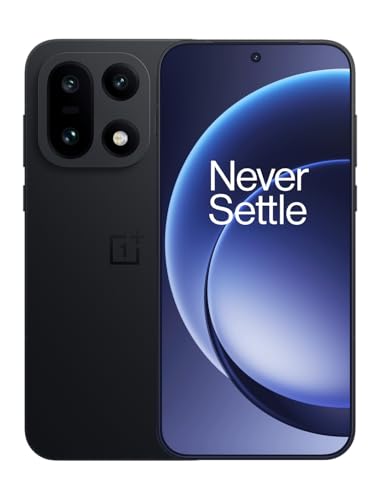


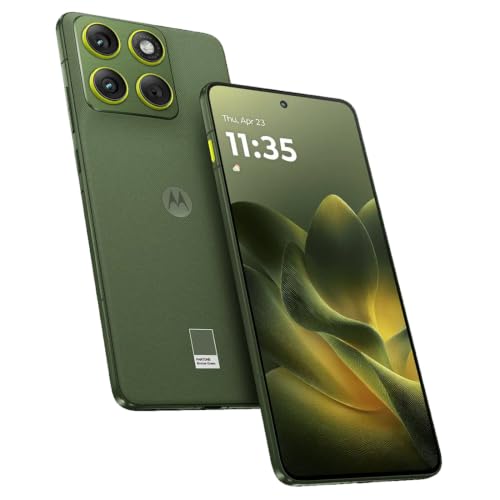


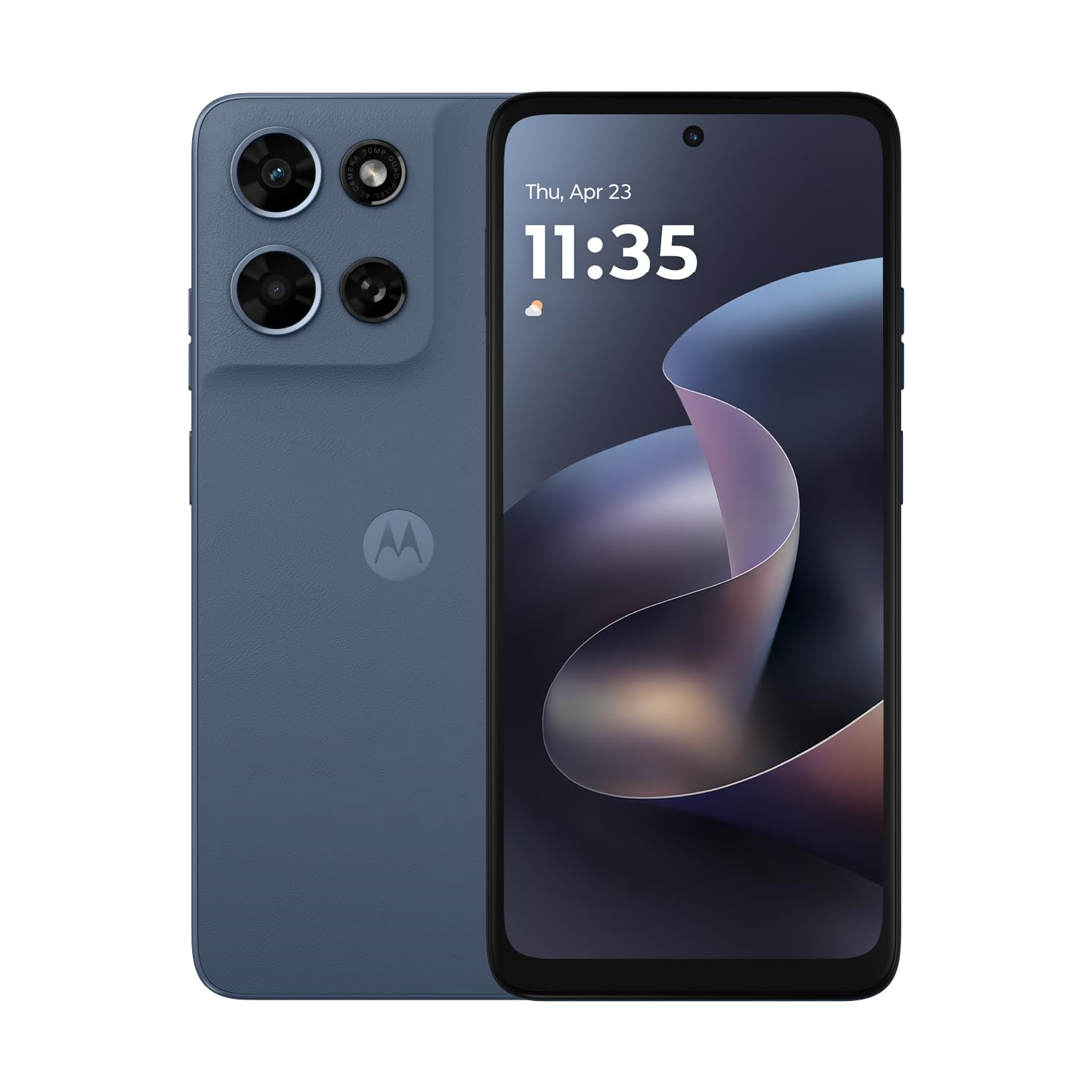
Android Phone Comparison 101: The Basics
A comparison simply means placing two or more phones side by side and judging the same points for each one. You look at the display, storage, cameras, battery, software support, and price, then decide which set of trade offs suits you. No phone wins every category, so a good comparison is about fit rather than a single perfect score.
Android is the operating system that runs on phones from many makers, which is why designs, prices, and features vary so widely. One maker may focus on camera quality while another focuses on battery size or a lower price. Terms like OLED, refresh rate, and IP68 describe the screen, motion smoothness, and water resistance, and the next section explains each one in simple language.
Price tiers help you narrow the field early. Budget phones around $100 to $250 cover calls, messaging, and light apps well. Mid range phones around $250 to $600 usually add a brighter screen, faster charging, and better cameras. Flagship phones above that level add the strongest processors, premium materials, and the longest update promises.
Key Specs Explained in Plain English
Display Size and Quality
The display is what you look at all day, so it deserves real attention. OLED screens show deep blacks and strong contrast, and they usually look better than basic LCD panels in the same price range. A refresh rate of 120Hz makes scrolling and swiping feel smoother than the standard 60Hz, though it can use a little more battery during heavy use.
Size is a comfort choice as much as a spec choice. Screens around 6.1 to 6.4 inches suit one hand use and smaller pockets, while screens around 6.7 inches give more room for video and reading. Brightness matters outdoors, so look for a stated peak brightness figure and, if you can, view the phone in bright light before you commit.
Storage Options
Storage holds your apps, photos, videos, and downloads, and running out of it slows a phone down. For most first time buyers, 128GB is a workable starting point if you stream music and back up photos to the cloud. If you record lots of video, keep games installed, or travel without reliable cloud access, 256GB gives you welcome breathing room.
Some phones accept a microSD card that adds cheap extra space for photos and media files. That slot is less common on premium models, so check for it if you want it. Also note that the system itself uses part of the listed storage, so a 128GB phone offers somewhat less than that for your own files.
Software Updates and Support Window
Software updates bring new features, fix bugs, and patch security risks, so the length of support shapes how long a phone stays safe and pleasant to use. Look for a clear promise stated in years for both system updates and security patches. A longer window means you can keep the phone longer without worrying that banking or work apps will stop supporting it.
Makers differ a lot here. Some flagship lines now promise many years of support, while some budget models may receive only a short window. If you plan to keep a phone for three or four years, treat the update promise as a core buying point, not a footnote, and confirm it for the exact model you are considering.
Camera System
Most phones carry a main camera, an ultrawide camera for group shots and landscapes, and sometimes a telephoto camera for zoom. Megapixel counts alone tell you little, because sensor size and software processing shape the final photo far more. Night mode matters if you often shoot indoors or after dark, since it blends several frames to brighten dark scenes.
For video, look at the stated resolution and whether stabilization is included, since shaky clips are hard to fix later. The front camera matters for video calls and selfies, and a wider front lens helps fit friends into the frame. If photos are your top priority, compare sample photos taken in dim rooms, not only bright outdoor shots supplied by the maker.
Battery Life and Charging Speed
Battery size is listed in mAh, and figures around 4000 to 5000 mAh are common across modern Android phones. A bigger number helps, but screen size, refresh rate, and your 5G use also shape how long a charge lasts. If you are away from outlets all day, favor a larger battery and a power saving mode you can switch on quickly.
Charging speed is listed in watts, and higher wattage refills a battery faster when the phone and charger both support it. Wireless charging adds convenience on a desk or nightstand, though it is usually slower and warmer than a cable. Check whether a charger is included in the box, because some phones ship with only a cable.
Picking the Right Android Phone for Different Uses
Your main use should drive the final choice. If you mostly message, browse, and stream, a mid range phone with a good screen and solid battery is usually plenty. If you play demanding games or edit video on the phone, place processor speed and cooling higher on your list. If you take photos every day, spend more of your budget on the camera system and storage.
Your carrier and coverage also belong in the decision. Check that the phone supports the 5G bands your carrier uses in your area, and consider an unlocked model if you want freedom to switch carriers later. Readers comparing speed focused models can see our guide to the best performing android phones for performance focused criteria, while tighter budgets are covered in our guide to the best inexpensive android phones.
Comparing Two Finalists Side by Side
When two phones from your best android phones comparison remain, list the same five points for each: screen type and brightness, battery size and charging speed, storage tiers, camera coverage, and the stated update window. Mark which phone wins each point, then weigh the points by your daily habits rather than by the count of wins. A phone that wins two points you care about beats one that wins four you will never notice.
Finish by checking the unlocked status, the carrier bands and the return window. A short return period is a reason to compare carefully before ordering, because signal and battery are easiest to judge at home over a few normal days.
Rookie Mistakes to Avoid
- Chasing megapixels alone. A high camera count does not promise better photos, because sensor size and processing matter more for color, detail, and low light results.
- Ignoring the update window. A cheap phone with only a short support window can become a poor value if you must replace it sooner for security reasons.
- Buying too little storage. Filling storage slows updates and app installs, and many phones offer no card slot to fix the problem later.
- Skipping carrier checks. A phone that lacks your carrier bands may connect poorly or miss 5G entirely, even if every other spec looks great.
- Forgetting the case and charger costs. A case, screen protector, and a fast charger can add a real amount to the total, so include them in your budget from the start.
Getting Started: Setup and First Use
When your phone arrives, charge it, connect to WiFi, and sign in with your Google account so contacts, photos, and apps can sync. Transfer data from your old phone using the setup wizard and a cable if offered, since a cable is usually faster and more complete than a wireless transfer. Review each app permission as you open apps for the first time and allow only what each app truly needs.
Fit a case and a screen protector on day one, before the first drop happens. Turn on automatic software updates and automatic backups so your photos and settings stay protected without daily effort. Then set a screen lock with a fingerprint or face unlock plus a strong backup PIN, and store that PIN somewhere safe away from the phone.
Finally, personalize the home screen with the apps and widgets you use daily so the phone feels like yours. Our guide to the best widgets for android phones explains useful options like calendar, weather, and battery widgets in plain terms. Keep the setup simple at first and add tools only when you feel a real need for them.
Android Phone Comparison: Your Questions Answered
Do I need 5G?
Yes, for most buyers in the United States, 5G is worth having because carriers keep expanding 5G coverage and slowing investment in older networks. A 5G phone will still work on 4G where 5G is absent, so there is little downside. If you live in a rural area with weak 5G, strong 4G support and good WiFi calling matter just as much for daily reliability.
How much storage do I need?
Most people should start at 128GB, and keen photographers and gamers should choose 256GB. Video takes the most space, with long 4K clips filling storage far faster than photos or music. If the phone has no card slot, buy one size up from what you think you need, because you cannot add internal storage later and cloud plans add a monthly cost.
Is a mid range phone good enough?
Yes, a mid range phone is good enough for the great majority of daily tasks, including messaging, streaming, navigation, and casual photography. The gaps to flagship models show up mainly in zoom photos, the fastest games, and premium build materials. If you keep phones for two or three years and rarely push the camera hard, the mid range tier usually gives the best value per dollar.
Should I buy unlocked?
Yes, buying unlocked is the safer default if you can pay for the phone outright or through the maker. An unlocked phone works on many carriers, travels better with local SIM or eSIM options, and avoids carrier apps you may not want. Just confirm the model supports your carrier bands and features like WiFi calling before you order.
How many years of updates should a phone get?
Aim for at least three years of security patches, and more if you keep phones for a long time. System updates add features, but security patches protect your accounts and payments every month. If a listing does not state the support window clearly, treat that silence as a warning sign and check the maker support page for the exact model before buying.
Final Thoughts
For a first Android purchase, focus on three things above all else: a screen you enjoy looking at, enough storage for the next few years, and an update window that keeps the phone secure. Match the camera and battery to your real habits rather than to advertising claims. When you are ready, look back at the product table and apply this best android phones comparison checklist to the models in your price range, and you will choose with far more confidence.


