
Best Android Phones Android Authority in 2026: Which Type Is Right for You?
Disclosure: We may earn a commission when you buy through links on this page, at no extra cost to you. As an Amazon Associate I earn from qualifying purchases. Learn more

Compare the best android phones android authority by type, camera, price and updates, so you can choose a style that fits your daily use and budget well.
Shopping lists that mix every price and every style into one long ranking can leave you more confused than when you started. A camera focused type, a mid range type, a budget type, and a flagship type solve different problems, and comparing them as if they were identical leads to overspending or disappointment. Tech review sites such as Android Authority are a popular place to start a phone search, but a ranking only helps once you know which type you need. This guide separates the best android phones android authority style lists into clear types first, so you can find your category and then compare details inside it.
The comparison table below works best after you know your type. Read the type descriptions, note the tradeoffs you accept, and then use the table to check display, storage, and update details. That order keeps price in its proper place, as one factor among several rather than the only factor.
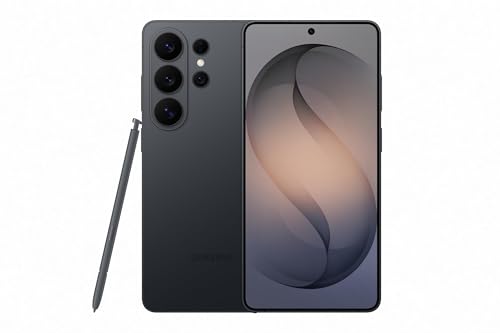

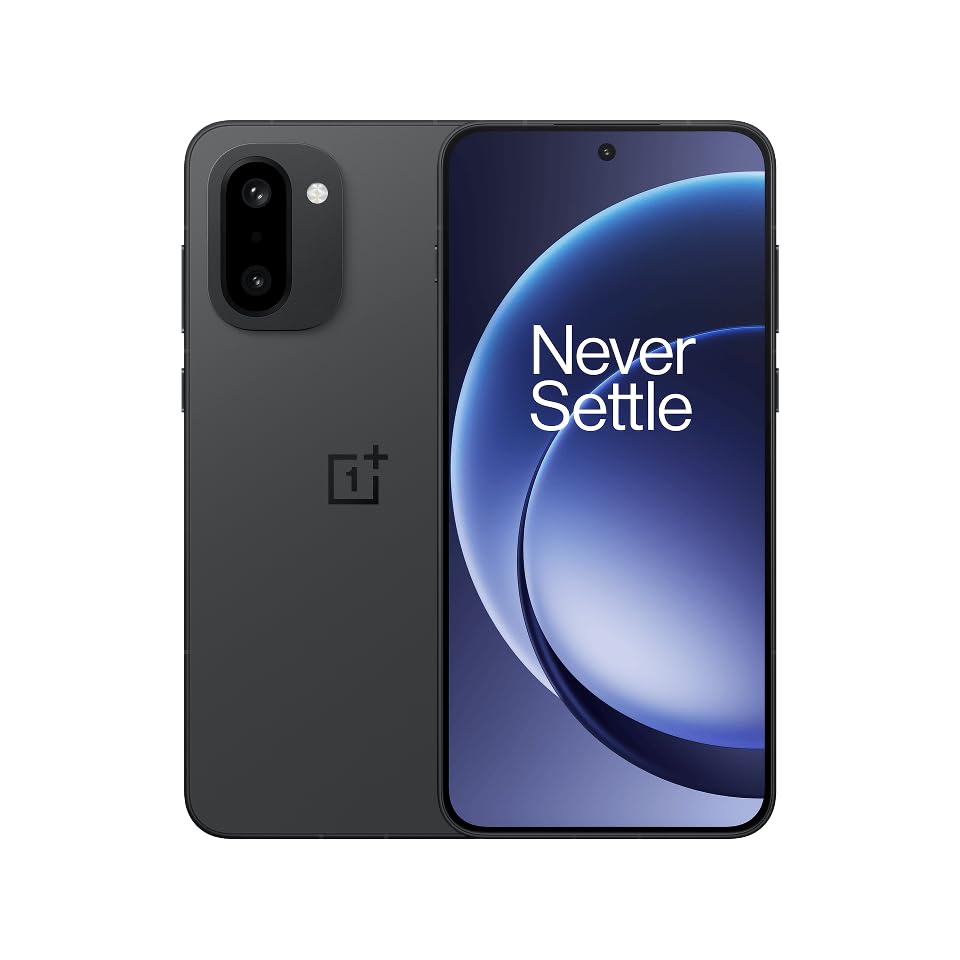

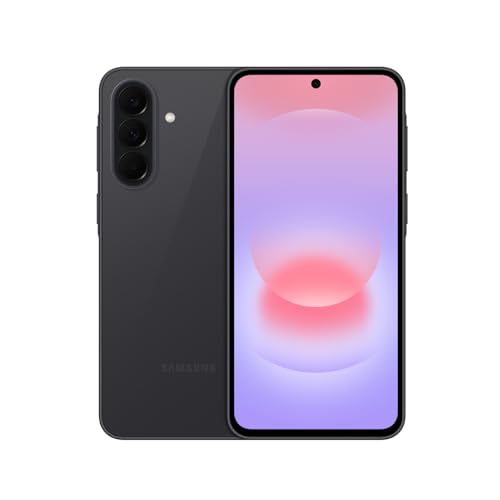
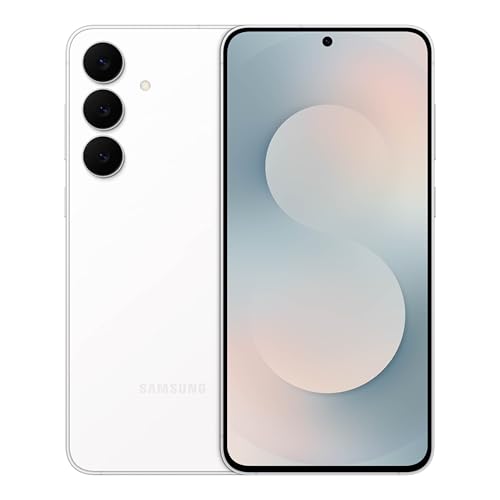
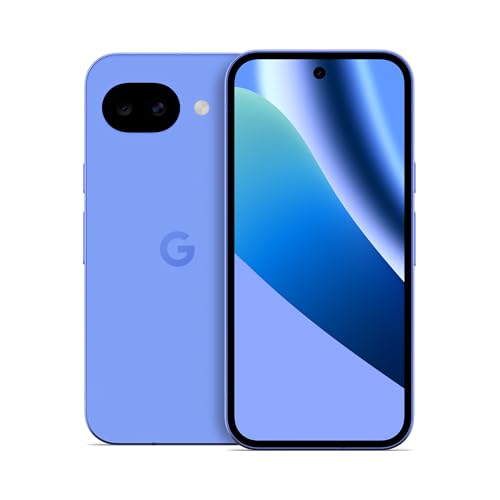
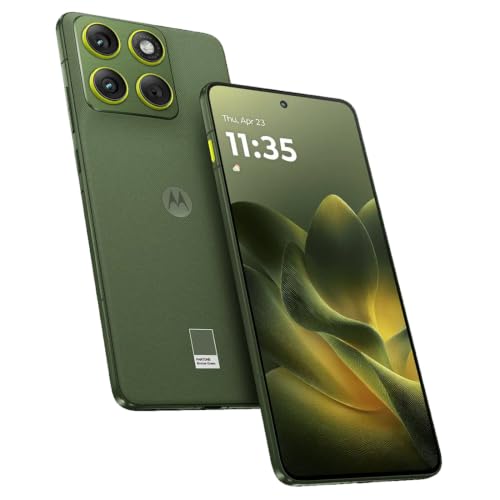

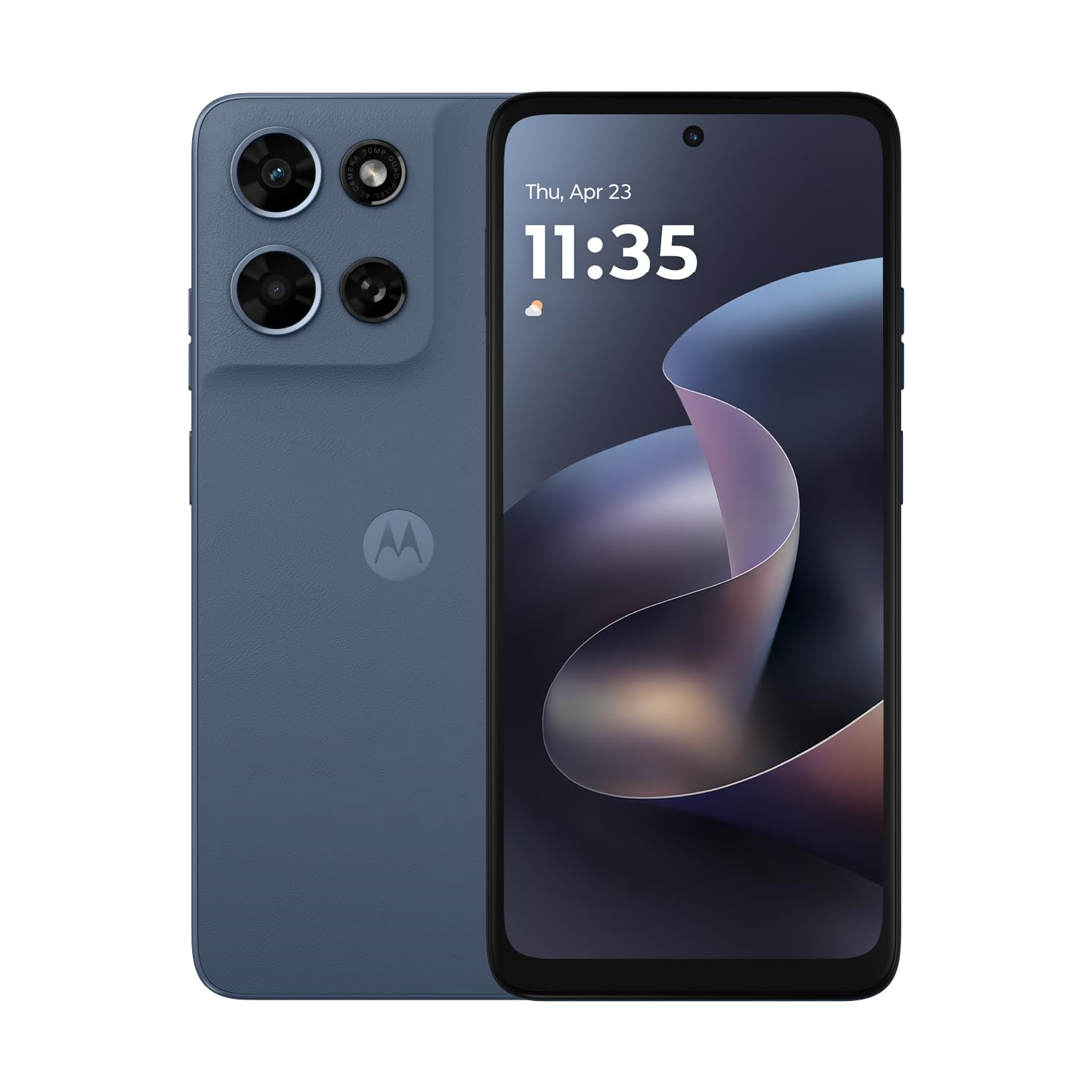
Types of Android Phones Compared
Think of types as starting points, not strict boxes. Many phones borrow traits from a neighboring type, such as a mid range phone with a strong main camera. Still, the category tells you where the maker spent the budget and where savings were made. The four types below cover nearly every buyer, from a student buying a first phone to a creator who records video every day.
Camera Focused Phones
Camera focused phones spend their budget on larger sensors, better lenses, and smarter image processing. Night mode is the clearest benefit, because it combines several frames into one brighter and cleaner photo when light is low. An ultrawide lens helps with groups and landscapes, while a telephoto lens keeps distant subjects sharp without digital cropping. The tradeoff is price and sometimes battery size, since camera hardware takes space and money. Choose this type if photos and video are the main reason you are upgrading and you often shoot indoors or after dark.
Mid Range Phones
Mid range phones aim for balance. You typically get an OLED screen, a capable main camera, 5G, and a battery that lasts a full day, without paying flagship prices of around $800 to $1,200. Performance is strong for messaging, maps, music, social apps, and most games at sensible settings. What you give up is usually the best zoom camera, the fastest charging, or premium materials such as titanium. For many buyers this is the sweet spot, and that balance is why this type satisfies so many people.
Budget Phones
Budget phones focus on the essentials at prices often around $150 to $350. Calls, texts, email, web browsing, and standard video all work well, and battery life can be excellent because the screens and processors are modest. Expect slower performance with heavy games, weaker low light photos, and shorter update windows than pricier types. If you want a clear picture of what careful spending still delivers, explore our guide to the best inexpensive android phones before you decide how low your budget can safely go.
Flagship Phones
Flagship phones combine the fastest processors, the brightest screens, the most complete camera systems, and the longest update promises in one body. Prices often run around $800 to $1,300, and in return you get speed that stays smooth for years, wireless charging, strong water resistance, and premium build materials. If raw speed is your top concern, compare notes with our guide to the best performing android phones to see which performance traits matter beyond headline numbers. Choose a flagship if you keep a phone for four years or more and use it as your main camera and work tool.
Camera Focused Phones vs Mid Range Phones: Which Should You Choose?
These two types overlap the most, so a direct comparison helps. For daylight photos, both do well, and most people will be happy with either at a family event or on a trip. The gap appears at night, indoors, and at a distance, where the camera focused type keeps detail and color that a mid range type often loses. For screen quality, both commonly offer OLED and a 120 Hz refresh rate, so daily scrolling feels similar.
For price, the mid range type usually costs much less, often around $350 to $600, while camera focused types climb higher. For update length, read the fine print for each, because price alone does not guarantee a longer window. Choose the camera focused type if photos are your main hobby or your job. Choose the mid range type if you take good everyday photos but care more about battery, value, and keeping money for storage or accessories.
Best Android Phones Android Authority Style: How to Choose a Type
Once your type is clear, five details decide between close options. Work through them in order, because a failure on an early item, such as carrier support or update length, cannot be fixed by a nicer camera later. Keep notes as you read the product table so your final choice rests on recorded facts rather than first impressions.
Software Updates and Support Window
Count the years of Android version updates and the years of security updates separately, because they rarely end at the same time. A longer security window protects banking, email, and work apps for more years. Also ask how often updates arrive. Monthly security updates are stronger protection than quarterly ones. If you plan to hand the phone down to a family member later, a long window adds real value to that second life as well.
Build, Durability, and Water Resistance
Look for an IP68 rating if the phone will face rain, dust, or kitchen and workshop use. Strong glass helps, but the corners and frame decide how a drop ends, so plan on a case regardless of rating. Check the weight in your hand if possible, because a heavy flagship with a large camera housing can tire your hand during long video calls. Repair access matters too. A type with widely available screens and batteries will cost less to fix in year three.
Storage Options
Choose 128 GB only if your photos live mainly in cloud storage and you stream most music and video. Choose 256 GB if you record video, download shows for travel, or keep large games installed. A microSD slot, when offered, is useful for music and photo archives, but apps usually run best on internal storage. Remember that the system itself uses part of the stated capacity, so a nearly full phone will slow down and block updates sooner than you expect.
Display Size and Quality
An OLED display gives the best contrast for video and reading at night. A 120 Hz refresh rate makes scrolling smoother, and high outdoor brightness keeps maps readable in sunlight. Size should match your hands and pockets. Compact phones suit one hand use and light bags, while large screens suit reading, games, and split screen work. If you wear polarized sunglasses, know that some screens look dimmer through them in portrait view, a small detail worth checking in a store when you can.
Camera System
Judge a camera system by coverage, not by megapixel counts alone. A good main lens handles most photos, an ultrawide lens covers groups and tight rooms, and a telephoto lens matters only if you often shoot from a distance. Night mode quality, video stabilization, and front camera clarity for calls often matter more in daily life than a rare specialty mode. If you record children, pets, or sports, steady video at standard settings is worth more than a high resolution mode you will seldom enable.
Picking an Android Phone When Your Carrier Narrows the List
Carrier choice can narrow your options before features do. Prepaid and value carriers may offer a smaller range of types, different bands, and different update timing than large national carriers. The short section below covers the question readers raise most often in this area.
Android Phones for Prepaid and Value Carriers: Which Type Works Best
For a prepaid or value carrier, start by confirming that the exact version you want is approved for that network and supports its main bands. Mid range and budget types are the usual fit here, because carrier lineups at value prices favor those categories. Prioritize battery life, a clear screen, and a stated update window over camera extras, and buy unlocked when possible so you can change plans later without replacing the phone.
How to Make Your Android Phone Last Longer
Longevity is mostly habit. Use a case and a screen protector from the first day, because one cracked screen can cost more than years of accessories. Keep software updated so security fixes and battery improvements reach you promptly. Avoid charging in extreme heat, and try not to leave the phone at a full charge on a hot charger for many hours every night. Once your phone is set up, small comforts help you keep it longer, and our guide to the best widgets for android phones shows ways to surface the information you check most without opening many apps.
Android Phones: Your Questions Answered
Should I buy unlocked?
Yes, unlocked is usually the better choice. It lets you change carriers, use a local SIM while traveling, and avoid carrier apps you did not choose. Unlocked versions also tend to hold resale value better. Just verify band support for your carrier first, because an unlocked phone that misses a key band in your area will give weak service despite strong specs.
Is a mid range phone good enough?
Yes, for most people a mid range phone is good enough. It covers calls, messages, maps, music, social apps, and good photos in normal light, often with an OLED screen and 5G included. You mainly give up the strongest zoom, the fastest game performance, and some premium materials. If you keep the savings for extra storage or a protection plan, the mid range route often delivers the best overall value over three years of use.
How much storage do I need?
Plan on 128 GB as a minimum and 256 GB if you shoot much video. A useful check is to look at your current phone storage screen and double the space your photos and apps already use, since libraries grow over time. Offline downloads for flights, podcasts, and games add up faster than most people expect. Buying storage at purchase is almost always cheaper than replacing a phone early because it filled up.
Do I need 5G?
Most buyers should choose 5G now. Networks are adding capacity on 5G first, so a 5G phone will hold up better as LTE traffic patterns change in coming years. If you live in a rural area with strong LTE and weak 5G, the practical difference today may be small, but the 5G option still protects your purchase for longer. Check a coverage map for your home and workplace rather than relying on a citywide claim.
How many years of updates should a phone get?
Look for at least four years of security updates, and prefer five or more when offered. Security support is the floor that keeps banking and health apps safe to use. Version updates add features and keep app compatibility strong, but they matter slightly less than security patches. Write the end date of support into your buying notes, because that date, more than launch price, tells you how long the phone can serve as your main device.
Final Thoughts
Choose your type first, then judge updates, storage, and display inside that type. That simple order prevents the most common mistake, which is paying flagship money for needs a mid range phone already meets, or buying a budget phone for camera work it cannot do well. When you revisit the best android phones android authority options in the product table, let your type and your notes lead, and the right choice will usually be clear.


