
Best Android Phones All Time for Every Need in 2026: How to Pick the Right One
Disclosure: We may earn a commission when you buy through links on this page, at no extra cost to you. As an Amazon Associate I earn from qualifying purchases. Learn more

Learn how to choose the best android phones all time by use, display, updates, battery and value, with a clear checklist for every budget and need today.
There is no single phone that fits every person, every budget, and every daily routine. A phone that feels perfect for a photographer can feel wasteful for someone who mostly calls, texts, and reads news. That is why this guide starts with how you actually use a phone, then matches features to that use, so you can judge the best android phones all time by fit rather than by hype or by the longest spec list.
Lists of the best android phones all time lean on phones that earned a lasting reputation rather than the newest release. Models that stay on shortlists for years tend to share long update support, a durable build, and a battery that still holds up, so judge them on those lasting traits.


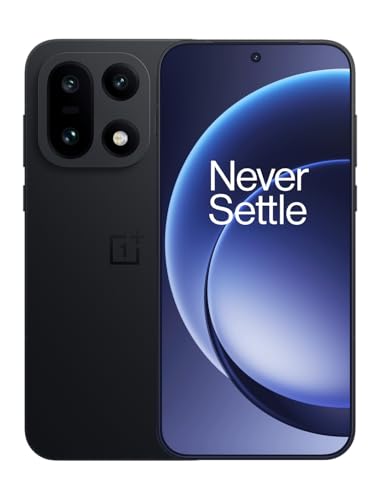
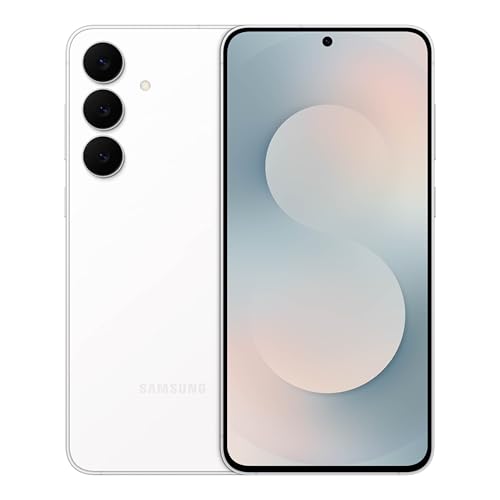


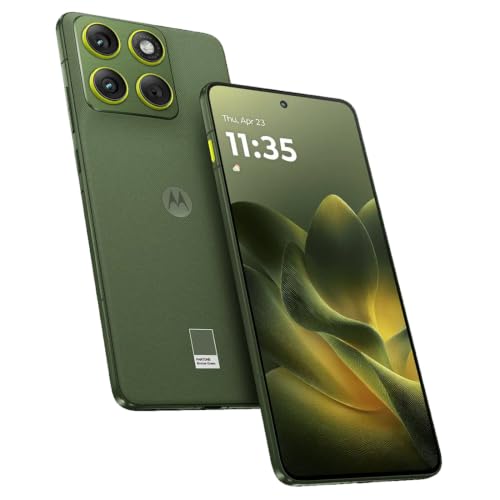
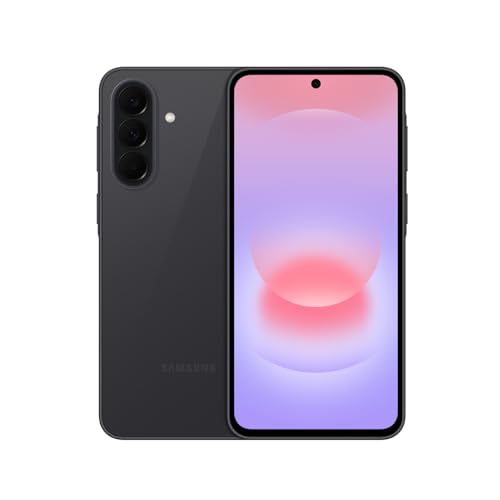

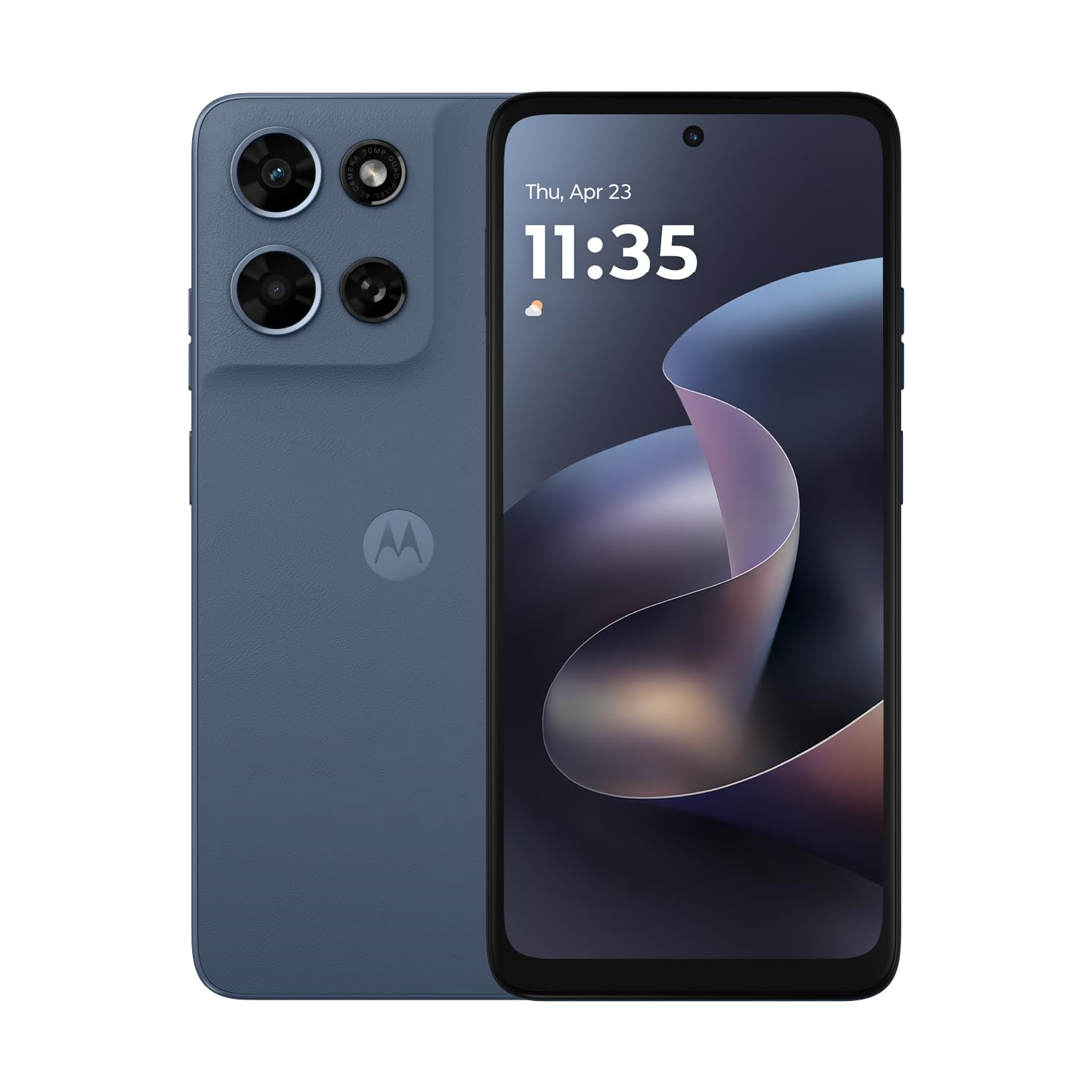
The comparison table below gives you a quick way to compare types side by side once you know what matters to you. Read the sections that match your life first, note two or three must have features, and ignore the rest. A focused short list saves money and usually leads to a phone you will enjoy for years.
Who Should Buy Which Android Phones?
People buy phones for very different reasons, and the right answer changes with those reasons. The groups below describe common needs in plain terms. Find the group that sounds most like you, carry its priorities into the feature section, and use them to read the product table with clear eyes instead of guesswork.
For People Who Want the Best Performance
If you play demanding games, edit video on your phone, or switch between many apps all day, performance deserves real money. Look for a fast processor, generous memory, and strong cooling so speed stays steady after the first few minutes. A bright OLED screen with a 120 Hz refresh rate makes motion look smooth, and fast storage keeps large files moving quickly. You will pay more, but for heavy daily use that speed is the feature you will feel most often.
For First Time Buyers
If this is your first Android phone, simple and reliable beats flashy. Choose a clear screen you can read outdoors, a battery that easily lasts a full day, and a clean software layout without confusing extras. A good fingerprint reader and face unlock save time, and a standard size that fits one hand makes learning easier. Support matters too, so favor types known for steady software updates and easy help if you get stuck during setup.
For Gift Shoppers
A phone given as a gift should work well for someone else, not just for you. Pick a widely liked size, strong battery life, and a camera that takes good photos without special settings, since most gift recipients will not study menus. Unlocked phones are safer gifts because they work with more carriers and are easier to return or exchange. Add a case and a screen protector to the gift, and keep the receipt and warranty papers together for the recipient.
For Value Seekers
Value does not mean the lowest price. It means paying for durability, updates, and battery life while skipping extras you will rarely use. If you want proof that a lower price can still cover the basics well, read our guide to the best inexpensive android phones and note which features those types keep and which they drop. Many value phones now include OLED screens, 5G, and capable main cameras. Spend the savings on storage if you keep a phone for three years or more, because running out of space is a common reason people replace a phone early.
Key Features to Compare
Spec lists can look endless, so focus on the few features that change daily life. Display quality affects every tap, durability affects how long the phone survives, updates affect security and new features, and carrier support decides whether the phone works well where you live. The four topics below give you a practical way to compare any two phones in the product table.
Display Size and Quality
An OLED panel gives deep blacks, strong contrast, and good color for video and photos. A refresh rate of 120 Hz makes scrolling and games look smoother than a standard 60 Hz screen, though it can use a little more battery. Brightness matters most outdoors, so look for a screen that stays readable in sunlight if you walk, travel, or work outside. Size is personal. A large screen helps with maps, reading, and split screen work, while a smaller body is easier to hold, pocket, and use with one hand for long stretches.
Build, Durability, and Water Resistance
Phones face drops, rain, dust, and daily wear, so build quality is not a cosmetic detail. An IP68 rating means the phone is built to resist dust and to survive brief immersion in fresh water under controlled conditions, but it is not a license to swim with it. Strong glass on the front and back helps with scratches and short drops, yet a case still matters. Check whether the frame feels sturdy, whether buttons are covered by most cases, and whether repair parts are easy to find in your area.
Software Updates and Support Window
Software updates keep a phone secure, fix bugs, and sometimes add useful features. Ask two simple questions before you buy. How many years of Android version updates will this type receive, and how many years of security updates will follow after that. A longer window means you can keep the phone longer with less risk, which lowers the true yearly cost. Also check how quickly updates usually arrive, because a promised update that lands many months late is less useful for security.
Carrier Compatibility and 5G
An unlocked phone gives you freedom to change carriers, travel with a local SIM, and avoid extra carrier apps you did not ask for. Before you buy, confirm that the phone supports the main 5G and LTE bands your carrier uses in the United States, especially if you live in a rural area where one missing band can mean weak service. If you travel abroad, check roaming support and whether the phone accepts an eSIM. A phone with great specs but poor signal where you live is the wrong phone, no matter how strong the camera looks.
Common Mistakes to Avoid When Buying Android Phones
Most buying regrets come from a short list of avoidable errors. Read this list before you pay, and check each point against the phone you are about to choose.
- Judging by price alone and ignoring update length, battery life, and repair support.
- Ignoring display size and quality, then struggling with glare outdoors or text that feels too small.
- Buying a body that is too large for your hand or too small for the video and reading you do daily.
- Skipping the warranty terms, return window, and carrier band check until after the phone arrives.
- Paying for camera extras you will never use while cutting the storage you actually need.
Tips to Get the Most From Your Android Phone
Small habits protect your purchase and make the phone nicer to use. Fit a case and a screen protector on day one, before the first scratch has a chance to happen. Keep software updated, since updates carry security fixes as well as new tools, and restart the phone once in a while if it feels slow. Avoid charging in extreme heat, such as on a hot car dashboard, because heat ages a battery faster than normal use does.
Personal touches help you enjoy the phone once the basics are set. If you like changing how the home screen works, explore our guide to the best widgets for android phones for ideas that put weather, calendar, and music controls within one glance. A tidy home screen with only the apps you use daily reduces clutter and helps the battery by cutting needless background activity from apps you forgot you installed.
Security deserves the same early attention as the case. Turn on a strong screen lock, enable device finding tools, and keep backups on so photos and contacts survive a loss. To understand your protection options, see our guide to the best antivirus for android phones and pair that advice with careful app downloads from trusted sources only.
Frequently Asked Questions
How much storage do I need?
Most people should start at 128 GB, and heavy photo and video users should choose 256 GB. Apps, offline music, and message photos grow quietly over time, and a phone that feels roomy in month one can feel tight in year two. If you record a lot of 4K video or download films for travel, extra storage is cheaper at purchase than replacing the phone later because space ran out.
How many years of updates should a phone get?
Aim for at least four years of security updates, and more if you keep phones for a long time. Security updates matter more than new Android versions for daily safety, because they close flaws that attackers can use. If a listing does not state the update window clearly, treat that silence as a warning sign and compare it with a type that publishes its support dates in plain language.
Should I buy unlocked?
Yes, unlocked is the safer default for most buyers. An unlocked phone works with more carriers, is easier to use while traveling, and is usually easier to sell or pass on later. The main caution is band support. Always confirm that the unlocked version supports your carrier network bands before you pay, especially for smaller carriers that rely on a specific set of frequencies in your region.
Do I need 5G?
Most buyers in the United States should choose 5G today. Coverage is now broad in cities and suburbs, and carriers are building new capacity on 5G first, so a 5G phone will age better. That said, strong LTE service is still fine for calls, maps, music, and standard video. If you live where 5G is weak, spend your money on battery life and screen quality instead of paying a premium only for a 5G label.
Is a mid range phone good enough?
Yes, a mid range phone is good enough for most daily tasks. Modern mid range types handle calls, messaging, social apps, maps, music, and good daylight photos without trouble, and many include OLED screens and 5G. You give up mainly the fastest gaming speed, the strongest zoom cameras, and sometimes wireless charging. If those extras are not central to your day, the savings can go toward storage, a case, or a longer service plan.
Final Thoughts
Start with your real routine, then let display quality, update length, and carrier fit guide the choice. Those three factors shape daily satisfaction far more than a long list of minor extras. When you compare the best android phones all time, the right answer is the type that matches your hands, your budget, and your carrier for the next several years. Look again at the product table, check your short list against the groups in this guide, and choose with confidence.


