
Best Android Phone for Audio 2026: Types Compared and How to Choose
Disclosure: We may earn a commission when you buy through links on this page, at no extra cost to you. As an Amazon Associate I earn from qualifying purchases. Learn more

How to choose the best android phone for audio: speaker, wired and wireless types compared by sound path, storage and price.
Two phones can share a chip and still sound very different through their speakers, a headphone jack, or a Bluetooth connection. When you shop for the best android phone for audio, judge the full sound path, from the file or stream to your ears. Use the comparison table below to spot which type fits your listening habits.
Start with where you listen most. Speaker listeners need volume and clarity in a noisy kitchen. Wired listeners need a jack or a clean USB C output, while wireless listeners need the right codec for their earbuds. Readers comparing the best android phones for audio quality soon learn that one strength rarely covers every habit, so this guide separates those needs first.


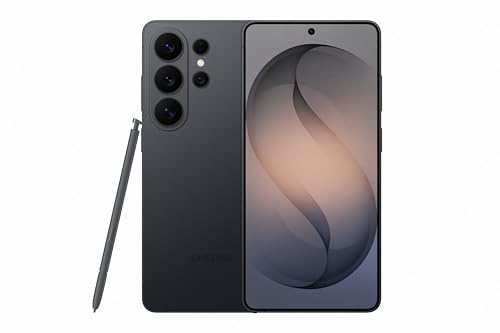

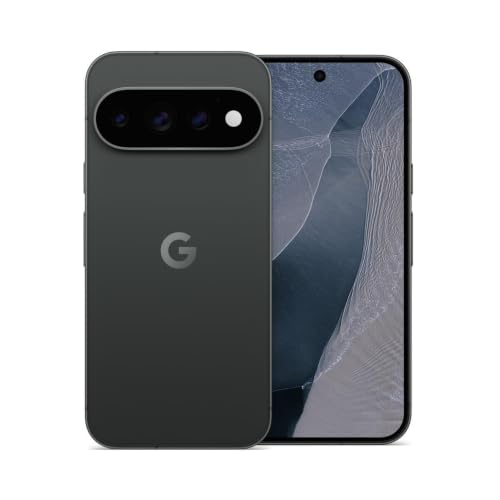

Types of Android Phones for Audio Compared
Phone types differ less in how they play music than in which part of the sound path they do well. Match the type to your main listening habit, then confirm the details below.
Speaker First Phones
These phones put two speakers in the body, often one near the earpiece and one on the bottom edge, so sound comes from both sides in stereo. Voices stay clearer at moderate volume, and video dialogue is easier to follow without earbuds. They suit listeners who watch, game, and play podcasts aloud daily. The limit is size, since small speakers move little air and bass stays thin.
Wired Listening Phones
These phones keep a 3.5 mm headphone jack, so your wired headphones plug straight in with no dongle and no battery to charge. A good internal digital to analog converter keeps quiet passages clean and gives sensitive earphones a stable, low noise output. They suit listeners who own good wired gear or dislike charging one more device. The trade off is choice, since fewer makers still fit a jack.
Wireless Focused Phones
These phones invest in Bluetooth instead, with support for advanced codecs such as LDAC and aptX alongside the basic SBC and AAC found almost everywhere. When your earbuds support the same codec, more musical detail survives the wireless link. They suit commuters and gym listeners who value freedom of movement over a cable. Sound quality depends on both devices matching, and a weak link can still drop in crowded stations.
Budget Phones That Keep the Audio Basics
Budget models, often about $150 to $350, frequently keep two features that flagships drop, namely a headphone jack and a microSD slot for music files. Many use a single bottom speaker, so aloud listening is easier to cover with a hand. If price leads your search, see our guide to the best inexpensive android phones, then check the speaker count before you buy. For private listening with your own headphones, the savings rarely hurt sound.
Speaker First Phones vs Wired Listening Phones: Which Should You Choose?
Choose by where the sound has to travel. Speaker first phones serve a room, so they win for cooking videos, speakerphone calls, and sharing a song with a friend nearby. Wired listening phones serve one listener, and they win on detail, privacy, and steady quality that does not change when a wireless signal gets busy.
Cost points the same way. A speaker first phone needs no extra purchase, while a wired phone may need a new cable over its life. Good wired headphones also resolve more detail than any phone speaker can. If you split your time, pick the wired type and add a small portable speaker for the room, since that pairing covers both settings well.
Key Features to Compare
Work through these five checks in order. The early checks decide whether a candidate for the best android phone for audio can play your music the way you listen to it at all, while the later ones shape daily comfort.
Stereo Speakers, Placement and Tuning
Two speakers in stereo give you a wider sound and clearer voices than one speaker alone, and placement matters as much as count. A bottom speaker is easy to muffle with your palm during games, while a front facing pair points sound at you. Tuning decides whether loud passages stay composed or turn harsh, so value clarity at your normal volume over a claimed maximum. If listening leaves ringing in your ears or speech sounds muffled later, lower the volume and talk with a clinician or a hearing professional about your personal hearing health.
Headphone Jack and Wired Output Quality
A headphone jack removes the dongle from your routine and lets older, still excellent headphones work at once. Where a phone has no jack, its USB C port sends audio through an adapter with its own small converter, so adapter quality shapes what you hear. Output level matters for demanding over ear headphones, which can sound quiet and flat on a weak output. Check that the phone drives your headphones to a comfortable level with headroom to spare.
Bluetooth Codecs and Connection Stability
A codec is the language a phone and a headset use to pass music wirelessly, and both sides must share it. SBC works everywhere, AAC suits many listeners, and LDAC or aptX can carry more detail when your headphones support them and the signal stays strong. Stability matters just as much, because a dropped connection in a busy airport costs more enjoyment than a small codec gain at home. A built in equalizer also helps, letting you trim harsh treble for each headset you pair.
Storage Options for Music Files and Downloads
Lossless music files are large, so a library that feels small on a computer can fill a phone quickly. A base of 128 GB suits streaming listeners who keep a few offline playlists, while collectors should look at 256 GB or a microSD slot where one is offered. The player you choose shapes daily use too, so see our guide to the best audio player for android phones for library handling. Leave free space in reserve for updates and new downloads.
Battery, Display and Everyday Performance
Streaming all day draws steady power, so look for a battery around 4,500 to 5,500 mAh and fast charging for short breaks. An OLED display pairs well with music video, and a refresh rate of 120 Hz keeps scrolling through long playlists smooth. The processor should open large libraries without pauses, so see our guide to the best performing android phones if speed matters alongside sound. A rating of IP68 also helps listeners near sinks, pools, and rainy platforms.
Common Mistakes to Avoid
- Judging speakers by maximum volume alone leaves you with a loud phone whose distortion hides lyrics and dialogue.
- Assuming every USB C adapter sounds the same can leave your good headphones sounding flat and quiet.
- Ignoring whether your earbuds share the phone codec means the detail you paid for never reaches your ears.
- Filling the storage with lossless files and leaving no free space makes app updates fail and downloads stall.
- Buying a phone for camera strength and assuming audio follows can crowd out the jack and speakers you wanted.
Care and Maintenance Tips for an Android Phone Used for Audio
Keep the sound paths clean. Blow lint gently from the headphone jack and USB C port, wipe speaker openings with a dry soft brush, and use a case and a screen protector against drops. Keep software updated, because audio fixes and codec support often arrive inside system updates.
Protect the battery that your listening depends on. Avoid charging in extreme heat, such as on a sunny car seat, since heat ages a battery faster than normal use. Store downloaded music in a second place, such as a computer, so a lost phone does not take your only copy of rare recordings.
FAQ
What features matter most in an Android phone bought for audio quality?
The features that matter most are the ones on your own sound path, namely speakers, jack or Bluetooth codec, and storage. Start there, then look at finer volume steps, because small steps make it easier to land on a level that feels right with sensitive earphones. A phone that nails your path still serves you better than a balanced phone that serves no path well.
Do you need 5G on an Android phone used mainly for audio streaming?
No, you do not need 5G for audio streaming, because music uses far less data than video and plays well on older networks. 5G helps when you download a large playlist in a hurry at a station. Where coverage is patchy, a phone that holds a weaker signal without repeated drops matters more than peak speed.
How much storage does an Android phone need for a large music library?
An Android phone needs about 256 GB when a large library lives on the device in lossless form. One lossless album often takes about 300 to 500 MB, so a few hundred albums can pass 100 GB on their own. Keep a backup copy elsewhere, since ripping a collection again costs far more time than extra storage costs money.
Should you buy an unlocked Android phone for audio listening and travel?
Yes, an unlocked Android phone is the safer buy for most listeners, because it works with any carrier and accepts a local SIM when you travel. Unlocked models also tend to carry fewer carrier added apps competing for storage with your music. Check band support for the countries you visit, since losing service abroad also loses your streaming.
Is a mid range Android phone good enough for high quality audio?
Yes, a mid range Android phone is good enough for high quality audio for most listeners. The money you save often comes from cameras and frame materials rather than from the sound path, and many mid range models keep a jack and a card slot that flagships omit. Spend the difference on better headphones, which change what you hear far more.
Final Thoughts
Match the phone type to your main listening habit first, then confirm the speakers, the jack or codec support, and the storage before you compare anything else. Use the product table above to check those points against price, and remember that your headphones set the ceiling for what any phone can deliver.
Chosen that way, the best android phone for audio is simply the one whose sound path fits your day, at home, at work, and on the move.


