
Best Android Mobile Phones: Buying Guide for 2026
Disclosure: We may earn a commission when you buy through links on this page, at no extra cost to you. As an Amazon Associate I earn from qualifying purchases. Learn more

Compare the best android mobile phones by screen, battery, storage, and update support, with clear price bands for budget, mid range, and flagship buyers.
A new phone has to fit your hands, your habits, and your budget all at once, and the Android shelf is wide enough to make that choice confusing. This guide walks through the best android mobile phones by the factors that shape daily use, starting with the screen, then battery life, performance, storage, and software support. You will see what each price band buys and which type suits which user. The comparison table below lines the main options up side by side so you can compare them at a glance.
No single phone wins at everything, so start with the factors you feel every day and let the rest follow.


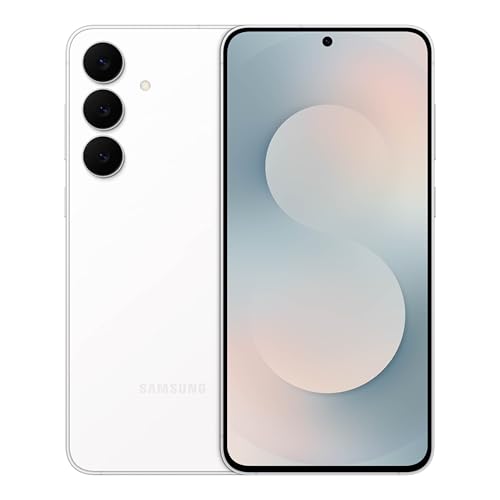

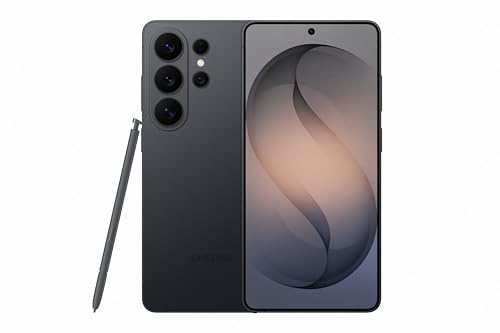

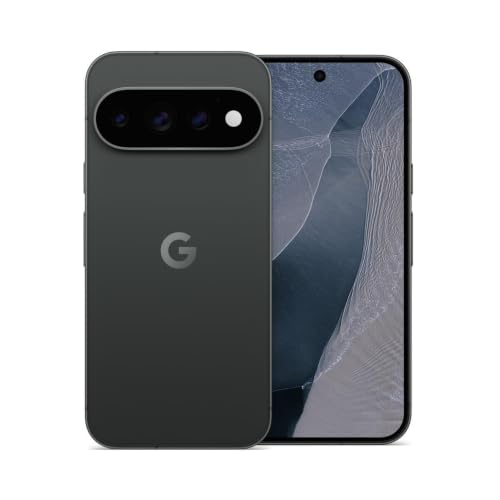

Who Should Buy Which Android Phone?
The right phone depends less on the spec sheet and more on how your day actually looks. These three user groups cover most buyers.
Light Users Who Mostly Call, Text, and Browse
Calls, messages, email, and light browsing place modest demands on a phone, so a budget model with a bright screen and a large battery serves this group well. Big, clear text and loud speakers matter more here than camera tricks. Many light users buy through a prepaid carrier shelf, and our guide to the best boost mobile android phones covers that carrier route in detail. A phone in this class costs about $100 to $250 and stays pleasant to use for years.
Everyday Users Who Want One Phone for Everything
Most people live here: photos of family, maps on the road, banking, streaming, and a long list of apps. A mid range phone with a good OLED screen, at least 128 GB of storage, and five or more years of security updates balances price and staying power. Expect to pay about $300 to $600 for this class. Shoppers who like to follow fresh releases can browse the best new android mobile phones to see what the current wave adds.
Heavy Users Who Game and Shoot Lots of Video
Long gaming sessions and lots of 4K video push the processor, the cooling, and the battery harder than any other use. This group should look at flagship class chips, 256 GB of storage or more, and fast wired charging. Our roundup of the best performing android phones focuses on that top speed shelf. Prices here run about $700 to $1,200, and the extra money buys speed headroom and better cameras in dim light.
How to Choose: Key Features to Compare
When you compare the best android mobile phones side by side, work through these six factors in order. The early ones shape every hour you spend with the phone, so they deserve more weight than the camera count on the box.
Display Size and Quality
The screen governs how a phone feels, and its size class decides both comfort and pocket fit. Screens around 6.1 to 6.5 inches suit one handed use, while screens around 6.7 to 6.9 inches give video and reading more room at the cost of reach. OLED panels show deeper blacks and sip power on dark screens compared with LCD panels. A refresh rate of 120 Hz makes scrolling look smoother than the older 60 Hz standard, and strong outdoor brightness matters if you read maps in sunlight.
Battery Life and Charging Speed
Read battery size as a day class, not a contest number. A battery around 5,000 mAh carries most users through one full day, and heavy users should treat that figure as the floor rather than the goal. Charging speed changes habits, since a phone that refills most of its battery in about 30 minutes forgives a forgotten overnight charge. Wireless charging adds desk convenience, though it runs slower and warmer than a cable.
Processor and Everyday Performance
The processor decides how fast apps open and how well games hold their frame rate. Everyday users do fine on a mid range chip with 8 GB of RAM, while gamers should step up to a flagship chip with 12 GB or more. If gaming is your main hobby, our guide to the best games for android mobile phones shows which titles push hardware hardest. A stronger chip also ages better, because new apps assume more power each year.
Storage Options
Storage fills up with photos, videos, and app data faster than most buyers expect. Treat 128 GB as the sensible minimum, and 256 GB as the safer choice if you shoot video or keep the phone for four years or more. Some phones accept a microSD card for cheap extra room, but many flagships skip the slot, so check before you buy. Cloud storage can offload photos, though it needs a subscription and a connection.
Build, Durability, and Water Resistance
Glass fronts and backs look premium but crack more easily than plastic, so a case is cheap insurance for either. An IP68 rating means the phone can survive a dunk in shallow water for a short time, while IP64 covers splashes only. Stronger cover glass resists scratches from keys and grit in a pocket. A phone you keep longer needs a build that tolerates daily knocks, so durability is a money feature, not a luxury.
Software Updates and Support Window
The update window is the number of years a maker promises system upgrades and security patches, and it sets the safe life of the phone. Leading makers now promise up to seven years on flagships, while budget phones may stop after two or three. Security patches matter most, because they close holes that criminals actively use.
Our guide to the best mobile security for android phones explains how updates, locks, and habits work together to keep accounts safe, so buy the longest window your budget allows.
Types of Android Phones
Every Android phone falls into one of three broad types, and the type predicts the compromises better than any single spec.
Budget Phones
Budget phones cost about $100 to $300 and cover the basics well: a decent screen, a large battery, and cameras that shine in daylight. They give up speed, low light photo quality, and update length. They suit light users and anyone who wants a spare.
Mid Range Phones
Mid range phones cost about $300 to $600 and borrow most flagship features, including OLED screens and capable main cameras. The main gaps show up in zoom cameras, charging speed, and processor headroom. For most buyers this type delivers the best balance of price and daily satisfaction.
Flagship Phones
Flagship phones cost about $700 and up and lead with the strongest processors, the best camera sets, and the longest update promises. They also carry the highest repair costs. Choose this type if you keep a phone for five years or more, game heavily, or rely on the camera for work.
Setup and Care Tips
A few habits stretch the useful life of any phone, whatever you paid for it.
- Fit a case and a screen protector on day one, because most cracked screens happen in the first month of ownership.
- Turn on automatic updates so security patches install without you having to remember them.
- Keep the phone out of hot cars and never charge it under a pillow, since heat ages the battery faster than normal use.
- Back up photos to a computer or a cloud account every month, so a lost phone does not take your memories with it.
- Charge with the cable and adapter the maker recommends, or a certified match, to protect the battery and the charging speed.
Android Phones: Questions Answered
How much storage does an Android phone need for photos and apps?
Most people should start at 128 GB, and 256 GB is safer if you record video often. Photos take only a few megabytes each, but one minute of 4K video can use about 400 MB, so video habits decide the answer more than photo counts. Check your current phone in the storage settings before you buy: if you already use more than 100 GB, step up a size. Large games can also pass 10 GB each after updates and added content.
Is a mid range Android phone good enough for everyday use?
Yes, for calls, messaging, maps, streaming, and social apps, a mid range phone feels just as smooth as a flagship in daily use. The gaps appear at the edges: zoom photos look softer, games may lower their graphics settings, and the phone may feel slower a year sooner. If you replace your phone every three years or so, mid range value is hard to beat. Buyers who shoot lots of indoor photos of kids or pets gain the most from stepping up.
Should I buy an unlocked Android phone or a carrier phone?
An unlocked phone works on any compatible carrier, so you can switch plans or travel with a local SIM without asking permission. Carrier phones often cost less up front but spread the price across a contract and may stay locked until paid off. Check that an unlocked phone supports your carrier bands before ordering. If you plan to hand the phone to a family member later, unlocked models are easier to pass on and usually resell for more.
Does an Android phone need 5G?
Most buyers do not need to shop by 5G, because coverage and speed vary so much by street and by carrier. In cities with strong 5G, downloads and hotspot sessions feel quicker, while rural areas may see little difference from 4G for years. Nearly every new Android phone now includes 5G anyway, so treat it as a bonus rather than a deciding factor. Battery use rises slightly on weak 5G signals, one more reason coverage quality matters more than the logo on the box.
How many years of software updates should an Android phone get?
Aim for at least four years of security updates, and treat anything shorter as a reason to pay less. Before buying, look up the update policy the maker publishes for that exact price class, because the same brand often promises seven years on flagships and only two or three on its cheapest phones. Monthly patches protect better than quarterly ones. When updates end, banking and work apps may still run, but the safe move is to plan your next phone before that date arrives.
Final Thoughts
Start with the screen and the update window, then match battery and storage to your day. The product table above gathers the current options, so compare your shortlist there before you order. Whichever band you choose, the best android mobile phones for you are the ones whose strengths land on the tasks you repeat every day. Prices and availability can change, so check the product page before ordering.


