Best Amphibious Hiking Shoes by Budget: Smart Choices for 2026
Disclosure: We may earn a commission when you buy through links on this page, at no extra cost to you. As an Amazon Associate I earn from qualifying purchases. Learn more

Learn how to choose the best amphibious hiking shoes by budget, with drainage, grip and fit guidance for creek crossings, wet trails and warm hikes.
Prices for water ready hiking shoes span a wide range, and the price tag alone tells you little about drainage, grip, or durability. Pay too little and you may get slow drying mesh and a sole that skates on wet rock. Pay too much and you may fund features your trails never ask for.
This guide shows what the best amphibious hiking shoes deliver at each budget level, which upgrades earn their cost, and which ones you can safely skip. You will find fit and traction advice you can use in any store, and you can compare options in the comparison table below.


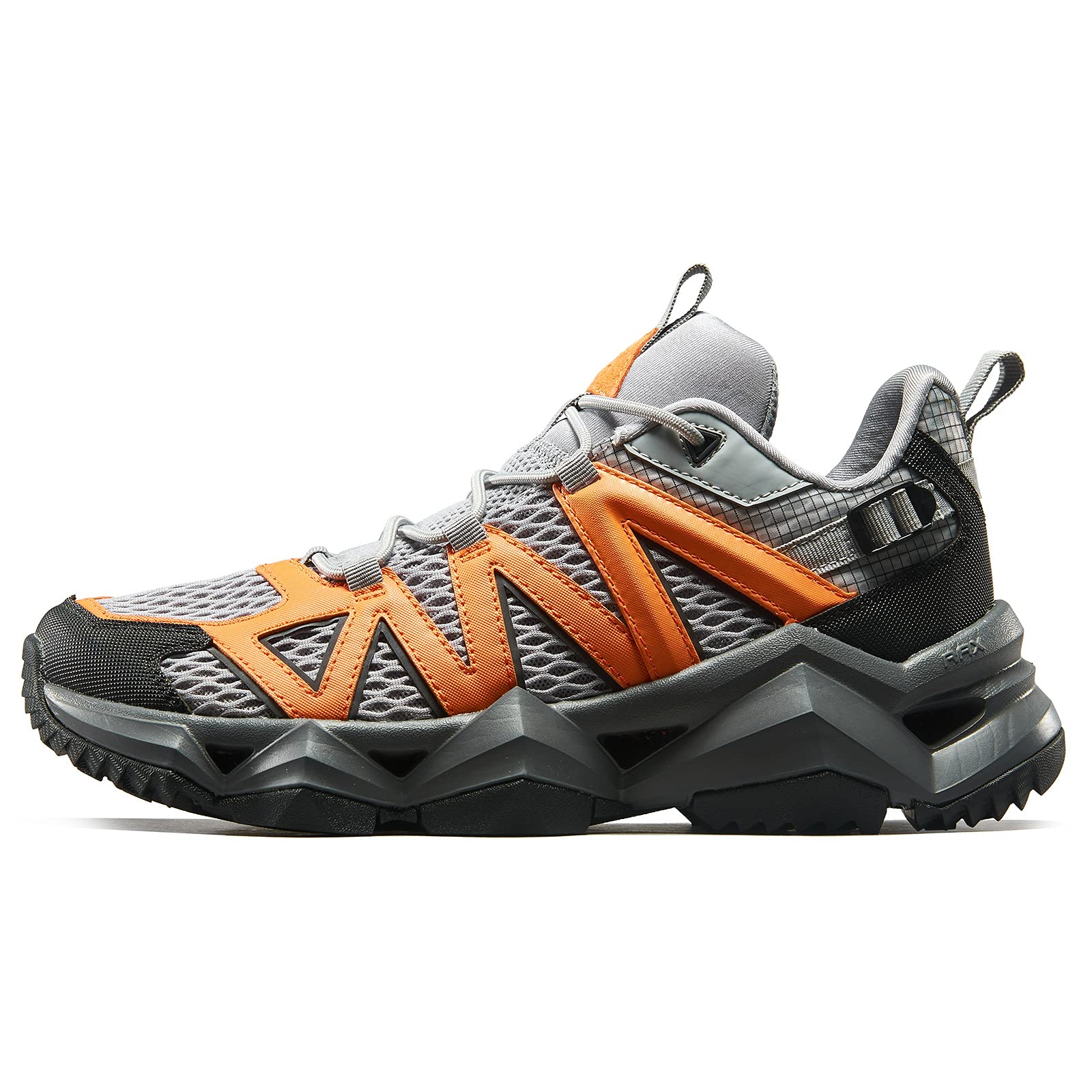
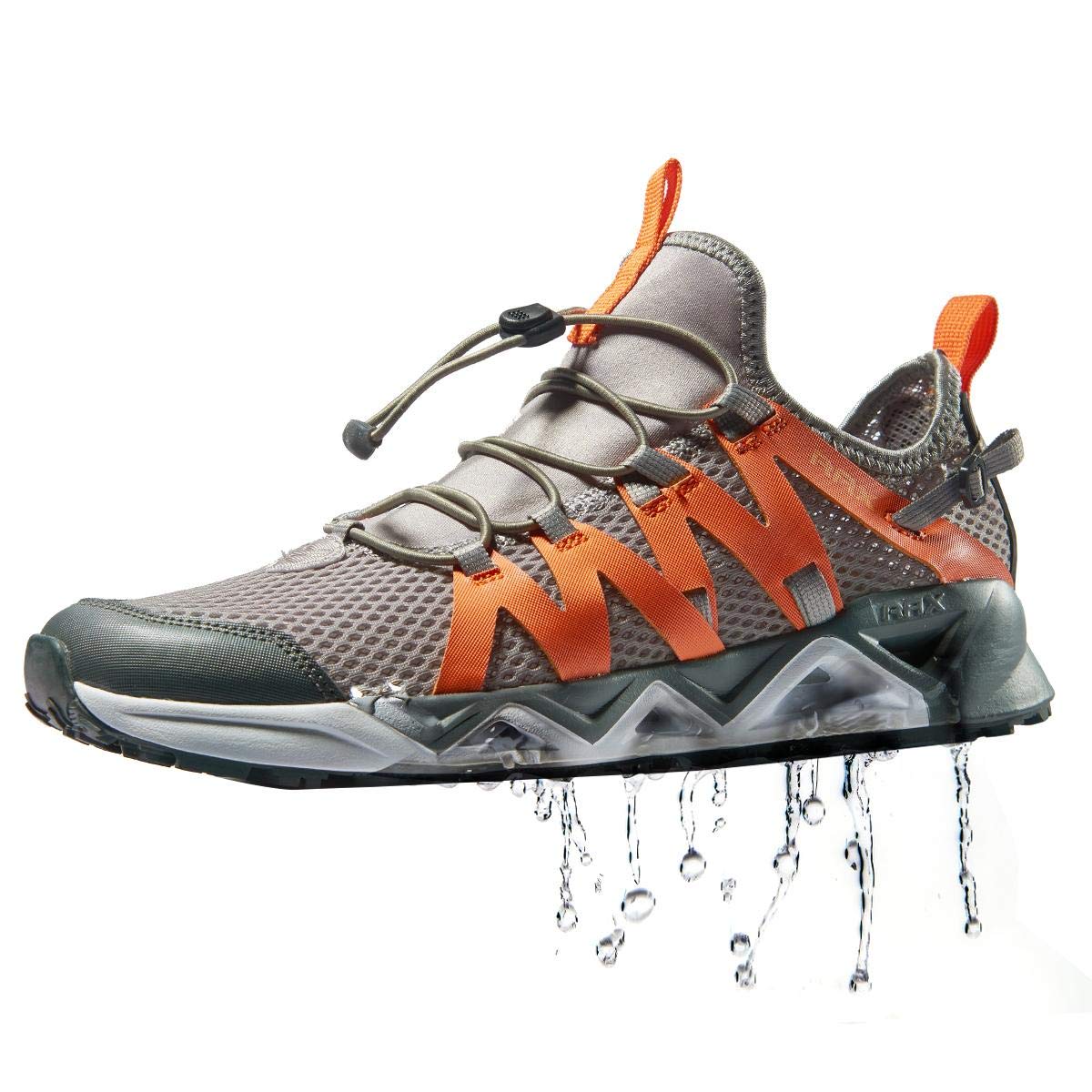


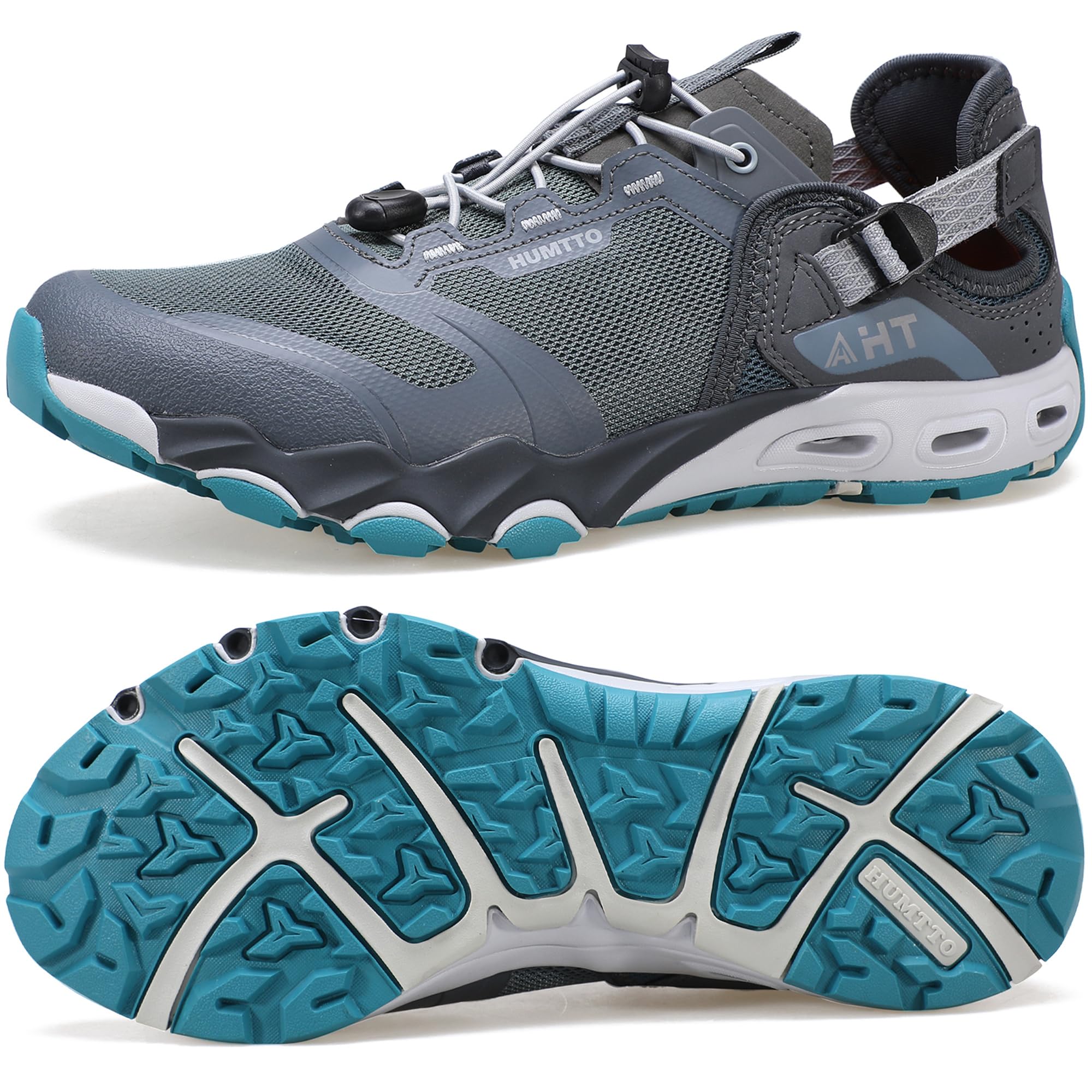

How to Judge Value by Budget
Budget Tier: What a Careful Buyer Should Demand
A budget shoe can serve you well for warm weather day hikes with shallow crossings if it covers the basics honestly. Demand real drainage ports or open mesh that lets water escape, a sole with visible lugs and siping cuts for wet grip, and a secure lacing system that keeps your heel seated when the shoe is soaked and heavier than dry.
Expect simpler foam cushioning and thinner uppers at this level. Those trade offs are fine for short trails and camp use, but plan on faster wear if you hike rocky routes weekly. If budget is tight, spend your care on fit: a budget shoe that fits perfectly will outperform a costly shoe that lets your foot slide and blister.
Midrange Tier: What Most Hikers Should Look For
The midrange is where most buyers get the best balance of grip, comfort, and lifespan. Look for a grippier rubber compound, a shaped footbed that still drains, and an upper that mixes quick drying mesh with protective overlays at the toe and sides. Cushioning usually improves here, which your knees will notice on descents after a long wet day.
You also tend to get better sizing consistency and a wider choice of widths in this tier. For hikers who cross creeks most weekends, that mix is worth the step up. If you also hike dry trails in the same shoes, see our broader guide to the best hiking shoes for how water models compare with trail shoes.
Premium Tier: What Extra Money Should Prove
Premium money should buy proof, not promises: a proven grippy outsole, a durable upper that shrugs off sharp rock, and cushioning that still feels supportive after many wet miles. Some premium models add a more precise fit system and stronger toe protection for technical canyon routes where you climb, wade, and scramble in the same hour.
Skip premium pricing if your hikes are flat, short, and sandy. In that setting the extra structure adds weight you carry for no gain. Premium value appears on long, rough, wet routes where cheaper shoes flex too much, drain slowly, or wear smooth in a single season of hard use.
What Your Money Gets You at Each Price Tier
Budget Tier: What to Expect
Around $50 to $80 is a common budget band for this category. Expect basic drainage, decent flat water grip, and uppers that dry overnight in warm air but stay damp in cool weather. Soles tend to use a general rubber that works on wet pavement and easy trails yet feels less secure on slick stone.
This tier suits occasional hikers, travelers who need a packable water shoe, and anyone testing whether amphibious footwear fits their routine. Treat the purchase as a season or two tool, and inspect laces and sole edges often, because small failures show up sooner at this price.
Midrange Tier: The Sweet Spot for Most Buyers
Around $80 to $130 is where drainage design, rubber quality, and comfort usually come together. Uppers drain in minutes rather than sloshing for a mile, footbeds resist odor better, and outsoles hold an edge on wet roots and rock. Most hikers who go out weekly will feel this tier as money well spent.
You also gain versatility. A good midrange shoe handles a dry approach, a creek section, and a wet exit without feeling like a compromise at any stage. For shoppers comparing water specific designs more broadly, our guide to the best amphibious shoes covers sandals and closed toe styles beyond hiking use.
Premium Tier: When Spending More Pays Off
Above around $130, spending more pays off when it buys durability and grip you can verify: branded performance rubber, reinforced uppers, and stable support under a loaded pack. Canyon guides, frequent travelers to wet climates, and hikers with past ankle trouble often value that security enough to pay for it.
It pays off less when the upgrade is mostly style or marginal weight savings. Weigh the shoe in hand if you can, because a heavy premium shoe drains your energy on dry miles. The right premium buy feels protective in water and calm on land, not just impressive on a spec sheet.
Features Worth Paying For and Ones to Skip
Fit, Sizing, and Toe Box
Fit decides more hikes than any feature list. Measure and try shoes late in the day, when feet are at their largest, and wear the socks you plan to hike in. Your toes need room to spread on descents and when feet swell in heat, while your heel should stay put as you step out of water onto a bank.
A roomy toe box helps in this category because wet feet slide forward more easily. If you are between sizes, the slightly larger size with a firm lacing lock usually wins. Walk down an incline in the store if one is available, and stop if your toes press the front with each step.
Outsole Traction and Terrain
Traction on wet surfaces comes from rubber compound, lug shape, and siping, the small cuts that channel water away. Shallow closely spaced lugs with many edges suit slick rock and boat ramps, while deeper lugs bite better in mud between crossings. Think about which surface you meet most and choose the pattern for that surface.
Named performance rubbers can be worth paying for if you hike on polished stone or algae covered rock often. On sandy or gravelly trails, a standard sole is usually enough. Press your thumb into the sole in store: a sole that feels slightly soft and tacky usually grips wet surfaces better than a hard glossy one.
Cushioning and Support
Cushioning protects you on rocky dry sections between water, where amphibious shoes often feel thinner than trail shoes. Look for a midsole that feels firm and springy rather than soft and vague, plus enough stack height to keep sharp stones from bruising your forefoot on long days.
Support also comes from heel to toe drop and torsional stiffness. A moderate drop suits most hikers, while very flat shoes can strain calves on climbs. Twist the shoe gently in your hands: some flex at the forefoot is healthy, but the midfoot should resist twisting so your ankle stays stable on uneven wet ground.
Break In Period and Comfort Out of the Box
Most amphibious shoes need only a short break in period because their uppers are soft and flexible. Still, wear a new pair on two or three short walks before a big hike, including one walk where you soak them on purpose. That test reveals rub points that only appear when materials are wet and heavier.
Comfort out of the box matters more here than with leather boots, because drainage mesh and drainage holes can create pressure spots. Check where ports and seams sit against your foot. A shoe that feels fine dry but rubs wet is a blister plan, so use your return window honestly after a wet test walk.
Weight and Flexibility
Light shoes feel wonderful on warm trails and pack easily for travel, and they usually drain and dry faster too. The trade off is protection: very light uppers and thin soles transmit sharp rock and offer less support under a heavy pack. Match weight to your load and terrain rather than chasing the lightest number.
Flexibility helps your foot work naturally in shallow water and on smooth rock, where a stiff shoe can feel clumsy. For rough canyon travel, a bit more structure earns its weight. If you mostly hike dry trails with rare crossings, our guide to the best waterproof hiking shoes explains when keeping water out beats letting it drain.
Long Term Costs to Factor In
The shoe price is only the first cost. Budget for thin quick drying socks, which protect skin far better than cotton in wet shoes, and for replacement laces once the originals fray. Drainage shoes also wear faster on abrasive rock, so frequent hikers should expect a shorter life than a dry trail shoe and plan the replacement cost into the season.
Care extends that life at almost no cost. Rinse grit out after each wet hike, pull the footbeds out so air can reach the inside, and dry shoes in shade with moving air rather than direct heat. Check sole wear before big trips: smooth worn lugs on wet rock are a fall risk, and no savings justify that risk.
FAQs
How often should I replace my amphibious hiking shoes?
Replace them when lugs look smooth, the midsole feels flat and harsh, or the upper tears near drainage ports. For many hikers that point arrives after about 300 to 500 miles, sooner on sharp rock. A simple home check is the wet tile test: if the shoe slides easily on a wet smooth floor at a shallow angle, grip is fading.
How should amphibious hiking shoes fit?
They should fit snug at the heel and midfoot with clear space in front of your toes, about a thumb width while standing. Feet swell and slide more when wet, so a fit that feels perfect in a dry store can turn tight or sloppy on trail. Always test fit late in the day and with your hiking socks on.
Do I need waterproof shoes for wet trails?
No, and for full immersion waterproof shoes are often the worse choice. Once water flows over the top, a waterproof lining traps it inside and the shoe stays heavy for miles. Amphibious designs accept water and release it fast through drainage. Choose waterproof models for cold rain and shallow puddles, and amphibious models when crossings reach your ankles or higher.
Are expensive amphibious hiking shoes worth it?
They are worth it when the extra cost buys verified grip, stronger uppers, and support that lasts a full season of rough wet trails. They are not worth it for flat sandy walks where a basic shoe drains just as well. A practical test is cost per hike: if you go weekly, premium durability often costs less over time than replacing budget shoes twice.
How long is the break in period for amphibious hiking shoes?
Most pairs feel trail ready after two or three short walks, often within a week of regular use. Mesh uppers soften quickly, but drainage ports and seams need one wet outing to reveal rub spots. If a shoe still creates a hot spot after three outings, exchange it rather than hoping distance will fix a shape that fights your foot.
Can I wear amphibious hiking shoes all day?
Yes, you can wear them all day if the cushioning suits your feet and the day mixes wet and dry ground. For a fully dry long day, a standard trail shoe may feel more supportive by evening. Shoppers comparing fit by wearer can also see our guides to the best ladies hiking shoes and the best hiking shoes for men for sizing notes.
Final Thoughts
Buy drainage and wet grip first, then fit, then durability for your terrain. Most hikers land happily in the midrange tier, while budget shoes serve light use and premium shoes earn their price on rough wet routes. Check the product table above to compare the best amphibious hiking shoes for your budget, and do one wet test walk before your first big trail day.