Best And Worst Mattresses: Every Type Explained Side by Side for 2026
Disclosure: We may earn a commission when you buy through links on this page, at no extra cost to you. As an Amazon Associate I earn from qualifying purchases. Learn more

Compare the best and worst mattresses by type with this guide to firmness, cooling, support, motion control, and value for your sleep style.
Mattress shopping feels confusing because every type claims better sleep, yet the right choice depends on your body, your sleep position, and whether you sleep hot. A soft foam bed that delights a side sleeper can leave a heavier back sleeper sore by morning. Sorting the best and worst mattresses is really about matching materials and firmness to the person, not chasing a single winner for everyone.
This guide compares the main material types side by side, explains the certifications and features that matter, and shows how to use a sleep trial well. Start with the comparison table below, then read the type that fits your sleep style most closely.
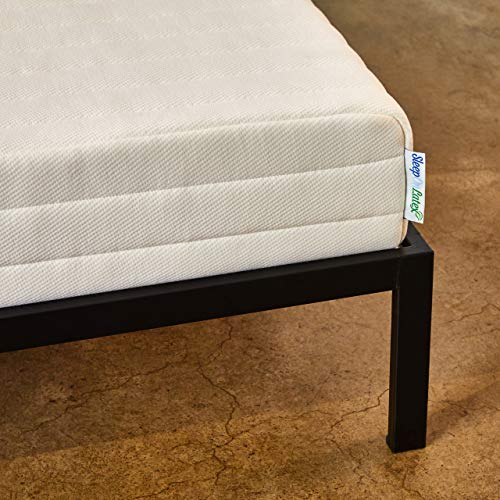
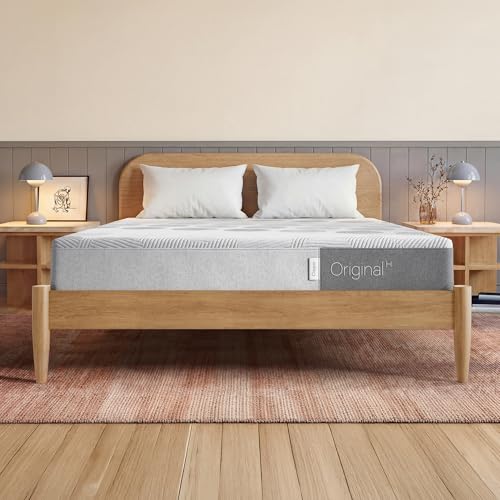
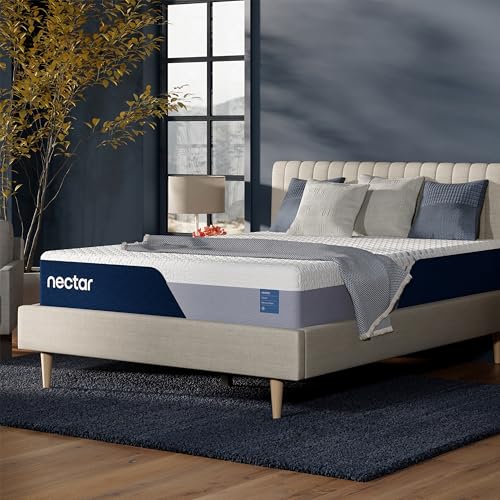
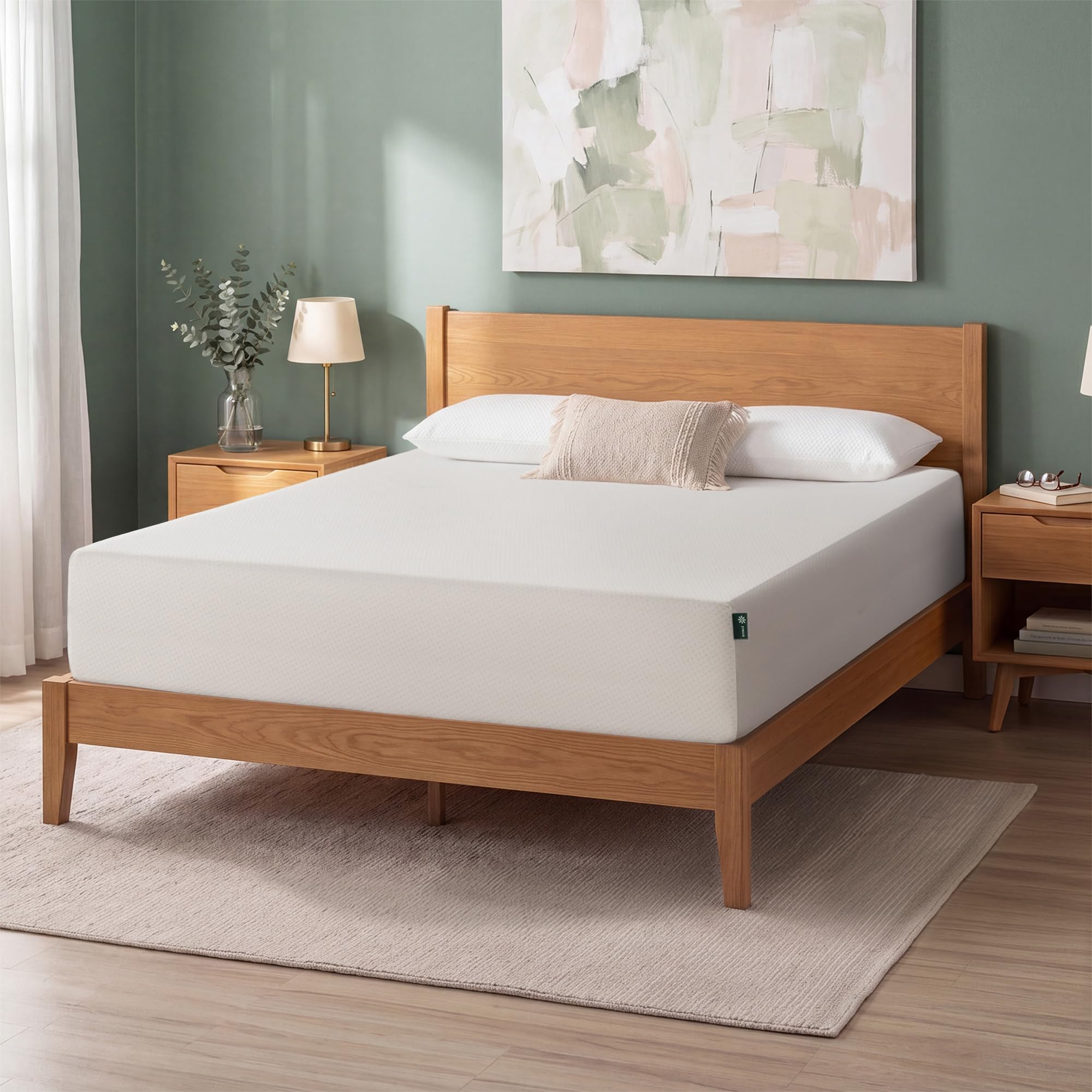

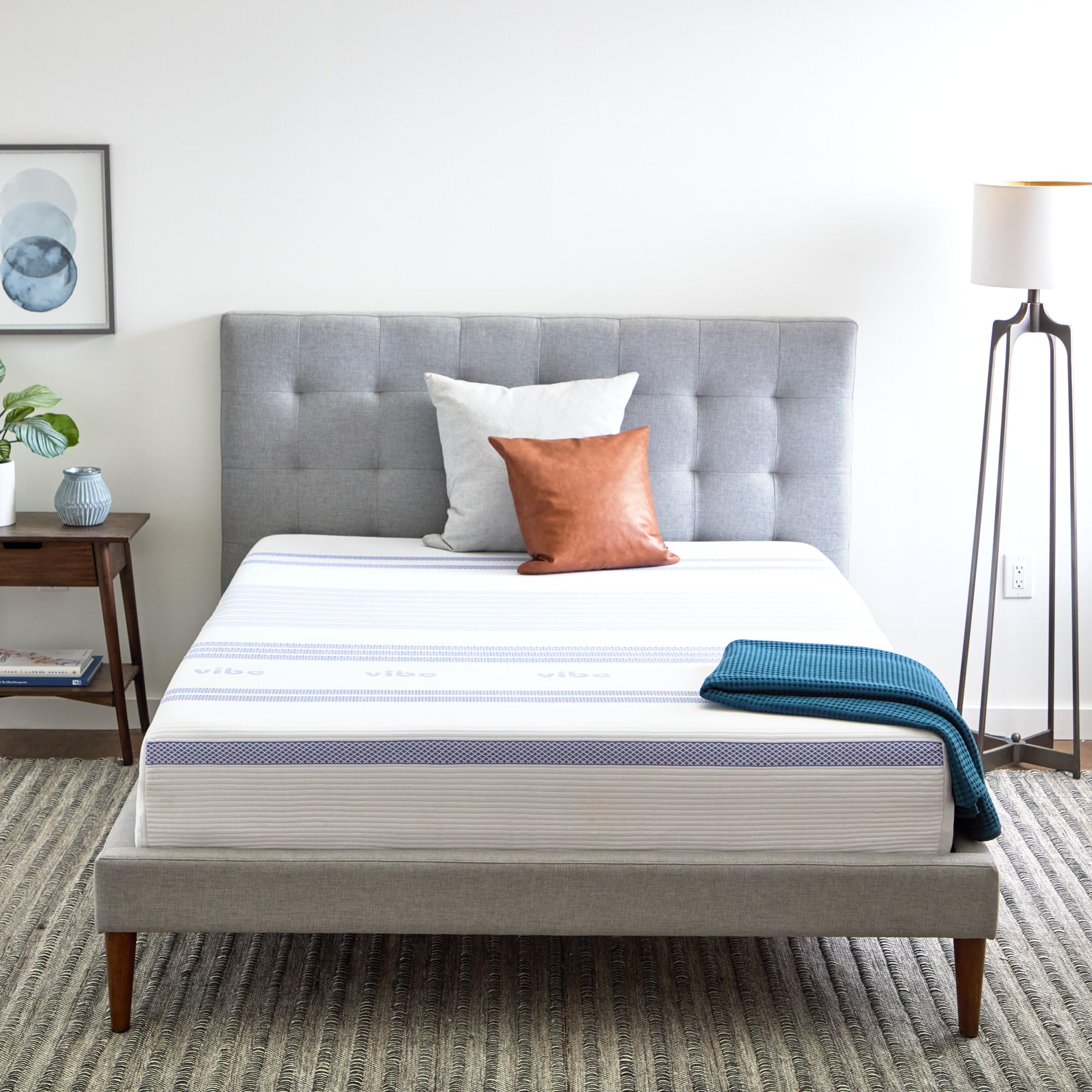
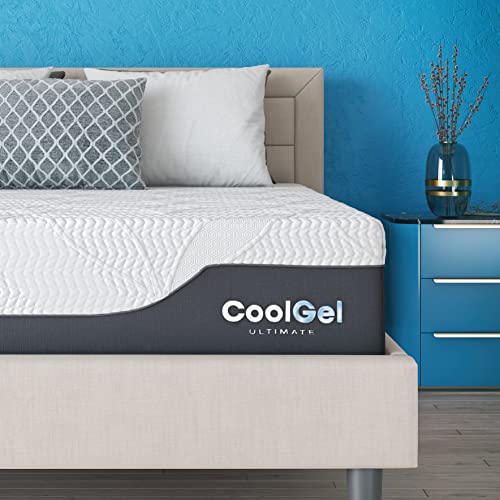


Types of Mattresses Compared
No single material wins on every measure. Foam leads on motion control, latex leads on durability and bounce, hybrids balance support and airflow, and cooling designs help hot sleepers only when the whole build supports airflow. Price also varies widely, from around $400 for a basic foam queen to about $1500 or more for a premium latex or hybrid queen. The sections below explain how each approach behaves in real bedrooms.
Memory Foam
Memory foam contours closely to your shoulders and hips, which relieves pressure and absorbs motion better than any other material. That makes it a favorite for side sleepers and for couples with different schedules. The downside is heat retention and a slow, sinking feel when you change position. Look for gel or open cell foam and a breathable cover if you sleep warm, and check foam density, since thin low density layers soften and develop body impressions early.
Innerspring and Hybrid
Innerspring beds use a coil core with a thin comfort layer, so they feel bouncy and sleep cool at a lower price. Hybrids add thicker foam or latex over individually wrapped coils, which gives pressure relief with edge support and airflow. Hybrids usually cost more and weigh more, but they suit combination sleepers and heavier bodies well. Older connected coil designs transfer more motion and can squeak as they wear, so check the coil type and the warranty terms before buying.
Latex
Latex mattresses use rubber foam that feels springy, supportive, and noticeably durable. You lie more on top of latex than in it, so changing position is easy and the surface responds quickly. Latex sleeps cooler than dense memory foam and often lasts longer, which helps justify prices that are usually higher. The trade offs are weight, cost, and a livelier feel that transfers more motion than foam. People who dislike the slow sinking feel of memory foam often prefer latex, while strict motion isolation seekers may not.
Cooling Fabrics and Cooling Builds
Cooling mattresses combine breathable covers, ventilated foam, gel infusions, or coil cores that let air move through the bed. Coils help most, because air can actually flow, while gel foam mainly feels cool for the first part of the night. A cooling label alone means little, so look for an open coil base or perforated layers beneath the cover. Hot sleepers should also weigh room temperature, bedding weight, and pajama fabric, since a cool mattress under a heavy duvet still sleeps warm.
Memory Foam Versus Hybrid: Which Should You Choose?
These two choices solve different problems. Memory foam gives the closest contour, the best motion control and a quiet surface, which suits side sleepers and light sleepers sharing a bed. A hybrid adds coil support, airflow and a livelier feel, which suits hot sleepers, heavier bodies and people who switch positions at night. Firmness and support come from the whole build, not only the top layer. If your current bed feels too hot, check the cover and bedding before replacing the whole mattress. Support problems such as sagging in the middle will not be fixed by a topper, and that is a sign the mattress itself is worn out.
How to Choose the Right Mattress for You
Certifications: CertiPUR US and OEKO TEX
CertiPUR US means the foam has been checked for certain emissions, content, and durability standards. OEKO TEX certification tests textiles such as mattress covers for harmful substances at set limits. Certifications do not prove a mattress will feel comfortable to you, but they do give independent checks on materials. If a seller uses these names, verify the claim on the certifier listing or product documentation rather than trusting a logo alone.
Motion Isolation and Noise
Memory foam absorbs movement best, so a partner turning over or a pet jumping up is less likely to wake you. Coil and latex beds feel livelier and can pass more motion across the surface, though individually wrapped coils reduce this a lot compared with older connected coil designs. Noise matters too, since worn coils can squeak and foam never does. Couples with different schedules should weight motion control heavily, and light sleepers should test with a partner moving on the other side during the trial nights.
Material and Fill
Memory foam contours closely and relieves pressure, but it can sleep warm and feel slow when you change position. Latex feels responsive and durable, hybrids pair foam comfort with coil support and airflow, and innerspring beds feel bouncy and cool at lower cost. Your sleep position guides the match, since side sleepers usually need more cushion at the shoulder, back sleepers need steady lumbar support, and stomach sleepers need a firmer surface so the hips do not sink. For a deeper look at foam options, see our guide to the best memory mattresses for how density affects feel.
Durability and Care
A quality mattress should hold its support for about seven to ten years, depending on materials and the weight it carries. A sleep trial of at least 90 nights matters because your body needs several weeks to adjust, and first impressions in a showroom can mislead. Check the warranty terms for how deep a body impression must be before it counts as a defect. Use a waterproof protector from day one, because stains can void warranty cover, and confirm whether the foundation you own meets the maker requirements.
Tips to Get the Most From Your Mattress
Rotate the mattress head to foot every three to six months if the maker allows it, which evens out wear where your shoulders and hips rest. Wash sheets weekly in warm water, following care labels, to limit sweat and allergen buildup. Use a mattress protector and wash it monthly. Give a new foam mattress a day or two to expand and air out before judging its feel or smell. Keep the bedroom cool and dark, and if you wake with new numbness or pain that lingers, treat that as useful trial feedback rather than something to push through. Timing a purchase can also help, and our guide to the best time to purchase mattresses explains the main sale periods.
Your Questions Answered
Are cooling mattresses worth it for hot sleepers?
They can be, if the cooling comes from real airflow through coils or ventilated layers rather than only a cool feeling cover. Pair the mattress with breathable percale sheets and a light blanket to keep the benefit. One point many buyers miss is humidity, since a bedroom dehumidifier or better room ventilation sometimes improves sleep temperature more than any mattress feature. If night sweats are new or severe, mention them to your doctor, because they can have medical causes beyond bedding.
What firmness is best for back pain?
A medium firm surface is the most common starting point for back pain, because it supports the spine while still cushioning the hips and shoulders. Your weight and sleep position shift that answer, so use the trial period and track how you feel after two full weeks. Readers comparing support focused options can also read our guide to the best mattresses for back problems. See a doctor or physical therapist if pain persists, worsens, or comes with numbness, weakness, or pain that travels down a leg.
How do I wash mattress covers and bedding safely?
Most mattress cores should never be washed or soaked, so clean only the removable cover, and only if its label allows machine washing. Wash bedding in warm water when the fabric allows, dry it fully before remaking the bed, and spot clean the core with a small amount of mild detergent and water. Let any cleaned area dry completely before adding the protector, because trapped moisture can lead to mildew. Vacuum the surface monthly with an upholstery tool to reduce dust.
How often should I replace my mattress?
Most mattresses need replacement after about seven to ten years, sooner if you see sagging, feel coils, or wake sore in ways that ease once you get up. Foam softens gradually, so a bed can look fine yet support poorly. A simple test is whether you sleep noticeably better in a hotel or guest bed. Hygiene also counts, since years of sweat and skin cells build up even with a protector, which matters for allergy sufferers.
What is the difference between memory foam and hybrid mattresses?
Memory foam is made of dense foam layers that contour and isolate motion, while a hybrid places foam or latex over a coil core for more bounce and airflow. Foam tends to cost less and sleep warmer. Hybrids tend to cost more, weigh more and feel more responsive. Choose by sleep position, temperature and partner movement, then use the sleep trial to confirm the choice.
The Bottom Line
Match the material to your sleep position and temperature first, then check firmness, trial length, and warranty terms before you compare prices. A generous trial protects you better than any showroom test, and our best and worst hub collects related comparisons if you want more background. When you judge the best and worst mattresses by fit rather than hype, the product table above helps you confirm the type and price range you chose. If you have ongoing back pain, sleep apnea symptoms, or numbness, talk with your clinician about personal needs alongside any mattress change.