Best Anti Allergy Pillows for 2026: A Buyer Checklist
Disclosure: We may earn a commission when you buy through links on this page, at no extra cost to you. As an Amazon Associate I earn from qualifying purchases. Learn more
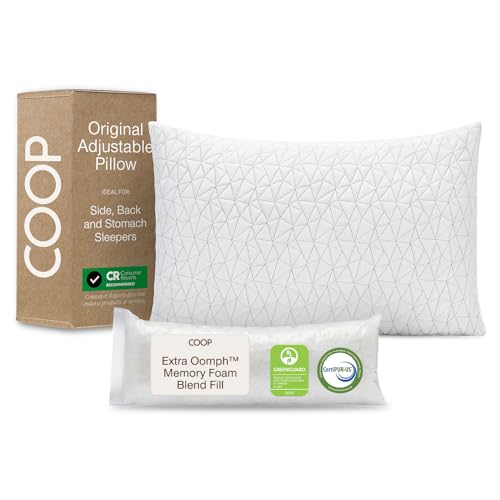
Best anti allergy pillows: a checklist for fills, barrier covers, firmness and care that match your sleep position.
Nighttime sneezing, a blocked nose and itchy eyes often trace back to what collects inside an ordinary pillow over months of use. The best anti allergy pillows limit that buildup with a barrier cover, a fill that resists dust mites and materials you can wash or protect with confidence. This guide uses a clear checklist, so you can read the product table and know which specs deserve your attention.
You do not need the most expensive pillow to sleep cleaner. You need the right barrier, the right loft for your sleep position and a care routine you will actually follow.




Who Should Buy an Anti Allergy Pillow?
Start with your main nighttime trigger and your sleep position, because those two facts shape every later choice. If you wake with wheezing, a tight chest, shortness of breath or swelling of the lips or face, see a doctor promptly instead of changing bedding alone, and talk with your clinician about your personal needs.
People Who Wake Congested From Dust Mite Exposure
If your nose blocks up in bed and clears after you get up, dust mites in bedding are a common suspect. You gain the most from a full zip encasement with a tight weave, paired with a fill that gives mites few places to settle. Washable covers matter for you, because regular washing keeps allergen levels down.
People Managing Asthma Alongside Night Allergies
If asthma and allergies overlap for you, pillow choice is only one part of a wider bedroom plan, and it never replaces your prescribed treatment. Choose smooth covers that release dust easily and avoid feather fill that is hard to wash clean. For broader bedroom strategies, see our guide to the best pillows for allergies and asthma.
Hot Sleepers Whose Allergies Flare in Warm Rooms
Warmth and moisture help dust mites thrive, and a hot pillow can leave you restless and congested. Favor breathable fills and covers that move air and dry fast after washing. Latex and shredded fills with air channels often suit you better than dense foam that holds heat.
Key Features to Compare
Judge every pillow against the same five factors, in this order, so a low price cannot hide a weak barrier. When you compare best anti allergy pillows side by side, the barrier and fill decide most of the allergy benefit, while loft and firmness decide whether you sleep well on the pillow.
Barrier Cover and Full Zip Encasement
The barrier blocks dust mites and their droppings from passing between the fill and your face. A full zip encasement that closes on all sides protects far better than a standard pillowcase, whose open end and loose weave let particles through. Look for a tight weave you cannot easily see light through and a flap over the zipper pull. Cotton percale and smooth microfiber are common barrier fabrics, while linen cases sit over the encasement rather than replacing it.
Fill Choice: Foam, Latex and Down Alternative
Solid memory foam and solid latex give mites few internal spaces to colonize, and both hold their shape well. Down alternative fills made from polyester fibers wash more easily than natural down and dry faster, which suits a routine built on frequent laundry. Natural down and feather fills trap dust and are harder to wash and dry fully at home, so many allergy focused buyers skip them. Shredded fills allow loft adjustment but need a strong encasement.
Certifications: CertiPUR US and OEKO TEX
Certifications tell you a third party has checked the materials against published limits for certain chemicals and emissions. CertiPUR US applies to foam, while OEKO TEX Standard 100 applies to textiles and tests components such as cover fabric and thread for harmful substances. Neither label proves a pillow will stop your symptoms, so treat certification as a safety screen that supports the barrier and fill choices, not as a medical claim.
Loft, Firmness and Pressure Relief
Loft is the height of the pillow once your head rests on it, and it must keep your neck level with your spine. Side sleepers usually need about 5 to 7 inches and a firmer feel to fill the shoulder gap, while back sleepers often do well with about 4 to 5 inches. Stomach sleepers usually need about 3 to 4 inches so the neck does not bend upward. Good pressure relief means the fill cushions your ear and jaw without pushing back hard.
Cooling, Breathability and Pillow Size
Cooling features matter because a cooler and drier surface is less inviting for mites and more comfortable for you. Open cell foam, latex with air holes and gel layers all move heat differently, so match them to how warm you sleep. A standard pillow measures about 20 by 26 inches, a queen about 20 by 30 inches and a king about 20 by 36 inches. Buy the encasement in the same size, because a loose barrier wrinkles and a tight one strains the zipper.
Pillow Types for Allergy Control Compared
Solid foam and latex pillows give you the simplest allergy setup, since one solid piece sits inside one encasement with no loose fibers to hold dust. They suit buyers who want a stable loft and little weekly upkeep. Their drawback is fixed height, so check your sleep position before you commit.
Down alternative pillows feel softer and cost less, and many can go in the wash as a whole pillow. Shredded adjustable pillows let you add or remove fill to fine tune height. If you are comparing symptom focused options, see our guide to the best pillows for allergy sufferers.
Before you order, run this quick buyer checklist:
- Does the pillow include a full zip encasement in its exact size?
- Can the cover or whole pillow handle washing at the temperature your routine needs?
- Does the loft match your main sleep position and shoulder width?
- Is the fill solid, washable or hard for dust mites to colonize?
- Do the foam or fabrics carry CertiPUR US or OEKO TEX certification?
- Does the seller offer a sleep trial long enough for symptoms to respond?
- Do you have a spare case ready for laundry day?
Watch for red flags while you shop. Vague barrier claims with no encasement detail, no named certification and a very short warranty suggest a pillow not designed with allergy control in mind. For more options, see our guide to the best pillows for people with allergies.
Common Mistakes to Avoid
Most disappointments come from setup and care slips rather than from the pillow itself.
- Using a loose standard pillowcase instead of a zip encasement leaves the barrier open and lets allergens reach your face.
- Choosing loft by softness alone leaves your neck bent all night and adds morning stiffness to your symptoms.
- Buying feather or down fill for an allergy bed makes washing harder and lets dust stay trapped inside the pillow.
- Washing in cool water only can leave dust mite allergens behind, so the pillow feels clean while the trigger remains.
- Putting a damp pillow back on the bed invites mildew growth and a musty smell within days.
Care and Maintenance for Anti Allergy Pillows
Keep the encasement zipped during normal use and wash the outer pillowcase weekly with your sheets, since the case collects skin cells and dust first. Wash the encasement itself about once a month, following its label, and inspect the zipper for gaps. Fluff the pillow by hand each morning to restore loft.
Dry every washable part fully before you rebuild the bed, because leftover moisture feeds both mildew and mites. Store a spare pillow in a breathable bag in a dry closet. Check foam and latex pillows for cracks when you change the encasement, and keep them out of the machine unless the label allows it.
Anti Allergy Pillows: Your Questions Answered
Are cooling anti allergy pillows worth it for hot sleepers with allergies?
Yes, cooling anti allergy pillows are worth it for hot sleepers whose congestion worsens in warm rooms. A cooler surface usually means less sweat in the cover, and a drier cover is a less welcoming home for mites between washes. Latex with air holes tends to sleep cooler than dense foam of the same height.
How do you wash anti allergy pillows safely?
You wash anti allergy pillows safely by checking the label first, then using the warmest water the care label allows, which helps wash out dust and allergens. Wash two pillows together so the drum stays balanced. Add an extra rinse if detergent scent lingers.
What firmness should allergy sufferers choose for neck comfort?
Allergy sufferers should choose firmness by sleep position first, because the barrier and fill handle the allergy side of the purchase. Back sleepers usually do best with a medium feel that supports the neck curve. Side sleepers often need firmer support so the head does not sink toward the mattress. If you wake with ear pain, the pillow is likely too firm.
Is a higher thread count always better for an anti allergy pillow cover?
No, a higher thread count is not always better for an anti allergy pillow cover. What blocks mites is a weave tight enough to stop particles, and some moderate count barrier fabrics outperform soft high count fabrics woven for feel. Very high counts can also reduce airflow and make the cover sleep warmer.
How often should you replace an anti allergy pillow?
You should replace an anti allergy pillow when it no longer holds its loft or stays fresh after washing, often after about 1 to 2 years of nightly use. Fold the pillow in half and let go: if it stays folded, the fill has lost its support. A sleep trial helps you judge value early, so note the date you started using the pillow.
Our Verdict
Put the barrier first, match loft and firmness to your sleep position, and pick a fill and cover you can keep clean without a struggle. Those choices do more for your nights than any premium label. Use the product table to compare encasement type, fill and size.
When you choose best anti allergy pillows with that order in mind, you get a pillow that supports your neck and gives allergens fewer places to live. Start with one pillow and let your mornings judge the change.