Best Anti Allergy Mattresses for 2026: Matching the Right Choice to Your Routine
Disclosure: We may earn a commission when you buy through links on this page, at no extra cost to you. As an Amazon Associate I earn from qualifying purchases. Learn more

Best anti allergy mattresses: matching barrier construction, materials, firmness and certifications to your sleep and routine.
No mattress suits every sleeper, and that is doubly true when allergies shape your nights. Dust mites, mold, and material sensitivities all point to different designs. Choosing the best anti allergy mattresses means matching barrier construction and materials to your symptoms, your sleep position, and how faithfully you will clean and protect the bed.
This guide groups buyers by routine, explains the features that matter, and adds care habits that do as much work as the mattress itself. The product table can help you compare sizes, firmness, and trial terms once you know your group.


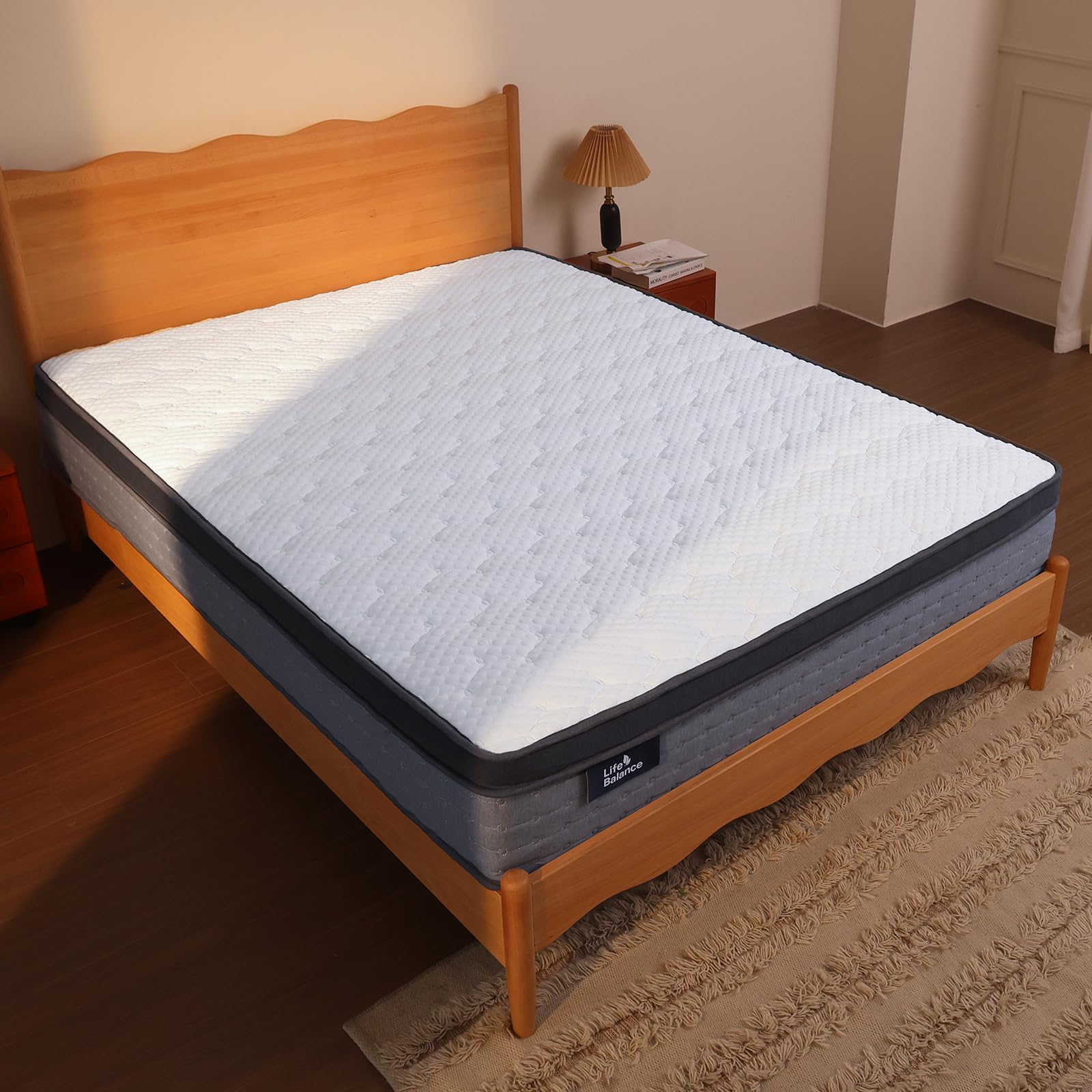
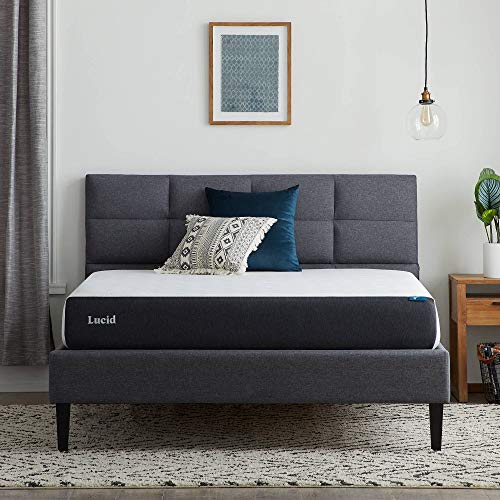

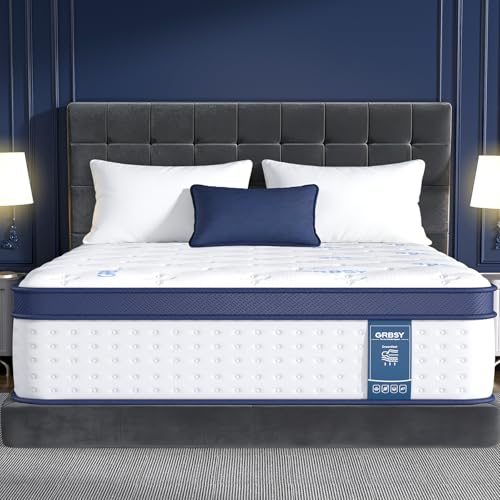
A quick health note: a mattress can reduce exposure to common bedroom allergens, but it cannot diagnose or treat allergy or asthma. If you have persistent wheezing, chest tightness, swelling, or trouble breathing, seek medical care promptly, and talk with your clinician about personal needs before relying on any bedding change.
Who Should Buy Which Anti Allergy Mattresses?
For First Time Buyers
You want a simple, dependable first step away from a worn out bed. Choose a medium firm mattress with a tightly woven or encased surface, a washable protector, and a home trial of at least 90 nights if offered. Avoid exotic materials you have never slept on, since a new sensitivity would be hard to untangle from adjustment discomfort. Keep the trial rules in writing, including pickup terms, so a return stays painless if your symptoms or your back object.
For Value Seekers
You want allergen control without premium pricing. The value path is a well made foam or hybrid mattress with recognized foam certifications, paired with a quality zippered encasement that you buy separately if needed. The encasement does much of the anti allergy work by sealing dust mites inside and keeping new ones out, so spending there often beats upgrading the mattress tier. For broader comparisons, see our guide to the best mattresses for allergies and note which features repeat across price levels.
For Gift Shoppers
You are buying for a family member, perhaps a teen leaving for college or a parent with sensitivities. Confirm the exact bed size and any material sensitivities first, because latex and wool bother some people even though they resist mites naturally for others. Choose a mattress with a generous trial and warranty, include a protector as part of the gift, and keep paperwork with the recipient. A thoughtful extra is a second protector, so laundry day never leaves the bed unprotected overnight.
Key Features to Compare
Durability and Care
Care decides long term allergen control. The mattress itself is rarely washable, so judge the system: a removable, washable cover or a separate protector you can launder in hot water according to its label. Check the sleep trial length, warranty years, and what sag depth counts as a defect. Rotate the mattress every three to six months if the maker allows it, which evens wear and gives you a natural moment to vacuum seams and inspect the encasement for tears that would let mites pass.
Firmness and Sleep Position
Firmness shapes both comfort and how deeply you sink into surface layers where warmth and moisture collect. Side sleepers usually need medium soft to medium firmness for pressure relief at shoulder and hip, back sleepers do well in the medium firm range, and stomach sleepers often need firmer support to keep hips level. Heavier bodies compress foam more, so the same mattress feels softer. If you wake with new back pain that persists, or numbness in an arm, treat that as data during the trial, not something to endure.
Material and Fill
Dense memory foam and latex leave few open spaces for dust mites to live in, and solid foam cores are easier to encase fully than open coil interiors. Hybrids add airflow and edge support but rely on the encasement for mite control. Natural latex resists mites and mold well, yet a true latex allergy rules it out, so confirm sensitivities first. Covers in cotton percale or sateen, linen, or bamboo derived fabrics differ in breathability and feel, and a tightly woven cover matters more for allergen blocking than thread count bragging. Shoppers comparing pillow options too can read our guide to the best anti allergy pillows, since pillows sit closest to your airways.
Size and Fit
Measure your frame and confirm the mattress size from Twin through California King matches, including thickness. Deep mattresses may need deep pocket sheets and a protector sized for the full depth, or corners will pop loose and leave gaps. Couples with different sensitivities sometimes do better with two Twin XL units on a King frame, each with its own protector and firmness. Leave room in the budget for the encasement in the correct size, because a loose, bunched encasement is uncomfortable and less effective.
Certifications That Matter
Certifications give you a checkable floor for chemical safety. CertiPUR US covers foam content, emissions, and durability for polyurethane foams. OEKO TEX Standard 100 tests textiles for harmful substances, and the class matters, with products for direct skin contact held to stricter limits. RDS concerns responsibly sourced down, relevant only if a topper or comfort layer uses down. A know how point: certifications apply to specific components, so a certified foam does not certify the whole mattress. Read which parts each label covers before paying extra for it. If your household also weighs other sleep aids, keep medical questions separate from shopping, and ask a clinician rather than a sales page.
People who suffer year round may also compare the models in our guide to the best mattresses for allergy sufferers, which focuses on severe symptom routines.
Common Mistakes to Avoid When Buying Anti Allergy Mattresses
- Trusting the anti allergy label alone. The term is not a regulated guarantee. Look for encasement design, materials, and certifications behind the claim.
- Skipping the protector. Without a washable barrier, skin cells and moisture reach the mattress and feed mites regardless of brand.
- Buying the wrong firmness for your position. Comfort failures end trials more often than allergen features do.
- Ignoring trial and warranty terms. Trial nights, return fees, and sag thresholds vary widely and decide your real risk.
- Forgetting the room. Carpet, curtains, and stuffed items hold allergens too, so a mattress alone rarely transforms a bedroom.
Tips to Get the Most From Your Anti Allergy Mattress
Wash sheets weekly in warm or hot water as labels allow, and wash the protector on the schedule its maker states. Vacuum the mattress surface and seams with a clean upholstery tool when you rotate it. Keep bedroom humidity moderate, roughly 40 to 50 percent if you can measure it, because dust mites thrive in humid air. Shower or change out of day clothes before bed during high pollen days to keep pollen off the pillow. Timing can help your budget as well, and our guide to the best time to purchase mattresses explains the sale cycles worth watching.
Anti Allergy Mattresses: Your Questions Answered
What firmness is best for back pain with allergies?
Medium firm support suits most back sleepers and many people with back pain, because it keeps the spine level without hard pressure points. Allergy features and firmness are separate choices, so pick the barrier design first, then firmness. Persistent or worsening back pain, leg weakness, or numbness needs medical evaluation, not a new mattress trial. Talk with your clinician about personal needs if pain continues beyond a short adjustment period.
How do I wash an anti allergy mattress safely?
You do not wash the mattress itself. You wash the removable cover or protector following its label, usually in warm or hot water, and you vacuum the mattress surface. Spot clean spills with mild detergent, rinse sparingly, and dry fully with airflow before remaking the bed, since trapped moisture invites mold. A second protector keeps the bed usable while the first dries completely, which can take longer than a normal laundry cycle.
Is a higher thread count always better for allergy barriers?
No, a higher thread count is not always better. Allergen blocking depends on pore size, and a purpose made encasement with a tight weave or membrane blocks mites far better than a high thread count sheet. Very high counts can even trap heat and moisture. Spend on a certified encasement with a quality zipper instead, and choose sheets for comfort and washability at the temperatures your labels allow.
How often should I replace my anti allergy mattress?
Replace your mattress about every seven to ten years, sooner if sagging, lumps, or worn encasements undermine support or barrier function. Protectors and encasements wear faster, often needing replacement every one to two years if zippers fail or fabric thins. A practical sign is waking symptoms returning despite fresh bedding and cleaning, which can mean the barrier system, not just the mattress, has reached the end of its useful life.
Are cooling anti allergy mattresses worth it for hot sleepers?
Cooling designs are worth it for hot sleepers because heat and sweat raise bedroom humidity at the bed surface, which mites enjoy. Look for breathable covers, latex or hybrid airflow, and protectors that do not feel plasticky. One lesser known point is that cooling gels often feel cool only for the first minutes, so construction that moves air all night matters more than a cool touch claim on the label.
The Bottom Line
Prioritize a real barrier system, materials you tolerate, and firmness matched to your sleep position, then confirm trial terms before you pay. The product table can help you compare those details side by side. Chosen carefully, the best anti allergy mattresses support cleaner, calmer nights, and you should still talk with your clinician about personal needs for lasting symptom control.