Best Animal Fur Blankets of 2026: Complete Buying Guide
Disclosure: We may earn a commission when you buy through links on this page, at no extra cost to you. As an Amazon Associate I earn from qualifying purchases. Learn more

A practical buying guide to the best animal fur blankets, covering pile, backing, warmth, sizing, and care so you can choose a cozy blanket with confidence.
A good fur style blanket should feel soft the moment you touch it, stay comfortable through a full evening, and still look neat after months of use. The best animal fur blankets balance pile softness, backing quality, and warmth, and they do it without shedding all over your sofa. This guide walks you through the choices that matter most, from fiber type and weight to washing and storage.
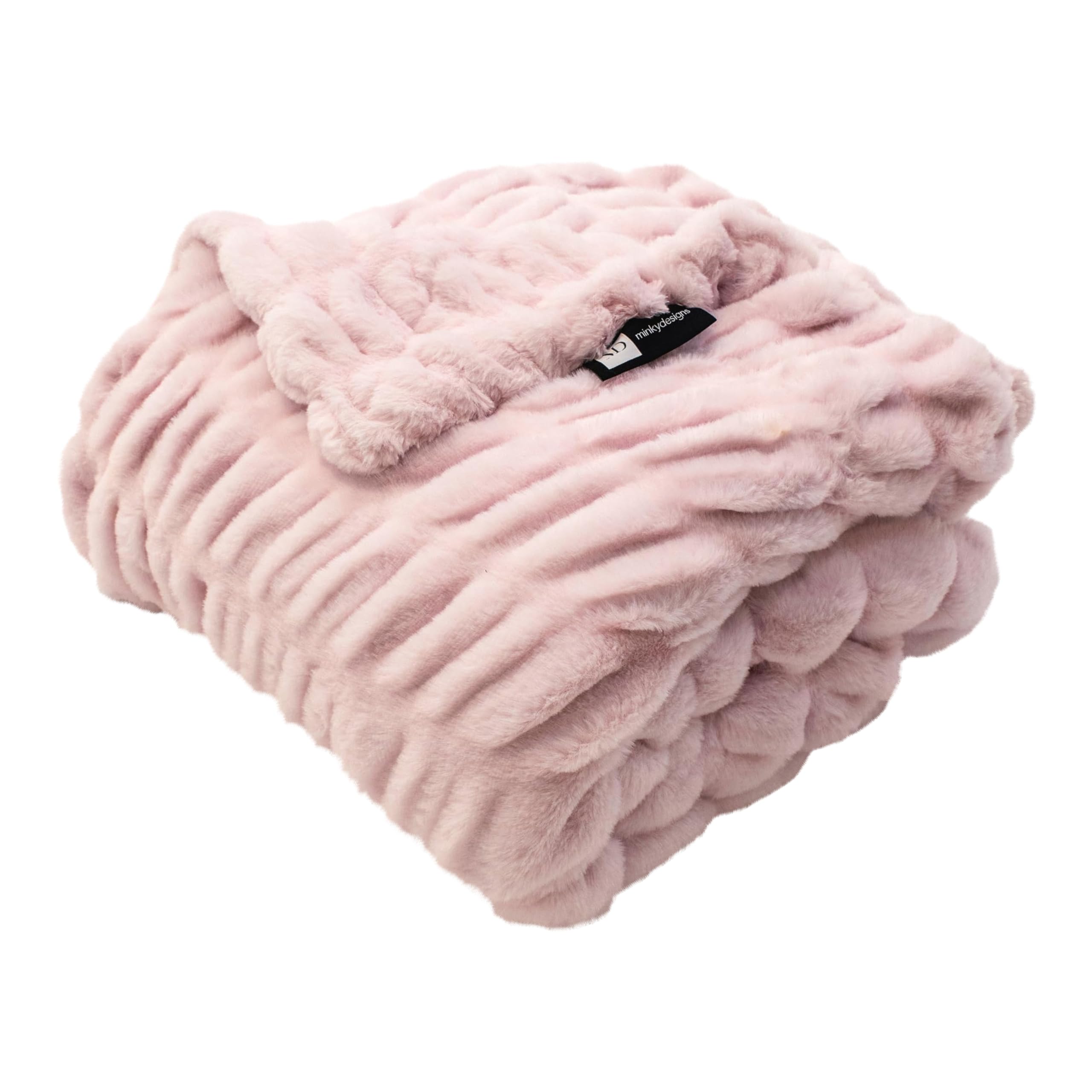
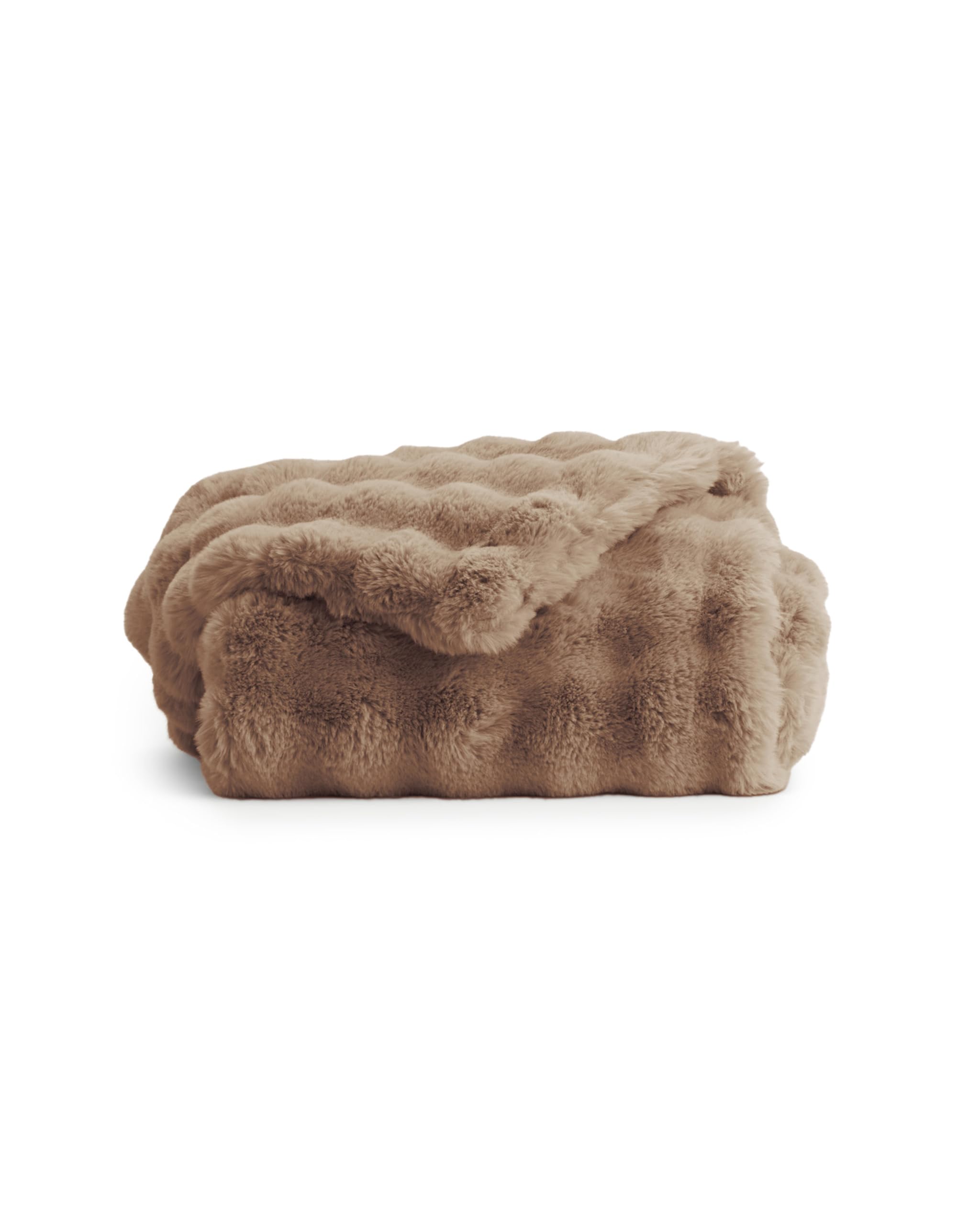
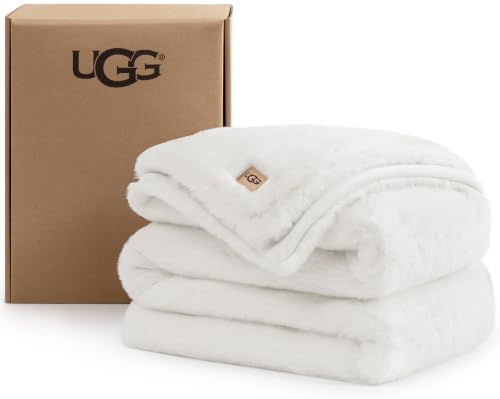
Start with how you will use the blanket most often. A throw for a reading chair needs a different size and weight than a full bed layer for cold nights. Once that job is clear, the comparison table below makes it easier to spot which styles match your room, your climate, and your care routine.
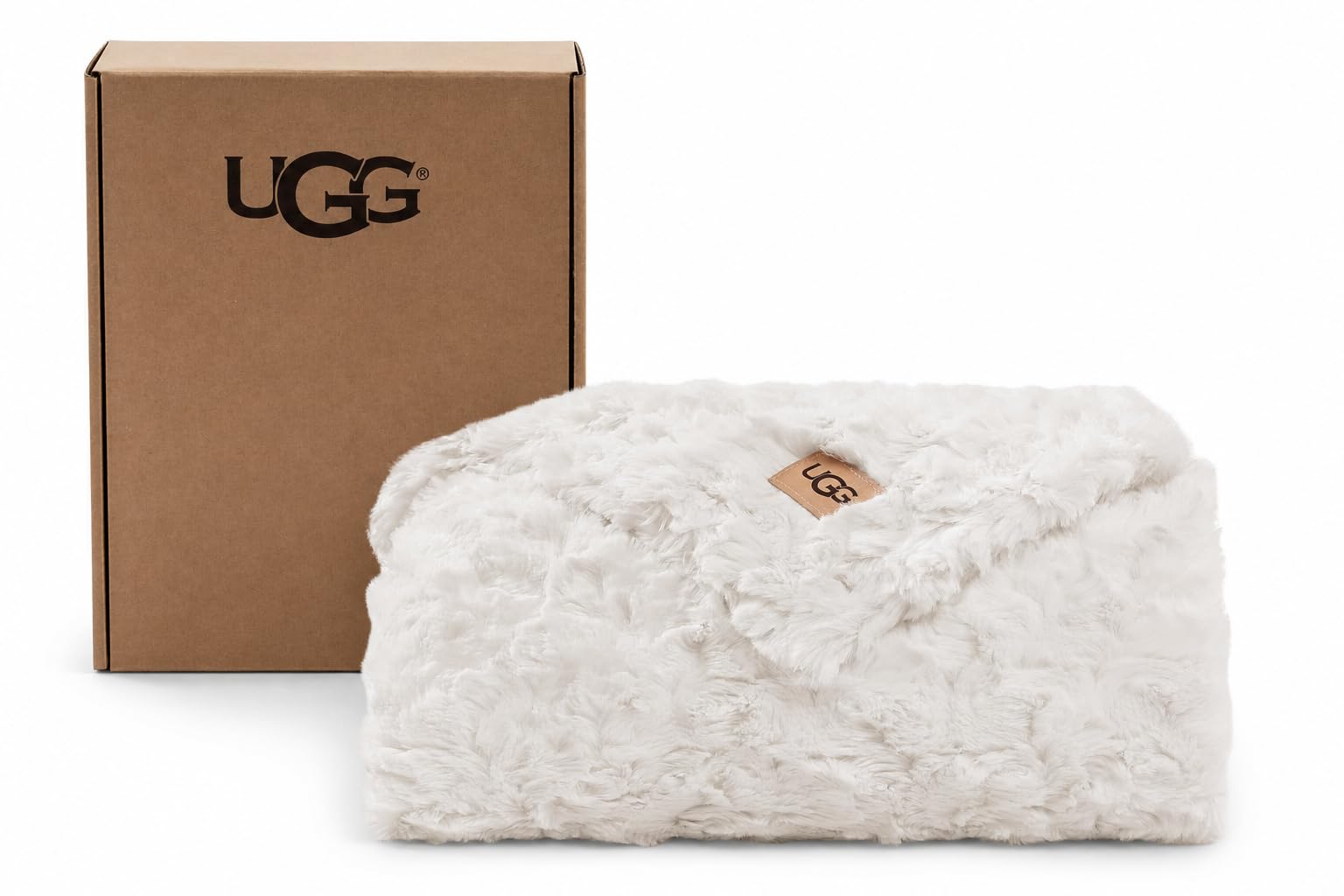
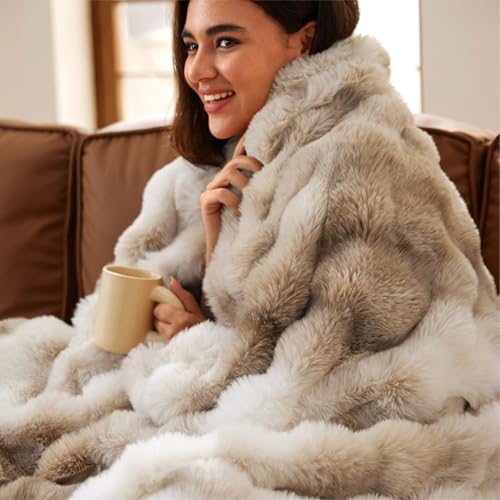
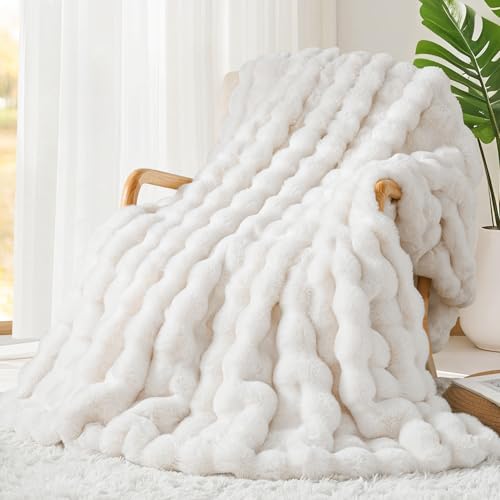
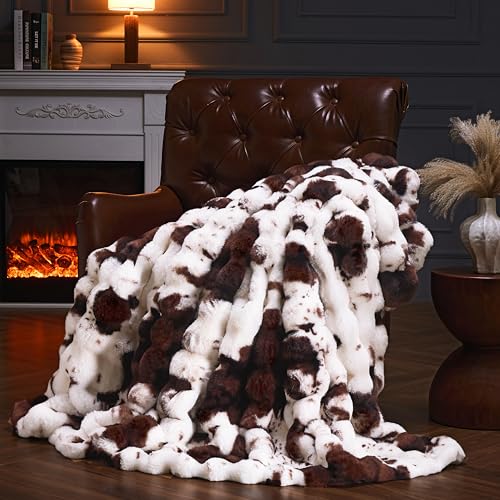

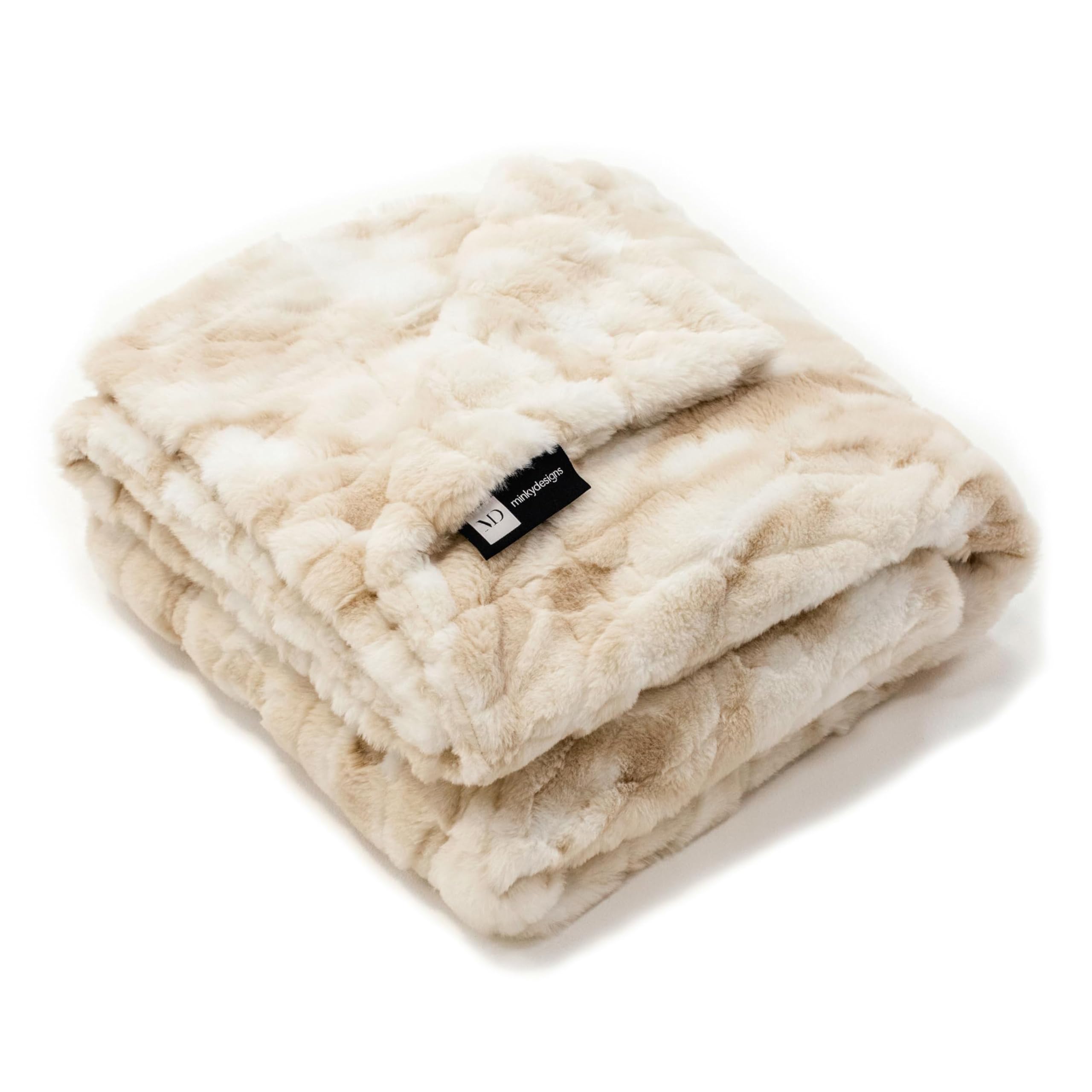
What the Price Tiers Usually Deliver
Price alone does not tell you how a blanket will feel, but tiers do reveal a pattern. Use the ranges below as general guidance, then judge each option by pile density, backing, and finish rather than by the label alone.
Budget Tier, Around $30 to $60
Budget options usually use shorter pile and lighter backing, and they suit a spare chair or occasional guest use. Expect simple edge finishing and colors that may look flatter in bright light. Check the stated weight for the size, because a very light blanket at a large size often feels thin. For a first purchase on a tight budget, choose a mid tone pattern that hides lint and minor shedding better than a solid pale shade.
Midrange Tier, Around $60 to $120
This is the sweet spot for most homes. Pile tends to be denser and more varied in tone, which gives the fur look more depth, and backing fabrics feel sturdier against upholstery. You also see better size choices and clearer care labels at this level. If you plan to use the blanket daily through winter, this tier usually offers the best balance of comfort, appearance, and service life without paying for luxury branding.
Premium Tier, Above $120
Premium blankets focus on dense pile, subtle color variation, and heavier drape. The backing is often a smooth woven fabric that resists slipping, and edges are finished with more care. These pieces work well as a visible part of your decor, not just as an extra layer. Paying more makes sense when the blanket will sit on a main sofa or bed every day and you want it to keep its loft and color for years.
How to Choose the Best Animal Fur Blankets
Work through the factors below in order. Fiber and pile decide the feel, weight decides the warmth, and size and care decide whether the blanket fits your life once it arrives home.
Material and Fill
Most animal fur style blankets today use synthetic fibers such as polyester or acrylic, shaped and dyed to mimic natural fur patterns. Synthetic pile resists moisture, dries faster, and avoids the ethical and cost concerns of real fur. Look for pile that springs back when you press and release it, which signals resilience. A dense base weave matters as much as long fibers, because sparse pile can look rich in photos yet feel thin and show the backing when the blanket folds.
Certifications and Safety Labels
Labels such as OEKO TEX Standard 100 indicate that a textile has been tested for certain harmful substances, which is a useful extra check for something that touches skin for hours. Certification does not guarantee softness or durability, so treat it as one filter among several. Also read the fiber content and care symbols on the label itself. If a listing avoids naming its materials or gives vague claims with no label detail, that gap is a reason to keep looking.
Shedding and Noise
Some shedding in the first weeks is normal for high pile blankets, but heavy shedding that continues after several washes points to weak fiber anchoring. Shake a new blanket outdoors and wash it once before first use to remove loose fibers. Backing also affects sound and feel. A stiff backing can rustle when you move, while a soft knit or suede like backing stays quiet and grips upholstery better, which matters for light sleepers sharing a bed or sofa.
Warmth and Breathability
Warmth comes from trapped air in the pile plus the blanket weight, not from pile length alone. A medium weight blanket, often listed around 400 to 600 grams per square meter for synthetic bedding, suits most indoor use. Very heavy blankets feel luxurious but can overheat you in a warm room. If you run warm, choose a shorter pile with a breathable backing and layer it over a cotton sheet, so you can adjust through the night.
Durability and Care
Durability shows up at the edges and the backing first. Look for tight stitching, even pile with no bare patches, and a backing that does not stretch out of shape when you lift the blanket by one corner. For care, most synthetic fur blankets wash cold on a gentle cycle and dry on low heat or air dry. A blanket that needs specialist cleaning for routine use will cost you time and money, so check the care label before you buy.
Weight, Loft, and How You Sleep or Lounge
Side sleepers who curl under a blanket often prefer a flexible medium weight that tucks without bulk at the shoulder. Back sleepers may enjoy a heavier drape that stays in place. For sofa use, loft is mostly about looks and hand feel, so a plush pile that recovers after sitting on it will keep the room looking tidy. If you share the blanket, go one size up, because fur pile takes up visual and physical room when two people pull it from both sides.
Types of Animal Fur Blankets
The four common styles below cover most listings you will see. Knowing the type helps you read the product table above with clearer expectations about warmth, care, and price.
Long Pile Shaggy Styles
Long pile blankets give the strongest fur impression and feel indulgent for movie nights and reading. They trap plenty of air, so they run warm, and they photograph beautifully. The trade off is upkeep, since long fibers tangle more easily and need gentle brushing and careful washing. Choose this style for a statement piece in a cooler room, and plan to store it loosely rather than compressed, so the pile keeps its height.
Short Pile and Sheared Styles
Short pile blankets feel smoother and more uniform, and they shed less than shaggy styles. They layer well on a bed because they add warmth without much bulk, and they are easier to fold and store. The look is closer to a pelt pattern printed or woven into a calm surface. If you want the animal pattern without dramatic texture, or you have pets whose hair would vanish into long pile and be hard to remove, this is the practical pick.
Weighted Fur Style Blankets
Some fur style blankets add inner weight for a calm, tucked in feeling. The outer pile gives softness while the fill provides steady, even pressure. Check that the weight is distributed in small stitched pockets so it does not pool at one end. Weighted styles are not right for everyone, and children should only use them under adult supervision with a weight suited to their size. When in doubt, ask your doctor whether a weighted blanket suits your household.
Heated Fur Style Throws
Heated throws pair a fur look cover with electric heating elements and a controller. They suit people who feel the cold in one spot, such as at a desk or in a drafty chair. Always follow the maker instructions, never fold a heated throw while it is on, and unplug it before washing if the design allows washing at all. Keep cords away from water, check them for damage before each season, and never leave a heated throw running unattended.
Care and Maintenance Tips
- Shake the blanket outdoors once a week during heavy use to release dust and loose fibers before they settle into upholstery.
- Wash cold on a gentle cycle with a mild detergent, and skip fabric softener, which can coat synthetic pile and flatten its loft.
- Dry on low heat for a short time or air dry flat, then brush the pile gently with a soft brush once fully dry to restore its direction.
- Store the blanket loosely folded in a breathable bag during summer, away from direct sun, so colors stay even and fibers do not stay compressed.
- Spot clean small spills right away by blotting, never rubbing, so the pile does not mat in one visible patch.
For related styles, see our guide to the best fur blankets for a wider look at pile types, and our roundup of the best faux fur blankets if you prefer synthetic options only. Shoppers comparing wording across sites may also find the best fake fur blankets guide useful, since sellers use fur, faux fur, and fake fur almost interchangeably.
Animal Fur Blankets: Your Questions Answered
Is a higher pile length always better?
No, longer pile is not always better. It looks dramatic and feels plush, but it tangles faster, sheds more at first, and can feel too warm in a heated room. Shorter pile is easier to wash, layers better on a bed, and keeps a neater look with daily use. Choose pile length for your climate and care tolerance first, and treat the longest pile as a style choice rather than a quality mark.
How often should I replace my animal fur blanket?
Replace it when the pile stays flat after brushing, the backing cracks or stretches, or shedding continues heavily after many washes. With regular use and gentle care, a midrange synthetic blanket often serves well for about three to five years. A lightly used decorative throw can last longer. Rotating two blankets, so each rests between uses, slows wear and keeps both looking fuller over time.
How do I wash animal fur blankets safely?
Wash one blanket at a time in cold water on a gentle cycle, using a small amount of mild detergent. Close any zips on covers first, and turn the blanket so the pile faces inward to reduce friction. Air drying protects the fibers best, but a short low heat cycle can help restore loft. Never use high heat, bleach, or a hot iron, because synthetic pile can melt or glaze and lose its soft feel permanently.
What blanket weight is best for comfort through the night?
A medium weight suits most sleepers, giving warmth without the pinned down feeling of a very heavy cover. If you sleep hot, pair a lighter fur blanket with a cotton sheet so you can peel back one layer. People who feel cold at the feet can fold the blanket double at the foot of the bed instead of buying a heavier full size piece. Weight per size on the label helps you compare fairly.
Are extra warm fur blankets worth it for cold sleepers?
They can be, if your room is genuinely cold or drafty. A dense pile with a solid backing blocks drafts better than a thin decorative throw, and it can let you lower the heating at night. In a warm apartment, the same blanket may sit unused for much of the year. Cold sleepers who want year round use often do better with a medium blanket plus a separate lighter layer for spring and autumn.
Our Verdict
Judge by pile density, backing quality, and a care routine you will actually follow, and the right choice becomes clear. Match the size and weight to one main job, a bed layer or a sofa throw, rather than hoping one blanket does everything. For durable everyday quality, compare your shortlist against the best quality blankets guide as well. The best animal fur blankets for your home are the ones that stay soft, shed little, and earn their place in the product table above.