Best Affordable External Hard Drives 2026: Guide
Disclosure: We may earn a commission when you buy through links on this page, at no extra cost to you. As an Amazon Associate I earn from qualifying purchases. Learn more
Capacity, connection speed, and a second backup copy: a plain guide to choosing the best affordable external hard drives for your budget.
Photos, videos, and work files grow faster than most internal drives, and an external drive is the simplest way to keep up. If you want the best affordable external hard drives, capacity and reliability matter more than flashy design. The comparison table below gives a quick overview, while this guide explains how to choose storage you can trust.
External drives differ in speed, toughness, and connection type, and those differences matter for backups and large media libraries. A drive that backs up quietly overnight has different needs from one carried daily in a bag. This guide separates those jobs, so you buy the right drive for your real use rather than the largest number on the box.


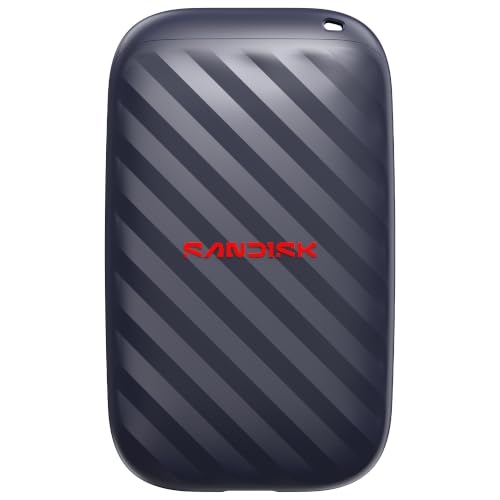
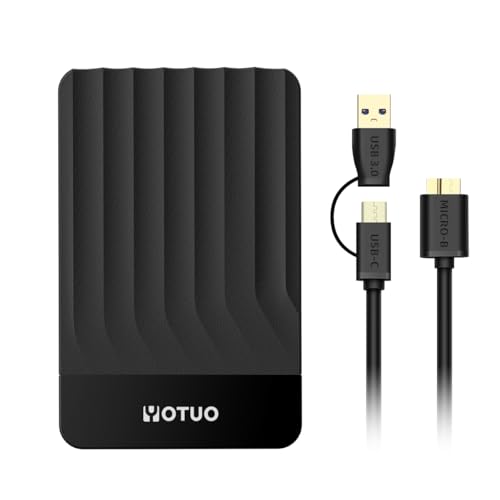
Who Should Buy Them
These drives suit students, photographers, home workers, and anyone who needs a backup or extra space without a big bill. They are ideal for photo libraries, video projects, and system backups. If you edit video daily from the drive itself, a faster solid state model may suit better. For backups and archiving, an affordable hard drive is usually excellent value.
Key Features to Compare
Compare external drives on the practical points that decide speed, safety, and daily convenience.
- Capacity. Choose room for growth, since libraries expand and a full drive cannot protect new files.
- Connection speed. USB 3 or faster connections move large files far quicker than older ports, which matters for big backups.
- Drive type. Traditional hard drives offer more space per dollar, while solid state drives are faster and tougher.
- Portability and toughness. A rugged case and compact size matter if the drive travels, while a desktop drive suits a fixed desk.
- Software and encryption. Backup software and password protection add safety for sensitive files.
Types and Options
External storage comes in a few forms, each with its own balance of price, speed, and toughness.
- Portable hard drives. Compact, bus powered drives that travel easily and suit laptops.
- Desktop hard drives. Larger, mains powered drives with higher capacities for home backup stations.
- Portable solid state drives. Faster and more shock resistant, ideal for frequent travel and active editing.
- Rugged drives. Reinforced cases for field work, travel, and rough handling.
How to Choose the Right One
Estimate your storage honestly, then add headroom. Photo and video libraries grow quickly, so a drive that feels generous today may feel tight in a year. Check your computer ports before buying, since an older port limits even a fast drive. If you back up automatically, choose software that runs quietly in the background without demanding attention.
Think about where the drive will live. A desk drive can be larger and cheaper per gigabyte, while a travel drive must survive bags and bumps. The product table above lets you compare capacity and connection types side by side. For precious files, remember that one drive is not a complete backup plan on its own.
For related guides, see best hard external hard drives, best affordable hard drives, best external hard disk drives, best external storage hard drives and best external hard drives for photography.
Budget and Long Term Value
Affordable portable hard drives often cost from about $50 to $120 for one to two terabytes, with larger capacities higher. Solid state models cost more per gigabyte but bring speed and toughness. Spending a little more for a reputable brand and a longer warranty is wise, since a failed drive costs far more in lost files than in purchase price.
Everyday Use and Care
Eject the drive safely before unplugging, since sudden removal can corrupt files. Keep it cool, dry, and away from magnets and drops. Store a backup copy in a different place when files truly matter, such as a second drive or cloud storage. Check the drive occasionally for errors, and replace any drive that clicks, disconnects often, or runs very hot.
Mistakes to Avoid
- Buying barely enough capacity and filling the drive within months.
- Unplugging without ejecting, which risks corrupted files.
- Keeping the only copy of precious files on one portable drive.
- Ignoring port speed, so large backups take far longer than expected.
Getting the Most From Your Choice
A backup habit matters more than any single drive, so design a routine you can maintain without thinking. Schedule automatic backups for times when the computer is on and the drive is connected, and check occasionally that backups actually complete. Keep a simple log of what lives where, especially if you use more than one drive for photos, work, and media. When backup becomes background routine, lost files become a minor inconvenience rather than a disaster.
Think about file organization as part of storage, because a large drive full of unsorted files still wastes time. Create clear folders by year, project, or family event, and name files so future you can find them. Move finished projects off your computer to the external drive, which also speeds up your main machine. Good organization turns storage from a dumping ground into a useful archive.
Long Term Value
When you judge long term value, look beyond the purchase price to how an external drive holds up under daily use. Build quality and connector durability decide whether a drive survives years of plugging, travel, and backups. A product that needs frequent replacement or repair quickly costs more than a slightly pricier alternative that lasts. Check warranty length, availability of spare parts, and how the maker handles replacements under warranty. These practical details decide whether a budget buy stays a bargain or becomes a repeated expense over the years you own it.
Total cost includes a second drive for a true backup copy, and planning for those costs avoids surprises. One drive alone is not a backup plan, so a second copy belongs in the total cost of protecting files. Set aside a small amount for upkeep from the start, and compare that total against the next price tier rather than judging the sticker alone. Often the middle option costs less over three years than the cheapest one, because it avoids early replacement and performs better throughout its life.
Know when to upgrade rather than repair. If the drive clicks, disconnects often, or shows errors despite safe ejection and care, replacement makes sense. Until then, regular care and timely small fixes extend life considerably. A thoughtful owner gets far more value from a mid priced external drive than a careless owner gets from a premium one, so habits matter as much as hardware.
- Check warranty length and spare part availability before buying.
- Budget for upkeep costs from the first year, not as an afterthought.
- Compare total ownership cost across price tiers, not sticker price alone.
Frequently Asked Questions
How much storage do I need?
It depends on your files. Documents and music need little space, while photo and video libraries need far more. A one to two terabyte drive suits most home users, while video creators may need four terabytes or more. Buy headroom for growth, since a full drive cannot back up new files.
Are hard drives or solid state drives better?
Hard drives offer more capacity per dollar and suit backups and archiving. Solid state drives are faster, quieter, and tougher, which suits travel and active editing. For a backup drive kept at a desk, a hard drive is excellent value. For a drive carried daily, solid state toughness is worth considering.
How do I back up automatically?
Use the backup software that comes with your computer or drive, and set a schedule that runs without your attention. Keep the drive connected during backup windows, or plug it in regularly if it travels. Test a restore occasionally, since a backup you never test may fail when you need it most.
Can an external drive fail?
Yes, all drives can fail eventually, through wear, drops, or electronics faults. That is why important files deserve two copies in different places. Listen for clicking, watch for frequent disconnects, and replace a drive at the first sign of trouble rather than hoping it recovers.
Does connection type matter?
Yes, a faster connection moves large files much quicker, which matters for video libraries and full system backups. Match the drive to your fastest available port. Even a fast drive runs slowly through an old port, so check your computer before choosing.
Final Thoughts: Best Affordable External Hard Drives
The best affordable external hard drives give you room to grow, reliable backups, and peace of mind without a high price. Choose capacity with headroom, match the connection to your computer, and keep a second copy of files that matter. Storage chosen well quietly protects your digital life.