Best Analog Watches 2026: Which Type Is Right for You?
Disclosure: We may earn a commission when you buy through links on this page, at no extra cost to you. As an Amazon Associate I earn from qualifying purchases. Learn more

Compare analog watches by movement, case size, water resistance and strap comfort, and learn which style suits daily wear, work and weekends.
A good analog watch should tell the time at a glance, survive daily wear, and still look right in five years. This guide to the best analog watches explains the main movement types, the specs that matter, and the habits that keep a watch accurate, so you can match one to the way you actually live.
The product table above gives a quick sorting of popular models. The sections below explain what separates them, who each type suits, and where the money is worth spending.




Types of Analog Watches Compared
Quartz Watches
A quartz watch runs on a battery and a vibrating crystal, which makes it accurate to a few seconds per month. It is thin, light, and low in upkeep, and a battery change every two to three years is the main cost. This type suits first time buyers, daily wear, and anyone who rotates between several watches.
Automatic Watches
An automatic watch winds itself from the motion of your wrist and shows a smooth, sweeping second hand. It gains or loses a few seconds per day, needs wearing most days to keep running, and benefits from a service every five to seven years. It suits people who enjoy mechanical craft and wear one watch regularly.
Solar Watches
A solar watch charges a rechargeable cell from indoor and outdoor light, so battery changes become rare. It keeps quartz accuracy and suits travelers, commuters, and outdoor workers who want a watch they can forget about for months.
Dress, Dive, and Field Watches
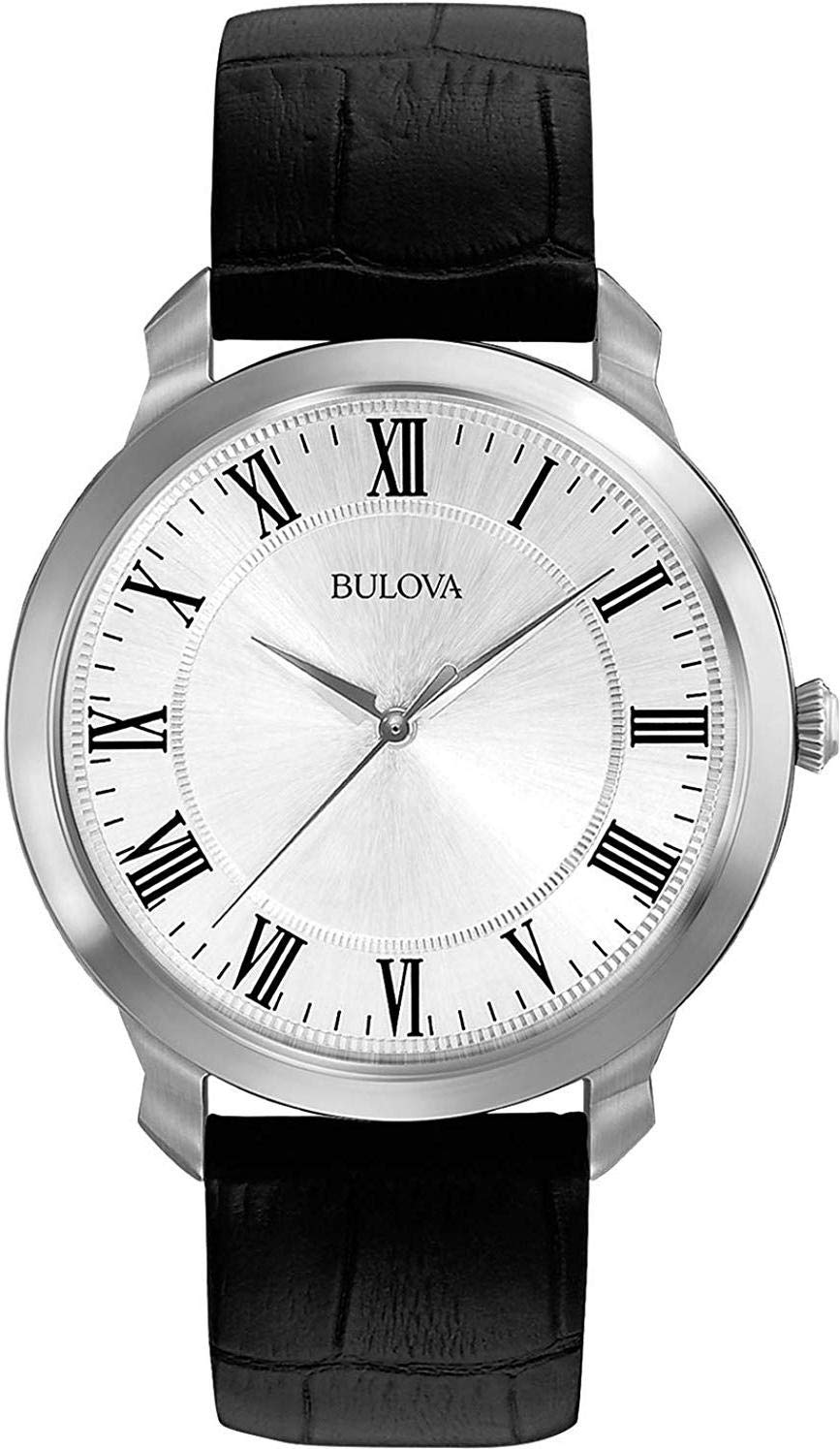
Dress watches use slim cases, clean dials, and leather straps for formal wear, but they handle water and knocks poorly. Dive watches add strong lume, rotating bezels, and 200 meter water resistance, which makes them the safest choice around pools and beaches. Field watches favor simple, high contrast dials and tough straps for hiking, yard work, and travel.
How to Choose the Best Analog Watches
Case Size and Wrist Fit
Most wrists suit a case between 36 and 42 mm. Slim wrists look best with 34 to 38 mm cases, and larger wrists can carry 42 to 44 mm. Lug to lug length matters as much as diameter, because a case that overhangs the wrist edges feels awkward and slides around.
Crystal and Case Materials
Mineral glass is standard on affordable watches and resists shattering, though it scratches over time. Sapphire crystal resists scratches far better and is common above about $300. Stainless steel is the durable default for cases, titanium cuts weight, and resin suits sport and budget models.
Water Resistance
A 30 meter rating covers splashes and rain only. A 50 meter rating handles hand washing and a quick dip, 100 meters suits swimming, and 200 meters with a screw down crown suits regular diving. Seals age, so have them checked whenever the battery is changed, and take any watch off before a hot shower.
Dial Legibility
Look for strong contrast between hands and dial, clear hour markers, and lume that covers the hands and main markers. Slim dress dials look elegant but can be harder to read in dim light than a bold field dial.
Strap and Bracelet
The strap decides daily comfort. Metal bracelets last longest, leather dresses a watch up but wears out in a year or two with daily use, and silicone or fabric straps suit sport and water. Quick release spring bars let you swap straps without tools, so one watch can cover work and weekends.
What Your Budget Can Realistically Buy
Under about $100, expect accurate quartz timekeeping, mineral crystal, and plain finishing. From $100 to $300, solar movements, steel cases, better lume, and entry level automatics appear. Between $300 and $1000, sapphire crystal, finer finishing, and well regulated automatic movements become common. Above that, you are paying for craft and brand heritage more than for daily function. Spend first on the movement, crystal, and water resistance, and last on decoration.
Related Guides Worth Comparing
Men looking for larger cases and bolder styling can compare options in our guide to the best men's analog watches. If you want the time on a hand dial plus a digital readout, see the best digital analog watches.
Smaller case sizes and slimmer straps are covered in the best analog watches for women. For rough use, compare the best analog outdoor watches and the best analog sport watches.
Common Mistakes to Avoid
- Choosing by photo alone and ignoring lug to lug length, which decides whether the case fits your wrist.
- Treating a 30 meter rating as swim protection.
- Buying an automatic without planning to wear it most days.
- Ignoring strap width, which makes cheap replacement straps hard to find.
- Skipping the warranty, especially on gray market bargains.
Care Tips to Keep Your Watch Accurate
Rinse the watch in fresh water after saltwater exposure and dry the strap fully. Store it away from strong magnets such as tablet covers, speakers, and bag clasps, which can disturb a movement. Change a quartz battery promptly when the second hand starts jumping, and ask for a seal check at the same visit. Service an automatic watch every five to seven years, and keep leather straps away from water.
Frequently Asked Questions
Are analog watches hard to read?
No, most are easy once you are used to the hand positions. A clear dial with contrasting hands beats a busy layout for quick glances. If your eyesight is weak, choose larger hands and strong contrast, and check the watch in both bright and dim light.
How often does an automatic watch need service?
Most makers suggest a service every five to seven years, depending on use and the movement. If the watch starts to run far off time or stops often, book a service sooner rather than waiting.
Can I swim with an analog watch?
Only if its rating allows it. A watch rated for 100 meters or more handles pool use, while a dress watch with a low rating should stay dry. Rinse a swim watch with fresh water after pool or sea use.
What strap material lasts longest?
Metal bracelets usually last longest with basic care. Leather feels dressier but needs replacing sooner, and rubber or fabric straps suit active use and wet conditions because they dry quickly.
Does an analog watch suit a small wrist?
Yes, if you choose a smaller case and a slim profile. A case between about 34 and 38 mm suits many smaller wrists. Check that the lugs do not overhang your wrist.
How Movements Compare in Daily Use
Quartz wins on accuracy, with most watches holding within a few seconds per month, and it starts instantly after sitting in a drawer. Automatic movements keep time within a few seconds per day and stop after one to two days off the wrist, so they reward a regular routine. Solar watches match quartz accuracy and add months of power reserve in the dark, which suits irregular wearers. A rough guide: choose quartz for a backup or travel watch, automatic for the one you wear every day, and solar if you hate batteries.
Final Thoughts
Pick the movement that matches your habits, then the case size that fits your wrist, then the style you enjoy looking at. Compare your shortlist in the product table above, and the best analog watches for you will be the ones you reach for every morning.