
Best Analog Outdoor Watches for 2026: A Buying Guide
Disclosure: We may earn a commission when you buy through links on this page, at no extra cost to you. As an Amazon Associate I earn from qualifying purchases. Learn more

The best analog outdoor watches are easy to read, water resistant and tough. Compare movement, strap, case and features for trail and water.
An outdoor watch has to be read at a glance, shrug off knocks and keep working when it is wet, dusty or cold. The best analog outdoor watches do that with real hands, a bright dial, a sturdy case and a strap that stays comfortable all day. This guide explains the features that matter on the trail, the water and the campsite, and how to choose between quartz, solar and mechanical models. The product table above lists current options.
Analog watches have an advantage outdoors: they do not need charging, their dials stay readable in direct sun, and a good one can last for years. Many also include a compass trick using the hour hand and the sun, a bezel for timing, or a luminous dial for dusk.
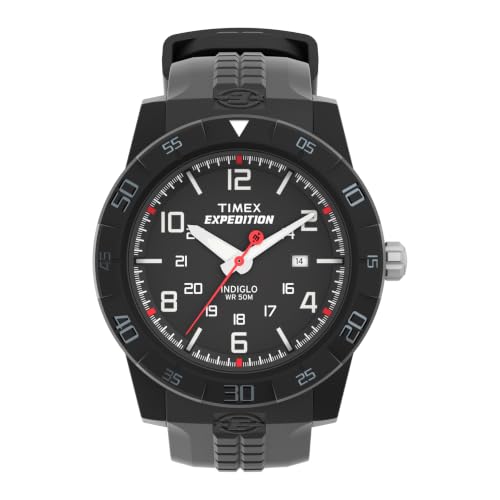
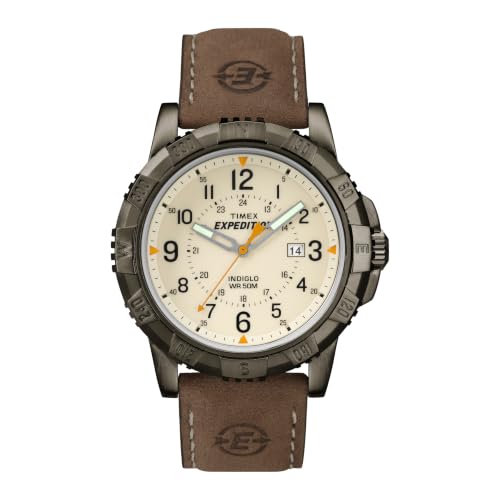


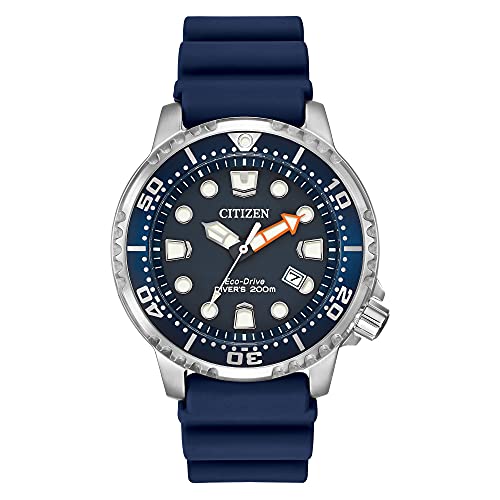

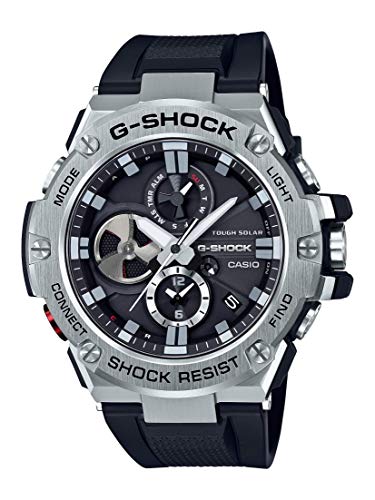

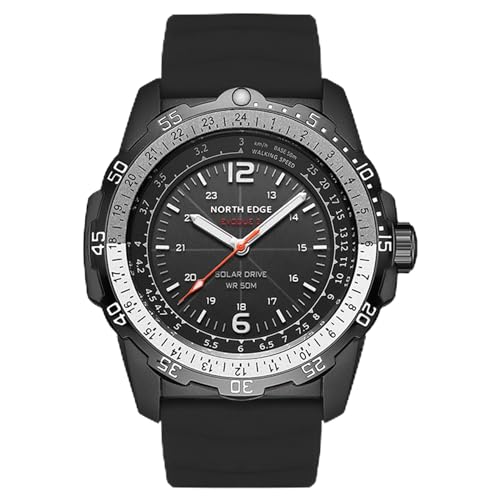
Who Should Buy the Best Analog Outdoor Watches
- Hikers and campers who want a reliable watch without a charging cable.
- Anglers, paddlers and boaters who need strong water resistance.
- Gardeners, builders and farmers who work with their hands and need a watch that tolerates knocks.
- Travelers who want a simple, tough watch that works in any climate.
If you want a wider choice, compare our guides to the best outdoor watches, best rugged outdoor watches and best outdoor sport watches. For general style, see best analog watches.
Key Features to Compare
Legibility and lume
Large Arabic numerals, bold hands and strong contrast make the time easy to read in a hurry. Luminous paint or a backlight lets you read the dial at night. Some watches have a backlight that lights the whole dial with one press, which is handy in a tent.
Water resistance
Water resistance is shown in meters. 50 meters handles rain and splashes, 100 meters suits swimming, and 200 meters suits diving and heavy water use. A screw-down crown adds security. Remember that the rating reflects a fresh seal in still water, so do not press buttons underwater.
Case and crystal
Resin cases absorb knocks and stay light, while stainless steel cases feel solid and resist scratches. Mineral crystal is strong enough for most uses, and sapphire crystal resists scratches best. A raised bezel protects the crystal from impacts.
Movement and power
Quartz watches are accurate and affordable. Solar quartz watches charge from light and reduce battery changes for a decade or more. Automatic watches need no battery but need regular wear and servicing, and they handle hard shocks less well than quartz.
Strap
Fabric and nylon straps are light and dry quickly. Silicone and resin straps resist water and sweat. Steel bracelets are tough but heavy and can trap grit. A quick-release spring bar lets you swap straps for different activities.
Extra tools
A rotating bezel, a date window, a chronograph or a second time zone can be helpful. Choose only the tools you will use, because extra complexity adds cost and makes the dial busier.
Choosing by Activity
Hiking and camping
Weight, legibility and battery life matter most. A light resin or nylon-strapped quartz watch with a luminous dial is ideal, and a solar model avoids battery changes on long trips. A compass bezel or a simple timing bezel helps you track hours of daylight left.
Fishing, paddling and boating
Choose at least 100 meters of water resistance, a rubber or nylon strap, and a screw-down crown. Rinse the watch after salt water and dry the strap fully before storing it. A bright dial helps at dawn and dusk when fish are active.
Work and travel
Gardeners, builders and travelers need a watch that survives bumps. Mineral or sapphire crystal, a protected crown and a sturdy case matter more than extra complications. A day and date window is useful, and a second time zone helps with travel.
Everyday adventure
If one watch must cover the office and the weekend, pick a stainless steel field watch with a neutral dial and an easily swapped strap. It will look right at a desk and on a trail.
Quartz, Solar or Automatic Outdoors
Quartz is the default choice because it is light, accurate and tolerant of knocks, and a battery change every two to three years is cheap. Solar quartz removes most battery changes, which suits long trips and people who forget maintenance, though it needs regular light to stay charged. Automatic watches suit enthusiasts who wear the watch daily, but they drift by seconds each day, they handle hard shocks less well and they cost more to service. For most outdoor use, quartz or solar quartz is the sensible pick.
Budget Expectations
Capable quartz field watches start around $40 to $80. Solar and dive-style models from established makers cost $100 to $350. Premium military-style models cost more but add finish, warranty and resale value. Spend more when a feature solves a real problem, such as solar charging, a stronger case or a better crystal, and remember that a $10 strap swap can change comfort more than a higher price.
Fit, Size and Compatibility
Most outdoor watches have cases between 38 and 45 mm. Measure your wrist and look at lug to lug length, because a long case overhangs a small wrist. Thick cases catch on sleeves and pack straps, so check thickness. Make sure the strap width suits replacement bands you may want to buy.
Everyday Use and Care
Rinse the watch with fresh water after swimming in the sea or after muddy hikes, and dry it with a soft cloth. Keep it away from strong magnets and extreme heat, such as a car dashboard in summer. Check the strap and spring bars before long trips. Have seals checked when you change the battery, and replace worn straps before they fail.
Mistakes to Avoid
- Buying on size alone, without checking wrist fit and thickness.
- Assuming every water rating means the watch is safe for diving.
- Ignoring the strap, which is the part that wears out first.
- Paying for features you will never use outdoors.
Frequently Asked Questions
Can analog outdoor watches handle swimming?
Yes, if they have a rating of at least 100 meters. A 50 meter watch tolerates splashes and brief dips, but it is not meant for regular swimming.
Quartz or automatic for outdoor use?
Quartz is usually the better choice outdoors, because it is accurate, light and resistant to shocks. Automatic watches suit buyers who enjoy mechanical craft and wear the watch every day.
How do I read the dial at night?
Choose a model with luminous hands and markers, or a backlight. Hold the watch under a light for a few seconds first if the lume needs charging.
What strap works best outdoors?
Nylon and silicone straps are the most practical, because they dry quickly and resist sweat. Leather is better kept for dry days.
How often should an outdoor watch be serviced?
Quartz watches need a battery change every two to three years, with a seal check at the same visit. Automatic watches need a full service every five to seven years.
Final Thoughts
The best analog outdoor watches are the ones you can read quickly, trust in the water and wear comfortably all day. Match the water rating to your activities, pick a movement that suits how often you wear the watch, and use the product table above to compare current models.


