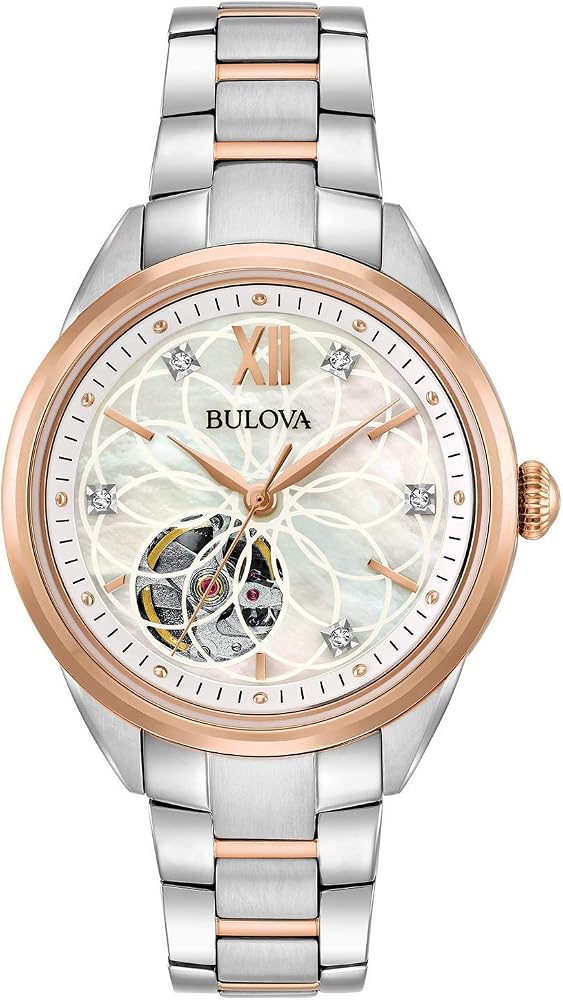
Best Analog Watches Under 500 Made Simple: A Clear Buying Guide for 2026
Disclosure: We may earn a commission when you buy through links on this page, at no extra cost to you. As an Amazon Associate I earn from qualifying purchases. Learn more

Shopping for the best analog watches under 500 for the first time? Learn the terms, compare options, and avoid rookie mistakes with this easy guide.
Buying your first real watch should feel enjoyable, not confusing. This guide walks you through the best analog watches under 500 step by step, starting with the basic terms and ending with a simple way to choose. You do not need any prior knowledge, and you do not need to memorize a long list of brand names.
We will cover movements, case sizes, water resistance, and the features that actually matter at this price. You can scan the comparison table below as you read, then come back to the sections that match your questions. By the end, you will know what to look for and what you can safely ignore.

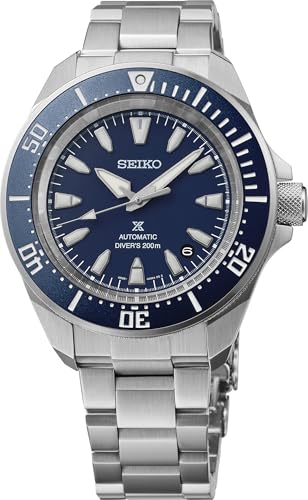
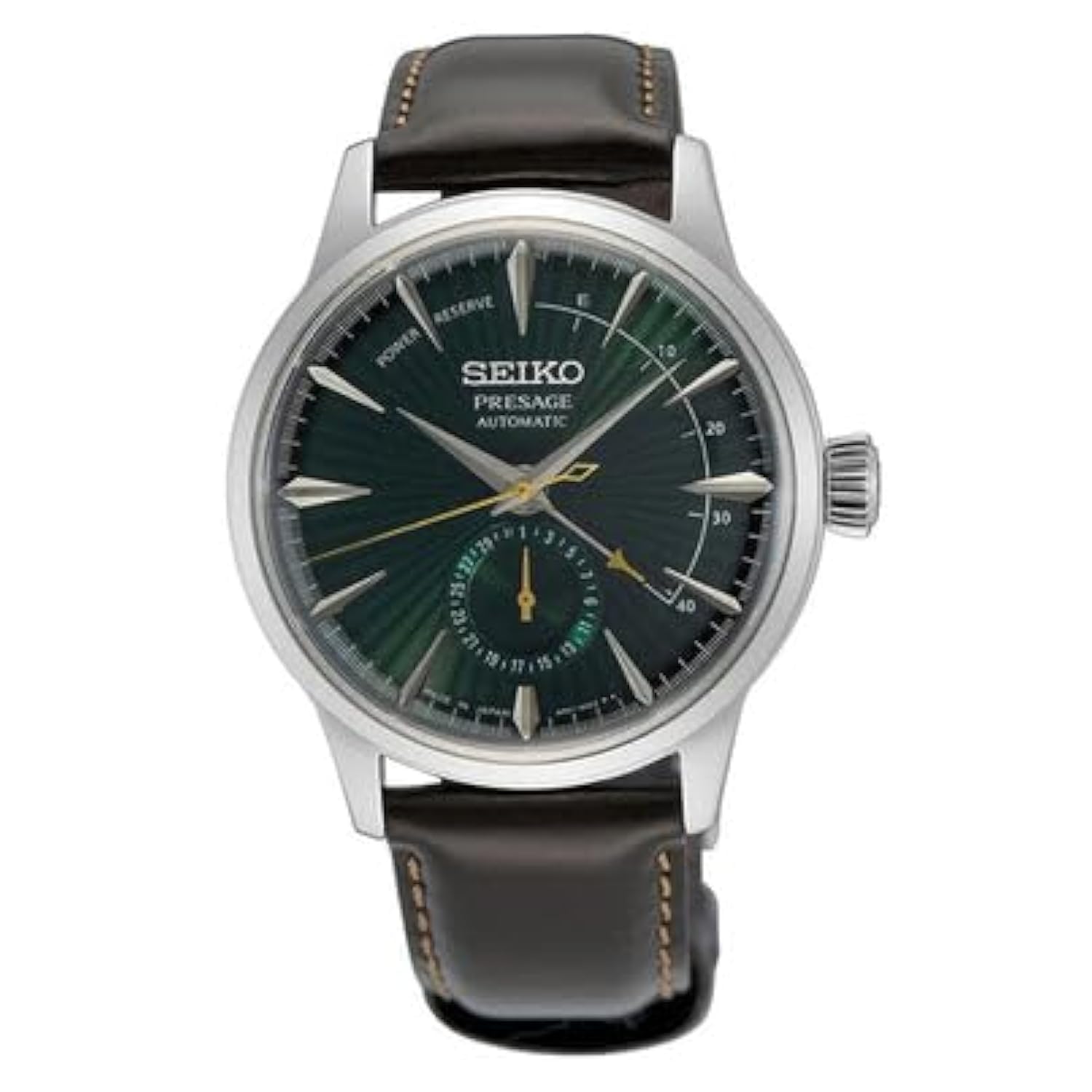

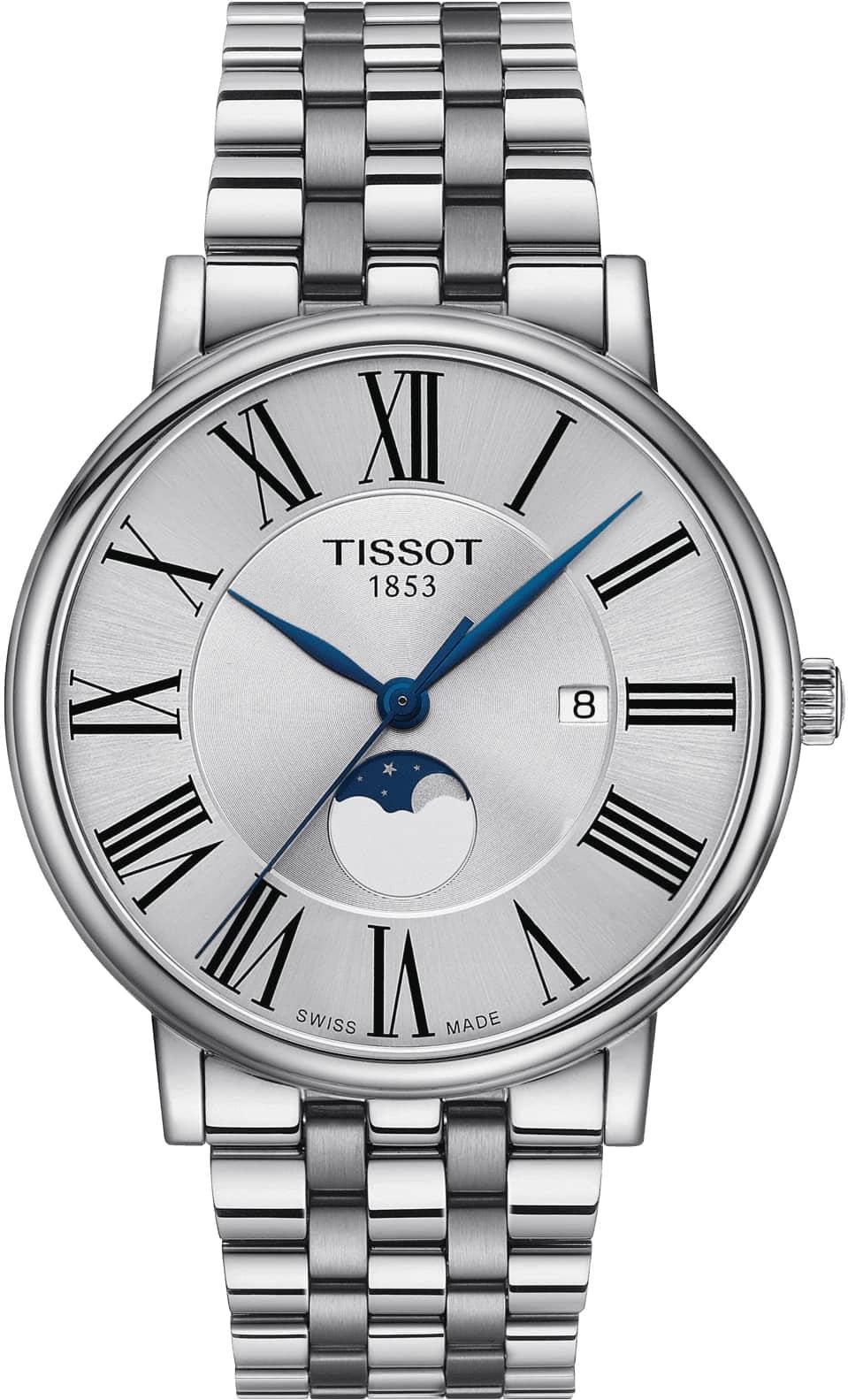


Analog Watches 101: The Basics
An analog watch tells time with hands that move around a dial, usually an hour hand, a minute hand, and often a second hand. Inside the case sits the movement, which is the engine that drives those hands. Some movements run on a battery, while others run on a spring that winds as you move your wrist.
A few terms will help right away. The case is the metal body that holds everything, and case diameter describes how wide it is, measured in millimeters. The crystal is the clear cover over the dial, and the strap or bracelet holds the watch on your wrist. Lume is the glowing material on the hands and markers that helps you read the time in low light.
Analog watches come in styles such as dress watches for formal wear, dive watches built for water, and field watches made for rugged outdoor use. If water use is a priority, our guide to the best dive watches under 500 explains the extra seals and rotating bezels that style requires. For most first time buyers, though, a versatile everyday style is the easiest place to start.
Key Specs Explained in Plain English
What You Can Realistically Get Under $500
This budget is a genuine sweet spot for the best analog watches under 500. Around $150 to $300, you can expect a solid stainless steel case, a reliable quartz or entry level automatic movement, and water resistance suitable for daily wear. Closer to $400 or $500, sapphire crystal, better finishing, and stronger lume become realistic, and some models add a quick release strap that lets you swap straps without tools.
What gets cut at this price is mostly decoration and exotic materials. You will rarely find precious metals, complex complications, or hand finishing. Do not skimp on the movement, the crystal, or the warranty just to gain a flashier dial. Readers who want to compare every style at this budget, digital included, can start with our guide to the best watches under 500 and then narrow back down to analog designs.
Movement Type (Quartz, Automatic, Solar, Smart)
Quartz movements run on a battery and are the most accurate and lowest maintenance choice, often gaining or losing only a few seconds per month. Automatic movements wind themselves from your wrist motion, need no battery, but run a little less precisely and need servicing every 5 to 7 years. Solar movements charge a rechargeable cell from light, so battery changes are rare.
Smart features belong to a different category, since a true analog watch has no screen. Hybrid models hide step counting or notifications behind normal hands, but they need regular charging and app support. If the self winding mechanical feel appeals to you, our guide to the best watches under 500 automatic covers rotor types, power reserve, and hand winding in more depth.
Brand Reputation, Warranty, and Value
A known brand with a real service network in the United States is worth more than a famous sounding name with no support. Look for a warranty of at least two years that covers the movement, and check whether battery changes and pressure testing after service are easy to arrange near you. A watch you can service locally will serve you far longer than one that must be shipped overseas.
Value also means honest specifications. Brands that publish the exact movement, crystal type, and water resistance rating in plain numbers are easier to trust than brands that hide behind vague claims. For a second view of pricing at this level, see our guide to the best watches under 500 dollars, which breaks down where the money actually goes in a watch at this budget.
Smart and Fitness Features
Pure analog watches do not offer GPS, heart rate tracking, or notifications, and that simplicity is exactly why many buyers choose them. There is nothing to charge nightly, no software to update, and no screen competing for your attention. A hybrid analog model can add silent alarms and activity counts, but its health data is a rough guide only and never a substitute for a medical device.
Think honestly about your routine. If you train with pace zones or need route maps, a dedicated sports watch or phone app will serve you better alongside a classic watch for the rest of the day. If you simply want the time at a glance and a watch that still works in ten years, a plain analog model is the calmer and cheaper choice over time.
Legibility and Style
Legibility means you can read the time in one quick glance. Look for strong contrast between the hands and the dial, clear markers at every hour, and lume that covers the hands and at least the main markers. Slim dress dials look elegant but can be harder to read, while bold field and dive dials trade refinement for instant clarity.
Style should match where the watch will live most days. A clean dial in a neutral color pairs with office clothing and casual wear alike, while a colorful dial makes more of a statement. Men comparing case proportions and strap widths for larger wrists may also find our guide to the best male watches under 500 useful, since fit guidance there focuses on bigger cases and longer straps.
Rookie Mistakes to Avoid
- Buying by looks alone. A striking dial means little if the case is too large for your wrist or the strap cannot adjust to a comfortable fit.
- Misreading water resistance. A 30 meter rating means splashes only, not swimming, no matter how large the number sounds at first glance.
- Ignoring the movement. Choosing an automatic without knowing it needs regular wear and periodic servicing leads to frustration when it stops or drifts.
- Skipping the warranty check. Gray market bargains can leave you with no valid warranty and no easy route to repairs later.
- Forgetting strap costs. A worn leather strap needs replacing every year or two with daily wear, so include that small ongoing cost in your plan.
Getting Started: Setup and First Use
When your watch arrives, check the case, crystal, and clasp for damage before removing any protective film. Set the time by pulling the crown out gently, and if your watch has a date window, avoid changing the date between about 9 in the evening and 3 in the morning, when the date mechanism is already engaged. Wind an automatic watch with about 20 to 30 slow crown turns before wearing it the first time.
Adjust the strap so the watch sits snugly above your wrist bone without sliding, leaving room for one fingertip underneath. Rinse the watch in fresh water after saltwater exposure, even if it carries a strong water resistance rating, since salt and sand attack seals and clasps. Store it away from strong magnets such as tablet covers and speakers, which can disturb a mechanical movement.
FAQs
Can you get a good analog watch under $500?
Yes, this budget buys a genuinely good analog watch. You can expect a steel case, a dependable movement, sapphire crystal on many models, and a real warranty. What you give up compared with luxury pieces is fine hand finishing and brand prestige, not everyday reliability or accuracy.
Is a smartwatch worth it over a classic watch?
It depends on whether you will use the data. A smartwatch earns its place if you track workouts, rely on notifications, or use contactless payment daily. A classic watch wins on battery freedom, longevity, and style, and it will never become obsolete because an app stopped supporting it.
What case size fits my wrist?
Measure your wrist with a soft tape where you wear a watch. Wrists under about 6.5 inches usually suit cases of 36 to 38 mm, mid sized wrists suit 38 to 40 mm, and larger wrists can carry 40 to 42 mm. Also check the lug to lug length, since that span decides whether the case overhangs your wrist.
Quartz or automatic: which is better?
Neither is better for everyone. Quartz is more accurate, thinner, and cheaper to own, with only a battery change every 2 to 3 years. Automatic movements offer smooth sweeping seconds and mechanical charm, but they cost more to service and lose accuracy if left unworn for days. Choose based on your habits, not on status.
How water resistant should a watch be?
For daily wear with hand washing and rain, 50 meters is a comfortable minimum. Choose 100 meters if you swim regularly, and 200 meters with a screw down crown for diving. Remember that ratings assume still water under controlled conditions, so pressing buttons underwater is unwise unless the maker explicitly allows it.
Final Thoughts
Start with the movement that fits your routine, then choose a case size that suits your wrist, then pick the style you enjoy looking at. Those three decisions matter more than any single specification number. When you are ready to compare specific models side by side, return to the product table above and match each option against your shortlist of needs. The best analog watches under 500 are not the ones with the longest feature list, but the ones you will wear happily every day for years.