Best Analog Watches Under 50: Which One Fits the Way You Use It? for 2026
Disclosure: We may earn a commission when you buy through links on this page, at no extra cost to you. As an Amazon Associate I earn from qualifying purchases. Learn more

Match features to real use in this guide to the best analog watches under 50, with clear notes on fit, movements, straps, and value for daily wear.
There is no single watch under $50 that suits everyone. A student, a gift buyer, and a worker who needs a tough daily watch all need different things from the same small budget. This guide sorts the best analog watches under 50 by use case so you can spend on the features you will actually notice.
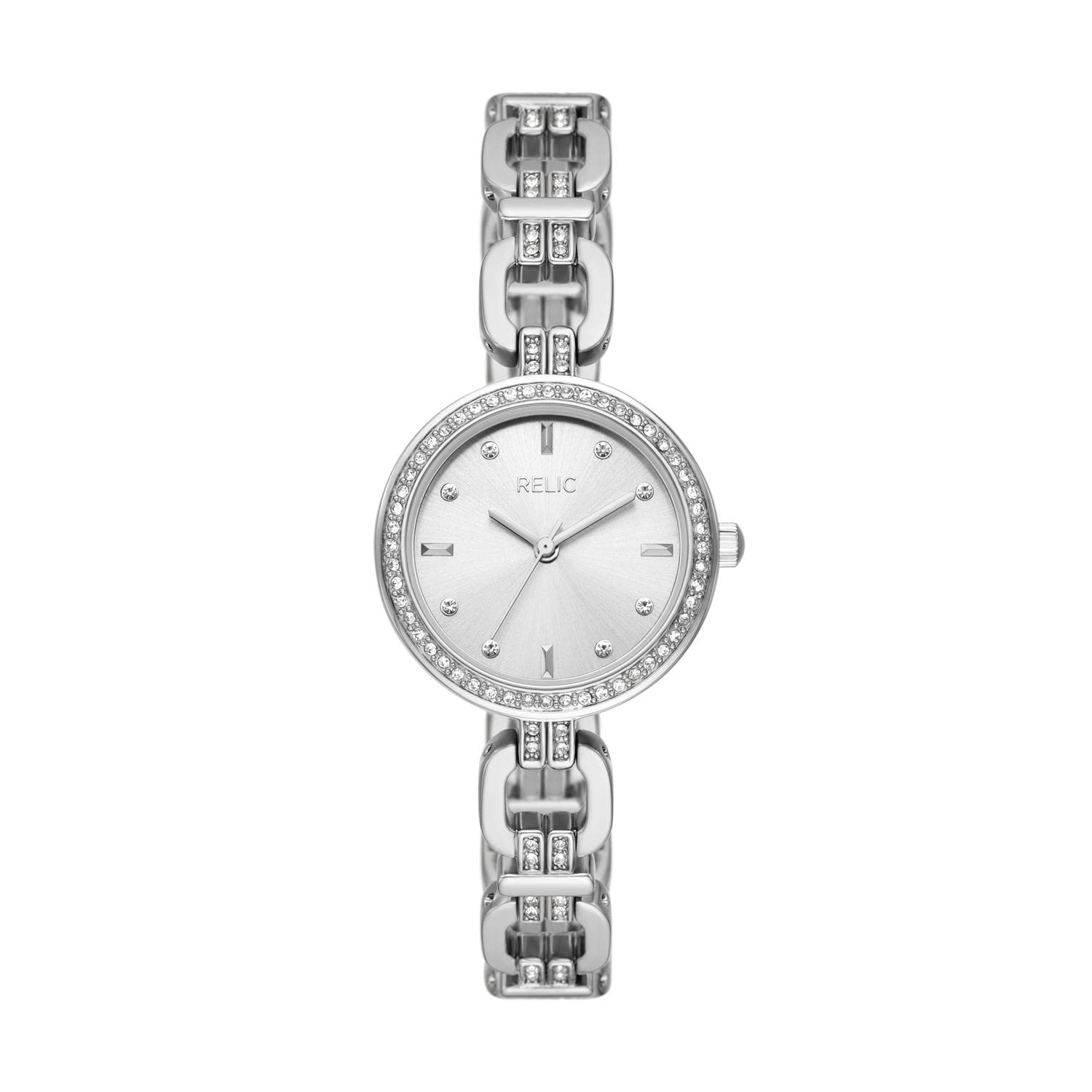
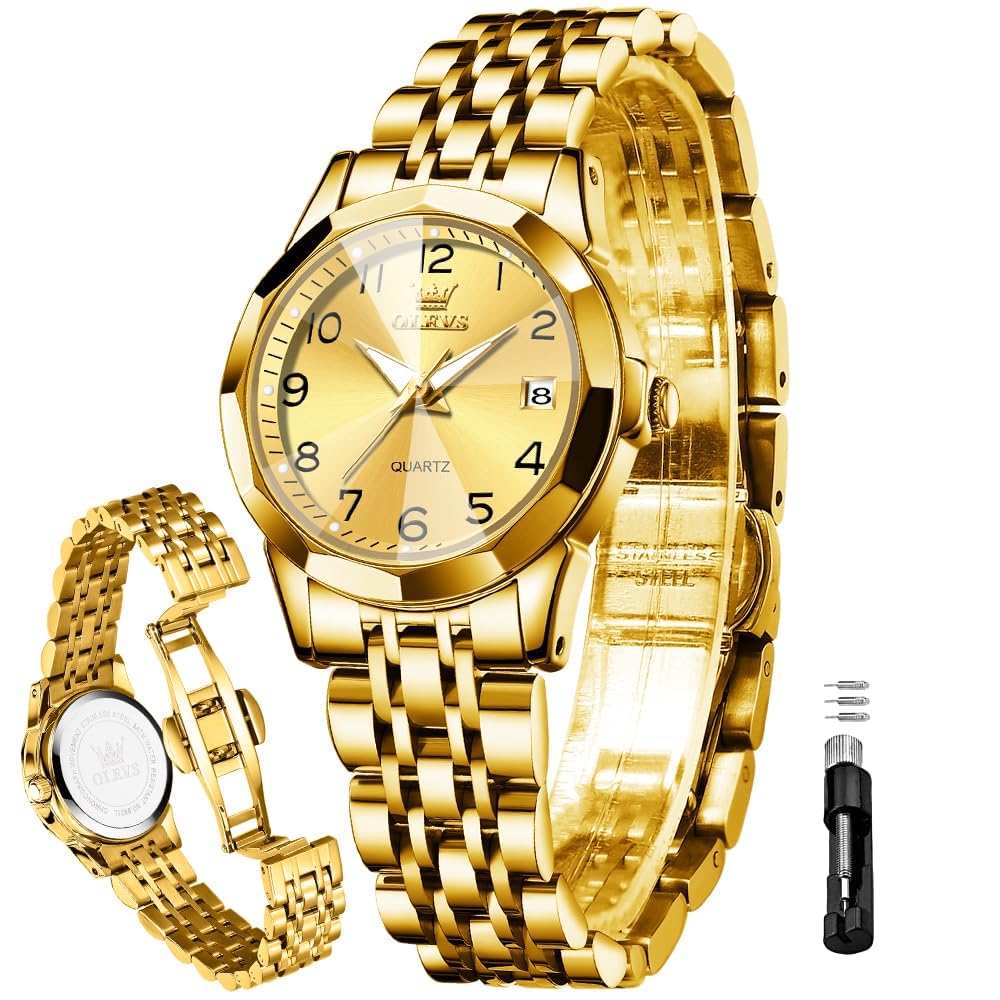
Start by naming your main use, then check the feature sections for that use. Use the comparison table below to compare dial clarity, case size, and water resistance at a glance before you decide.



Who Should Buy Which Analog Watches?
Budget watches reward honest priorities. At under $50 you trade away premium materials, so the win comes from matching the right simple watch to the right job. The four buyer types below cover most purchases in this band. Find your type first, then carry its priorities into the feature checks.
For People Who Want the Best Performance
Performance at this price means accuracy, legibility, and water resistance, not extra complications. Prioritize a proven quartz movement, a bold dial you can read at a glance, and at least 50 meter resistance if the watch will face rain and washing. A resin or simple steel case keeps weight low and cost down. Skip decorative dials with small hands, because they give up the clarity that performance buyers need most. A clear mineral crystal, firm crown, and a strap that dries fast will serve you better than a busy chronograph look with dummy subdials that do nothing.
For Gift Shoppers
A gift watch should suit many wrists and styles, arrive ready to wear, and carry a warranty you can explain. Choose a mid size case around 38 mm to 40 mm, a neutral dial color, and a strap that adjusts widely. Classic numeral or index dials pair with more outfits than bold sport colors. Check the return window in case the size misses, and confirm the battery is fresh so the watch runs on day one. A simple presentation box helps, but fit and clarity matter more than packaging once the watch is on the wrist.
For Value Seekers
Value at under $50 means the lowest total cost over two to three years, not just the lowest tag. A quartz watch with a common battery, a standard strap width, and a replaceable strap keeps running costs tiny. Avoid rare strap fittings and sealed cases that make battery swaps costly. A mineral crystal will scratch before sapphire would, so a slightly domed or recessed crystal that sits below the bezel edge can help. Spend a little more within the budget for water resistance and a solid crown, because those parts fail budget watches most often.
For First Time Buyers
Your first analog watch should be simple to set, easy to read, and forgiving of daily knocks. Choose quartz for accuracy with no winding routine, a plain dial with clear markers, and a comfortable strap you can adjust without tools if it uses quick release pins. A case between 36 mm and 40 mm suits most wrists and will teach you your size preference for future buys. Avoid watches with many pushers or confusing subdials. One clear watch you wear daily teaches you more about fit and style than a complex watch left in a drawer.
For a wider look at this budget, see our guide to the best watches for under 50 across all types.
Key Features to Compare
What You Can Realistically Get Under $50
Around $30 to $50 the best analog watches under 50 offer an accurate quartz movement, a mineral or acrylic crystal, a clear printed dial, and basic water resistance. Around $15 to $30 you keep the accuracy but get lighter cases, simpler straps, and splash only ratings on many models. You will not get sapphire crystal, a true automatic movement with quality parts, or solid steel bracelet construction at this price. Do not pay extra for a long feature list printed on the box. Pay for dial clarity, a firm crown, and a strap that feels secure, because those decide daily satisfaction.
Movement Type
Quartz is the movement to expect and to prefer under $50. It keeps time within a few seconds per month, needs a battery every one to three years, and starts the moment you set it. Automatic movements at this price are rare and usually crude, with loose accuracy and short power reserves, so they make poor first watches. Solar models appear occasionally near the top of the band and can be a good buy if the dial stays clear. Smart features at this price mean a basic screen device rather than a true analog watch, with short battery life and limited app support.
Case Size and Wrist Fit
Most buyers suit 36 mm to 42 mm, with lug to lug length deciding comfort on slim wrists. A thick sport case can feel bulky even at a modest diameter, so note thickness if listed. Try the strap on its middle holes. If you need the last hole or the first hole, the size range may not suit you once the strap stretches. A quick release strap is a real plus at this price because a worn strap is the most likely part to need replacement, and swapping it yourself saves a shop fee.
Smart and Fitness Features
True analog watches under $50 do not include GPS or heart rate tracking, and that is fine for most buyers. If you need step counts or phone alerts, you are shopping for a different device type with charging and app upkeep. Be clear about that choice before you buy, because a basic tracker cannot match analog battery life or classic looks, and an analog watch cannot record workouts. Note that fitness readings from any wrist device are estimates for general wellness and do not replace a medical device. Buy the analog watch for time, style, and simplicity.
Men shopping this budget can compare sizing notes in our guide to the best men's watches under 50.
Common Mistakes to Avoid When Buying Analog Watches
Small mistakes waste a small budget fast. Avoid the most common ones below.
- Choosing by price alone and ignoring dial clarity, which you will notice every day.
- Skipping the section on what you can realistically get under $50, then expecting sapphire or automatic quality.
- Buying a case that is too large or too small for your wrist without checking lug to lug length.
- Ignoring water resistance wording and treating a splash only watch as a swim watch.
- Never checking the warranty length or the return window before you buy.
- Picking a rare strap width that makes a cheap replacement strap hard to find.
Tips to Get the Most From Your Analog Watch
Rinse the watch after saltwater exposure, dry it fully, and store it away from strong magnets such as bag clasps and speakers. Set the time against your phone clock once a month to build a habit of checking accuracy. Rotate the strap holes you use if the strap is leather, so one hole does not stretch out. Replace the battery as soon as timekeeping slips, and ask for a seal check at the same time. If you later own an automatic watch, service it every 5 to 7 years. Keep the spare links and spring bars in a small bag so a strap swap stays easy.
If your budget can stretch a little, compare the step up in our guide to the best analog watches under 100.
FAQs
Can you get a good analog watch under $50?
Yes, you can get a good everyday analog watch under $50 if your expectations match the price. Expect accurate quartz timekeeping, a clear dial, and basic water resistance rather than premium materials. The best buys spend money on legibility and a decent strap instead of decorative extras. For school, work, and daily wear, that formula is more than enough.
Quartz or automatic: which is better?
Quartz is better at this price by a wide margin. It is accurate, cheap to run, and needs no daily winding. Automatics under $50 tend to be crude, inaccurate, and costly to repair relative to their price. If you love mechanical watches, save toward a higher budget where the movements improve. Under $50, let quartz do its simple job well.
How water resistant should a watch be?
Choose at least 30 meters for splash protection and 50 meters if you can, which handles rain and hand washing with more margin. Do not swim with a splash rated watch even if the dial prints a large number. Keep the crown pushed fully in, and remember that heat and soap age seals, so an older budget watch deserves extra care around water.
Is a smartwatch worth it over a classic watch?
Only if you will use alerts and step tracking every day. A classic analog watch runs for years on one battery, needs no charging cable, and suits more outfits. A budget smartwatch adds features but also adds charging, pairing issues, and a shorter useful life. For a gift or a first watch, the classic analog choice is usually the calmer and longer lasting one.
How long does a watch battery last?
Most quartz batteries in this price band last about one to three years. A watch that sat in stock may need a change sooner after you buy it, so keep the receipt in case it stops early. Battery swaps are inexpensive at most watch counters, and a fresh seal check at the same visit helps protect the movement from moisture.
What case size fits my wrist?
Start with 38 mm to 40 mm if you are unsure, since that range suits most wrists. Slim wrists often prefer 36 mm to 38 mm, while larger wrists can carry 42 mm comfortably. Check lug to lug length and strap fit, not diameter alone. If the case edges hang past your wrist, size down even if the diameter looked right on paper.
Our Verdict
Name your use case first, then buy for dial clarity, quartz accuracy, and fit. Those three points matter more than any box claim at this price. Compare your shortlist in the product table above and choose the best analog watches under 50 option that fits your wrist and your routine without stretching the budget.