
Best Analog Cameras for Beginners: A Buying Guide for 2026
Disclosure: We may earn a commission when you buy through links on this page, at no extra cost to you. As an Amazon Associate I earn from qualifying purchases. Learn more

Compare the best analog cameras for beginners by film format, lens, light meter and ease of use, with clear buying tips for your first film camera.
Your first film camera should make learning feel simple, not expensive or confusing. The best analog cameras for beginners share a few traits: they are easy to load, they meter light in a way you can understand, and they forgive small exposure mistakes while you build good habits. Price matters, but so does the cost of film and developing, which you will pay for every single roll.
This guide walks you through the formats, lenses, and features that actually shape your results, plus the checks that matter when most beginner friendly models are sold used. Use the comparison table below to shortlist a few body styles, then read on to match one to the way you like to shoot.
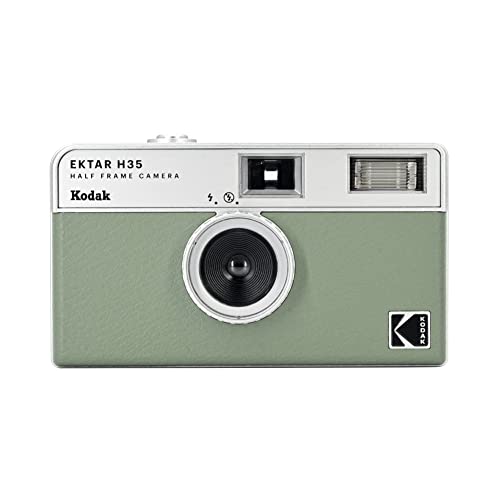

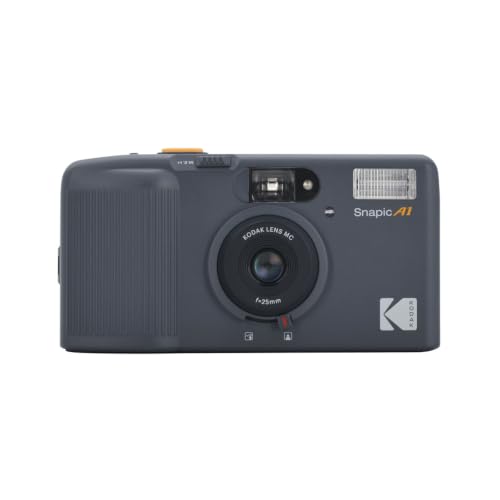


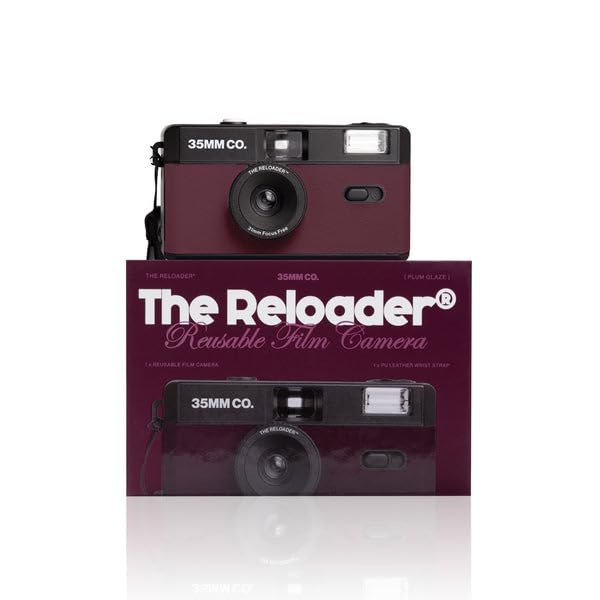


Who Should Buy Which Analog Camera?
Beginners are not all alike. Your patience for manual controls, your budget for film, and the subjects you love will point you toward very different cameras, so start with the group below that sounds most like you.
Curious Shooters Who Want Point and Shoot Simplicity
A compact camera with automatic exposure and autofocus suits you if you want to carry a camera daily and think about composition rather than settings. The camera loads the film, sets exposure, and fires the flash when light drops, so your main jobs are framing and timing. Look for a clean lens, a working flash, and a viewfinder you can see through clearly. Accept that you give up creative control, and that a failing electronic compact can be hard or impossible to repair.
Learners Who Want to Understand Exposure
A 35mm SLR with manual controls suits you if you enjoy learning how aperture, shutter speed, and focus change a photograph. Seeing through the lens makes framing exact, and interchangeable lenses let the same body grow with you for years. A simple match needle or LED meter display teaches you to read light instead of guessing. These cameras are larger and slower to use at first, but each roll teaches more because you chose every setting yourself.
Budget Minded Shooters Testing the Waters
A simple reusable camera or an inexpensive fixed lens model suits you if you want to try film before spending much. Cameras with one shutter speed and zone focus symbols keep decisions minimal, and a roll or two tells you whether you enjoy waiting for scans and prints. Keep expectations modest, because plastic lenses and basic meters limit sharpness and low light results. If the habit sticks, you can move up later with a clearer sense of what you actually missed.
How to Choose an Analog Camera: A Buying Guide
When you compare the best analog cameras for beginners side by side, ignore nostalgia and styling for a moment and work through the practical factors below. Each one changes either your hit rate, your running costs, or how long the camera will keep working for you.
Beginner Friendly Features That Matter
The features that help most are a reliable built in light meter, easy film loading, and a clear way to confirm focus. A meter that works with modern batteries saves you from guessing exposure, while a take up spool that grabs the film leader easily prevents the classic beginner disaster of shooting a whole roll that never advanced. Bright viewfinder markings, a film reminder dial, and a self timer are small comforts. Fancy program modes matter far less than these basics working correctly every time.
Film Format and Image Quality
Film format plays the role that sensor size plays on a digital camera, and 35mm is the natural starting point because film, labs, and scanning are available everywhere. Each frame is large enough for sharp prints, and a standard roll gives you 24 or 36 exposures to learn from. Medium format 120 film records far more detail and smoother tones, but it costs more per frame and the cameras are bigger and slower. Half frame 35mm doubles your shots per roll, trading some enlargement quality for economy and a fun diary style feel.
Film choice matters as much as format. Color negative film forgives overexposure gracefully, which protects beginners, and black and white film rewards careful metering with rich contrast. If image quality is your top priority across camera types, see our guide to the best quality cameras for beginners for a wider look at what sharpness and detail depend on.
Lens and Zoom Range
The objective lens shapes your pictures more than the body does, so inspect it closely for fungus, haze, and deep scratches, which soften contrast and cannot be cleaned away cheaply. A fixed 35mm or 50mm lens with a wide maximum aperture, such as f/2.8 or f/2, is bright, sharp, and teaches you to move your feet. Compact cameras with optical zoom trade that brightness for framing flexibility, and their slower lenses struggle indoors. Whichever style you pick, a clean and clear lens beats extra zoom range every time.
Durability and Weather Sealing
Most classic film cameras were built before weather sealing became common, so treat weatherproof claims with care and assume rain is a risk unless a model was truly designed as a sealed, weatherproof compact. Metal SLR bodies shrug off knocks well, but their foam light seals crumble with age and leak light onto your film, a fault any repair shop can fix cheaply. Check the battery compartment for green corrosion, cycle every shutter speed, and listen for a healthy, even sound. A serviced camera from a careful seller is usually a safer buy than a prettier untested one.
Low Light Performance
On a film camera, low light ability comes from three things working together: a fast lens, steady hands, and film speed. Film rated ISO 400 is the versatile default, handling bright days and dim rooms, while ISO 800 film buys you faster shutter speeds indoors at the cost of more visible grain. There is no image stabilization to rescue slow shutter speeds, so brace against a wall, hold your breath, and avoid speeds below 1/30 of a second without support. A lens that opens to f/2 makes a bigger difference after dark than any other single feature.
Ease of Use for Your Skill Level
Be honest about how much process you enjoy. If reading a manual and setting each exposure sounds fun, a manual SLR will keep you engaged, but if it sounds like homework, an automatic compact will produce more finished rolls and more learning in practice. Digital shooters sometimes expect instant review, app transfer, and 4K video, yet analog cameras offer none of that, and the delay is part of the discipline. Readers weighing both worlds can compare with our guide to the best digital cameras before deciding which learning style fits.
Types of Analog Cameras
Three broad types cover nearly every sensible first purchase. Once you know which family fits your habits, narrowing down a specific model becomes much easier, and you can explore the wider field in our guide to the best analog cameras when you are ready to step up.
Compact Point and Shoot Cameras
Compacts are pocket sized cameras with automatic exposure, autofocus on later models, and a built in flash. They shine at parties, travel, and everyday snapshots because they are ready in a second and ask nothing of you. Downsides include fixed settings in tricky light, motors that whir loudly, and electronics that are rarely economical to repair. Choose one with a glass lens from a respected maker, test the flash and film advance, and keep a spare battery in your bag.
35mm SLR Cameras
An SLR shows you the exact view through the lens, accepts interchangeable lenses, and gives you full manual control alongside helpful meter guidance. It is the best classroom you can buy, and lenses for popular mounts stay affordable because so many were made. The trade offs are size, weight, and a mirror slap that draws attention in quiet places. If you later add digital to your kit, our guide to the best dslr cameras for beginners covers the modern cousins of these cameras.
Rangefinder and Simple Viewfinder Cameras
Rangefinders focus through a bright window with a superimposed patch, which many shooters find fast and pleasant for street and travel photography. They are quiet, compact for their film size, and their lenses are often excellent, though the focusing patch can be dim on worn examples and close up work is limited. Simpler viewfinder cameras skip the rangefinder and rely on distance symbols or fixed focus. Both styles reward shooters who like to pre set exposure and shoot decisively.
How to Make Your Analog Camera Last Longer
A film camera can outlive several generations of digital gear if you treat it gently and keep small problems from growing. These habits protect both the camera and the film inside it.
- Clean the lens with a blower and a lens cloth, never your shirt, because grit dragged across the glass leaves fine scratches that haze every future frame.
- Store the camera in a dry, padded bag away from heat, since humidity feeds lens fungus and attic heat ages film and foam seals quickly.
- Replace foam light seals and check the meter against a known light reading once a year, so light leaks and exposure drift never ruin a full roll.
- Carry a spare battery and a spare roll, and finish rolls within a few months, because exposed film slowly loses contrast when it sits in a warm camera.
- Exercise the shutter at several speeds every month or two if the camera sits unused, which keeps slow speeds from growing sluggish in storage.
- Keep film and loaded cameras out of checked baggage and ask for a hand check at airport security when you can, because strong scanners can fog unprocessed film.
Frequently Asked Questions
What makes an analog camera good for beginners?
A good first analog camera is one with a working light meter, simple loading, and forgiving handling. Reliability matters more than features, because a camera that meters correctly and advances film smoothly lets you judge your own progress honestly. Affordable 35mm film and available repair support complete the picture. One extra tip is to buy from a seller who has shot a test roll, since proven function beats cosmetic shine.
What does film speed such as ISO 400 mean on an analog camera?
Film speed tells you how sensitive the film is to light, and ISO 400 is the all purpose choice for most beginners. Lower speeds like ISO 100 give finer grain in bright sun, while ISO 800 handles dim interiors with more grain. Unlike a digital camera, you set the speed once for the whole roll and cannot change it frame by frame. Push processing at the lab can stretch a roll in an emergency, but it adds contrast and grain.
How much should a beginner spend on a first analog camera?
Most beginners do well spending about $50 to $250 on a camera that has been checked, then reserving real money for film and developing. A roll with processing and scans often costs about $20 to $35, so ten rolls can exceed the price of the camera itself. Buying the cheapest untested body is false economy when a service costs more than the camera. Spend on condition first, and let features come second.
Which lens and film help an analog camera most in low light?
A fast prime lens paired with ISO 800 film helps most, because the wide aperture admits far more light than a compact zoom can. Learning to read your meter in mixed lighting also matters, since bright signs and windows can fool it into underexposing faces. Open up one stop when your subject is backlit. A small tripod or a monopod turns borderline shutter speeds into sharp frames without buying anything exotic.
Is a smartphone enough instead of an analog camera?
A smartphone is enough for instant sharing, but it teaches little about exposure and gives none of the deliberate pace that draws people to film. Action cameras and vlogging cameras sit even further from the analog experience, since both are built around video. If you are curious about digital stills instead, the guide to best digital cameras beginners start with is a useful contrast. Many shooters end up using a phone for daily snaps and film for projects that deserve slowness.
Final Thoughts
Start with the format almost everyone learns on, 35mm, and choose between the ease of a compact and the teaching power of an SLR based on how you honestly like to work. Prioritize a clean lens, an accurate meter, and sound mechanical condition over styling, and budget for film and developing from day one. Compare your shortlist against the product table above, then commit to one camera and several rolls, because consistency teaches faster than gear swapping. Chosen well, the best analog cameras for beginners turn every roll into a small lesson you can hold in your hands.


