
Best Amplifier for Keyboards for 2026: A Buying Guide
Disclosure: We may earn a commission when you buy through links on this page, at no extra cost to you. As an Amazon Associate I earn from qualifying purchases. Learn more

The best amplifier for keyboards keeps piano and synth sounds natural, with the inputs and power you need. Compare types, features and budgets.
A keyboard amplifier is not the same as a guitar amplifier. Pianos, synthesizers and organs cover a wide range of frequencies, from deep bass notes to bright high harmonics, and they sound best through a speaker system that stays clean and full-range. The best amplifier for keyboards reproduces that range without coloring it, offers enough inputs for your instruments and has enough headroom for rehearsals and small gigs. This guide explains the main types, the features to compare and the mistakes to avoid. The product table above lists current options.
The right choice depends on where you play. A quiet bedroom or a teaching studio needs a small, clear amplifier with a headphone output. A band rehearsal needs more power and several inputs. A small gig needs a portable combo or a powered speaker that carries easily.


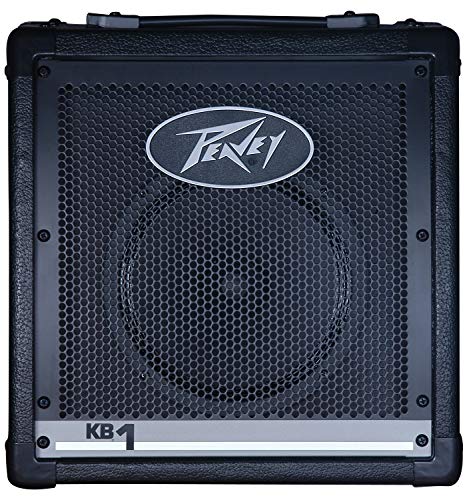


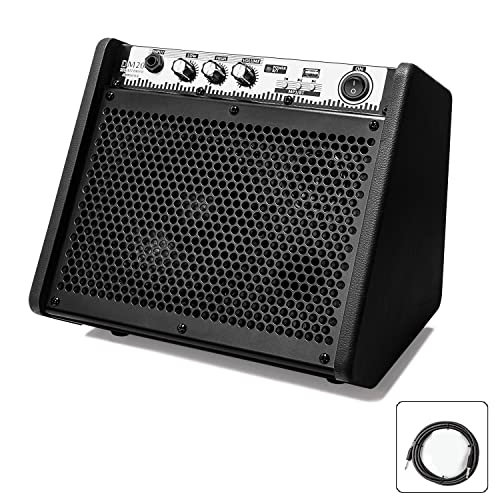
Who Should Buy the Best Amplifier for Keyboards
Keyboard amplifiers suit players who want to hear their instrument as it really sounds, and they are the right choice for stage pianos, digital pianos with line outputs, synthesizers, electric organs and workstation keyboards. Students and teachers benefit from small practice amplifiers. Gigging players benefit from combo amplifiers with several channels and effects. Singer-keyboardists benefit from models that mix a microphone and several instruments in one box.
If your keyboard has built-in speakers that already suit your room, you may not need an amplifier at all. An external amplifier becomes useful when you need more volume, more bass or a way to share the sound with other musicians.
Types of Keyboard Amplifiers Compared
Practice amplifiers
A small practice amplifier, usually 15 to 30 watts, suits home practice and lessons. It offers clear tone at modest volume, often with a headphone output and a simple two-channel layout. It is portable and inexpensive but runs out of volume in a rehearsal with drums.
Keyboard combo amplifiers
A combo amplifier packs speakers and controls in one cabinet and often offers three or four channels with separate volume and tone controls. Power typically ranges from 50 to 150 watts. It suits rehearsals, small gigs and players who want to plug in two keyboards and a microphone.
Stereo mixing amplifiers
Larger stereo keyboard amplifiers use two speakers and a wider frequency range, which keeps piano and string patches natural and gives you stereo width. They are heavier but ideal for players who want accurate stage sound.
Powered speakers and PA systems
A powered speaker or a small PA with a keyboard-friendly channel gives neutral, full-range sound and plenty of volume. It is a good option for singers, for larger rooms and for players who also mix a microphone.
Compact electronic drum and keyboard amps
Small wireless amplifiers marketed for electronic drums also work well for keyboards, because they are tuned for full-range sound at modest power. They are light and affordable, and a good choice for home use.
Key Features to Compare
Power and headroom
Match power to the room, not to the biggest number on the box. As a rough guide, 20 to 30 watts suit practice, 50 to 100 watts suit rehearsals with a drummer, and 150 watts or more suit larger stages. Leave headroom so the amplifier does not distort when you play loudly.
Inputs and channels
Check that the amplifier accepts your keyboard output (usually 1/4 inch line outputs) and any second source. Each channel should have its own volume control so one instrument does not drown the other. A microphone input with phantom power or at least a standard XLR socket helps if you sing.
Tone controls and effects
Simple bass, mid and treble controls are enough. Built-in reverb is a pleasant extra if it is subtle and easy to switch off, because your keyboard may already have effects.
Speaker configuration
A single 8 or 10 inch speaker works for small rooms and for simple patches. A two-way design with a tweeter keeps piano and synth highs clear, and a larger woofer gives fuller bass.
Weight and portability
If you carry the amplifier to every rehearsal, weight matters. Look for a handle, protected corners and a stand mount. Light amplifiers are easy to transport but may have less bass.
Matching the Amplifier to Your Instrument
Stage pianos and digital pianos have the widest range and need the cleanest amplification, so choose a full-range stereo keyboard amplifier or a powered speaker. Synthesizers vary: bass-heavy patches benefit from a larger woofer, while bright lead sounds need a clear tweeter. Organs and string machines like a bit of stereo width. Workstation keyboards with built-in speakers may need only a small amplifier for monitoring. Always check your keyboard's output level and connector type before buying.
Budget Expectations
Small practice amplifiers start around $100 to $200. Combo amplifiers with several channels and stronger power cost about $300 to $700. Larger stereo keyboard amplifiers cost $700 to $1,400. Spend more only when you need the power, the extra channels or the stereo sound, and keep part of the budget for good cables and a stand.
Setup Tips
Connect the keyboard to the amplifier with a quality instrument cable, set the keyboard volume at about three quarters and raise the amplifier volume slowly until the tone stays clean at your loudest playing. Put the amplifier on a stand or tilt it back so it points at your ears, and keep it away from walls to avoid boomy bass. Carry a spare cable for rehearsals, and never run the amplifier at maximum volume for long periods.
Mistakes to Avoid
- Using a guitar amplifier that colors the tone and cuts the bass of piano and synth patches.
- Buying more power than the room needs and then playing too quietly to benefit.
- Ignoring the number of inputs when you plan to add a second keyboard or a microphone.
- Setting the keyboard output too high, which causes distortion at the amplifier input.
- Skipping a stand, so the speaker points at your knees instead of your ears.
Frequently Asked Questions
Do keyboard amplifiers differ from guitar amplifiers?
Yes. A keyboard amplifier aims for a flat, full-range response so piano, strings and synth voices keep their character, while a guitar amplifier colors the tone on purpose. A keyboard or powered speaker design usually gives a cleaner result for piano and synth sounds.
How much power do I need at home?
For home practice, 20 to 30 watts is usually enough, and a headphone output covers quiet practice. For rehearsals with drums, choose 50 to 100 watts or more.
Can I use one amplifier for two keyboards?
Yes, if the amplifier has two or more channels or you add a small mixer. Check that each input has its own level control.
Can I plug a digital piano into any amplifier?
You can connect its line outputs to any amplifier input that suits line level, but a keyboard amplifier or powered speaker will sound better than a narrow-range guitar amplifier.
Does speaker size matter?
It affects bass depth and room fill. Larger speakers give fuller low notes, while smaller ones can sound tighter at low volume.
Final Thoughts
The best amplifier for keyboards is the one that keeps your instrument sounding natural, has the inputs you need and offers enough clean volume for the places you play. Compare the types above, check inputs and power against your routine, and use the product table to shortlist current models.


