
Best Amp for Passive Speakers: Buying Guide for 2026
Disclosure: We may earn a commission when you buy through links on this page, at no extra cost to you. As an Amazon Associate I earn from qualifying purchases. Learn more

How to choose the best amp for passive speakers: power, impedance, inputs and size so your speakers sound clean at home.
Passive speakers contain no amplifier, so they stay silent until an external amp drives them. That makes the amp the heart of a passive system: it sets how clean, loud and controlled the music sounds. This guide to the best amp for passive speakers explains how to match power, impedance, inputs and size so the system suits your room.
Use the product table to compare amps on power, inputs and size. Then read the checks below so the amp you pick fits your speakers and your sources.

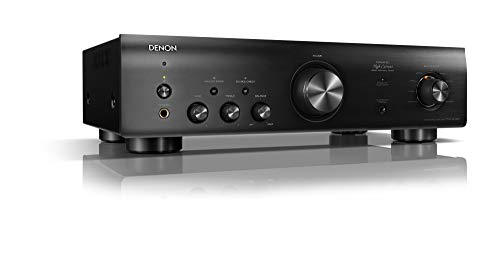

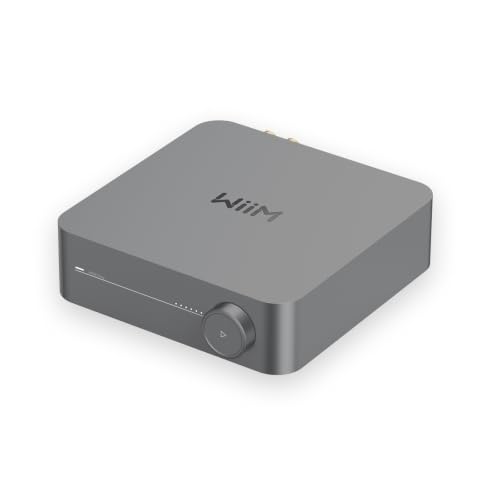


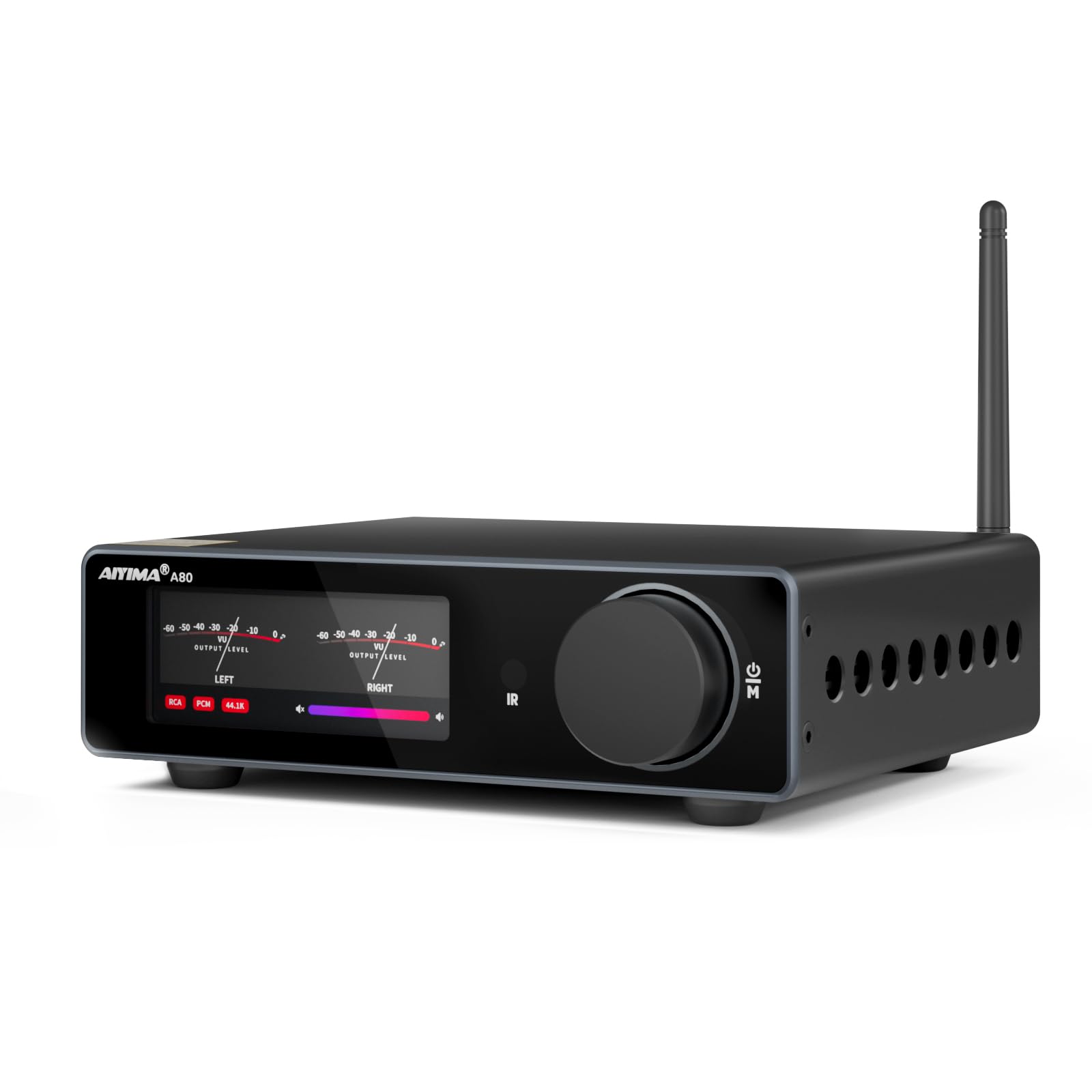
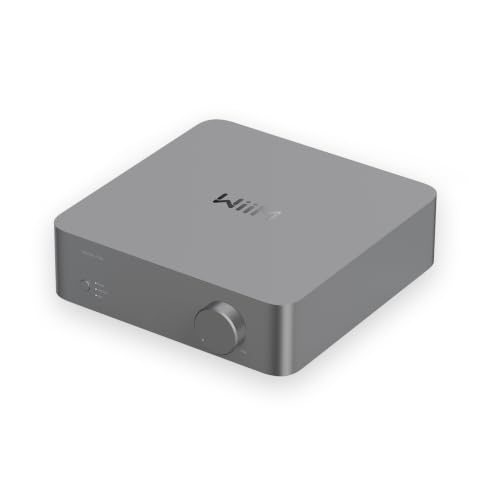
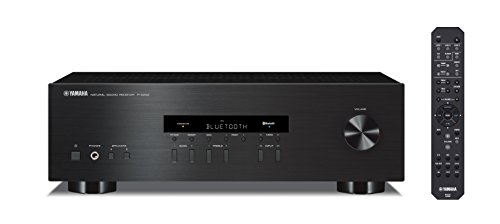

How to Choose the Best Amp for Passive Speakers
Check That Your Speakers Are Passive
Passive speakers have only speaker wire terminals on the back. Powered (active) speakers have a power cord and often a volume knob, and they already contain an amplifier. Adding another amp to powered speakers is not useful and can cause damage, so confirm which type you own first.
Power and Sensitivity
Look for continuous power per channel at a stated impedance, and ignore peak numbers. Most passive home speakers do well with 30 to 100 watts per channel. Sensitivity decides how hard the amp works: a speaker near 90 dB plays loudly on modest power, while one near 84 dB needs several times more for the same volume.
Impedance
Passive speakers are usually rated at 8 ohms, 6 ohms or 4 ohms, and the amp must be rated as stable at that load. Wiring two pairs to one amp can lower the combined load, so check the manual before you connect both. If in doubt, choose an amp clearly rated for 4 ohm loads.
Inputs and Connections
List the sources you use every day. A TV needs an optical or HDMI ARC input, a turntable needs a phono input, and a streamer or computer works well over USB or coaxial. Bluetooth is a useful extra for phones, but a wired connection is better for your main sources. Add one spare input and a subwoofer output if you may expand.
Size and Ventilation
Measure the shelf and leave a few inches above the vents. Compact class D amps run cool and fit desks, while larger class AB amps need more room. Never enclose an amp in a closed cabinet without airflow, because heat shortens its life.
Types of Amps for Passive Speakers
Stereo Amps
A stereo integrated amp is the simplest and most popular match, with one volume knob and several inputs. It suits two speaker music systems with simple wiring, and it is the best starting point for most buyers.
Compact Amps
Compact amps suit desks and small rooms where space is tight and the listening distance is short. They often include Bluetooth and USB. Our guide to the best mini amp for speakers explains what small amps can and cannot do.
Multi Room Amps
Multi room amps power speakers in more than one room, each with its own volume. They suit homes where music follows daily life, and they cost more than a stereo amp. Plan your zones before you buy.
Setup Tips
Place the amp on a stable shelf with air around it. Connect the speaker wire with the power off, matching positive to positive and negative to negative, and make sure no stray strands touch the next terminal. Start with the volume low and the tone controls flat, then raise the level slowly while listening for harshness.
Turn the volume down before you swap inputs or cables. Keep the speakers a short distance from the walls, aimed toward your seat at ear height. If you are choosing speakers as well, see our guide to the best passive speakers, and for general matching rules our overview of the best amp for speakers.
What to Spend and What You Get
Entry level amps give clean power and basic inputs for a desk or bedroom. Mid priced amps add a stronger power supply, a remote, a subwoofer output and often a built in digital converter, which suits a living room. Premium amps add refinement, lower noise and better build, which matters most with revealing speakers in a quiet room.
Spend first on speakers that suit your room, then on an amp that drives them comfortably. A balanced budget usually sounds better than a very expensive amp with weak speakers, or the reverse.
Common Mistakes to Avoid
- Buying an amp for powered speakers. They already include one.
- Judging by peak watts. Compare continuous power at a stated impedance.
- Ignoring impedance. An unstable load causes heat and shutdowns.
- Blocking the vents. Closed cabinets trap heat.
- Forgetting inputs. Count your sources before you order.
Sound Quality and Tuning
A good amp for passive speakers adds no color of its own. Look for low distortion at normal listening power, a quiet background and an even frequency response. Basic bass and treble controls help in rooms that sound boomy or bright, and a loudness setting restores fullness at low volume in the evening.
Judge the system with music you know well. Listen for voices that sound natural, bass that starts and stops cleanly, and treble that stays smooth. If the sound hardens at a moderate level, the amp is running out of clean power or the speakers are too small for the room.
Room Size and Placement
Room size sets how much power you need more than the speakers alone do. A bedroom or desk needs only a few watts for comfortable levels, while a large open living room asks for more. Place the speakers at ear height, angled toward your seat, and keep them a short distance from the back wall for tighter bass.
Keep the speaker wire runs similar in length for both sides, and use a gauge suited to the distance. Heavier wire matters for long runs, while short desk runs work with ordinary speaker wire. Tidy cable routing also keeps signal cables away from power cords, which reduces hum.
Frequently Asked Questions
How do I know if my speakers are passive?
Look at the back. Bare speaker wire terminals and no power cord mean passive. A power cord, a volume knob or a USB input usually means powered speakers.
How many watts do passive speakers need?
Most do well with 30 to 100 watts per channel. Small rooms and efficient speakers need less, and large rooms or low sensitivity speakers need more.
Can I use a receiver with passive speakers?
Yes. A stereo or AV receiver includes an amp and works well with passive speakers. An integrated amp often sounds cleaner for music alone at the same price.
Do I need a phono input?
Only if you connect a turntable without its own preamp. Check the player specifications, and choose an amp with a phono input or add a separate preamp.
What happens if the amp is too weak?
A weak amp clips at higher volume, which sounds harsh and can damage tweeters. Choose more clean power or more efficient speakers.
Final Thoughts
Confirm your speakers are passive, match power and impedance, and choose inputs that fit your sources and a size that fits your shelf. The best amp for passive speakers stays clean at your usual volume and leaves room to grow. Compare your shortlist in the product table, and check each amp against your speaker ratings before you order.


