
Best Amp for Klipsch Speakers: Buying Guide for 2026
Disclosure: We may earn a commission when you buy through links on this page, at no extra cost to you. As an Amazon Associate I earn from qualifying purchases. Learn more

How to choose the best amp for klipsch speakers: power, noise floor, impedance and inputs for efficient horn loaded speakers at home.
Klipsch speakers are known for high sensitivity, lively dynamics and a forward, detailed sound, and those traits shape what makes a good amplifier for them. They reach loud volume on modest power, which means clean, quiet electronics matter more than huge wattage. This guide to the best amp for klipsch speakers explains how to match power, inputs and sound character to your speakers.
Use the product table to compare amps on power, inputs and size. Then read the checks below to decide what suits your room and your Klipsch model.
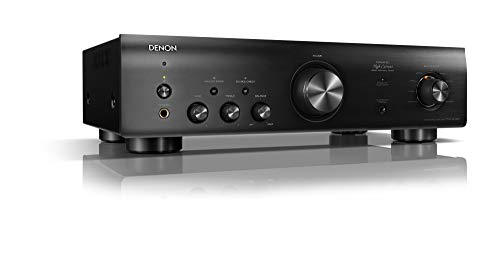


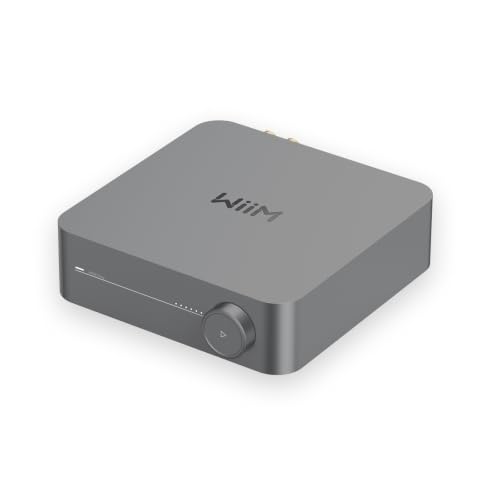


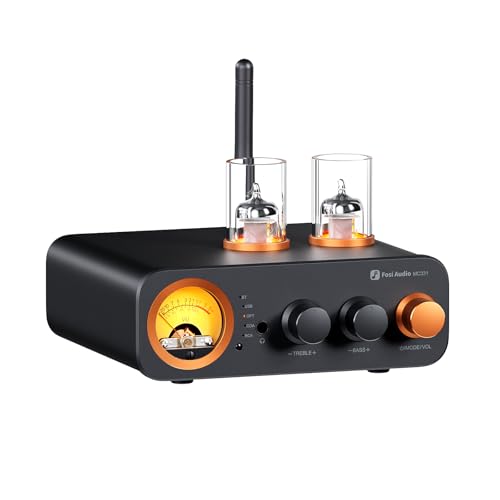
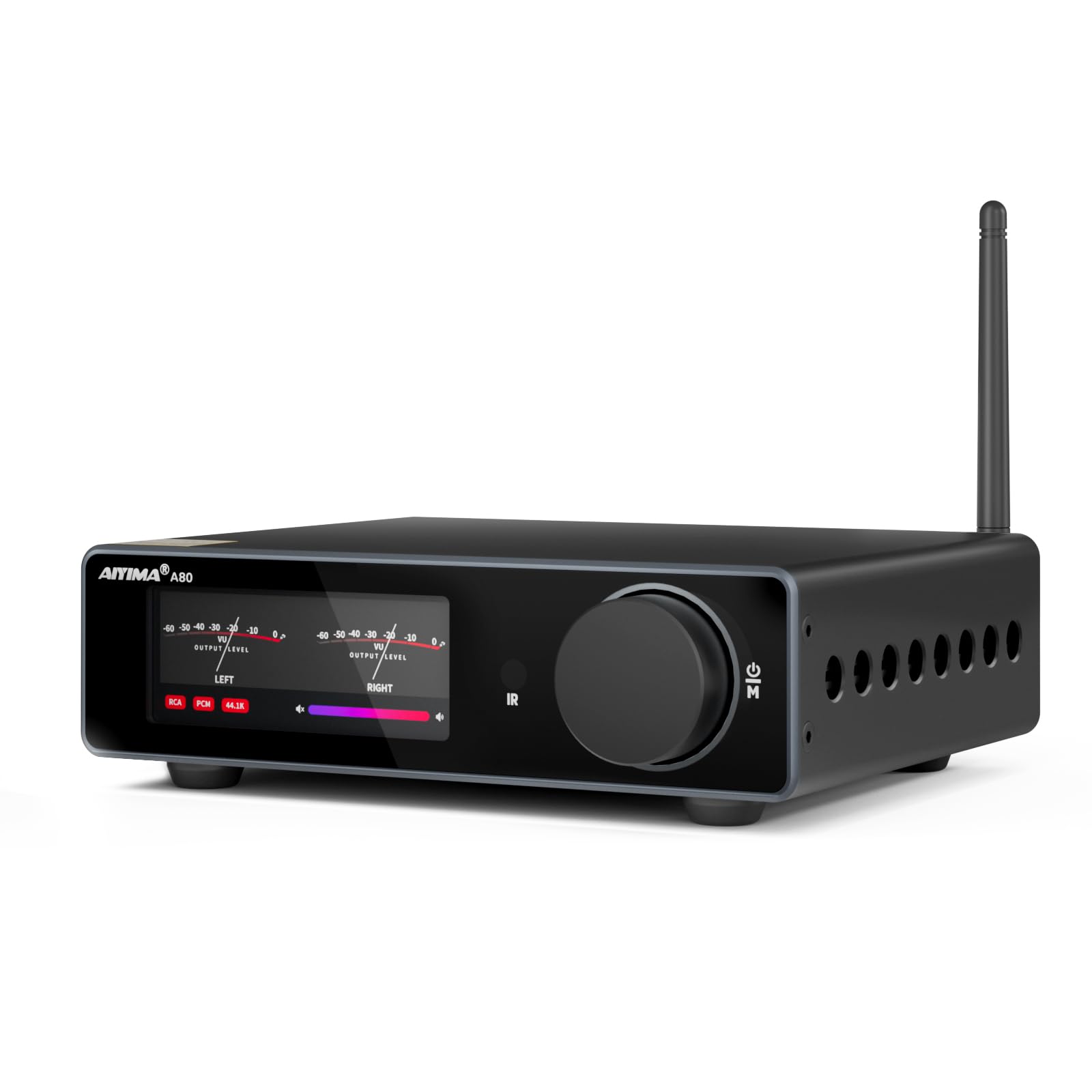
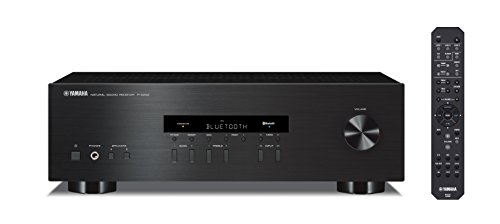
How to Choose the Best Amp for Klipsch Speakers
Sensitivity and Power
Many Klipsch speakers have sensitivity near 95 dB or higher, which is well above the average home speaker. That means 20 to 50 clean watts per channel can fill a large room, and a low power amp can be a good match. Choose an amp that stays quiet at idle, because efficient speakers reveal hiss and hum that other speakers hide.
Impedance
Most Klipsch home speakers are rated at 8 ohms, and some compact models are 4 ohms. Check your manual and confirm the amp is rated for that load. An amp rated for 4 ohms is a safer choice if you plan to change speakers later.
Taming Bright Horns
Horn loaded tweeters play with great detail and can sound bright in a hard room or with a harsh amp. Choose a smooth, neutral amp and use the tone controls to reduce treble slightly if needed. A warmer amp, including a tube design, suits some listeners, though room treatment often does more than electronics.
Inputs and Sources
Match the inputs to your sources. A TV needs an optical or HDMI ARC input, a turntable needs a phono input, and a streamer works over USB, coaxial or the network. Bluetooth is a handy extra for phones. Add a subwoofer output if you plan to extend the bass of compact models.
Types of Amps for Klipsch Speakers
Low Power and Tube Amps
Because the speakers are so efficient, low power amps work well in small and medium rooms. They often give a relaxed, natural sound at moderate volume. They suit listeners who value tone over loud peaks.
Mid Power Integrated Amps
A 50 to 100 watt integrated amp gives headroom for large rooms and dynamic films. It combines inputs, volume and power in one box. This is the most flexible choice for most Klipsch owners.
Home Theater Receivers
A receiver adds surround decoding and room correction, which suits films and games. Check that its power is rated with all channels driven, and that it supports the speaker impedance. If you want a receiver, compare it with an integrated amp for music alone.
Room, Placement and Setup
Klipsch speakers sound best a short distance from the walls, aimed toward your seat at ear height. Efficient speakers are easy to drive but sensitive to room reflections, so soft furnishings and a rug often calm harshness. Connect the speaker wire with the amp off, start with the volume low, and raise it slowly while listening for harshness.
Keep the amp on an open shelf with space above the vents. If you are comparing Klipsch models, see our guides to the best klipsch speakers and the best klipsch bookshelf speakers. For small amps, read about the best mini amp for speakers, and for general matching rules, our overview of the best amp for speakers.
Plan a short listening session with familiar music after setup. Notice whether voices sound natural, whether cymbals stay smooth, and whether bass feels tidy. Adjust the speaker position and the tone controls before judging the amp, because small changes often fix what first sounds like an equipment fault.
Common Mistakes to Avoid
- Buying too much power. Efficient speakers need little, and a noisy powerful amp is a poor trade.
- Ignoring the noise floor. Hiss is easy to hear through horn tweeters.
- Judging at full volume. Listen at the level you use every day.
- Skipping room treatment. A rug or curtains can calm brightness better than an amp change.
- Forgetting a spare input. You will probably add a source later.
Matching Power to Your Room
Because Klipsch speakers are efficient, room size and listening distance decide the amp more than speaker rating does. In a small room at six feet, a 20 watt amp already reaches loud volume. In a large open room at twelve feet or more, a 50 to 100 watt amp keeps dynamic peaks clean, since sound level falls with distance.
Sit down at your usual seat and picture your loudest normal listening. If you rarely go beyond moderate volume, a modest amp with a quiet background and good inputs is the smart purchase. If you host guests or watch action films loudly, step up one power tier so the amp never runs near its limit.
Budget and What Changes by Price
Entry level amps give clean basics for a bedroom or office, with Bluetooth and a couple of wired inputs. Mid priced amps add stronger power supplies, a remote, a subwoofer output and often a built in digital converter, which suits a living room system. Premium amps add refinement, lower noise and better build, which you hear mainly with revealing speakers in a quiet room.
Put money into a quiet, well built amp rather than a large power number, and leave some budget for speaker cable and stands. Efficient speakers reward good placement as much as good electronics, and a few inches of movement can change the balance more than an upgrade.
Speaker Care and Safety
Turn the volume down before switching inputs or cables, and power the amp off when connecting speaker wire. Efficient speakers can be damaged by a distorted signal even at moderate settings, so back off if the sound turns harsh. Keep wire runs short and of adequate thickness, and check the terminals each season for loose strands.
Frequently Asked Questions
How many watts do Klipsch speakers need?
Most do well with 20 to 100 watts per channel. High sensitivity means modest power reaches strong volume, so clean power matters more than a large number.
Can I use a tube amp with Klipsch speakers?
Yes. Their efficiency suits low power tube amps well. Check that the amp output matches the speaker impedance, and allow for the heat and tube replacement.
Why do my Klipsch speakers sound bright?
Brightness usually comes from a hard room, a harsh source or a bright amp. Try moving the speakers, adding soft furnishings, or reducing treble slightly before changing equipment.
Do I need a subwoofer?
Compact Klipsch models benefit from a subwoofer for films and bass heavy music. Choose an amp with a subwoofer output so you can add one later.
Can a receiver drive Klipsch speakers?
Yes, a receiver works well, especially for films. For music alone, an integrated amp at the same price often sounds a little cleaner.
Final Thoughts
Choose a quiet, clean amp with enough power for your room, matched to your speaker impedance and your sources. The best amp for klipsch speakers lets their dynamics and detail through without adding hiss or harshness. Compare your shortlist in the product table, and confirm each amp against your speaker ratings before you order.


