
Best Amp for Ceiling Speakers by Budget: Smart Picks for 2026
Disclosure: We may earn a commission when you buy through links on this page, at no extra cost to you. As an Amazon Associate I earn from qualifying purchases. Learn more

Compare the best amp for ceiling speakers at every price point. Learn what you get at budget, midrange, and premium levels and where spending more pays off.
Amps for ceiling speakers range from under $100 to well past $1,000, and the price gap is not about snobbery. It buys zones, streaming brains, and power headroom, or it buys none of those if you choose badly. The trick is knowing which tier matches the number of rooms and speakers you actually have.
This guide breaks down what each budget level delivers when you shop for the best amp for ceiling speakers, which features deserve your money, and which ones you can skip without regret. Use the comparison table below to see current models in each tier, then read on to learn how to judge them.

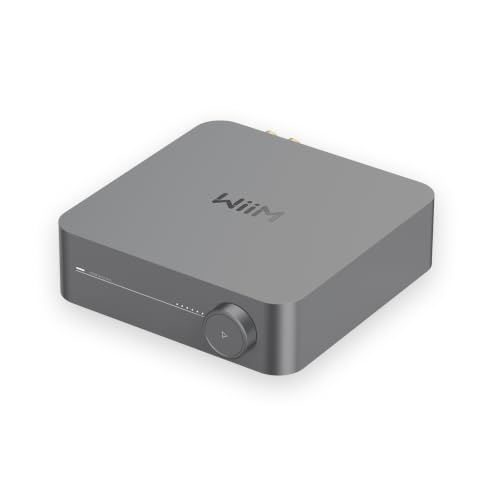
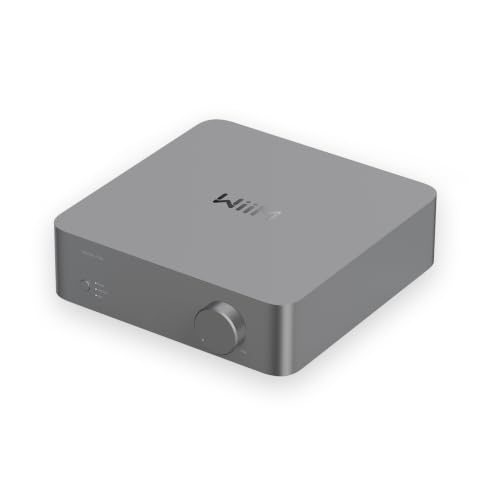
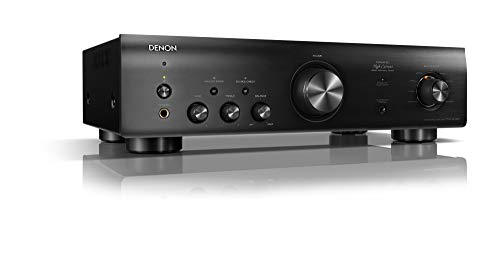
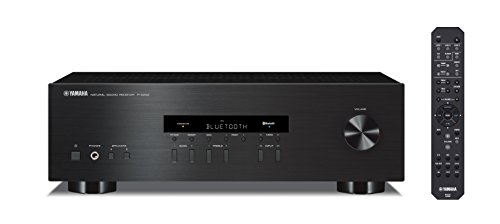


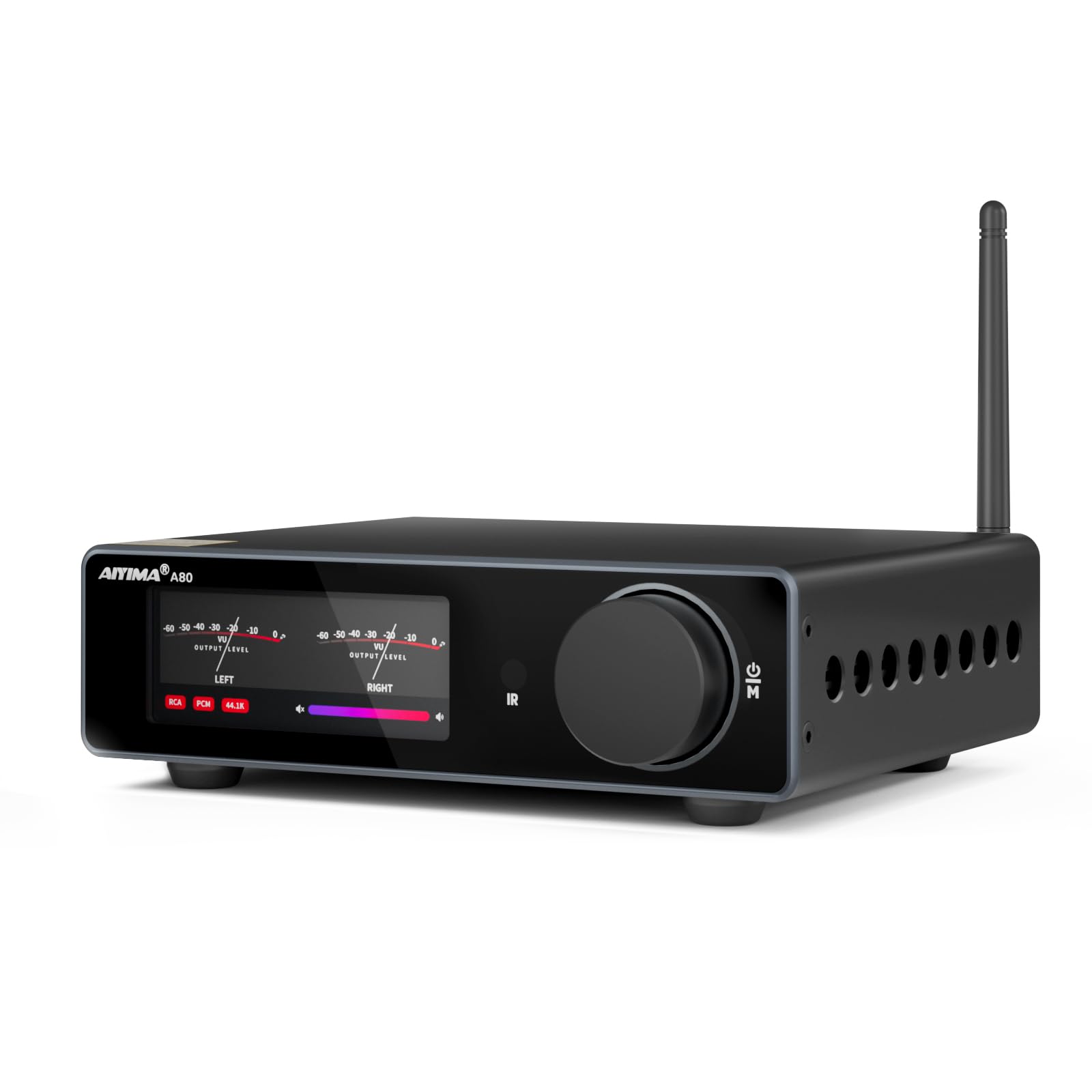

Three Buyer Profiles by Budget
Instead of naming favorite models, which change constantly, it helps to picture the three amp profiles you will meet at each price level. Match yourself to a profile first, and the shopping list writes itself.
Budget Profile: The Single Room Stereo Amp
This profile suits one room with a single pair of ceiling speakers, such as a kitchen or home office. The amp is a compact two channel unit with Bluetooth and maybe one or two wired inputs, selling for under about $150. Its strengths are simplicity and price: you install it once, pair your phone, and enjoy background music daily. The limitation is reach. Power is modest, there is no second zone, and app control is basic or absent. For one pair of speakers at background levels, none of that matters, and overspending here buys features that sit unused.
Midrange Profile: The Multi Zone Workhorse
This profile suits two to four rooms, each with its own pair of speakers and its own volume. Expect to spend about $250 to $600 for an amp with several powered zones or a streaming amp per zone, plus app control and services like AirPlay or Spotify Connect built in. Strengths include independent volume per room, cleaner wiring, and enough power for lively listening, not just background. The limitation is planning: you must decide your zone layout before installation, because adding powered zones later usually means another amp. Most family homes land happily in this tier.
Premium Profile: The Whole Home Platform
This profile suits larger homes with six or more zones, outdoor areas, and a wish for one app to run everything. Budget about $800 and up, often with a per zone cost once you add streaming amps or a matrix amplifier. Strengths are polish and scale: synchronized playback, per zone tone and volume presets, voice assistant options, and rock solid networking. The limitation is total cost and complexity, including the in ceiling speakers themselves and professional installation for big systems. If your home truly has that many rooms to fill, the premium tier earns its price every day.
What Your Money Gets You at Each Price Tier
Budget Tier: What to Expect
At under about $150, expect a two channel amp with roughly 20 to 50 watts per channel, Bluetooth, and a couple of wired inputs. You give up multi room control, built in streaming services, and per zone volume from an app. Build quality is functional, and speaker terminals may be spring clips rather than binding posts. This tier fits one pair of ceiling speakers in one room. Choose speakers with decent sensitivity so modest power still reaches comfortable volume, and keep wire runs reasonably short to avoid losses.
Midrange Tier: The Sweet Spot for Most Buyers
Between about $250 and $600, amps add the features multi room homes actually use. Expect four to eight channels for two to four zones, app based volume per zone, streaming built in, and better power supplies that stay composed when several zones play at once. Speaker terminals improve, twelve volt triggers and IR control appear, and setup software gets friendlier. This tier also tends to include protection circuits that guard your speakers and the amp itself. For most buyers wiring a kitchen, living room, and patio, this is where money stops buying luxury and starts buying daily convenience.
Premium Tier: When Spending More Pays Off
Above about $800, you pay for scale, integration, and refinement. Premium systems offer many zones with individual source selection, so one person streams a podcast in the kitchen while another plays records in the den. You also get advanced room correction in some ecosystems, elegant keypads or touch controls, and deep integration with smart home platforms. Amplification quality improves too, with quieter backgrounds that suit better speakers. Spending more pays off when your zone count is high or when one unified app matters to everyone in the house. It does not pay off for a single bathroom pair.
Features Worth Paying For and Ones to Skip
Features That Matter for Ceiling Speakers
Ceiling speakers are passive and spread across rooms, so the amp must supply enough channels, stable power into the combined load, and per zone volume. Count your speaker pairs first, then choose an amp with at least that many powered zones or plan one amp per zone. Impedance protection matters because wiring two pairs in parallel can drop the load, and good amps handle that safely. If you have not chosen speakers yet, our guide to the best ceiling speakers explains driver sizes and moisture ratings for kitchens and bathrooms.
Sound Quality and Tuning
Ceiling speakers fire downward and often sit in reflective kitchens, so clarity at low volume matters more than raw loudness. Per zone bass and treble controls help tame a tiled room or add warmth in a carpeted den. A loudness feature that lifts bass and treble gently at low levels keeps background music full without turning it up. Frequency response of the amp itself is rarely the limit; even modest amps pass the full audible range evenly. Spend on speakers and placement first, then on an amp with useful tone shaping per zone.
Power, Zones, and Daily Running
Forget battery talk here: ceiling speaker amps run on wall power and stay on standby for years. What matters is watts per zone with all zones driven, not just two, because shared power supplies sag when every room plays at once. Check the all channels driven rating when a spec sheet offers one. Standby draw and auto wake from a signal are worth paying for, since an amp that wakes when your TV or streamer starts feels invisible. Efficient class D designs also run cool inside cabinets, which protects the amp and nearby gear.
Size, Fit, and Installation
Comfort for an installed amp means ventilation, wiring access, and controls that reach everyone. Rack mount or compact streaming amps suit closets and cabinets, but every amp needs air space above and behind it. Measure your cabinet depth with cables attached, not just the box. App control matters because the amp may live out of sight; a household where only one phone can adjust volume becomes a household that stops using the system. If you prefer a single streaming amp tucked near one pair of speakers, our guide to the best mini amp for speakers covers the compact route.
Long Term Costs to Factor In
The amp is only part of the bill. Speaker wire for long ceiling runs adds up, and thicker wire for runs over about 50 feet protects bass and volume. Budget for wall volume controls if you want local adjustment without a phone, plus patch cables and possibly a network switch for several streaming amps. Electricity costs are small but real for always on systems, so efficient standby modes pay back slowly. Finally, weigh warranty length and the cost of professional installation for large systems, because pulling wire after drywall closes is far pricier than planning runs during a remodel. Total ownership, not the amp price alone, should guide your tier choice.
Ecosystem choice also shapes long term cost. If your home already runs one streaming platform, matching amps avoids duplicate subscriptions and extra apps. Readers building around a Sonos Connect Amp style setup can see our guide to the best ceiling speakers for sonos connect amp for pairing notes. And for a general grounding in amp formats before you commit, see our guide to the best amp for speakers.
Amps: Your Questions Answered
What features matter most in amps for ceiling speakers?
Enough powered zones for your rooms, per zone volume from an app, and stable power into the combined speaker load matter most. Add streaming you already use, such as AirPlay or Spotify Connect, and protection circuits for parallel wired pairs. Tone controls per zone help reflective kitchens. Everything else, from extra inputs to fancy displays, ranks below those basics for an amp that may live hidden in a cabinet.
How long does the battery last in an amp for ceiling speakers?
There is no battery, because ceiling speaker amps run on wall power and wait in standby. The useful numbers are standby draw and how fast the amp wakes when a source starts playing. Efficient models sip under a watt or two at idle and wake in seconds from a TV signal or app command. If a room needs music far from outlets, that is a job for a portable speaker, not for an installed ceiling system.
What IP rating do I need for outdoor use with ceiling speakers?
The amp itself should stay indoors or in a dry, covered equipment space regardless of rating claims. IP ratings matter for the speakers: bathroom and covered patio speakers should carry moisture resistance, often described as humidity rated rather than a strict IP number, while fully exposed outdoor speakers need proper weatherproofing such as IP65 or better. Keep the amp dry, give it ventilation, and let rated speakers handle the weather at the ceiling.
Do I need a special codec for an amp for ceiling speakers?
No special codec is needed for installed systems, because most streaming arrives over WiFi at full quality rather than over Bluetooth. Codecs such as AAC or aptX only affect quick Bluetooth pairing from a phone, which is fine for casual listening. What matters more is that the amp supports the streaming services and voice platforms your household already uses. A stable wired network connection to the amp beats any codec upgrade for reliability.
Wired or wireless: which sounds better for ceiling speakers?
Wired speaker runs from the amp to each ceiling speaker sound best and never drop out, which is why installed systems are wired by design. Wireless enters the picture only between your phone or network and the amp, where WiFi streaming carries full quality without compression worries. Avoid wireless speaker links for permanent installs when wire is possible. Run wire once during construction or remodeling and you gain decades of stable, full fidelity playback in every zone.
Our Verdict
Match the tier to your zone count: a simple stereo amp for one room, a multi zone amp for most family homes, and a whole home platform only when the room count justifies it. Prioritize per zone volume, honest all channels power, and the streaming your household already uses. Scan the product table above with those filters and the best amp for ceiling speakers for your budget becomes an easy, confident choice.


