
Best Amp for Bose 251 Speakers at Every Price: What Your Money Really Gets You for 2026
Disclosure: We may earn a commission when you buy through links on this page, at no extra cost to you. As an Amazon Associate I earn from qualifying purchases. Learn more

Compare the best amp for bose 251 speakers at every price point. Learn what you get at budget, midrange, and premium levels and where spending more pays off.
Prices for a suitable amp run from under $100 to well over $500, and the boxes can look almost identical. Finding the best amp for bose 251 speakers means knowing which upgrades actually change the sound on your patio and which ones only change the price tag.
These outdoor speakers are passive, rated for up to about 200 watts per channel at 6 ohms in many listings, and they play best with clean, moderate power rather than extremes. This guide breaks down each price tier, the features worth paying for, and the long term costs, with the comparison table below as your quick reference.
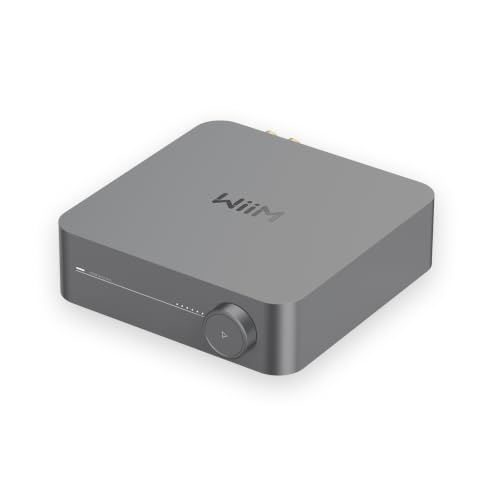

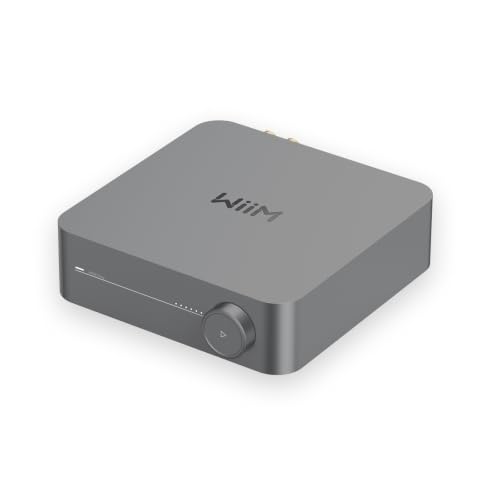
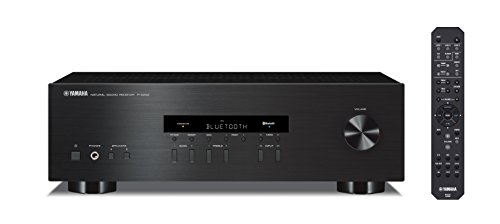

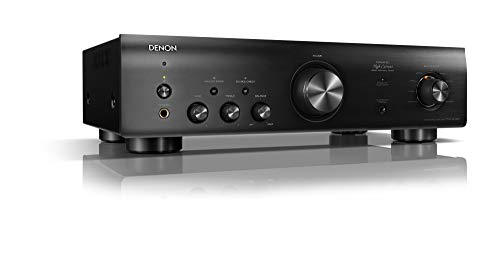


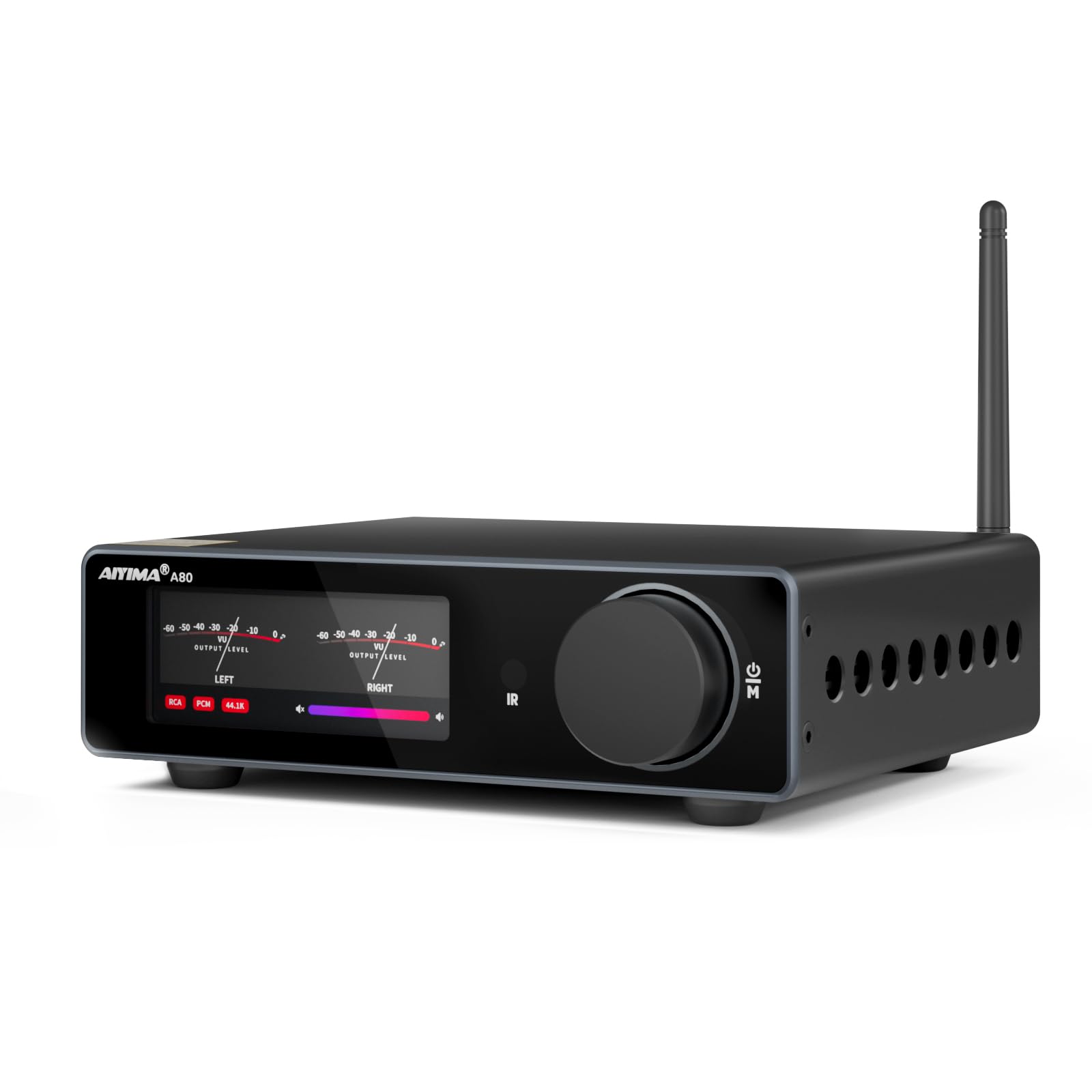
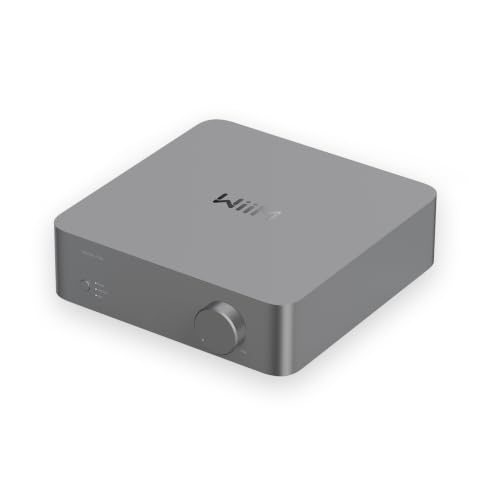
Price Tiers as Buyer Checklists
Rather than naming individual models, use these three checklists to judge any amp in the product table above. Each tier describes who it suits, what you should expect, and the one limit to accept before you buy.
Budget Choice: What to Look For
A good budget choice, usually around $80 to $150, gives you a simple two channel stereo amp or a compact receiver with honest power of about 30 to 50 RMS watts per channel. That is enough for background music and conversation level listening on a small patio. Expect basic tone controls, one or two inputs, and a plain remote at best. The limit is headroom, so the sound will strain sooner when you raise volume for a larger yard. Choose this tier if your seating sits close to the speakers and you value simple setup over loud parties.
Midrange Choice: What to Look For
The midrange, roughly about $180 to $350, is where most owners should shop. Look for about 50 to 100 RMS watts per channel, a proper subwoofer output if you plan outdoor bass help, Bluetooth or WiFi streaming built in, and a usable app or remote. Build quality improves here, with better heat management and cleaner sound at higher volume. A zone output is a bonus if you may add a second pair later. The limit is that multiroom ecosystems may still lock you into one app family. Choose this tier for regular entertaining and a yard of typical suburban size.
Premium Choice: What to Look For
Premium options, often about $400 to $700 or more, add stronger power reserves, better digital conversion, room or multiroom streaming, and support for several zones from one system. Sound stays composed at party volume, and control from phones across the house feels seamless. You also tend to get longer warranties and better support. The limit is value, because a single pair of outdoor speakers cannot use every feature a flagship streaming amp offers. Choose this tier if the 251 pair is one part of a whole home plan rather than a single patio project.
What Your Money Gets You at Each Price Tier
Budget Tier: What to Expect
At the budget level you get working outdoor music with minimal fuss. Power is modest, inputs are few, and streaming may mean a single Bluetooth connection from one phone at a time. Sound quality at low and moderate volume can still please, because the speakers themselves do much of the work. What you give up is flexibility and reserve power. If that trade suits a small deck, the savings can go toward better speaker wire and solid mounting, which improve results more than a fancier amp would at this level.
Midrange Tier: The Sweet Spot for Most Buyers
Midrange money buys the features owners actually use weekly. Expect stable streaming, enough power for gatherings, a subwoofer output, and controls that family members can understand without a manual. Heat sinks grow larger, remotes improve, and many models add a second zone or preamp outputs for growth. Trade offs shrink to details such as app preference or the exact mix of inputs. For most patios this tier delivers the best balance of sound, convenience, and price, and it pairs with the speakers without overpowering or starving them.
Premium Tier: When Spending More Pays Off
Spending more pays off when you need distance, volume, or integration. A large yard where listeners sit far from the speakers benefits from extra clean power. A home already invested in a streaming ecosystem benefits from an amp that joins that system across many rooms. Premium build also helps in a hot garage or equipment closet where lesser amps run warm. If none of those cases sounds like you, premium money brings little gain. Honest self assessment here saves hundreds of dollars with no loss in daily enjoyment.
Features Worth Paying For and Ones to Skip
Features That Matter for Bose 251 Speakers
Match the amp to a 6 ohm load and to the speakers handling range, favoring clean RMS watts over a giant peak figure. A rating around 50 to 100 RMS watts per channel into 6 or 8 ohms suits these speakers well for outdoor use. Confirm the amp is stable and rated for 6 ohm speakers in its manual. Because the speakers live outdoors while the amp usually lives indoors or under cover, plan wire runs with outdoor rated cable. If you are weighing a receiver instead, our guide to the best receiver for bose 251 speakers explains when a receiver makes more sense than a plain amp.
Durability and Water Resistance
The speakers are built for weather, but most amps are not, so placement is your main protection. Keep the amp indoors, in a garage, or in a covered and ventilated enclosure, never exposed to direct rain. Use outdoor rated speaker wire and seal entry points where wire passes into the house. If the amp must sit in a semi exposed spot, choose a model with a solid enclosed chassis and keep it off the ground. No IP number on a home amp replaces common sense placement and airflow.
Connectivity
Decide how music reaches the amp before you buy. Bluetooth is simple for one phone at close range, while WiFi streaming gives whole house range and lets the phone stay free for calls. Optical or HDMI inputs help if a nearby TV shares the system. Older sources may need standard analog inputs, so count yours. Multiroom platforms differ, and mixing brands can frustrate daily use. Pick the ecosystem you will enjoy opening every day, because a patio system that feels awkward quickly stops getting used at all.
Sound Quality and Tuning
Outdoors there are no walls to reinforce bass, so sound thins out compared with the same speakers indoors. Useful tuning tools include bass and treble controls, a loudness style setting for low volume listening, and a subwoofer output if your yard is large. Set the speakers first with flat controls, listen from your usual seats, then adjust in small steps. A little extra treble often restores clarity at distance. Resist large bass boosts, which waste power outdoors and strain the amp on warm days. For broader context on the speaker family, see our guide to the best bose speakers and how different models are voiced.
Long Term Costs to Factor In
The amp price is only part of ownership. Budget for outdoor rated speaker wire, which costs more than indoor cable, plus mounting hardware and possible wall plates for a clean install. A streaming amp may need a strong outdoor WiFi signal, and fixing weak coverage can add a mesh node. Electricity costs stay small for Class D designs but rise for older large amps left on all day, so use standby or auto signal sensing where offered. Finally, check warranty length by tier, because outdoor adjacent gear works hard in heat, and a longer warranty has real value over five to ten years of summers.
One more choice affects cost and convenience. If some listeners want wireless speakers elsewhere in the home, keep those on their own system rather than forcing one amp to do everything. Our guide to the best bose wireless speakers covers that separate path, while a general primer on matching, our guide to the best amp for speakers, helps if you add a second wired pair later.
FAQs
What features matter most in amps for bose 251 speakers?
Stable power into 6 ohms matters most, at roughly 50 to 100 clean RMS watts per channel. Next come the input or streaming method you will use daily and a subwoofer output if your yard is large. Because the amp lives sheltered while speakers live outdoors, wire quality and placement complete the picture. Fancy room correction built for indoor systems adds little outside.
Do I need a special codec?
No special codec is needed for patio listening. Standard Bluetooth support sounds fine outdoors, where ambient noise hides small differences, and WiFi streaming avoids codec limits altogether for most services. Choose based on range and convenience instead. A stable connection from your seating area beats any codec logo when you are hosting friends outside.
How long does the battery last?
These amps plug into household power, so there is no battery life to measure. What you should check is standby draw and whether the amp wakes automatically when music starts. That convenience feature saves daily hassle and a little electricity. Portable battery speakers are a different category and cannot power these passive outdoor speakers.
Wired or wireless: which sounds better?
The speakers themselves are wired by design, and that wired run from the amp is what delivers full power reliably. Wireless refers only to how music reaches the amp, where WiFi streaming generally beats Bluetooth for range and stability in a yard. Keep the speaker runs wired with outdoor rated cable and choose the streaming method that fits your home.
What IP rating do I need for outdoor use?
You need weather readiness from the speakers and shelter for the amp, not a single IP target for the whole system. The 251 speakers are designed for outdoor exposure, while the amp belongs indoors or under solid cover with airflow. Use outdoor rated wire and protected connections, and your system will handle seasons of use without chasing ratings meant for other gear.
Final Thoughts
Match clean power to the 6 ohm rating, pick the streaming method your household will actually enjoy, and shelter the amp while the speakers face the weather. Most owners land happily in the midrange, while small patios do well for less and whole home plans justify more. Compare the tiers in the product table above, then choose with those three checks in mind. Done right, the best amp for bose 251 speakers turns a patio into the room everyone chooses on a warm evening.


