
Best Amp and Speakers for Vinyl: A Buyer Checklist for 2026
Disclosure: We may earn a commission when you buy through links on this page, at no extra cost to you. As an Amazon Associate I earn from qualifying purchases. Learn more

What matters in the best amp and speakers for vinyl: phono stage, power match, speaker size and placement for records at home.
Vinyl rewards a careful setup and punishes a careless one. The same record can sound rich and calm on one system and thin or noisy on another, and the difference usually comes down to the phono stage, the power match, and where the speakers sit. This checklist will help you find the best amp and speakers for vinyl listening for your room and budget.
Begin with the comparison table below to compare inputs, power, and cabinet size at a glance. Then work through the criteria in this guide in order, because the early choices limit what the later ones can achieve.





How to Evaluate Amp and Speakers
Judge a vinyl system as a chain with three links. The phono stage must lift a tiny cartridge signal without adding hiss, the amp must drive the speakers without strain, and the speakers must suit the room. A system that scores well on all three will sound better than a costly speaker paired with a noisy phono stage.
Keep your records in mind as you score each option. Quiet acoustic albums expose noise, loud rock pressings expose weak power, and bass heavy reissues expose poor placement. The best balanced choice handles all three without forcing you to change how you listen.
Features That Matter for Vinyl
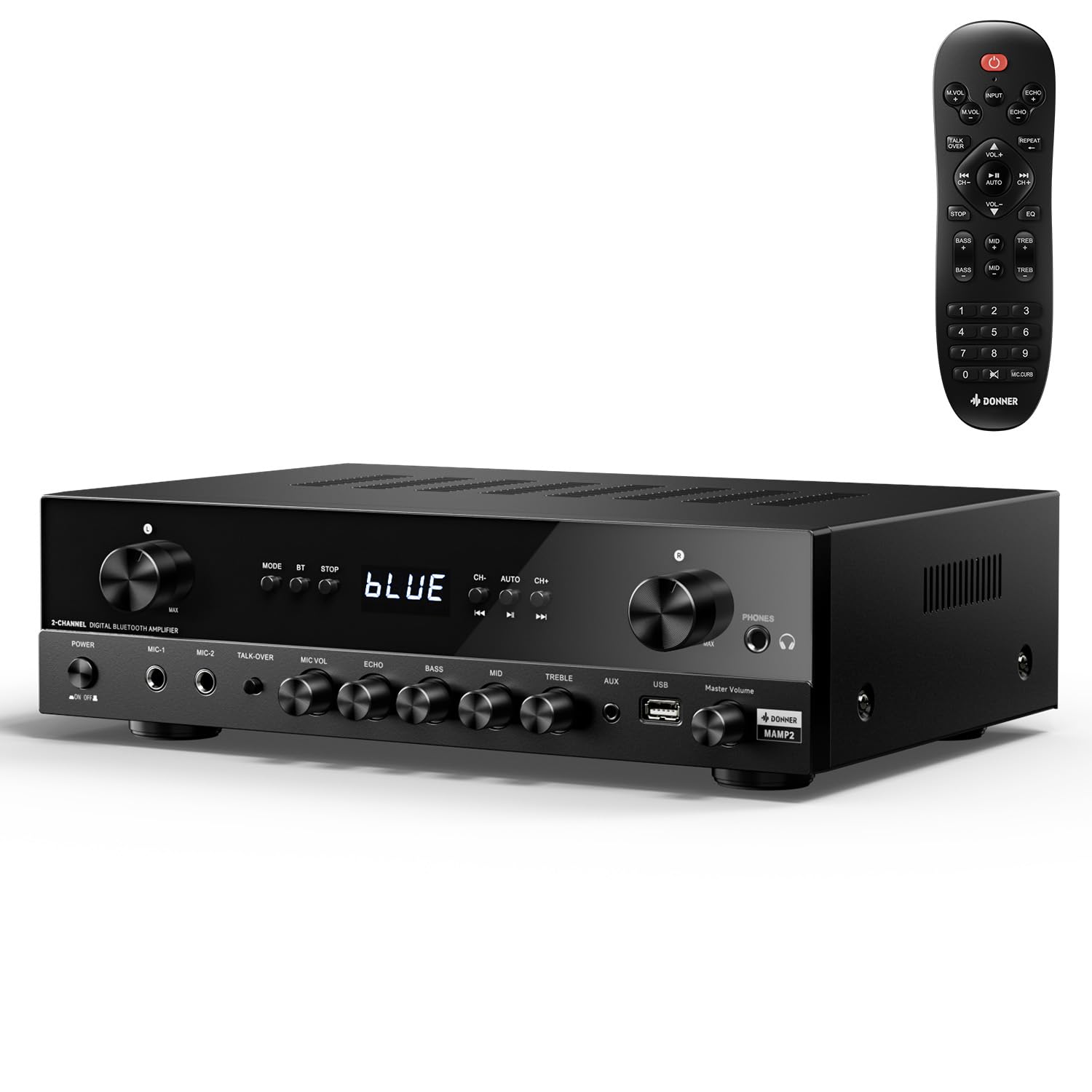
Vinyl needs a phono input with the correct equalization and gain, because a record stores bass reduced and treble boosted to fit the groove. A moving magnet phono stage is the right starting point for most cartridges, and a ground post stops the hum that long cable runs can invite. If your player has a built in stage, you need a way to bypass it. Also check for a subwoofer output if your room is large, and a headphone jack if late night listening matters to you.
Sound Quality and Tuning
Look for a mostly even frequency response rather than a dramatic bass boost. Vinyl already varies a lot between pressings, so a neutral speaker gives you the record as it was cut instead of adding the same color to every album. Woofer size shapes the low end, with compact drivers sounding tidy at a desk and larger drivers filling a living room. Simple bass and treble controls are genuinely useful here, because a small cut in bass often fixes the boom you get when speakers stand close to a wall.
Ecosystem and App Features
Extras earn their cost only when they fit your habits. Bluetooth lets a phone join the system between records, and a remote saves trips across the room during long albums. An app equalizer can store settings for different seats, though plain knobs are quicker for everyday tweaks. Readers comparing speaker only upgrades can also see our guide to the best speakers for vinyls for cabinet and driver guidance. Skip paying for voice assistants or big displays on an amp, since neither improves the sound of a record.
Placement and Room Size (for Speakers)
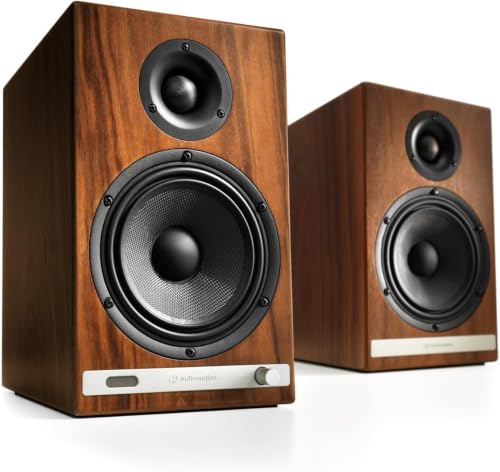
Let the room choose the speaker size. Small bookshelf cabinets suit bedrooms and offices, while larger cabinets or floor standing models suit open living spaces. Set the tweeters near ear level, angle both speakers slightly toward your seat, and keep the distance between them close to the distance from each speaker to you. Moving a speaker even a short way from the wall can tighten bass. On a shared shelf with the turntable, use isolation pads so speaker vibration does not reach the cartridge.
Three System Profiles to Consider
Use the product table above with these three profiles in mind. Each profile is a set of criteria and a price tier, not a single product, so you can apply it to whatever brands and offers you find.
Overall
A balanced profile pairs an integrated amp with a quiet moving magnet phono input, about 30 to 60 watts per channel, and neutral bookshelf speakers. Expect about $400 to $900 for the pair of components in this tier. You get clean quiet passages, enough headroom for dynamic pressings, and spare inputs for a streamer. Readers who prefer compact cabinets can cross check sizes in our guide to the best vinyl bookshelf speakers. The limit is the deepest bass, which compact cabinets cannot fully reproduce in a large room.
Value
A value profile protects the phono stage quality and the power match while cutting extras. A modest amp with about 20 to 40 watts per channel and small speakers often lands around $200 to $450 as a set. This suits a first vinyl setup, a bedroom, or a desk corner where volume stays modest. Put the savings toward records or a future cartridge upgrade, which you will hear more clearly. The trade off is fewer inputs and less reserve power, so a later move to a bigger room may call for a stronger amp.
For Heavy Use
A heavy use profile suits daily listening, family rooms, and homes where the system also handles TV sound. Look for solid cooling, a sturdy case, protection circuits, and speakers with tough cabinets and strong driver surrounds. Budgets of about $700 to $1,400 are typical. If your player and speakers will be bought together, compare the format with our guide to the best vinyl player speakers. The drawback is bulk, so measure shelf depth and confirm the amp vents will stay clear before you commit.
Quick Buyer Checklist
Work through these questions and note any no answers. Each one points at a detail that is cheap to check now and costly to fix later.
- Does the system include a phono stage that matches your cartridge type?
- Can any built in stage in your player be switched off to avoid double boosting?
- Is the amp power per channel stated clearly, with an impedance rating?
- Do the speakers fit your room and leave space around the amp vents?
- Is there a ground terminal, plus a plan for tidy cable routing?
- Do you have inputs for the other sources you actually use each week?
- Is the warranty at least one year, with a fair returns window?
Red Flags to Watch For
Peak power numbers with no per channel rating are the classic warning sign in this category. A phono input that never names the cartridge type it supports is another, because it often signals a noisy stage added as an afterthought. Light, hollow cabinets and a very short warranty point the same way.
Be careful with bundles that hide weak core gear behind premium cables and accessories. Also treat listings with page after page of identical short praise and no measured detail as a reason to look elsewhere. A seller that cannot state sensitivity, impedance, and dimensions for a speaker is asking you to buy blind.
How to Make Your Amp and Speaker Last Longer
Leave space around amp vents and dust the case and cabinets with a dry cloth on a regular basis. Heat and dust shorten the life of electronics, and dust that settles on records wears both the vinyl and the stylus. Clean the stylus gently, store records upright away from radiators, and recheck speaker terminals once or twice a year with the power off. If you move house, pack the turntable with its platter secured and the tonearm locked, since transit damage is a common and avoidable loss.
FAQs
What features matter most in amp and speakers for vinyl?
A quiet phono stage, a sensible power match, and speakers that fit the room matter most. Together they decide noise, clarity, and bass balance on every record you own. A detail buyers often overlook is the input count on the amp. Count the sources you will connect over the next few years, including a possible streamer, and leave one input spare so the system can grow without a costly replacement.
Wired or wireless: which sounds better?
Wired connections sound better for the record chain itself. Speaker wire and short interconnects carry the full signal with no compression, no delay, and no dropouts during a side of music. Wireless links still have a place for phone listening between records, and they can sound enjoyable for casual use. One useful habit is to keep the turntable interconnect as short as your shelf layout allows, because long runs of that low level cable can invite hum.
Wrapping Up
Three checks decide most of your result. The phono stage must be quiet and correctly matched, the amp must drive your speakers without strain, and the speakers must fit the room where you sit. A system that passes all three will make ordinary pressings sound engaging and good pressings sound memorable.
Compare the options in the product table above against those checks, then settle your placement with care once your best amp and speakers for vinyl system is home. An hour spent on speaker position is worth more than the next upgrade on your list.


