
Best Amoled Smartphones: Types Compared and How to Choose for 2026
Disclosure: We may earn a commission when you buy through links on this page, at no extra cost to you. As an Amazon Associate I earn from qualifying purchases. Learn more

Compare every type of AMOLED phone by display, battery, storage, and update support so you can choose the best amoled smartphones for your budget.
AMOLED screens used to be a flagship luxury. Now they appear on phones from under $200 to well over $1,000, which makes the label alone a poor guide. Panel quality, brightness, refresh rate, and battery size vary widely within the same screen technology. This guide compares the main types of best amoled smartphones side by side, explains where each type compromises, and gives you a clear checklist for choosing. Start with the product table to see typical prices and sizes, then use the type breakdown to narrow your shortlist.

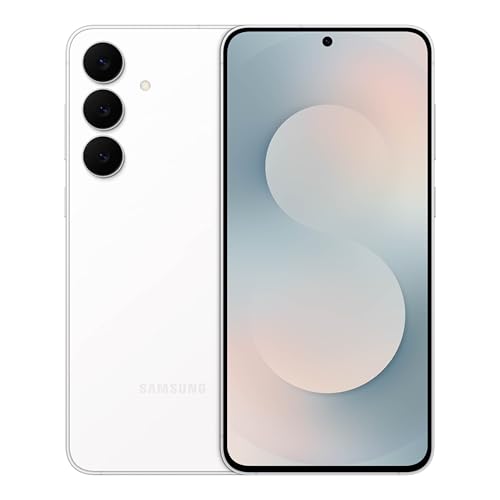

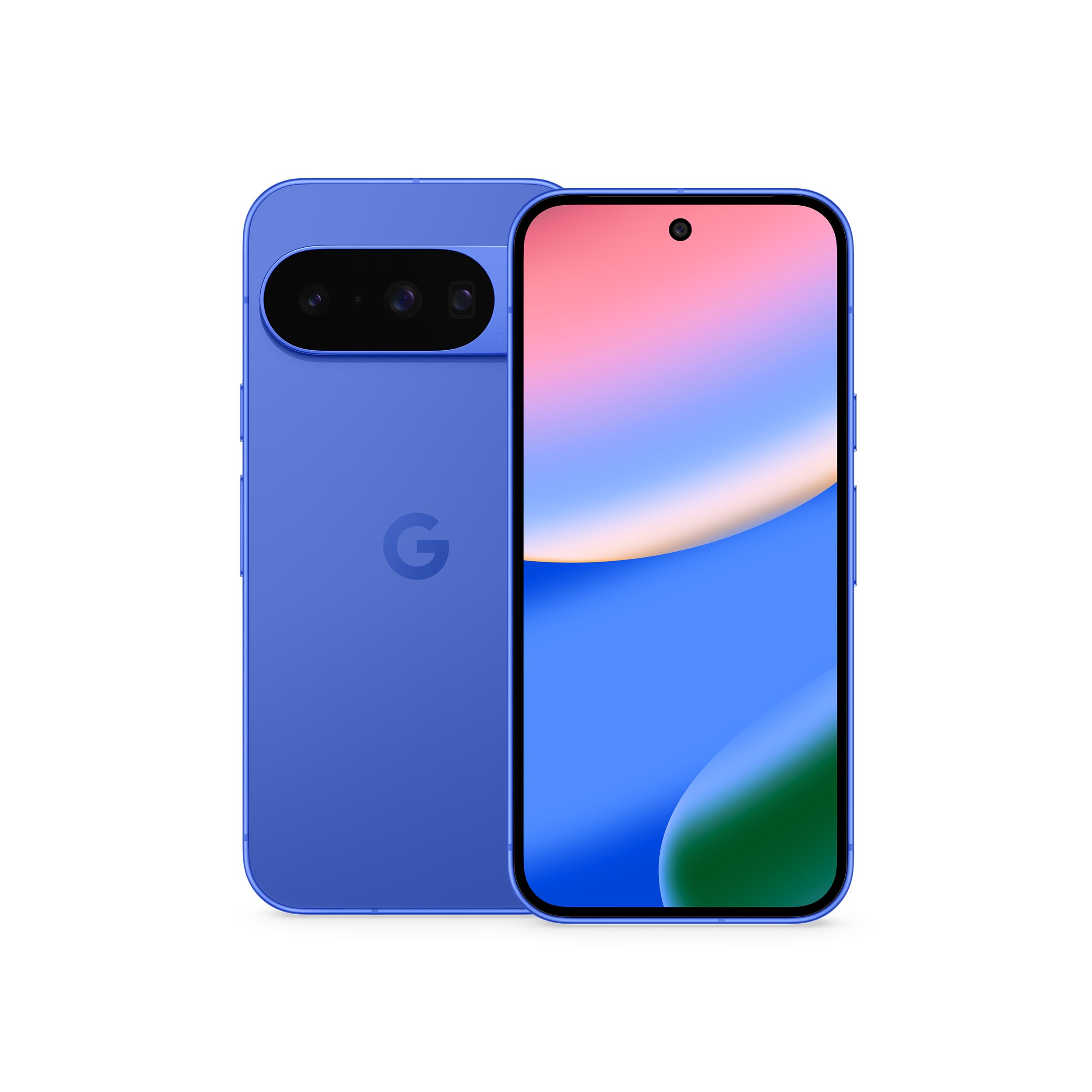
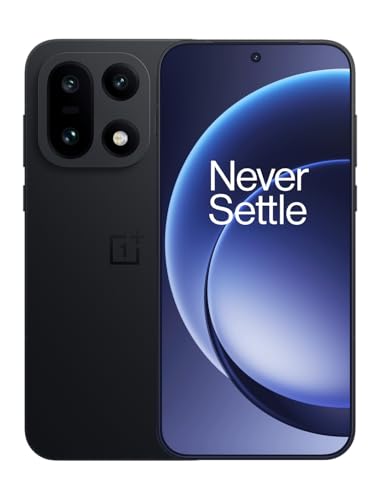
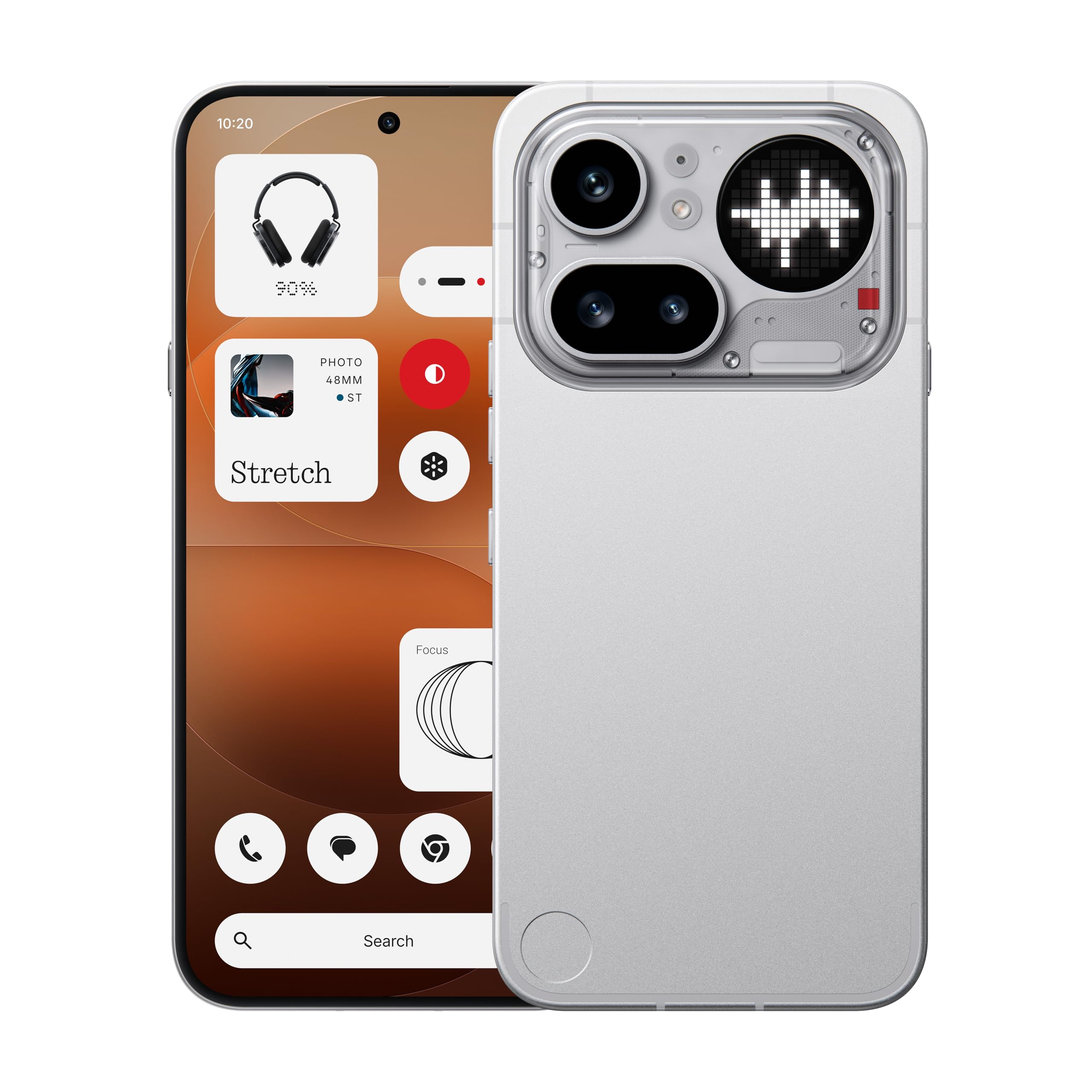

Types of Amoled Smartphones Compared
Every phone below uses an AMOLED panel, meaning each pixel lights itself and can switch off completely for true black. The differences that matter are brightness in sunlight, refresh rate smoothness, power efficiency, and how the maker balances the screen against the camera, chip, and battery budgets. Four types cover nearly the whole market.
Mid Range Phones
Mid range phones, roughly $300 to $600, are the value center of the AMOLED market. You typically get a bright 120 Hz panel, a capable main camera, and a battery around 5,000 mAh that lasts a full day. Makers save money on secondary cameras, frame materials, and water resistance ratings. These phones suit most buyers because the screen, the thing you look at all day, is close to flagship quality. The main compromise is long term speed: mid range chips age faster, so heavy gamers may feel the slowdown sooner.
Budget Phones
Budget AMOLED phones start under $200 and top out around $300. Getting an AMOLED panel at this price is a genuine win for video watching and reading, since contrast beats the LCD panels that used to dominate this tier. Expect 90 Hz or 120 Hz refresh rates but lower peak brightness, which can make the screen harder to read in direct sun. Update support is shorter and storage is often 128 GB. If your budget is firm, our guide to the best bargain smartphones shows where makers cut corners and which cuts matter least.
Compact Phones
Compact AMOLED phones keep screen sizes around 6.1 to 6.3 inches so the phone stays usable in one hand and comfortable in a pocket. The trade off is physics: a smaller body holds a smaller battery, and there is less room for large camera sensors and cooling. In return you get a dense, sharp display and a phone that does not strain your thumb or wrist. If small size is your priority, compare candidates with our guide to the best compact smartphones. Foldable flip models are another route to a pocket friendly size, covered in our guide to the best flip smartphones.
Flagship Phones
Flagships, usually $800 and up, pair the best AMOLED panels with everything else at its best. Expect the highest outdoor brightness, adaptive refresh rates that drop to 1 Hz to save power, top tier cameras, wireless charging, and IP68 water resistance. Software support now stretches to five or more years on leading lines. You pay a steep premium, and the screen improvement over a good mid range panel is real but modest. Flagships suit buyers who keep a phone four years or more, shoot a lot of photos, or simply want no compromises. Our overview of the best smartphones ranked shows how flagships stack up overall.
Mid Range Phones vs Budget Phones: Which Should You Choose?
These two types compete for the same buyer, so compare them on five points. Display: both are AMOLED, but mid range panels get brighter and hold color accuracy better at low brightness. Performance: mid range chips handle games and multitasking with headroom, while budget chips can stutter under load. Cameras: mid range main cameras are clearly stronger at night; budget cameras rely heavily on daylight. Updates: mid range phones commonly get three to four years, budget phones often two. Battery: similar capacities, but mid range fast charging refills in about half the time. Choose budget if your use is light and your budget is fixed. Choose mid range if you keep phones longer than two years, because the extra speed and updates repay the difference.
How to Choose the Right Amoled Smartphone
Once you know your type, these five checks separate a good buy from a regret. They apply at every price, and they matter more than small spec differences on a comparison sheet.
Battery Life and Charging Speed
Battery capacity in mAh tells only part of the story, because AMOLED efficiency and chip efficiency shape real endurance. Around 5,000 mAh is the comfortable norm for a full day of mixed use. AMOLED helps here: dark mode interfaces use less power because black pixels draw almost nothing. Charging speed matters as much as capacity. A phone that refills half its battery in about 30 minutes forgives a smaller cell, while slow charging makes a big battery feel like a chore. Wireless charging is convenient on desks and nightstands but slower and mostly limited to higher tiers.
Storage Options
Choose 128 GB if you stream media, use cloud photo backup, and install a moderate number of apps. Choose 256 GB if you shoot lots of video, download shows for travel, or plan to keep the phone three years or more, because storage fills steadily and cannot be expanded on most AMOLED models. A microSD slot is now rare outside budget lines, so do not count on adding space later. Also check how much space the system itself takes: on some phones the operating system and preinstalled apps claim 20 GB or more before you add anything.
Build, Durability, and Water Resistance
An IP68 rating means the phone can survive immersion in shallow water for a limited time, which protects against rain, spills, and a drop in the sink. Budget phones more often carry IP54, which covers splashes only. Screen glass matters too: recent generations of strengthened glass survive drops onto hard floors far better than older versions. Frames differ by tier: aluminum feels rigid and resists bending, while plastic frames absorb drops with less denting but feel less premium. Whatever you buy, a case and screen protector remain the cheapest insurance, because AMOLED panel replacement is one of the priciest repairs on any phone.
Display Size and Quality
Look past the AMOLED label to four numbers. Brightness, measured in nits, decides outdoor readability: around 1,000 nits peak is workable, and higher is better in summer sun. Refresh rate controls smoothness: 120 Hz scrolling feels clearly smoother than 60 Hz, and adaptive panels adjust the rate to save battery. Resolution at this size is rarely a problem, since most panels are sharp enough that pixels vanish at normal distance. Finally, check for high frequency dimming if your eyes tire with OLED screens at low brightness, because gentler dimming reduces strain for sensitive users. If camera quality rivals the screen in your priorities, our guide to the best smartphones with good camera pairs well with this one.
Software Updates and Support Window
Update policy is a hidden part of the price. A phone that receives five years of security updates can be used safely for five years; one that stops after two becomes a risk while the hardware still works. Count both operating system upgrades and monthly security patches, since the patches protect your banking and messages. Flagships and better mid range phones now promise four to seven years, while budget models may promise two or fewer. When you divide price by supported years, a mid range phone with long support often beats a cheap phone on cost per year.
Care and Maintenance Tips
A few habits keep an AMOLED phone at its best. Use a case and screen protector from day one, since panel repairs cost more than every accessory combined. Keep software updated, both for security and because updates often improve battery management. Avoid leaving the phone charging in extreme heat, such as on a sunny car dash, because heat ages the battery faster than anything else. AMOLED panels can retain a faint image ghost if the same bright element sits on screen for months, so vary your home screen layout occasionally and let the display sleep rather than using an always on clock at full brightness.
FAQs
Do I need 5G?
For most buyers, yes, simply because nearly every new AMOLED phone includes 5G and it future proofs your purchase. Coverage is wide in cities and growing elsewhere, and 5G plans usually cost the same as older plans. If you live in a rural area with strong 4G and weak 5G, the phone will fall back automatically, so there is no downside. The real reason to care is longevity: carriers retire old networks over time, and a 5G phone stays usable longer.
How much storage do I need?
Most people should start at 128 GB, which holds the system, a healthy app library, and thousands of photos with room to spare. Step up to 256 GB if you record video often, since a single minute of high resolution video can use several hundred megabytes. Games are the other storage sink, with some titles taking 10 GB or more. If you back photos up to the cloud and delete local copies, 128 GB stays comfortable for years.
How many years of updates should a phone get?
Aim for at least four years of security updates, and treat five or more as a strong selling point. Security updates matter more than feature upgrades because they close the holes that malware uses. Check the promise before buying, since it varies by brand and even by model within a brand. If you plan to hand the phone down to a family member later, longer support keeps that second life safe too.
Is a mid range phone good enough?
For most people, yes. A good mid range AMOLED phone handles messaging, browsing, streaming, photography in daylight, and popular games without frustration. You give up the best night photography, the fastest chips, wireless charging on some models, and the longest update windows. If none of those is central to your day, the savings are real and the experience is close. Heavy mobile gamers and serious photographers are the two groups who gain the most from spending more.
Should I buy unlocked?
Buying unlocked gives you freedom to switch carriers, use local SIM or eSIM options when traveling, and avoid carrier preinstalled apps. Unlocked phones also tend to receive updates directly from the maker, without a carrier delay. The trade off is paying the full price up front rather than in monthly installments, though maker financing often matches carrier pricing. Check that the unlocked model supports your carrier bands before ordering, especially if you import a version sold in another region.
The Bottom Line
Pick your type first, then judge the panel by brightness and refresh rate, the battery by capacity plus charging speed, and the phone by its update promise. For most buyers a mid range model delivers the best amoled smartphones value, while flagships reward those who keep phones for years. Compare the models in the product table above against this checklist and your choice should be clear.


