
Best American Made Work Boots Made Simple: A Clear Buying Guide for 2026
Disclosure: We may earn a commission when you buy through links on this page, at no extra cost to you. As an Amazon Associate I earn from qualifying purchases. Learn more

Shopping for the best american made work boots for the first time? Learn the label terms, fit checks, safety classes, and price bands in plain English.
Buying your first pair of work boots is confusing enough before the origin labels start. This guide keeps it simple: it explains what the label wording really means, walks through the specs in plain English, and shows how the best american made work boots for your job are chosen by fit and safety class first, not by advertising. You will go from the basics to a confident shortlist without needing trade experience.
Start by deciding what your workday actually demands, then compare the picks in the product table against those demands. A boot that suits a dry warehouse floor can be the wrong boot for wet concrete, ladders, or long shifts on gravel. The sections below take each decision in order.


Best American Made Work Boots 101: The Basics
The first thing to understand is that origin wording is a label class, and the exact wording decides what you are getting. Plainly stated, the classes run from boots fully made in the country, with cutting, stitching, and lasting all done there, down to boots assembled in the country from imported parts. Both can be honest products, but they are not the same claim, and the price difference often sits in that wording.
So read the label the way you would read a safety rating. If a listing for best american made boots only says designed in the country, that is a third and weaker class again. Makers who do the full work at home usually say so in detail, naming the stages done domestically. This guide invents no facts about any maker; it teaches you to read the claim in front of you and judge its class for yourself.
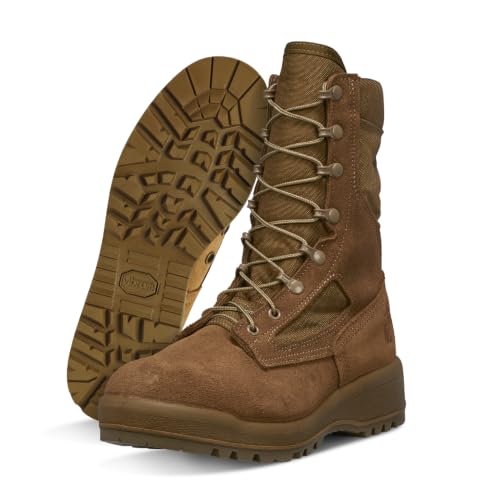
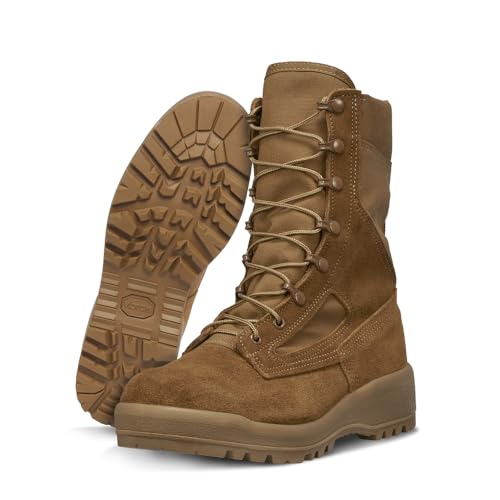
A work boot itself is simple in concept. It is a protective boot built for job sites, combining a safety toe, a supportive sole unit, and uppers chosen for abrasion, water, or electrical hazards. Everything else in this guide is about matching those parts to your trade.
Key Specs Explained in Plain English
Fit, Sizing, and Toe Box
Fit decides more comfort than any other spec, so measure both feet late in the day, when they are at their largest. You want roughly a thumbs width of space in front of your longest toe, a heel that stays seated when you walk, and no pinch across the widest part of the foot. The toe box matters because a safety toe cap does not stretch; if your toes brush the cap at rest, a full shift will feel worse. Try boots on with your work socks, and size up rather than hoping stiff leather will give.
Arch Support and Foot Type
Feet fall into broad classes: flat, neutral, and high arched. Flat feet often roll inward as you walk, so a firmer midsole and a stable heel counter help the boot feel planted. High arches take more pressure on the heel and forefoot, so cushioning under those points matters more.
Most work boots come with a basic removable insole, and swapping it for a supportive aftermarket one is a normal, cheap adjustment. Support should feel like a gentle hand under the arch, never like a lump.
Break In Period and Comfort Out of the Box
Traditional leather work boots need a break in period, often one to two weeks of shorter wears before full shifts. Cemented and sneaker style work boots usually feel comfortable sooner but may give up some long term structure. A fair check is this: the boot should feel snug and supportive on day one, with no sharp rubbing points, because break in softens leather but does not fix a wrong size or shape. Wear new boots around the house first, then for half shifts, and check your heels for hot spots each evening.
Waterproofing and Membranes
Waterproof work boots use a membrane bootie inside the upper to block water while letting some vapour escape. The trade off is warmth and slower drying: a waterproof boot that gets soaked inside takes far longer to dry than a plain leather boot. Choose waterproofing if you work in rain, wet grass, washdown areas, or snow. If your site is dry and hot, unlined leather breathes better and will usually feel cooler across a long summer shift.
Either way, treat seams and leather as maintenance items, not permanent guarantees.
Cushioning and Support
Cushioning comes from the midsole foam and the insole, and it matters most on hard floors. A thicker midsole absorbs more impact but can feel less stable on ladders and uneven ground, so match sole thickness to your surface. The drop from heel to toe is small in most work boots, keeping your stance fairly level for lifting and standing. If you stand all day, a slightly rockered sole can ease the feeling of static pressure.
Comfort claims should always be read as fit and comfort only, never as treatment for foot pain.
Safety Toes and Ratings in Plain English
Safety toes come in steel, alloy, and composite classes, and each rated toe is certified against impact and compression standards. Other ratings cover puncture resistance from below, electrical hazard protection, and slip resistance. Plainly stated, these are certified classes: a rating tells you the hazard class the boot is rated for, and it never promises an uninjured foot. Match the classes to your site rules first, because many employers specify them.
Readers comparing the wider family often start with best made work boots to see how construction quality varies across origins.
Soles, Welts, and Why Resoling Matters
The way a sole is attached decides whether the boot can be rebuilt. A welted boot is stitched through a leather strip called a welt, and a cobbler can remove the worn sole and fit a new one, sometimes more than once. Plainly stated, repairability is the honest long term figure here: a resole costs far less than a new pair, so a higher first price can work out cheaper across years of use. Cemented soles are glued on, lighter and cheaper at purchase, but once the sole wears smooth the boot is usually finished.
What the Price Bands Usually Cover
Entry level american made options sit around $150 to $230 and usually pair cemented soles with simpler leathers. The middle band, about $230 to $350, is where welted construction, better leather, and resoleable designs become common. Above about $350 you are paying for premium hides, hand finishing, and rebuild services rather than extra safety, since ratings do not rise with price. The synonym guides under best usa made work boots cover the same shelf from a slightly different angle.
Decide your band after you know which construction class you want.
Rookie Mistakes to Avoid
- Buying by label alone: origin says where a boot was made, not whether it fits your feet or your hazard classes, so check fit and ratings first.
- Sizing in the morning: feet swell during the day, and a boot that fits at breakfast can pinch by mid afternoon on shift.
- Assuming waterproof means maintenance free: membranes and seams still need cleaning and conditioning, or the leather around them cracks early.
- Ignoring the resole question: a cheaper cemented boot replaced twice can cost more than one welted pair resoled once.
- Wearing them for a full shift on day one: even a well fitting leather boot needs shorter first wears while it shapes to your foot.
Getting Started: First Days in Your New Boots
When the box arrives, inspect the stitching, check both boots are the same size, and confirm the safety rating matches what your site requires. Wear them indoors for an evening with your work socks, walking and crouching to feel for rubbing. For the first week, alternate with your old pair every other day if you can, which lets the leather shape gradually and gives any hot spot time to calm down.
Care starts simple. Brush off dirt after each shift, let wet boots air dry at room temperature away from direct heat, and condition the leather when it starts to look dry. Heat from radiators or boot dryers set too high can crack leather and weaken glues.
If pain, numbness, or swelling persists once the boots are broken in, stop and talk with a clinician rather than pushing through.
Questions Answered
Can I wear american made work boots all day?
Yes, most wearers can wear them all day once the break in period is done and the fit is right. Start with shorter wears, because even good leather needs time to shape around your heel and ankle. All day comfort depends more on correct sizing, the right insole for your arch type, and socks with some cushion than on origin or price. If a specific spot still rubs after two weeks, the size or last shape is wrong for your foot.
How should american made work boots fit?
They should fit snug at the heel and midfoot, with clear space in front of your toes and no pressure on top of the toes from the safety cap. Try them late in the day and walk, crouch, and climb a step if you can. Your heel may lift a few millimetres in a new stiff boot, which settles as the sole flexes. Width matters as much as length, and many work boots come in wide fittings, so ask rather than squeezing into a standard width.
Are expensive american made work boots worth the money?
They can be worth it when the extra money buys welted construction and resoleable soles, because one resole extends the boots life for much less than a replacement pair. Higher prices also tend to bring thicker leather that resists scuffs and holds its shape longer. They are not worth it for extra safety, since a mid priced rated boot meets the same certified classes. The shorter route through best american work boots shows how prices spread when the origin claim is worded more loosely.
How often should I replace my american made work boots?
Replace them when the sole tread is worn smooth, the midsole feels dead and flat, or the safety toe has taken a hard impact. A welted pair can often be resoled once or twice before the uppers themselves are worn out, which stretches replacement to several years for many wearers. Cemented boots on daily shifts commonly last one to two years. Inspect monthly: cracks through the leather, a leaning heel counter, or exposed toe cap material all mean the boot is done.
Do I need waterproof american made work boots?
You need waterproofing only if water is a regular part of your shift, such as rain, washdowns, wet vegetation, or slush. In dry indoor work, waterproof membranes mostly add warmth and slow down drying when sweat builds up inside. Many wearers keep plain leather boots for summer and a waterproof pair for winter, which also spreads wear across two pairs. If you do choose waterproofing, keep the leather conditioned, because dried out leather wicks water past the membrane at seams and the tongue.
Wrapping Up
Keep the decision in this order: read the origin label by its exact wording, confirm the safety classes your site requires, then fit carefully and choose a construction you can maintain. The product table above pulls the current options together so you can compare bands against that checklist. Chosen that way, the best american made work boots stop being a label hunt and become a straightforward, long lasting purchase.


