Best American Made Dishwashers at Every Price: What Your Money Gets You in 2026
Disclosure: We may earn a commission when you buy through links on this page, at no extra cost to you. As an Amazon Associate I earn from qualifying purchases. Learn more

See what the best american made dishwashers deliver at each price tier, from noise and drying to rack layout, plus how to verify a maker origin claim.
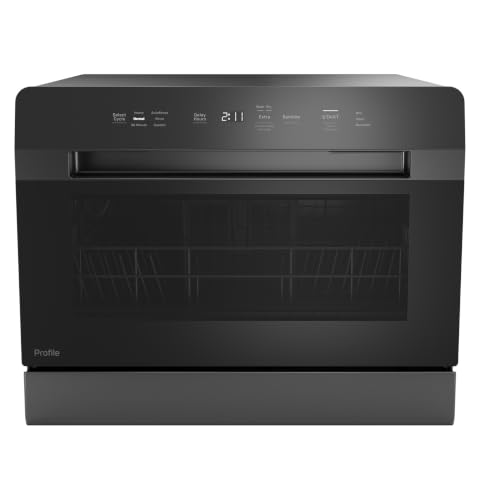
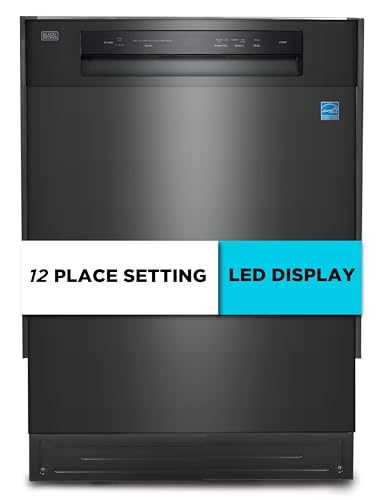
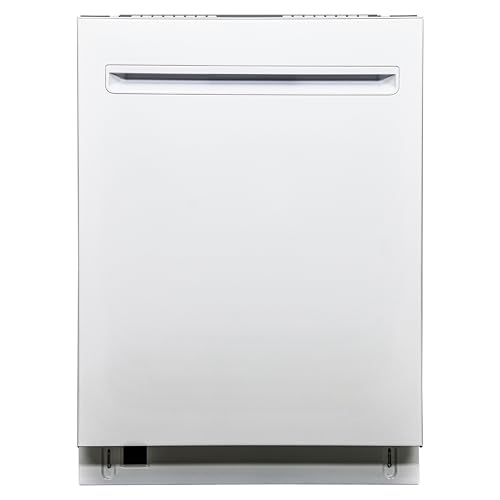
Dishwasher prices run from a few hundred dollars to well past a thousand, and the differences are not always visible in a showroom photo. This guide breaks down the best american made dishwashers by price tier, so you can see what each step up actually buys in quieter running, better drying and smarter racks. The comparison table below sets the main options side by side.
We also explain how to check an origin claim properly, because built in the USA can mean anything from full domestic manufacture to final assembly with imported parts. Start with your cabinet opening, then your budget.




Measure First: The Cabinet Opening Decides
Before comparing a single feature, measure the space the dishwasher has to fill. A standard opening about 24 inches wide, about 34 inches tall and about 24 inches deep governs whether a full size dishwasher installs at all, and most American kitchens are framed for exactly that footprint. Measure width at the floor and at counter height, because older cabinets are not always square. Check the depth with the door open as well, since a deep door swing needs clear floor space in front.
Smaller kitchens use an 18 inch compact opening, and a compact model in a full size hole wastes both money and rack space. Note where the water line, drain and power connection sit, because moving any of them adds cost to the project. A few minutes with a tape measure prevents the most expensive mistake, a machine that simply does not fit.
What Your Money Gets You at Each Price Tier
Tier prices below are typical street prices for full size models, and they pair with the wider category covered in our guide to best made dishwashers. Features arrive in a fairly predictable order as price climbs, which makes tier shopping easier than feature shopping.
About $400 to $600: The Budget Tier
Budget dishwashers wash well and dry adequately, and that is the honest summary. Expect a plastic or hybrid tub, a front control panel, basic racks with limited adjustment and noise at the louder end of the range. Heated dry is common here, while a third rack and a stainless steel tub usually are not.
This tier suits rental units, first homes and anyone replacing a dead machine quickly. Spend your savings on proper installation instead, because a level, well sealed install matters more than one extra wash cycle.
About $600 to $900: The Middle Tier
The middle tier is where most buyers should land. Stainless steel tubs become common, and they resist stains, dampen sound and help dishes dry by holding heat. You also start seeing a third rack for flatware and utensils, adjustable upper racks and soil sensors that tune the cycle to how dirty the load is.
Noise ratings drop noticeably in this band, which matters in open plan kitchens. For a household running the machine daily, this tier balances price, quiet and flexibility better than any other.
About $900 to $1,500 and Up: The Premium Tier
Premium money buys quiet first of all, along with finer rack engineering and better drying systems that handle plastics well. Expect ball bearing rack rails, interior lighting, more wash zones and finishes that match high end kitchens. Drying performance on plastics is the real upgrade, because premium models use fan assist or mineral based drying instead of a simple heating element.
If your kitchen opens onto your living room, the near silent running of this tier is worth real money. If the machine sits behind a closed door, it probably is not.
Features Worth Paying For, and Ones to Skip
Not every feature on a spec sheet changes your daily life. The notes below, together with our overview of best american dishwashers, sort the upgrades that earn their price from the ones that mostly decorate a brochure.
Drying Performance
Drying is the feature owners complain about most, so it deserves attention before cycle counts. A heating element dries sturdy dishes well but can warp plastics placed on the lower rack. Condensation drying uses the heat stored in a stainless tub and works gently, while fan assist and auto opening doors clear moisture much faster. If your loads are full of plastic containers and sippy cups, pay for a real drying system rather than a longer heated dry setting.
Rack Layout and the Third Rack
Rack design decides how much of a real dinner load fits in one run. An adjustable upper rack makes room for tall glasses above or large pans below, and fold down tines flatten for pots. A third rack at the very top holds flatware, serving utensils and small lids in a single layer, freeing space in the main racks. It slightly reduces the height available below, so measure your tallest glasses if you choose one.
Filter Type and Maintenance
Most modern dishwashers use a manual filter that traps food soil so it cannot redeposit on dishes. That filter needs a rinse under the tap about once a month, a two minute job that keeps wash performance and odors in check. Self cleaning filter designs with a hard food disposer ask for no routine cleaning but run louder, because the disposer is a small grinding motor. Neither system is better in the abstract; pick based on whether you value quiet or zero maintenance more.
Noise Level in dBA
Noise ratings are printed as dBA numbers, and lower is quieter. As a working guide, a quiet class of dishwasher sits about 44 to 50 dBA, roughly the sound of a soft conversation, while a simple class sits about 52 to 58 dBA and is clearly audible in the next room. Each drop of a few points is noticeable in an open plan space and almost irrelevant in a closed utility room. Insulation and a stainless tub do most of the work, so a quiet rating backed by a steel tub is more believable than one claimed for a plastic tub model.
Checking the Origin Claim
An origin claim should be read from the maker statement, never assumed from a flag, a name or a slogan. Makers state country of origin on the rating plate and in their own product literature, and that statement is the evidence to trust, including whether it describes full manufacture or assembly with imported parts.
The same reading habit applies in other categories, since best american made watches are also sold on origin claims that reward a close read. Likewise, best american made mattresses carry origin wording that only the maker statement can settle. And best american made sofas show the same pattern, with assembly and manufacture meaning different things. In every category, the maker statement governs, so find it before the claim influences your choice.
Long Term Costs to Factor In
The purchase price is only the first bill. Delivery and installation commonly add about $100 to $300 unless you fit the machine yourself, and removing the old unit sometimes costs extra. Running costs are modest: a typical household spends roughly $30 to $50 a year on electricity and water for daily loads, plus detergent and rinse aid.
Budget for small parts over a long life, such as rack wheels, a door seal or a replacement filter. A mid tier machine that runs for a decade usually costs less per year than a budget machine replaced twice.
Frequently Asked Questions
How quiet should a dishwasher in an open plan kitchen be?
For an open plan kitchen, aim for a rating at or below about 46 dBA if the machine will run while you eat or watch television nearby. At that level most people stop noticing the machine after the first minutes. A rating in the low fifties is fine if loads run overnight or behind a closed door. Remember that installation affects real world noise too, because a machine wedged tight against cabinets can transmit vibration that the rating never promised to hide.
Is a third rack worth paying for in a dishwasher?
A third rack is worth it if flatware and utensils crowd your current loads or if you wash many small items like lids and measuring spoons. Laying those pieces flat in their own layer frees the cutlery basket space below for bigger items. It is less valuable for households that mostly wash plates, bowls and pans. One caution applies to very tall stemware: a third rack steals a little vertical room, so check the stated clearance against your tallest glasses before choosing.
Do dishes need rinsing before loading a modern dishwasher?
No, modern dishwashers are designed to work on scraped, unrinsed dishes. Scrape food into the bin, load, and let the soil sensor judge how much work the load needs, because pre rinsing wastes water and can fool the sensor into running too gentle a cycle. Detergent also needs some soil to work against, and spotless dishes going in can come out etched over time. The only exception is burned on food, which benefits from a soak in the sink first.
How long does a dishwasher usually last?
Most dishwashers last about 9 to 13 years of regular household use. Pumps, control boards and door latches are the usual end of life failures, and on an old machine a single repair bill can approach half the price of a new one. Hard water shortens life by coating heating elements and spray arms with scale, so a water softener or regular descaling extends service noticeably. When repair quotes pass roughly a third of replacement cost on a machine over eight years old, replacement is usually the smarter spend.
Does a stainless steel tub really clean or dry better?
A stainless steel tub does not wash harder, but it does help drying and durability. Steel holds heat from the wash water and releases it during the dry phase, which encourages condensation drying, and it resists the staining and odors that plastic tubs pick up over years. Steel also tolerates high temperature sanitize cycles without degrading. The benefit is real but secondary: rack layout and the drying system itself still matter more.
Wrapping Up
Measure the opening first, choose the tier that matches how and when you run the machine, and read the origin claim from the maker statement rather than the marketing. Noise, drying and rack layout are the three features that shape daily satisfaction most. The product table above gathers the leading best american made dishwashers so you can compare tiers at a glance and spend where it counts.