
Best American Boots at Every Price for 2026
Disclosure: We may earn a commission when you buy through links on this page, at no extra cost to you. As an Amazon Associate I earn from qualifying purchases. Learn more

Best american boots compared by price tier, with tips on fit, leather, waterproofing, and repairability.
Boot prices vary widely, and the difference is not always visible at first glance. The best american boots for one buyer may be a sturdy work boot, while another buyer needs a comfortable everyday boot for city streets. This guide explains what each price tier buys, so you can judge leather, construction, fit, and repairability instead of guessing from the price tag alone. American made boots deserve special attention, because origin claims vary and construction quality matters more than a label.
The product table lets you weigh the options side by side before you read the details. Pay attention to how a boot fits your foot shape, how it breaks in, and whether it can be resoled. A boot that fits well and lasts for years often costs less per wear than a cheap pair replaced every season.


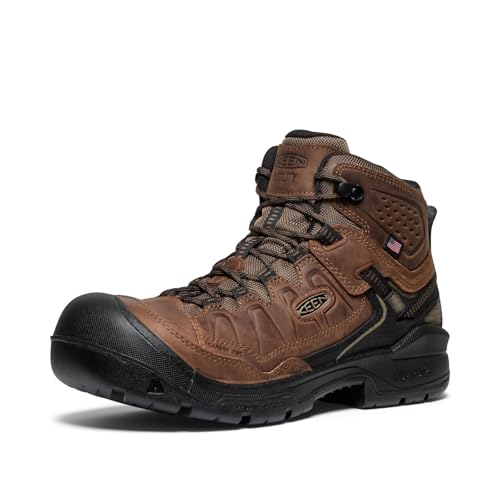
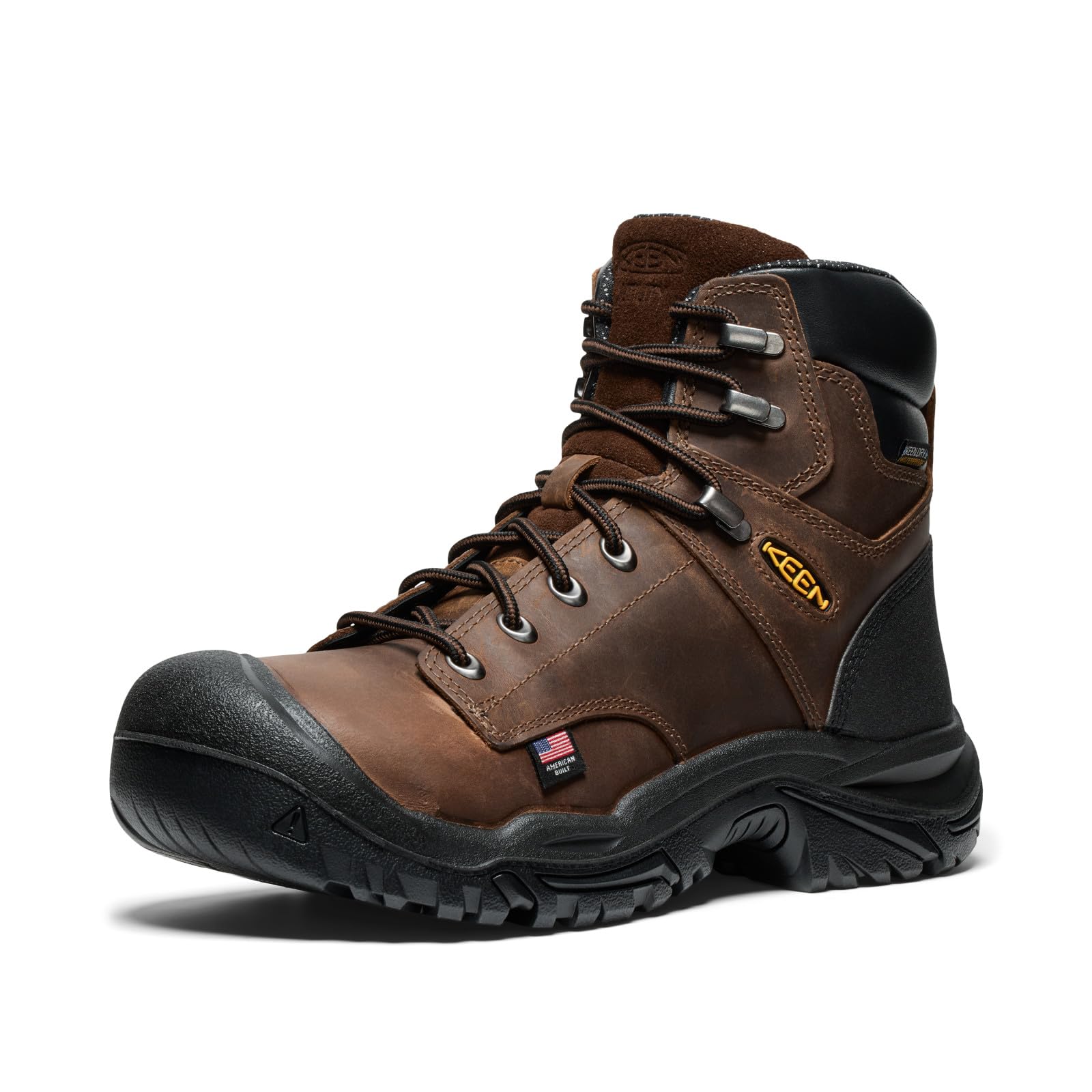


Best American Boots by Spending Level
At the modest end, you get practical boots built for everyday wear: straightforward leather or sturdy synthetics, cemented soles, and comfortable cushioning from the first day. These boots suit buyers who want reliable daily footwear without a long break in period. They may not be resoleable, so their life depends on how quickly the sole and upper wear out.
The middle band adds better leather, stronger stitching, and more careful construction, often with welted soles that a cobbler can replace. You also get improved insoles, better arch support options, and more consistent sizing. For many buyers, this band offers the best balance of comfort, durability, and long term value.
The higher band buys premium leather, refined finishing, and construction designed for decades of wear with proper care. These boots often need a break in period, but they reward patience with a fit that molds to your foot and a sole that can be replaced several times. Buy here when you want a long term boot and you are willing to care for it.
What Your Money Gets You at Each Price Tier
Modest Spending: Practical Everyday Boots
Modest boots focus on immediate comfort and everyday usefulness. Expect soft cushioning, easy sizing, and materials that need little care. The tradeoff is lifespan: cemented soles cannot usually be replaced, and thinner leather may crease and wear faster. These boots make sense when your needs change often, when you need a spare pair, or when you simply prefer comfort on day one.
Middle Spending: Durable Boots With Room to Repair
Middle tier boots step up in leather quality, stitching, and sole construction. Many use welted construction, which lets a cobbler replace a worn sole instead of throwing the boot away. Fit also improves, with more widths and better insoles for different foot shapes. This tier suits buyers who wear boots daily and want a pair that survives several years of regular use.
Higher Spending: Premium Leather and Long Term Value
Higher tier boots use full grain leather, careful finishing, and construction built for repeated resoling. They often feel stiff at first, then soften and shape to your foot over weeks of wear. The higher price buys materials and workmanship, not just a name. If you wear boots every day and maintain them, the cost per year can end up lower than replacing cheaper boots again and again.
Features Worth Paying For and Ones to Skip
Break In Period and Comfort Out of the Box
Break in time is one of the clearest differences between price tiers. Soft, modest boots feel comfortable at once but may lose cushioning sooner. Premium leather boots need time to soften, and the first weeks can feel snug around the ankle and forefoot. If you need boots for long days right away, comfort out of the box matters more than long term molding.
Fit, Sizing, and Toe Box
Fit decides comfort more than any other feature. Measure your feet in the afternoon, when they are slightly larger, and wear the socks you plan to use with the boots. A roomy toe box lets your toes spread naturally, while a narrow toe box can cause pressure and blisters on long days. Check width options as well as length, since many foot problems come from a boot that is long enough but too narrow.
American made options vary in sizing, so compare the maker's guidance before ordering. A guide to best american made boots can help you understand how domestic construction differs from imported boots. For work use, a guide to best american work boots explains how safety features and tougher construction change the fit and feel.
Upper Materials and Breathability
Leather uppers offer durability and a classic look, and they shape to your foot over time. Full grain leather resists scuffs and ages well, while thinner corrected leather looks neat at first but wears faster. Synthetic uppers and knit panels breathe better and weigh less, which helps in warm weather. Choose the upper by your climate and daily use, not by appearance alone.
Waterproofing: Membranes and Their Tradeoffs
Waterproof membranes keep water out, but they also reduce airflow, so feet can feel warm and damp in mild weather. A membrane makes sense for wet work, muddy trails, and rainy commutes. For dry conditions, a water resistant leather with good care may breathe better and feel more comfortable. Remember that no membrane lasts forever, and seam sealing and leather care affect real world performance.
Arch Support and Foot Type
Arch support should match your foot shape. Flat feet often need firmer support and a stable heel, while high arches benefit from cushioning that fills the arch gap. Removable insoles let you adjust support or add an aftermarket insole for a better fit. If you have persistent foot pain, see a clinician for advice about your feet rather than relying on a boot alone to fix the problem.
Long Term Costs to Factor In
The purchase price is only part of the cost. Resoling, new insoles, leather conditioner, waterproofing treatments, and laces add up over the life of a boot. Welted boots cost more upfront but allow resoling, which can extend their life for years. Cemented boots cost less at first but usually need full replacement when the sole wears through.
Care habits also affect cost. Regular cleaning, conditioning, and drying boots away from direct heat keep leather supple and prevent cracking. Rotating between two pairs lets each pair dry fully and last longer. When you compare prices, divide the total cost, including care and resoling, by the years you expect the boots to last.
Ask a local cobbler about resoling costs before you buy, since prices vary by sole type and region. A welted boot that can be resoled two or three times spreads its higher purchase price across many more years of wear. That math often favors the middle or higher tier for daily wearers, while occasional wearers may still do better with a modest pair replaced when it finally wears out.
Keep receipts and warranty details in one place, so a defect claim stays simple if stitching or a sole fails early. Note the purchase date as well, since warranty length often runs from that day.
Frequently Asked Questions
How often should I replace my American boots?
Replace boots when the sole is worn smooth, the upper is cracked through, or the support no longer holds your foot steady, rather than on a fixed schedule. Daily wear shortens life faster than occasional use, and wet or rough conditions wear boots out sooner. Inspect the tread, heel, stitching, and insole every few months for wear. A welted boot can often be resoled, which extends its life well beyond a cemented boot.
How should American boots fit?
American boots should feel snug around the heel and midfoot with room for your toes to move, and they should not pinch across the widest part of your foot. Try them on in the afternoon with your usual socks, and walk on a hard floor for several minutes before deciding. Leather boots may feel slightly snug at first and then ease as they break in. If the heel slips badly or the toes press the front, try a different size or width.
Are expensive American boots worth it?
Expensive boots are worth it when you wear them often, need durable construction, and will maintain them over years. Premium leather and welted soles can last much longer than budget construction, which lowers the cost per year of use. They are less worth it when you need boots for a short term job, when your size changes often, or when you prefer soft comfort from day one. Match the price tier to how long and how hard you will wear the boots.
Do I need waterproof boots?
You need waterproof boots when you regularly walk through rain, mud, puddles, or wet job sites. A membrane keeps water out, but it also reduces breathability, so feet may feel warmer in dry weather. For mostly dry use, water resistant leather with regular care often feels more comfortable and still handles light rain. Consider your climate and daily routes, and remember that waterproof boots still need care to keep seams and leather in good shape.
Can I wear American boots all day?
You can wear well fitting boots all day when the fit, cushioning, and weight suit your feet and your daily activity. Break new leather boots in gradually with shorter wears before a full day on your feet. Take breaks to rest your feet when possible, and replace worn insoles that no longer cushion properly. If you feel sharp or persistent foot pain, swelling, or numbness, stop and seek advice from a clinician rather than pushing through the discomfort.
Wrapping Up
The best value in American boots comes from matching price tier to your real use. Modest boots offer easy comfort, middle tier boots add durability and repairability, and premium boots reward care with years of service. Focus on fit, leather quality, construction, and whether the sole can be replaced, and you will make a choice that serves you well. Use the product table to compare options, then choose the best american boots balance of comfort, durability, and price for your daily life.


