
Best AMD Ryzen 5 Laptops by Budget: Smart Picks for 2026
Disclosure: We may earn a commission when you buy through links on this page, at no extra cost to you. As an Amazon Associate I earn from qualifying purchases. Learn more

Learn how to choose the best amd ryzen 5 laptops by budget, with clear guidance on RAM, display, battery life, ports, and which upgrades are worth paying for.
Ryzen 5 laptops span a very wide price range, and the gap between the cheapest and the most expensive models can feel hard to justify. This guide to the best amd ryzen 5 laptops shows you what each budget actually buys, where extra money makes a real difference, and where it simply does not.
Instead of chasing the longest spec list, you will learn to match the processor, memory, display, and build to the work you do each day. The comparison table below gives you a quick view of current options once you know which tier fits you.


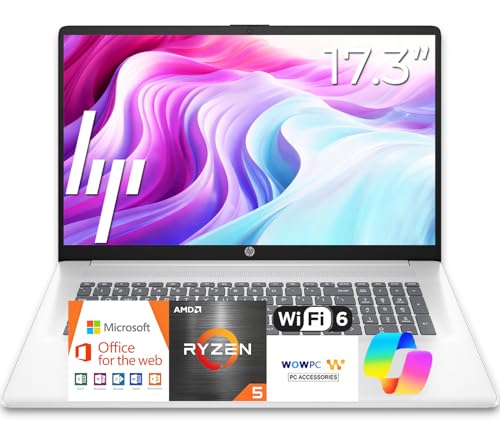


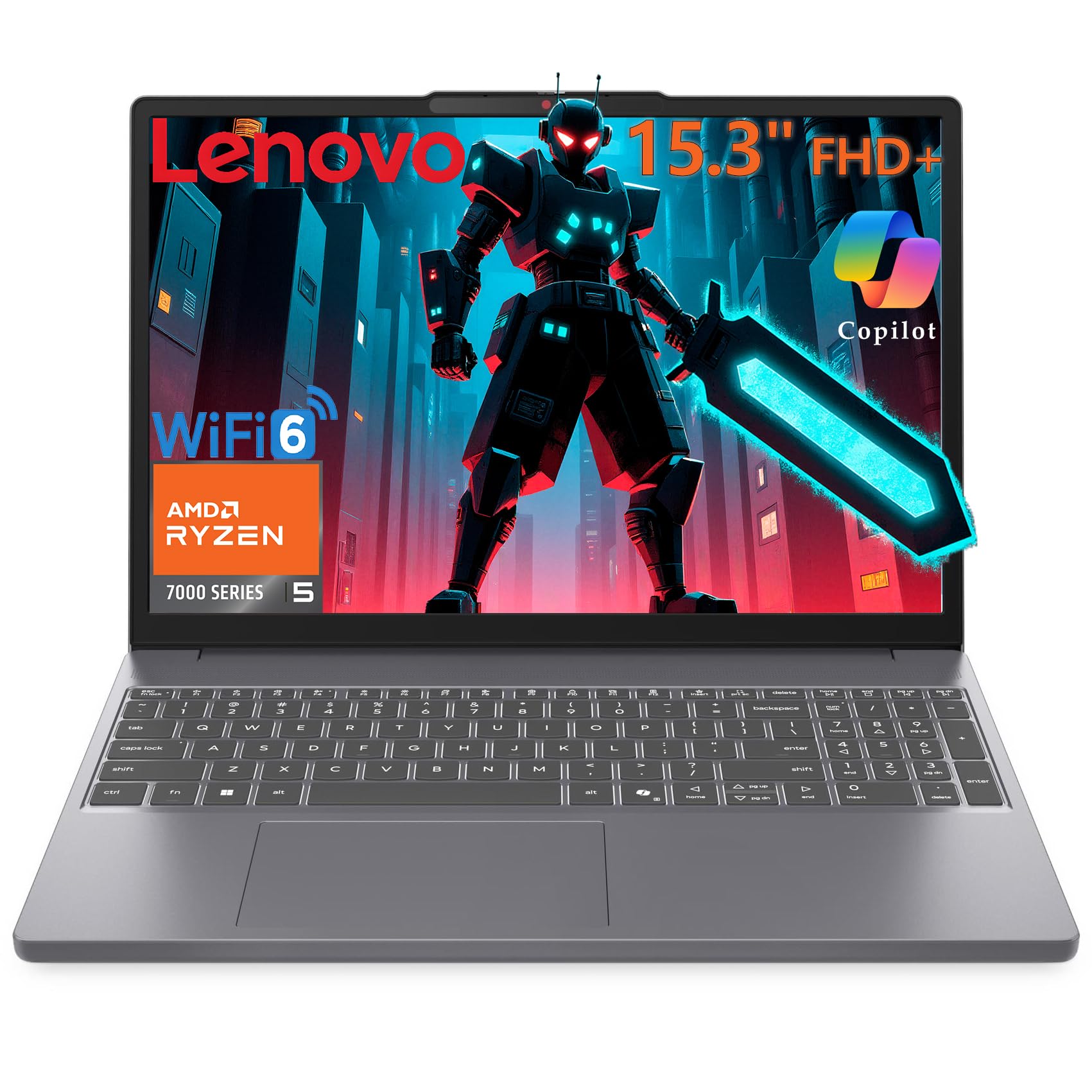
What Each Budget Should Deliver
Rather than naming specific models, this section describes the kind of machine each budget should deliver. Use these profiles as a checklist when you scan the product table above, and reject any laptop that falls short of the profile for its price.
The Budget Profile
A sensible budget choice pairs a current Ryzen 5 processor with 16 GB of RAM and a solid state drive of at least 512 GB. Expect a plastic or partly metal chassis, a 1080p display, and battery life that covers a school or office day with light use. The main trade off is screen quality, since colors and brightness are usually modest at this level. For writing, browsing, video calls, and coursework, that compromise is often worth accepting.
The Midrange Profile
The midrange profile adds a brighter and more accurate display, a metal chassis, and faster storage, while keeping the same capable Ryzen 5 core. You should also see USB C charging, WiFi 6E, and a backlit keyboard as standard rather than rare extras. This tier suits remote workers and students who carry the laptop daily and keep it for four or five years. It is the profile most buyers should aim for when the budget allows it.
The Premium Profile
A premium Ryzen 5 laptop spends its extra money on the experience around the processor. Look for a high resolution display with a fast refresh rate, a thin metal body, large battery, and quiet cooling under load. Some models in this tier add a dedicated graphics chip for gaming or video work. You are paying for portability, screen quality, and refinement, not for raw speed alone, so buy this tier when those qualities matter every day.
What Your Money Gets You at Each Price Tier
Prices move with sales and configuration choices, so think in tiers rather than fixed numbers. The sections below describe the typical pattern across the market and help you spot a laptop that is priced above what it delivers.
Budget Tier: What to Expect
Budget models usually sit around $450 to $650. They handle everyday tasks well, but makers save money on displays, speakers, and chassis materials. You may also find 8 GB of RAM in the cheapest listings, which is a false economy for a machine you plan to keep. A useful know how point is to check whether memory can be upgraded later, because a single free slot can extend the life of a budget laptop by years.
Midrange Tier: The Sweet Spot for Most Buyers
Midrange models, roughly $650 to $950, tend to offer the best balance of price and longevity. Displays improve sharply, build quality feels solid, and 16 GB of RAM with a 512 GB or 1 TB drive becomes normal. Battery life is often stronger too, because these machines target commuters and hybrid workers. If you compare this tier with options in our guide to the best ryzen 5 laptops, you will see the same pattern across brands.
Premium Tier: When Spending More Pays Off
Premium models start around $950 and can pass $1,300. Spending more pays off when you need a bright color accurate screen for photo work, a very light body for travel, or dedicated graphics for games. It pays off less when your day is mostly documents and browser tabs, because a Ryzen 5 in a cheaper shell performs those tasks almost identically. Be honest about your routine before you stretch the budget.
Features Worth Paying For (and Ones to Skip)
Some upgrades change daily comfort far more than a small jump in processor speed. The features below are the ones that most often decide whether a laptop still feels good in year three.
Keyboard, Trackpad, and Build
You touch the keyboard and trackpad more than any other part, so prioritize them. Look for firm keys with clear feedback, a trackpad that tracks smoothly without wobble, and a chassis that does not flex when you lift it by one corner. Aluminum lids and decks resist wear better than soft plastic. If you type for long stretches, a centered keyboard without a cramped number pad often feels better than a larger but squeezed layout.
Processor and Performance Tier
Ryzen 5 chips span several generations, and a newer generation usually brings better battery life and stronger integrated graphics, even at similar clock speeds. Check the exact processor name rather than relying on the Ryzen 5 label alone. For office work, study, and light creative tasks, any recent Ryzen 5 is enough. If you regularly edit video or compile large projects, compare step up options in our guide to the best amd ryzen 7 laptops before you decide.
Graphics (Integrated vs Dedicated GPU)
Modern Ryzen 5 integrated graphics handle casual gaming, older titles, and everyday creative work surprisingly well, especially with dual channel memory. A dedicated GPU matters for demanding modern games, 3D work, and faster video exports. It also adds cost, weight, heat, and fan noise, and it shortens battery life. Buy dedicated graphics for a named task you already do, not for a hobby you might start someday.
Ports and Connectivity
A practical port mix includes at least one USB C port that supports charging and display output, two USB A ports, HDMI, and a headphone jack. USB C charging is a real convenience because one charger can serve your laptop, phone, and tablet at a desk or in a bag. WiFi 6E or WiFi 7 helps on crowded networks, but a stable WiFi 6 connection is fine for most homes. Readers weighing the wider AMD range can also see our overview of the best amd ryzen laptops for context.
Weight and Portability
Weight shapes how often you actually carry the laptop. Under 3 lb feels easy in a backpack all day, 3 to 4 lb suits most commuters, and anything above 4.5 lb belongs mainly on a desk. Screen size drives weight, so a 14 inch model is often the practical middle ground. Remember to count the charger too, since a bulky power brick can add close to a pound to your bag.
Long Term Costs to Factor In
The purchase price is only part of what a laptop costs you. Budget for a protective sleeve or bag, and consider whether you need a USB C dock, an external monitor cable, or extra storage for backups. A warranty extension can be sensible for a laptop that travels daily, though it is poor value for a machine that never leaves a desk. Battery wear is gradual, but a replacement battery near year four is a common expense. Software costs matter too, from office suites to creative subscriptions. Adding these items up front gives you a true total and prevents a cheap laptop from becoming an expensive surprise.
FAQs
How much RAM do I need?
Choose 16 GB for most uses. It keeps many browser tabs, documents, and chat apps running smoothly at once and leaves room for future software. Eight GB still works for very light use, but it fills quickly and can cause slowdowns that feel like the processor is weak. If you edit large photos or run virtual machines, 32 GB is a worthwhile step up where the model allows it.
How long should an amd ryzen 5 laptop last?
A well chosen model should stay useful for about four to six years. Longevity depends more on RAM, storage space, and battery health than on the processor alone. You can extend its life by keeping at least 15 percent of the drive free, cleaning the vents once or twice a year, and replacing the battery when runtime drops sharply. Software support from the maker also matters, so favor brands with a clear update record.
Should I buy a laptop or a tablet?
Buy a laptop if you type often, multitask, or need full desktop software. A tablet wins for reading, drawing, and media on a couch, but a keyboard case and stylus can push its price close to a laptop while still limiting file management. Some shoppers who start with tablets later add a laptop anyway. If one device must do school or office work, the laptop is the safer single purchase.
Is a dedicated GPU worth it?
It is worth it only when your games or creative apps can actually use it. For esports titles at modest settings and for everyday tasks, Ryzen integrated graphics are usually enough and keep the laptop cooler and lighter. A dedicated GPU raises the price by roughly the cost of a good external monitor, so compare that trade directly. If faster exports or high frame rates earn you time or enjoyment weekly, pay for it.
Is a Chromebook enough for school?
A Chromebook is enough when all work happens in a browser and the school confirms its required apps are web based. It falls short for specialized Windows software, offline projects, or local file heavy courses. Battery life and low prices are genuine strengths, and management is simple for younger students. Check the course software list first, because that single step prevents the most common regret with this choice.
Our Verdict
Start with your budget tier, then insist on 16 GB of RAM, a display you can read comfortably, and a weight you will happily carry. Those three checks do more for long term satisfaction than any single benchmark score. Browse the product table above with your tier in mind, and you will find the best amd ryzen 5 laptops are simply the ones whose strengths match your routine without charging you for power you will never use.


