
Best AMD Motherboards under 100: What Actually Matters Before You Buy for 2026
Disclosure: We may earn a commission when you buy through links on this page, at no extra cost to you. As an Amazon Associate I earn from qualifying purchases. Learn more

Use this checklist to find the best amd motherboards under 100, spot weak boards early, and choose a solid socket, VRM, and slot layout for your money.
A board under $100 can run a great budget PC, but only if the maker spent the money on the right parts. This guide gives you the checklist we use to judge the best amd motherboards under 100, with clear pass and fail lines for power delivery, slots, memory, and support. Work through it once and you can sort any budget listing in minutes.
The comparison table below will make more sense after you know the criteria, so read the evaluation section first, then check prices. Cheap boards differ in small details that decide whether your PC feels solid or frustrating.


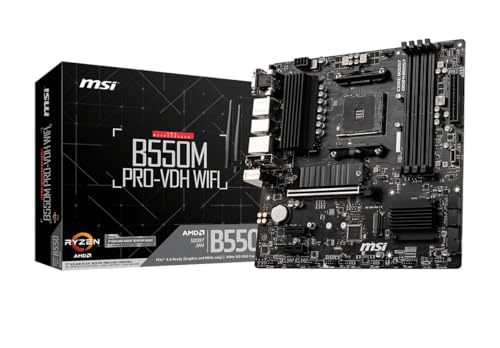
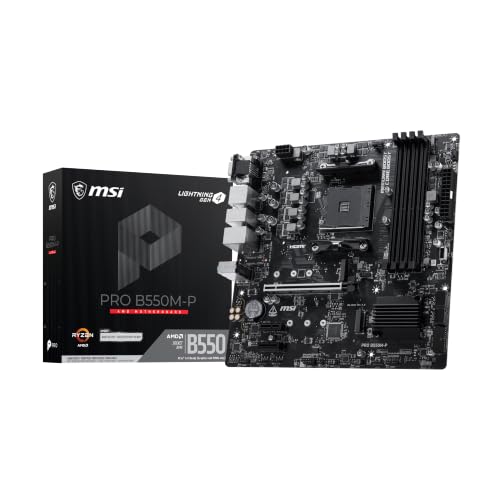


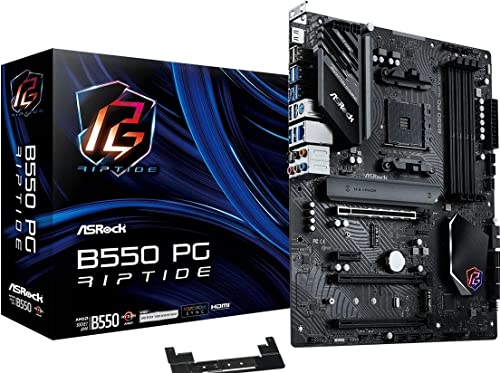
How We Evaluate AMD Motherboards
What You Can Realistically Get Under $100
Under $100, expect an AM4 board on a B450, B550, or entry A520 chipset, four or two DDR4 memory slots, one NVMe slot, and basic audio and networking. WiFi is rare at this price, and premium extras like USB C front headers may be missing. What you must not give up is a heatsink on the main VRM area, a clear manual, and BIOS support for your chip. A board that cuts those corners is cheap in the wrong way, no matter how low the price around $80 to $100 looks.
CPU and GPU Pairing
Budget boards pair best with Ryzen chips up to the eight core class at stock settings, where power draw stays modest. That covers the sweet spot for 1080p gaming and everyday work, and even 1440p when the graphics card is strong enough, because frame rate at that resolution rests mostly on the card. Avoid planning a flagship sixteen core chip or heavy overclocking on this tier, since the power stages and cooling are sized for mainstream parts. Match the board to the chip you own today, not a dream upgrade.
Noise Levels
A budget board itself makes no noise, but weak fan control can make your whole PC loud. Look for at least three fan headers and BIOS fan curves you can tune, so fans glide instead of pulsing. Some owners report coil whine from the cheapest power stages under changing loads, a faint buzz that matters in a quiet room. If your PC sits on the desk near your ears, favor boards whose owner reviews mention calm operation, and set fan curves on day one.
Warranty, Support, and Build Quality
At this price a two or three year warranty is normal, and the real difference is support quality: a maker site with current BIOS files, a readable manual, and a working support channel. Build quality checks are simple. The main graphics slot should feel firm, heatsinks should be screwed down rather than wobbling on pins, and the board should include enough screws and a printed quick start sheet. Cable management is on your case, but sensible header placement along the board edges makes a budget build far less painful.
Power Supply Quality
A cheap board still deserves a decent power supply, because unstable power looks exactly like a faulty board. For a budget build with a midrange card, an 80 Plus Gold unit of about 550 to 650 watts gives clean power and headroom for a later card swap. Avoid unnamed units bundled free with cases, since their ratings are often optimistic. Stable power also protects your drives and memory from odd errors that are miserable to diagnose. Spend the small premium here before spending it on board extras.
Upgradability and Standard Parts
Standard parts keep a budget PC alive for years. Choose the ATX or micro ATX form factor your case fits, confirm four memory slots if you can so a later RAM upgrade is a simple add, and check for a second storage slot or spare SATA ports. Some prebuilt gaming desktops use proprietary boards and power supplies that block all of this, which is why building with retail parts wins long term. Our wider guide to the best motherboards under 100 shows how Intel options handle the same trade offs.
What Your Money Buys at This Price
Entry Level Boards Around $70 to $85
The lowest rung suits basic office PCs and light gaming with a modest processor and a single drive. Expect two memory slots on some models, fewer USB ports, and no VRM heatsink on the very cheapest, which limits chip choice to low power parts. This rung works when the build is truly simple and the budget is fixed. Check the CPU support list with extra care here, because older stock may ship with a BIOS too old for newer Ryzen chips.
Mid Priced Budget Boards Around $85 to $100
The top of this budget band is where value peaks. Here you often gain a B550 chipset with PCIe 4.0 for the graphics slot and NVMe drive, a heatsink over the main power stages, four memory slots, and better audio. That mix runs a six or eight core Ryzen and a midrange card with confidence. If prices in the comparison table above cluster near $100, this is the group to study, and our guide to the best motherboards for gaming under 100 narrows the same idea to gaming first builds.
Stretching Slightly Above $100
Sometimes a board at about $110 to $130 adds WiFi, a second NVMe slot, and much stronger power delivery, which can be the smarter buy if you keep a PC for five years. The honest rule is to stretch only for a named feature you will use, not for vague future proofing. If the budget is hard, a sub $100 board plus a planned later drive addition is perfectly rational. Never stretch by cutting the power supply or the graphics card, since those parts shape your daily experience more.
Quick Buyer Checklist
- Does the CPU support list name your exact Ryzen chip, and is the required BIOS version clear?
- Is there a heatsink over the main VRM area near the socket?
- Does the board have at least one NVMe slot and enough SATA ports for your drives?
- Are there four memory slots, or will two slots limit your later upgrade?
- Does the board size match your case, and are the fan headers enough for your fans?
- Is the warranty at least two years, with BIOS files easy to find on the maker site?
- Have you kept enough budget for a quality power supply and a graphics card that fits your goals?
Red Flags to Watch For
- Vague power claims. Listings that hide the chipset name or VRM details usually hide weak hardware too.
- No BIOS information. If the maker page lacks update files or a CPU support list, walk away, because support will not improve after purchase.
- Impossible feature lists. A board under $100 promising premium audio, top tier networking, and heavy overclocking support at once is marketing, not engineering.
- Very short warranty. A warranty under one year on a new board signals low confidence from the maker.
- Odd review patterns. Clusters of glowing reviews with no detail, next to owner reports of dead slots, deserve real suspicion.
Setup and Care Tips
Build on a table with the manual open, seat the processor and cooler before the board enters the case, and connect front panel wires last. Clean dust filters and fans every three months, update GPU drivers and BIOS carefully and only one at a time, and monitor temps with free tools during the first week. These habits catch the small faults that budget builds sometimes ship with, while everything is still easy to return. For a broader view of the platform, see our guide to the best amd motherboards.
FAQs
Can you get a good amd motherboard under $100?
Yes, you can get a genuinely good AMD motherboard under $100 for mainstream Ryzen chips. The key is choosing a B550 or well made B450 board with a VRM heatsink and clear BIOS support. You give up WiFi and extra slots, not stability. Many long lived budget PCs run on exactly this class of board, so the price alone should not worry you.
Is it cheaper to build or buy a prebuilt PC?
Building is usually cheaper at the budget end because you choose every part and avoid paying for extras you do not need. Prebuilts can win during deep sales, but many ship with proprietary boards that block upgrades. If you build, your board, power supply, and case all stay standard and reusable. That reuse is where a self built budget PC pulls ahead over the years.
Will a board under $100 need a BIOS update for my Ryzen chip?
Sometimes. Older stock can ship with a BIOS that predates newer Ryzen 5000 chips, so check the maker CPU support list and the BIOS version required for your processor. A BIOS flashback button makes the update easy without a working chip.
How much RAM do I need for gaming?
Sixteen gigabytes in two sticks is the right target for gaming on a budget board. It runs current games smoothly and leaves room for a browser and chat apps in the background. Thirty two gigabytes helps creators, but gamers gain little today. Buy a matched pair at a sensible speed, and prefer four slot boards so adding more later stays easy.
Air or liquid cooling: which is better?
Air cooling is better for a budget build in every way that matters: lower cost, no pump to fail, and easy cleaning. The stock or entry tower cooler handles mainstream Ryzen chips quietly. Liquid cooling at this budget takes money from the graphics card and adds nothing to frame rates. Put the savings into case fans if your case ships with only one.
Wrapping Up
Run every candidate through the checklist: confirmed chip support, a heatsink over the power stages, the slots you need today, and support pages you can actually use. Do that and price becomes the last filter instead of the first. Check the product table above against those lines, and the best amd motherboards under 100 for your build will be the one that passes them all without drama.


