Best AM2 Motherboards 2026: Types and How to Choose
Disclosure: We may earn a commission when you buy through links on this page, at no extra cost to you. As an Amazon Associate I earn from qualifying purchases. Learn more
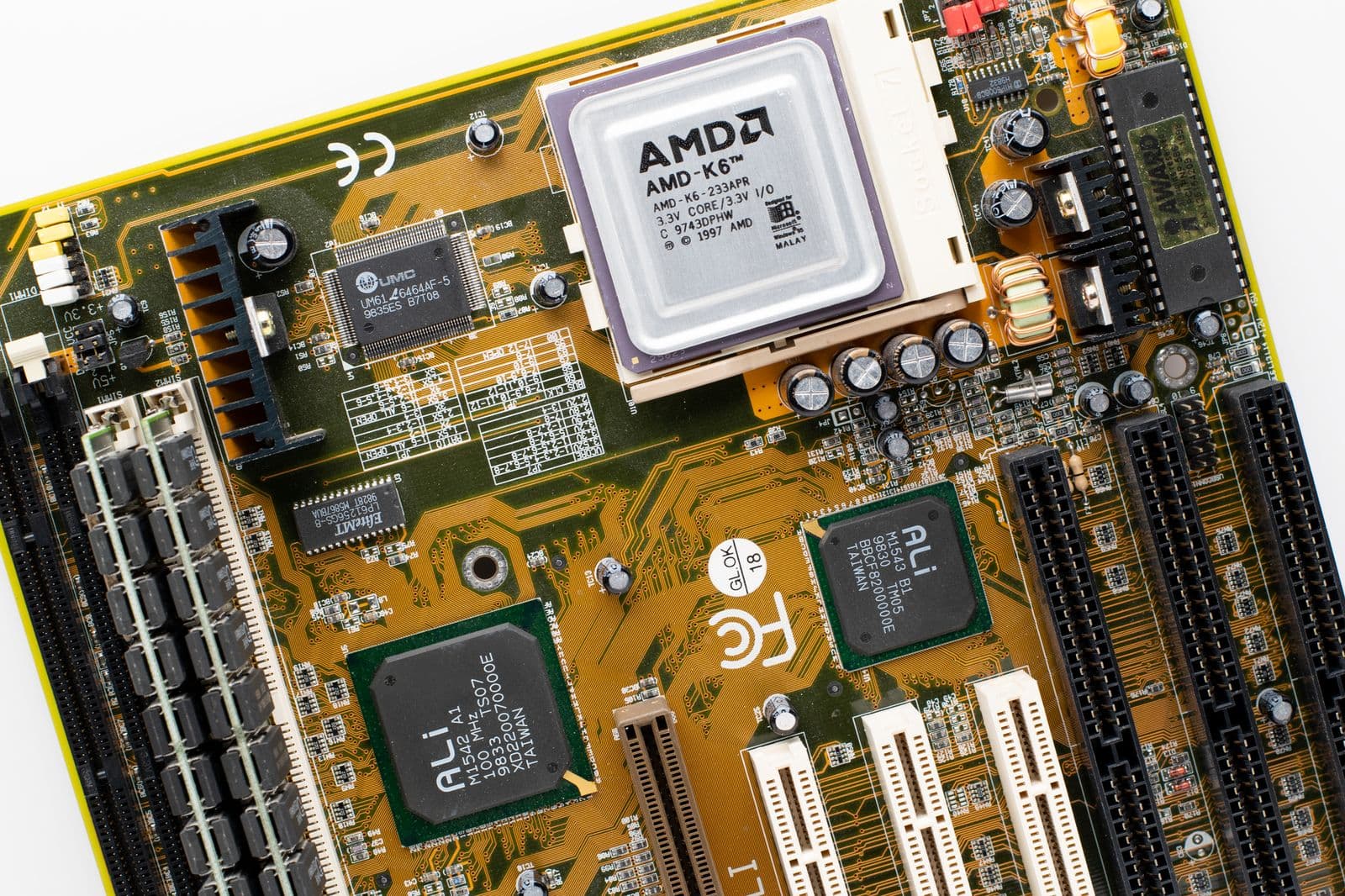
What to know about the best am2 motherboards: board types, DDR2 limits, processor support and compatibility checks for legacy AMD builds.
Socket AM2 is an older AMD platform, so shopping for best am2 motherboards feels confusing for a different reason than shopping for a new board. Most listings are used, refurbished, or old stock, and names that look alike can differ in chipset, memory support, and processor support.
This guide compares board types side by side, explains what each type does well, and shows you how to check compatibility before you spend money. Use the sections below to match a board to your processor, case, and goals.
Types of Am2 Motherboards Compared
AM2 boards all share the same socket, but they were built for very different budgets and case sizes. The four groupings below reflect how these boards were sold and how people still use them today, from low cost repair builds to compact retro systems. Prices vary a lot because condition matters as much as features on a platform this old.
Budget 1080p Builds
Boards in this group were entry level ATX and micro ATX models with basic chipsets, two or four DDR2 memory slots, and modest onboard features. They suit a simple repair or a light use desktop built around an older Athlon or Sempron processor. You get enough expansion for one graphics card, a hard drive or early solid state drive, and everyday peripherals.
The trade off is limited headroom. Voltage regulation is basic, memory support usually stops at DDR2 800, and many boards lack modern ports. Choose this type when your goal is to revive a working system for around $30 to $80 for the board alone, not to build a fast gaming machine.
Custom Built PCs
Enthusiast AM2 boards from the original custom build market added stronger chipsets, four memory slots, more SATA ports, and better cooling around the processor socket. Many support higher wattage Athlon 64 X2 processors and offer more BIOS options for memory timings and fan control. They are the most flexible choice for a period correct retro build.
Expect to pay more for clean examples, often about $80 to $180 depending on condition and included accessories. Check photos closely for swollen capacitors, missing input output shields, and bent pins in the socket area. A board with its original backplate and a recent test note is worth more than a bare board with no history.
Small Form Factor PCs
Mini ITX AM2 boards are rare, and most compact builds use micro ATX boards in small cases instead. These boards trim expansion slots and ports to fit tight spaces, which makes them good for a quiet office PC, a basic media box, or a compact retro system on a desk. Onboard graphics were common in this group, which helps when you do not want a separate card.
The limits are airflow and upgrade room. A compact case traps heat, and a single expansion slot means you must choose between a graphics card and other add in cards. If compact size matters, you may also want to see our guide to the best itx motherboards for modern small boards that show how the format has evolved.
Prebuilt Gaming Desktops
Large computer makers sold many AM2 systems under their own names, and their boards often use custom layouts, front panel wiring, and power connections. A board pulled from a prebuilt desktop can be cheap, sometimes under $50, and it can be an exact match for repairing the same model. That exact match is its main strength.
The weakness is flexibility. BIOS options are often locked, processor support lists are narrow, and the board may not fit a standard case or power supply. Buy this type only when you are repairing the same prebuilt model or you have confirmed the mounting holes, power connector, and front panel pins match your case.
Budget 1080p Builds vs Custom Built PCs: Which Should You Choose?
For a budget repair, the basic board wins on price and simplicity. It asks little from your power supply, it usually supports the widest range of low wattage processors, and it is easy to find. It is the sensible pick when the computer handles web browsing, documents, and light media.
For a custom retro build, the enthusiast board wins on processor support, memory capacity, and tuning options. It also tends to have better slot layout for a larger graphics card. The cost is higher prices and more risk, because these boards were often pushed harder by past owners. If you plan to keep the system for years, the stronger board is usually worth the extra care in checking condition.
Onboard features differ too. Custom boards more often include extra SATA ports, better audio, and gigabit networking, while budget boards may include only the basics. Decide by your parts list first, not by looks. If appearance does matter for a showcase retro build, see our guide to the best looking motherboards for design ideas from newer platforms.
How to Choose the Right Am2 Motherboard
Compatibility comes first on a legacy platform. Work through the checks below in order, because a board that fails the first check will not work no matter how good the rest looks. Keep your exact processor model and memory sticks in front of you while you shop.
RAM and Storage (DDR2 and SATA)
AM2 uses DDR2 memory, not DDR3, DDR4, or DDR5, and the two common speeds are DDR2 667 and DDR2 800. Most boards hold 4 GB to 8 GB in total, which is enough for light tasks and retro games but tight for modern multitasking. Match the speed and voltage printed on your existing sticks, and prefer a matched pair so dual channel mode works.
Storage is SATA based on nearly all AM2 boards. A modern SATA solid state drive works well and makes an old system feel much faster, even though the board limits its top speed. There is no native NVMe support on this platform, so plan on SATA drives only.
CPU and GPU Pairing
Check the processor support list for the exact board model before buying, because AM2, AM2 plus, and early AM3 processors overlap in confusing ways. Some later boards accept AM2 plus processors after a BIOS update, while early boards do not. If the seller cannot confirm the BIOS version, assume only original AM2 processors will work.
For graphics, a modest card suits this platform best. The processor will limit frame rate long before a powerful modern card stretches its legs, so a low power card that fits your case and power supply is the balanced choice. For 1080p retro titles and older games, that pairing feels smooth without wasting money.
Upgradability and Standard Parts
Standard ATX and micro ATX boards give you the most freedom because they fit common cases, power supplies, and coolers. Proprietary boards from large makers can block simple swaps such as a new power supply or a different case. If you value future repairs, choose a standard board with a published manual you can still download.
Also confirm the cooler mounting. AM2 uses a retention bracket around the socket, and some used boards arrive without it. A missing bracket or backplate adds cost and delay, so ask the seller what is included. For a broader view of standard layouts, see our guide to the best computer motherboards and compare how much simpler modern documentation has become.
Power Supply Quality
An aging system deserves a healthy power supply more than a powerful one. Most AM2 builds draw modest power, so a quality unit around 350 to 450 watts is plenty, with the 24 pin main connector and the 4 pin processor connector your board needs. Avoid no name units pulled from failing prebuilts, because weak power can cause random restarts that look like board faults.
Look for clear brand labeling, intact cables, and a fan that spins freely. If your current supply is as old as the board, replacing it at the same time is a smart and low cost form of insurance. Stable power also protects your drives, which often hold the data you are trying to save.
Case Size, Airflow, and Aesthetics
Match the board form factor to your case. Full ATX boards need an ATX case, while micro ATX boards fit both micro ATX and larger ATX cases and leave more room for cables. If you are shopping the smaller format for a new build on any platform, our guide to the best matx motherboards explains the layout trade offs in detail.
Airflow matters because older chipsets run warm and many AM2 boards rely on small passive heatsinks. Give the chipset and processor area direct airflow, and avoid cases that seal the front panel. A simple front intake and rear exhaust setup keeps an AM2 system stable during long sessions.
Choosing Am2 Motherboards for Your Situation
Best Socket Am2 Motherboards: Which Type Works Best
When you search for best socket am2 motherboards as a phrase, the socket detail is the point. Confirm three things: the socket is truly AM2 and not a look alike, the board supports your exact processor stepping, and the memory is DDR2. A standard micro ATX board from a known maker, sold with a clear return policy and a working guarantee, is the safest type for most buyers.
If you later decide the platform is too limiting, our guide to the best motherboards am4 shows the next practical step up, with DDR4 support and far better processor choices. Many readers keep the AM2 system for retro use and build the newer platform for daily work.
How to Make Your Am2 Motherboard Last Longer
Heat and dust are the main threats to a board this old. Clean the case filters and fans about every three months, and use short bursts of compressed air with the system off and unplugged. Hold fan blades still while you clean so they do not spin and generate power back into the board.
- Check temperatures with a free hardware monitor tool, and act if the chipset or processor runs hot at idle.
- Update the BIOS only when you need support for a specific processor, and never interrupt power during the update.
- Replace the coin cell battery when settings stop saving, because a dead battery causes confusing boot behavior.
- Keep driver copies for the chipset, audio, and network on a USB drive, since downloads for this platform can disappear.
Capacitors age even in storage. Inspect the tops of the capacitors near the processor socket each year, and plan a replacement board if several look swollen or leaking. Catching this early protects your processor and drives.
FAQs
What GPU do I need for 1440p?
On an AM2 system, 1440p gaming is not a realistic goal, because the processors limit frame rate well before the graphics card matters. A modest low power card is enough for sharp desktop use at 1440p and for older games at 1080p. If smooth 1440p play is your real goal, put the money toward a newer platform instead of a stronger card for this one.
Air or liquid cooling: which is better?
Air cooling is better for almost every AM2 build. A simple tower or low profile air cooler is cheap, reliable, and easy to fit on the AM2 retention bracket. Liquid cooling adds pump failure risk and mounting trouble with no real benefit, because AM2 processors do not produce enough heat to need it. Spend the savings on a better power supply or a solid state drive.
Is it cheaper to build or buy a prebuilt PC?
Repairing your existing AM2 system is cheapest when only the board has failed, because you reuse the case, drives, and memory. Building a full AM2 system from parts rarely makes sense on cost alone, since shipping several old parts adds up fast. A used newer prebuilt often costs about the same and performs far better, so compare total cost honestly before you commit.
How long will a gaming PC stay relevant?
An AM2 system is already a retro platform, so think of relevance by task rather than by years. For older games, office work, and media playback, a healthy AM2 build stays useful as long as its capacitors and power supply hold up. For current games and modern software support, it fell behind long ago, and no board swap inside the platform changes that.
How much RAM do I need for gaming?
For AM2 retro gaming, 4 GB of DDR2 works for most older titles, and 8 GB is the comfortable maximum most boards support. Match two sticks of the same speed so dual channel mode stays active, which helps onboard graphics and light cards. More memory will not fix a slow processor, so keep expectations balanced and spend first on a solid state drive.
Final Thoughts
Start with compatibility, then condition, then price. Confirm your exact processor is supported, insist on DDR2 memory support and standard mounting, and buy from a seller who states the board was checked and works.
For a simple repair, a basic board is enough. For a retro build you plan to keep, a stronger standard board is worth the care. Either way, choosing the best am2 motherboards for your parts list, rather than the most feature packed listing, is what keeps an old system running well.