Best Aluminum Pizza Peel (2026): Blade Style, Size and Storage
Disclosure: We may earn a commission when you buy through links on this page, at no extra cost to you. As an Amazon Associate I earn from qualifying purchases. Learn more
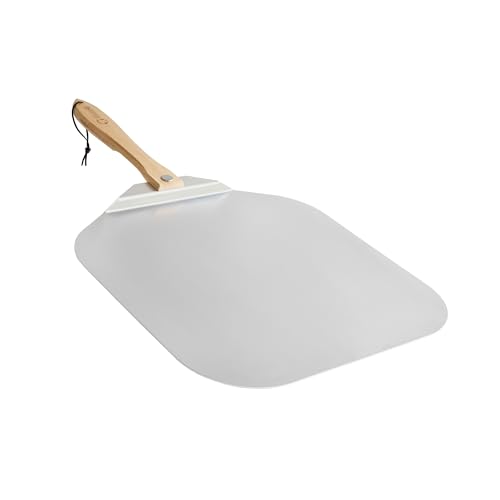
Best Aluminum Pizza Peel guide: compare solid, perforated and folding blades by oven fit, handle length, storage and budget for easier launches.
Picture a Friday night in a small kitchen. Dough is stretched, toppings are ready, the oven is hot, and the whole plan depends on one smooth slide that moves the pizza without folding it in half. That slide is why choosing the best aluminum pizza peel for your space matters more than most people expect. A peel too wide for your oven or too long for your counter turns pizza night into a juggling act.
This guide helps you choose by your oven size, your storage space, how many people you cook for, and what you can spend. Browse the product table below for real peels, and you will know which one fits your household before you order.



Quick Answer: The Three Styles Worth Considering
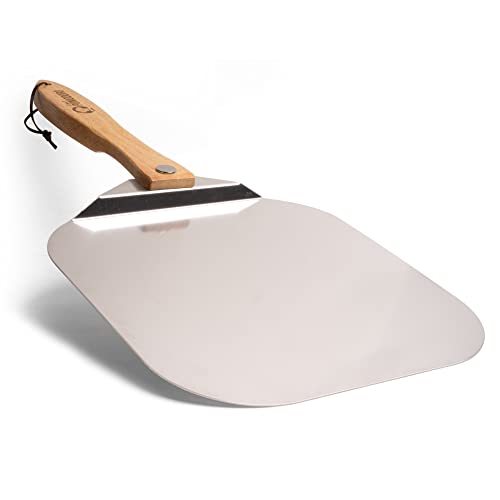
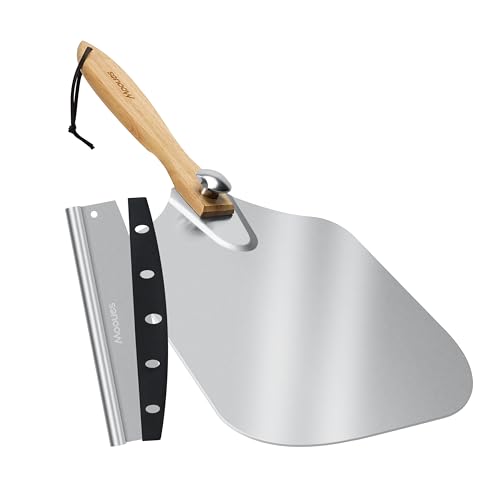
Most home cooks choose among three aluminum styles. A solid blade is the all purpose option, light and simple, suiting most ovens and doughs. A perforated blade has small holes that let loose flour fall away before the pizza enters the oven, keeping the crust cleaner. A folding handle style gives you a full size blade that still stores in a drawer or narrow cabinet. Start with size, because a peel that does not fit your oven fails at once.
Before You Buy: A Quick Checklist for Choosing a Pizza Peel
Size: Match It to Your Space
Measure the usable width inside your oven at the rack or stone level, plus the depth from the back wall to the front edge. Your blade should be at least one inch narrower than the smaller of those numbers, giving you room to angle the peel as you slide it in and out.
A 12 inch blade handles personal pizzas and fits nearly every home oven. A 14 inch blade is the middle ground most families land on, wide enough for a shared pizza yet still easy to handle. A 16 inch blade suits large pizzas for bigger households, but it demands a wide oven and generous counter space. Our guide to the best pizza peel for home oven use explains how oven dimensions shape this choice. Handle length matters too: a longer handle keeps hands farther from the heat but needs clearance behind you, which a galley kitchen may not have.
Which Type Fits Your Routine
If you stretch dough, top it, and launch it within a few minutes, a standard launching peel does the whole job. Raw dough slowly sticks to metal as it sits, so a quick routine protects you more than any special finish. Build the pizza fast, keep the peel moving with small shakes, and get it into the oven.
Some households add a smaller turning peel for rotating the pizza midway, a nice extra but optional in a home range, where tongs can do the job. Other designs, such as the best sliding pizza peel styles, use a moving surface to release dough with less shaking, which helps new cooks. Whatever style you pick, the basic motion stays the same, and our walkthrough on how to use a pizza peel covers the angle, the quick pull back, and how to free a stuck pizza.
Materials and Food Safety
An aluminum pizza peel, sometimes sold as an aluminum pizza paddle or aluminum pizza spatula, is a single sheet of metal joined to a handle. Aluminum is popular for three plain reasons. It is light, so a loaded pizza does not strain your wrist. It is thin, so the edge slips under dough without pushing it. And it does not absorb odors, so yesterday sauce does not flavor today crust.
Blade thickness is the detail to check. Very thin blades can flex under a heavy, generously topped pizza, making the launch unpredictable. Very thick blades feel sturdy but slide under delicate dough less gracefully. Look for a blade that feels rigid when you press its center, with a front edge that tapers gently rather than ending in a blunt lip. For food safety, choose a peel sold for food contact, with a handle joint that sits flush so flour does not collect in a gap.
Washing: Dishwasher or Sink
Most aluminum peels do best with hand washing. Dishwasher detergent is harsh on aluminum and can dull the surface over time, and the long blade crowds other dishes anyway. A sink wash takes about a minute: warm water, a soft sponge, a drop of mild soap, then a full rinse. A launching peel rarely gets truly dirty, since the blade mostly touches flour and dough.
Dry the peel right after washing. Aluminum resists rust, but many handles are wood, and a wooden handle left wet will swell and turn rough over time. If everything in your house goes in the dishwasher, factor that in now.
Realistic Budget Ranges
Prices fall into broad bands. Under about $20, you will find simple solid blades with basic handles, fine for occasional pizza nights. Between about $20 and $40, blades get sturdier, edges are finished more smoothly, and handles feel better balanced. Between about $40 and $80, you are paying for refinements such as perforated blades, folding joints that lock firmly, and shaped handles. Spending more does not change what the peel does, only how solid it feels and how long the small parts last, so most households land happily in the middle band.
Three Aluminum Styles Compared
Solid Blade Peels for Everyday Launches
The solid blade is the design most people picture: one flat sheet of aluminum with a straight or slightly rounded front edge. It has no holes, no moving parts, and nothing to maintain beyond washing. Dough releases well when you dust the blade with flour or semolina first, and the plain surface is the easiest style to wipe clean. Choose it for one tool that does everything reasonably well at the lowest cost. Its weakness shows up with wet doughs, which can grip the surface while extra flour scorches on the stone, so quick launches matter here.
Perforated Blade Peels for Cleaner Crusts
A perforated blade carries a pattern of holes across its surface. As you shake the peel gently before launching, loose flour falls through the holes instead of baking onto the bottom of the crust, so the pizza tastes cleaner and the oven floor stays tidier. The trade off is cleaning and cost: flour packs into the holes, so you will spend an extra minute with a brush now and then, and perforated models sit in the higher price bands. If you stretch wet dough each week, the cleaner crust is a real gain. If your dough is firm and dry, you may never notice the benefit.
Folding and Short Handle Peels for Tight Storage
Peels are awkward objects: wide at one end, long overall, and unwelcome in most drawers. Folding handle models answer that problem directly. The handle folds alongside the blade, cutting the stored length roughly in half, so the peel fits a deep drawer or a narrow gap beside the oven. The hinge should lock open with no wobble, because a handle that flexes mid launch sends toppings sliding. For a wider view of the category, see our roundup of the best pizza peel options for every kitchen.
How We Built This Checklist
The criteria here come from what home cooks feel most: ease of use during the launch, durability, cleaning effort, fit in ordinary ovens and cabinets, and what each price band buys. We weighed maker specifications alongside patterns that recur in verified buyer feedback, such as handles loosening or blades flexing under heavy pizzas. No models are ranked in this section.
Aluminum Compared With Other Peel Materials
Wood is the classic alternative. A wooden blade is thicker, and dough sticks to it less readily at first. But wood absorbs water, needs gentler washing, and can crack or warp if it soaks. Our guide to the best wooden pizza peel covers that upkeep honestly. Steel blades are thinner and tougher than aluminum but heavier under a loaded pizza. Aluminum sits between those poles: lighter than steel, thinner than wood, and indifferent to water. It conducts heat quickly, though, so keep the peel out of the oven until the launch.
Common Buying Mistakes to Avoid
- Buying a 16 inch blade for an oven that fits a 14 inch pizza, leaving no room to angle the peel.
- Ignoring handle length, then finding the peel cannot be pulled back in a narrow kitchen.
- Choosing the thinnest blade to save money, then fighting flex under every fully topped pizza.
- Skipping the storage question, so a long peel ends up leaning in a corner collecting dust.
- Assuming every aluminum peel is dishwasher friendly, then watching the finish dull after a few machine washes.
Cost of Ownership and Care
An aluminum peel has almost no running costs: no parts to replace on a schedule and no special cleaners to buy. Your ongoing supplies are flour or semolina for dusting, plus a soft brush for a perforated blade. Replacement triggers are a blade bent by a drop, a handle joint that cannot be tightened, or a surface scratched deeply enough to hold residue.
Wash the blade in warm soapy water, rinse, and dry it fully. Store the peel flat or hanging so the thin edge does not bend against other pans, and avoid cutting pizza on the blade, since a wheel will score the surface and give dough something to grip later. For a fuller routine, read our guide on how to clean a pizza peel. Never use the peel as a lever to lift a heavy stone, because that bending force is exactly what warps thin aluminum.
Your Questions, Answered
How long does an aluminum pizza peel last?
An aluminum peel commonly serves for many years, often a decade or more, because there is little on it to wear out. The blade does not dull, and aluminum does not rust. Lifespan usually ends through accidents rather than age: a hard drop that bends the edge, or a hinge that loosens after thousands of folds.
Is a pizza peel worth buying if I already own a baking sheet?
A rimless baking sheet can launch a pizza, and many people start that way. A peel earns its place in two moments. Its thin tapered edge slides under a topped pizza built on the counter, where a sheet with any lip cannot. And it places the pizza far back on a hot stone without your hand reaching deep into the oven.
Are aluminum pizza peels good for bread and flatbreads too?
Yes, and a wider blade quietly shines beyond pizza night here. The same thin edge works for moving focaccia, naan, and rustic loaves onto a stone or steel. One point is new: bread dough is often proofed on parchment, and the peel slides under the parchment easily, so the transfer stays calm. For heavy loaves, support the blade with your free hand during the carry.
What size aluminum pizza peel should a beginner start with?
Start one size below your biggest ambition. If your oven fits a 14 inch pizza, the 12 inch blade gives you extra clearance on every side while your launch motion is still new. Smaller pizzas mean lighter loads, so your wrist learns the quick pull back without fighting weight. The small blade stays useful later for turning and retrieving.
Why does pizza stick to an aluminum pizza peel?
Sticking traces back to time or moisture. Dough left sitting on the blade while toppings are chopped will bond to the metal, and sauce that seeps over the edge glues the crust down. The fix is workflow rather than gear: have toppings ready before the dough touches the peel, dust the blade right before loading, and shake the peel lightly every half minute.
Final Thoughts
Choosing well comes down to three honest answers: how wide your oven is, how much storage you can give a long tool, and how wet your dough tends to be. Match the size first, pick the style that fits your routine, and stay inside the price band that matches how often you bake. Do that, and the best aluminum pizza peel for your home stops being a guess and becomes an easy, confident pick.
Before you order, glance back at the product table above and compare the models side by side with your measurements in hand. A peel that fits your space will disappear into pizza night for years.