
Best Aluminum Loaf Pan (2026): Size, Finish and Gauge
Disclosure: We may earn a commission when you buy through links on this page, at no extra cost to you. As an Amazon Associate I earn from qualifying purchases. Learn more

Best Aluminum Loaf Pan guide: compare size, finish, gauge and rim shape so banana bread and sandwich loaves bake evenly every time.
Picture a Sunday morning banana bread that rises tall, browns evenly, and slides out in one clean piece, all in a pan that fits your oven and your storage shelf. Finding the best aluminum loaf pan for your home comes down to size, finish, and how you bake week to week, not to the longest feature list. This guide walks through those choices by household size, kitchen space, and budget.
Aluminum suits everyday baking because it heats fast, weighs little, and costs less than most alternatives. Use the product table below to compare real pans against the factors in this guide, and see our broader guide to the best loaf pan if you want to weigh other materials before deciding.

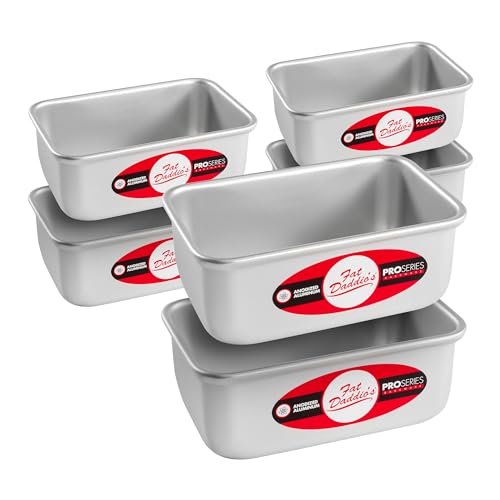

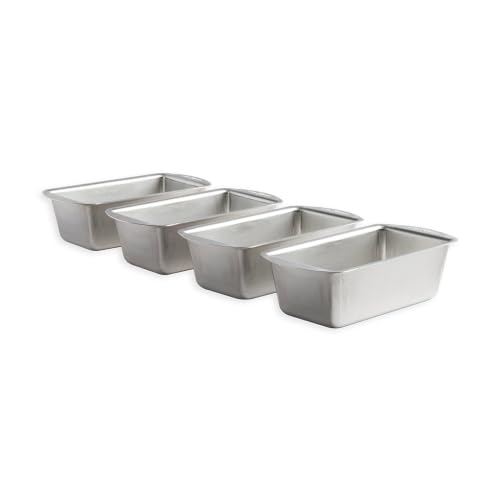


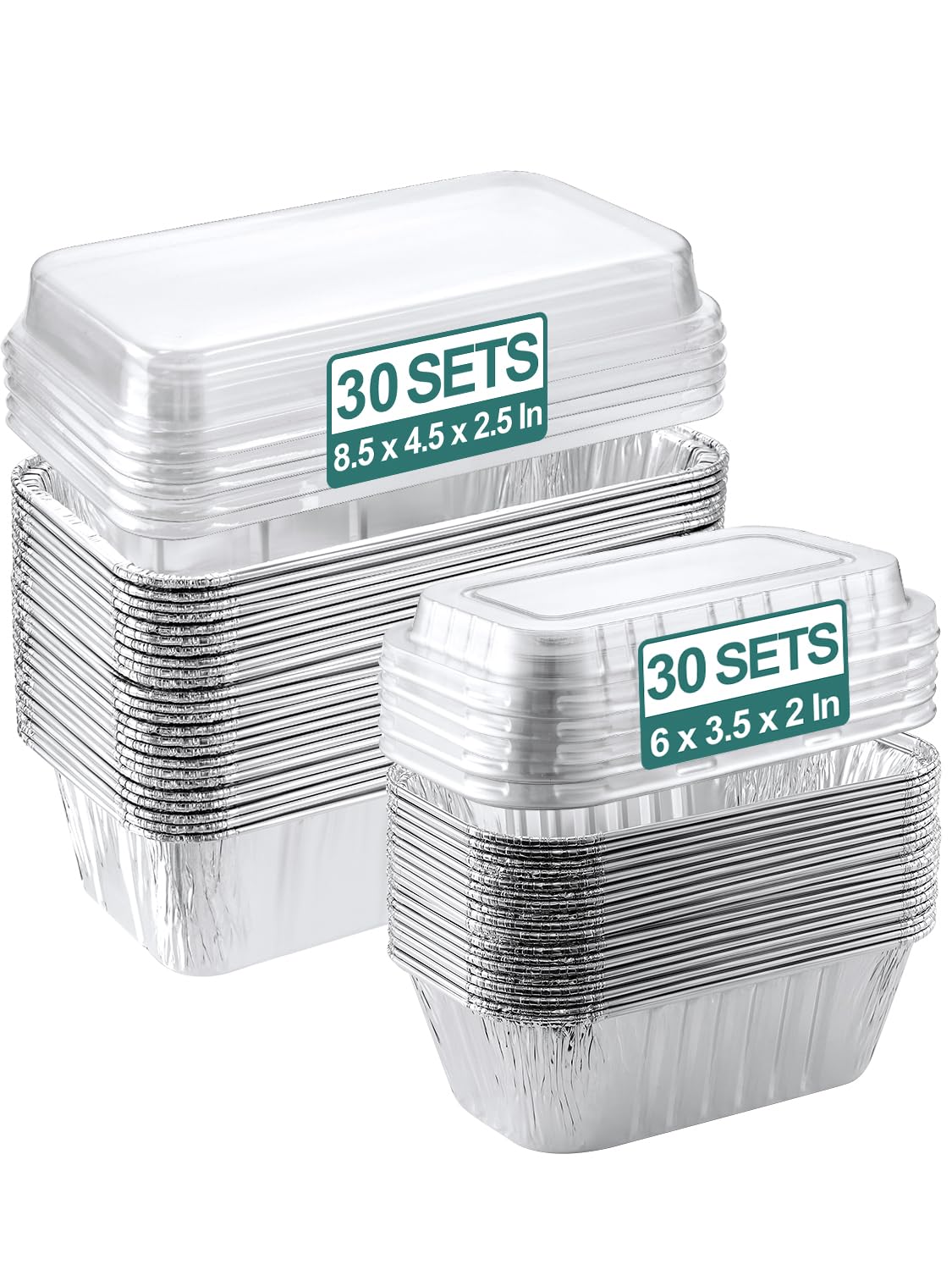
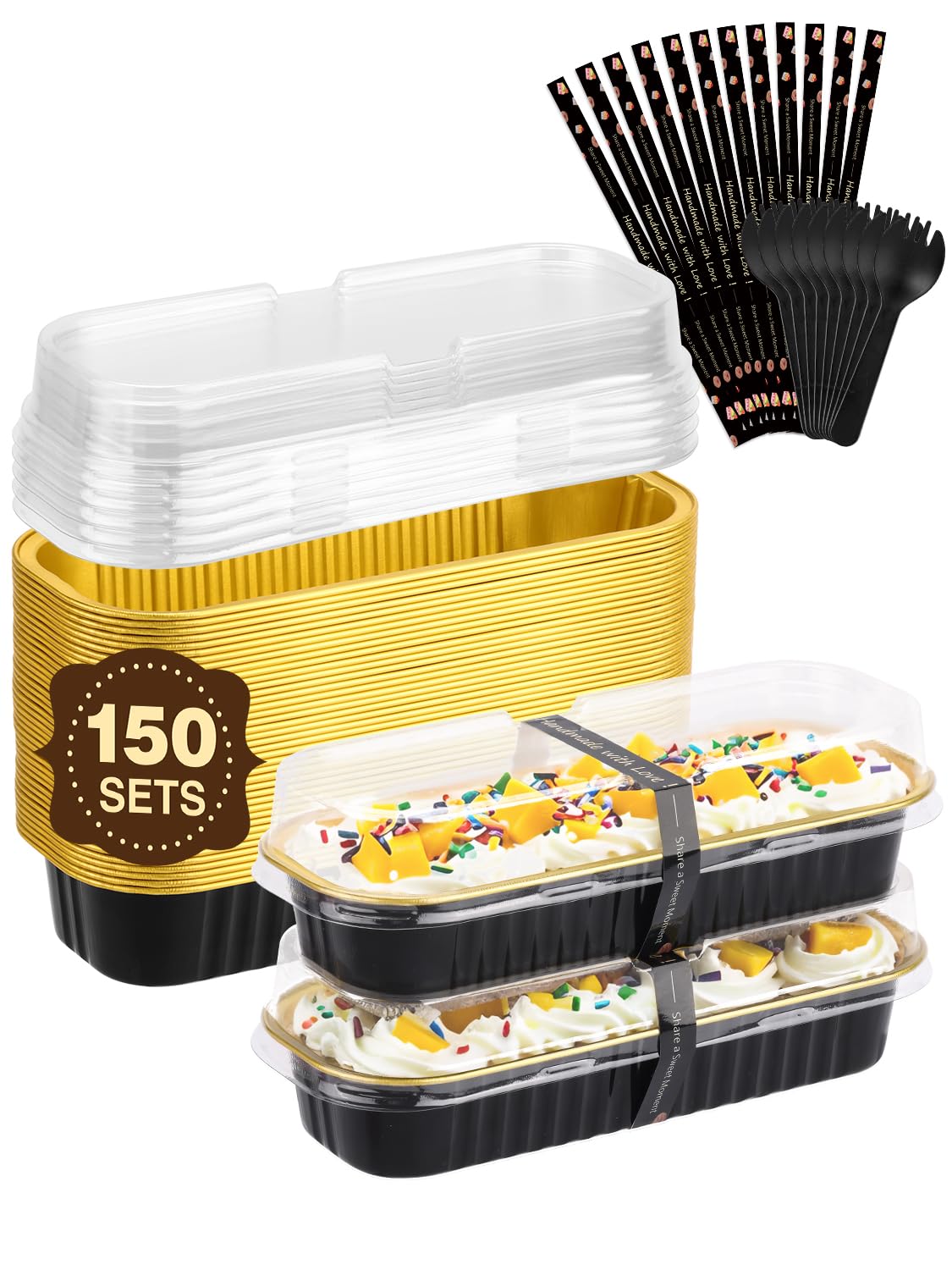
Quick Answer: How to Choose in 30 Seconds
For most homes, a plain aluminum pan in the 9 by 5 inch size covers sandwich bread, quick breads, and meatloaf without crowding a standard oven. Choose a light finish for gentle browning, a nonstick finish if you bake sticky batters often, and a lidded Pullman shape if you want square sandwich slices. Match the pan to your usual recipe volume first, then check gauge, rim shape, and the oven temperature rating.
Before You Buy: A Quick Checklist for Choosing a Loaf Pan
Size: Match It to Your Space
The two common sizes are 8.5 by 4.5 inches and 9 by 5 inches, and they are not interchangeable without adjusting batter amounts. The smaller pan suits one pound loaves and compact ovens, while the larger one holds about one and a half pounds of dough and gives tall batters room to rise. Mini pans work for gifts and small households. If your recipes name a size, start there, and read our guide on what size loaf pan do i need before substituting.
Which Type Fits Your Routine
Plain aluminum fits bakers who grease and line pans without thinking twice. Nonstick aluminum helps when your rotation leans toward sticky fruit breads and glazes. Silicone flexes for easy release but gives softer crusts, while glass and ceramic hold heat longer and suit table service. Cast iron and stoneware brown deeply but feel heavy for daily use. Carbon steel sits between aluminum and heavier pans in both weight and browning.
Features Worth Paying For and Ones to Skip
A rolled rim earns its cost because it stiffens the pan and gives you a secure grip with oven mitts. Sturdy handles help when a full meatloaf pan moves from oven to counter. A lid matters only if you bake Pullman style sandwich loaves. Skip oversized decorative sets, bundled tools you already own, and coatings with no stated temperature rating. One dependable pan in the right size beats a cabinet full of shapes you rarely reach for.
Light vs Dark Finish and Browning
Finish changes how your crust colors. A light, natural aluminum surface reflects some heat, so crusts brown gradually and stay tender, which suits pound cakes and pale sandwich bread. A dark finish absorbs more heat and produces deeper color and crisper edges, which many meatloaf and banana bread bakers prefer. With a dark pan, check the loaf a few minutes early, since sugars in the batter brown faster against the hotter surface.
Oven Safe Temperature
Plain aluminum tolerates high oven heat well, but coatings set the real limit on nonstick pans. Many nonstick finishes carry ratings near 450 degrees Fahrenheit, and some are lower, so read the rating before using a pan under a broiler or in a very hot oven. Seeded breads and roasted vegetable loaves sometimes start at high heat. If your baking often runs hot, an uncoated pan removes the guesswork entirely.
Nonstick Coating vs Uncoated Aluminum
Uncoated aluminum needs a thin layer of fat or a parchment sling, yet it never loses its release surface to wear. A coating releases delicate cakes with almost no prep, but it scratches, dulls, and eventually needs replacement. Our walkthrough of how to grease a loaf pan covers the simple prep that makes uncoated pans release reliably. Choose based on honest habits: if greasing feels like a chore, coating wins.
Realistic Budget Ranges
Most aluminum loaf pans cost about $10 to $30. Under about $15, expect thinner metal and a basic finish, fine for occasional baking. Between about $15 and $25, pans usually gain thicker gauge metal, rolled rims, and better coatings. Above about $25, you are paying for heavy gauge construction, a lid, or a set of two. Because the price gaps are small, buying the sturdier pan once usually costs less than replacing a thin one.
Aluminum Loaf Pan Types Compared
Plain Aluminum for Everyday Baking
This is the workhorse type for homes that bake weekly. It handles yeast breads, pound cakes, and meatloaf with even heat, and it tolerates metal spatulas and hot ovens. With parchment or a light greasing, release stays dependable for years. It is also the natural fit for fruit breads, so compare it against our notes on the best loaf pan for banana bread if that is your main bake.
Nonstick Aluminum for Quick Release Baking
A coated pan suits bakers who make sticky, sugar rich batters and want cleanup to take seconds. Loaves lift out cleanly with little or no greasing, which helps delicate crumb cakes keep their shape. The trade off is care: use soft tools, wash gently, and accept that the coating sets the pan service life. For a small household baking a few loaves a month, that balance often feels right.
Pullman Style Aluminum for Sandwich Loaves
A Pullman pan adds a sliding lid that traps steam and shapes a fine, even crumb with straight sides and a flat top. The slices toast evenly and stack neatly for school and work lunches. This type runs longer than standard pans, so measure your oven before ordering. If square sandwich bread is a weekly habit, compare shapes in our guide to the best pullman loaf pan before you buy.
How to Compare Aluminum Loaf Pans
Judge any aluminum loaf pan on five points. Heat distribution comes from gauge, so thicker metal warps less and browns more evenly. Food release depends on finish and prep, not on brand claims. Warp resistance shows in rolled rims and rigid corners. Material safety means food grade aluminum and, for coated pans, a finish rated for your oven temperatures. Cleaning should take one wash with a soft sponge, with no seams that trap batter.
What Aluminum Does Well and Where It Falls Short
Aluminum heats quickly and evenly, so loaves rise steadily without the hot spots that scorch corners. It is light enough to lift one handed, cheap enough to own in two sizes, and tough enough for daily use. The limits are real, though. Thin pans can twist in a hot oven, acidic batters left sitting for hours can pick up a metallic taste, and coated versions need gentle handling. Our breakdown of glass vs metal loaf pan explains how glass compares on heat retention and crust color.
Common Buying Mistakes to Avoid
- Buying the 9 by 5 inch size for recipes written for 8.5 by 4.5 inches, which leaves loaves short and dry.
- Ignoring storage space, since long Pullman pans and sets of two often crowd small cabinets.
- Paying for premium coatings when you bake twice a year, which adds cost with no real benefit.
- Forgetting replacement cost, because a coated pan will wear out while an uncoated one keeps going.
- Skipping the oven temperature rating, then using a coated pan under a broiler it was never built for.
Cost of Ownership and Care
Owning an aluminum loaf pan costs little beyond the purchase. Wash it by hand with warm soapy water and a soft sponge, and dry it fully before stacking to prevent water marks. Line the base with parchment for sticky batters instead of scrubbing baked on residue later. Store pans nested with a cloth between them to protect any coating. Uncoated pans ask for nothing more, which is why their cost per year of use stays so low.
FAQ
Can an aluminum loaf pan go in the dishwasher?
Plain aluminum usually survives the dishwasher, but detergent can dull the surface and leave a gray film that transfers to light colored batters. Coated pans suffer faster there, since harsh detergent and rattling racks wear the finish. Hand washing takes about a minute and keeps both types looking and performing their best. If a pan does go through a cycle, wash it once by hand before the next bake.
What should you do if a loaf sticks in an aluminum loaf pan?
Let the loaf cool in the pan for about ten minutes first, since warm crumb firms up and pulls away from the walls as it rests. Run a thin silicone spatula around the edges, then invert the pan onto a rack with a gentle tap. If the base still holds, set the pan on a warm, damp towel for a few minutes. The gentle heat loosens the bottom without tearing the crust.
Can you bake sourdough in an aluminum loaf pan?
Yes, and the pan shape helps a soft sourdough dough hold a tall, sliceable form. Because sourdough is acidic and often proofs in the pan for hours, line the pan with parchment so the dough does not sit directly against the metal the whole time. Bake as your recipe directs, and lift the loaf out with the parchment once the crust sets. The result slices cleanly for toast and sandwiches.
Can you use metal utensils in an aluminum loaf pan?
In an uncoated pan, metal spatulas and knives cause no real harm beyond small scratches that do not affect baking. In a coated pan, metal edges cut and chip the finish, and each chip becomes a spot where batter clings. Keep a silicone or wooden spatula near the oven for coated pans. If your household tends to grab whatever tool is closest, uncoated aluminum is the forgiving choice.
How long does an aluminum loaf pan last?
An uncoated aluminum pan can serve for decades, because there is no surface layer to wear away. A coated pan typically gives several years of regular use before release starts to fade. Check an older pan by setting it on a flat counter and pressing each corner: rocking means the base has warped and heat contact will be uneven. Replace a pan when warping appears or when loaves stick despite careful prep.
Final Thoughts
Start with the size your recipes call for, pick a finish that matches how much prep you enjoy, and favor thicker gauge metal with a rolled rim. On those points, the best aluminum loaf pan is simply the one that fits your oven, your cabinet, and your weekly routine. Revisit the product table above to compare pans side by side before you order.


