
Best Aluminium Mountain Bike 2026
Disclosure: We may earn a commission when you buy through links on this page, at no extra cost to you. As an Amazon Associate I earn from qualifying purchases. Learn more
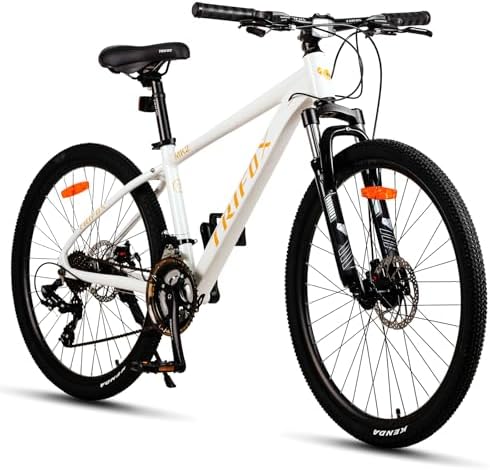
How to choose the best aluminium mountain bike: sizing, hardtail or full suspension, brakes, gearing and what your budget buys.
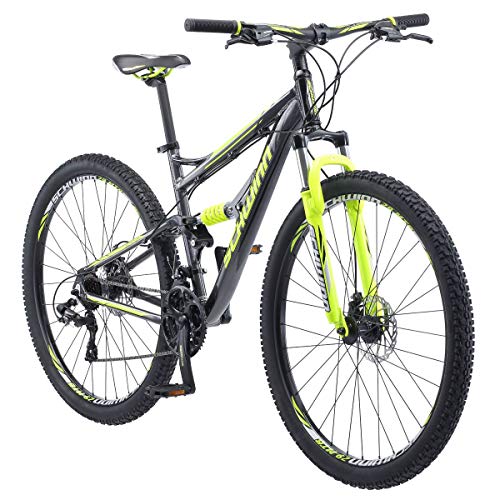
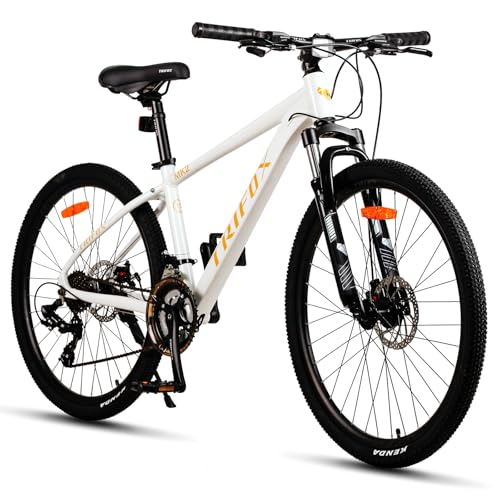
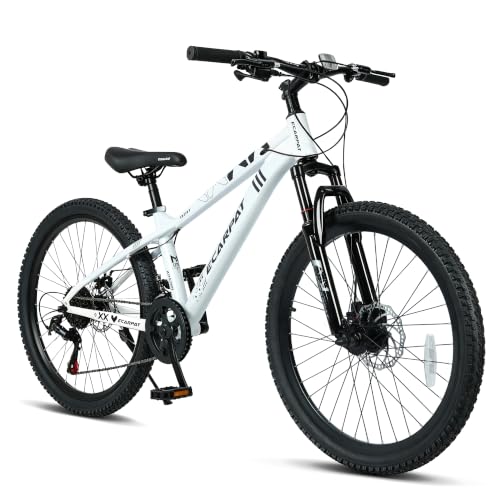
An aluminium frame is the usual starting point for a mountain bike: it costs far less than carbon, shrugs off trail knocks and stays light enough for long climbs. This guide explains how to pick the best aluminium mountain bike for your trails, your height and your budget, without paying for parts you will not use. The comparison table below gives a quick view of the main options.
Start with where you ride. Smooth gravel paths, rooty singletrack and steep rocky descents each reward a different mix of suspension, tires and gearing, so keep your real local trails in mind as you read.

Who Aluminium Mountain Bikes Suit
Aluminium suits first time buyers, weekend trail riders and anyone who wants a frame that is easy to live with. It dents rather than cracks after a hard knock, it needs little care beyond cleaning, and it leaves more budget for the fork, brakes and wheels that you feel on every ride.
It is less suited to riders chasing the last pound of weight in races, where carbon frames and lighter parts make a difference. For most people the gap is small compared with getting the right size and a decent fork.
Key Features to Compare
- Frame size and geometry: reach and standover should suit your height and arm length.
- Suspension: a front fork on a hardtail, or a rear shock too on a full suspension bike.
- Gearing: a wide range cassette so steep climbs stay manageable.
- Brakes: disc brakes for steady stopping on long descents and in the wet.
- Tires and wheels: knobby tires of about 2.2 to 2.4 inches grip loose dirt.
Do not judge a bike by one headline number. A good fork with basic brakes can still feel poor on a long descent, so look at how the parts work together.
Hardtail or Full Suspension
A hardtail has suspension at the front only. It is lighter, cheaper and simpler to maintain, and it teaches clean line choice because the rear wheel follows the ground. Hardtails suit smooth to moderate trails, fitness rides and tighter budgets.
A full suspension bike adds a rear shock that keeps the rear wheel on the ground and reduces fatigue on rocky or rooty trails. It costs more, weighs more and needs shock service, but it gives newer riders more grip and confidence on rough ground.
Sizing and Fit
Match frame size to your height using the maker size chart, then confirm standover height so you can put a foot down safely on uneven ground. Reach matters just as much as standover: you should hold the bars without locking your elbows or feeling cramped.
Wheel size follows the same logic. Taller riders usually prefer 29 inch wheels, which roll over roots and rocks easily, while shorter riders often feel more at home on 26 or 27.5 inch wheels. If you are between sizes, choose the smaller frame for more control.
Budget and What Your Money Buys
Complete aluminium mountain bikes range from about $200 for basic models to well over $2,000 for trail bikes with air suspension and hydraulic brakes. At the low end, expect a steel fork, mechanical disc brakes and a simple drivetrain, which are fine for casual paths but limiting on real trails.
Around $600 to $1,500 is where forks, brakes and wheels start to feel trail ready. Past that, gains are lighter wheels, smoother suspension and better brakes. Keep a small reserve for a helmet, a pump and a multi tool, which are part of the real price.
Setup and Care
Most bikes arrive partly assembled, so check that the stem, handlebar, brake levers and pedals are tight before the first ride. Set the saddle so your knee keeps a slight bend at the bottom of the pedal stroke, and check tire pressure before every ride.
Clean and lube the chain every 100 to 200 miles, rinse mud off the frame after wet rides and have a shop check bearings and suspension once a year. Inspect the frame after a crash, since a dented aluminium tube cannot be bent back safely.
Common Mistakes to Avoid
The usual mistakes are buying on price alone, picking a size by letter instead of by measurements, and choosing a very heavy bike with a low quality fork. Another is buying more travel than your trails need, which adds weight and makes easy trails feel dull.
Also check that you can get service nearby. A bike from a brand with a local shop or clear parts support is much easier to keep running than one with no support.
For related reading, see best mtb mountain bike and best starter mountain bike.
Frequently Asked Questions
Is aluminium good for a mountain bike frame?
Yes. Aluminium is stiff, light and affordable, and it is the most common frame material on mountain bikes under about $2,500. Carbon saves some weight at a higher price, and steel gives a softer ride but weighs more.
What size mountain bike do I need?
Start with the maker size chart for your height, then confirm standover and reach. You should clear the top tube with a little room and reach the bars with a slight bend in your elbows. If you can, sit on the bike before you buy.
How much should I spend on a first mountain bike?
Plan on about $600 to $1,500 for a bike that will hold up on real trails. Below that, forks and brakes often limit confidence. Casual riders on smooth paths can spend less and still enjoy a simple bike.
Do I need disc brakes?
For mountain trails, yes. Disc brakes keep their power in the wet and on long descents. Hydraulic discs need less finger effort and adjust themselves as pads wear, while mechanical discs cost less and are easier to adjust at home.
How do I keep an aluminium mountain bike in good shape?
Clean it after muddy rides, lube the chain regularly, check bolts and tire pressure before each ride and book a yearly shop service. Store it dry and out of harsh sun.
Final Thoughts
The best aluminium mountain bike for you is the one that fits your body, suits your trails and leaves room in the budget for a good fork and brakes. Use the product table above to compare the main options, then confirm the size before you order.


