
Best Altra Shoes for Hiking 2026
Disclosure: We may earn a commission when you buy through links on this page, at no extra cost to you. As an Amazon Associate I earn from qualifying purchases. Learn more

Choosing the best altra shoes for hiking: wide fit, grip, protection and how to break in a zero drop shoe before a long trail day.
Hikers who want the best altra shoes for hiking are usually after one thing: room for the toes on long descents without giving up grip. Altra hiking shoes suit hikers who like a roomy toe box and a flat, natural feel underfoot on trails of moderate length. The comparison table below gives a quick overview, while the sections that follow explain each factor in full.


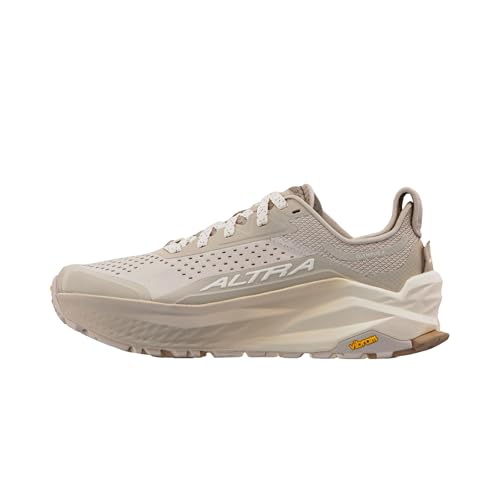
Who Should Buy Altra Hiking Shoes
Altra hiking shoes suit hikers with wide forefeet, hikers who dislike a cramped toe box on long descents, and anyone who wants a light, flexible shoe for day hikes. They are a weaker match for heavy pack trips, snowy ground or scrambling, where a stiffer boot with ankle support protects better.
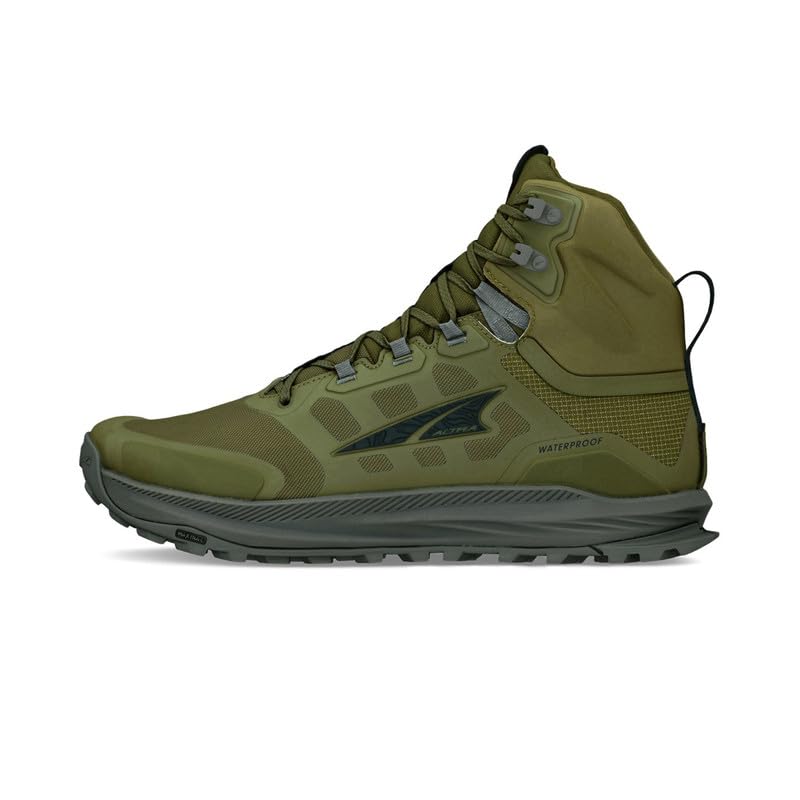
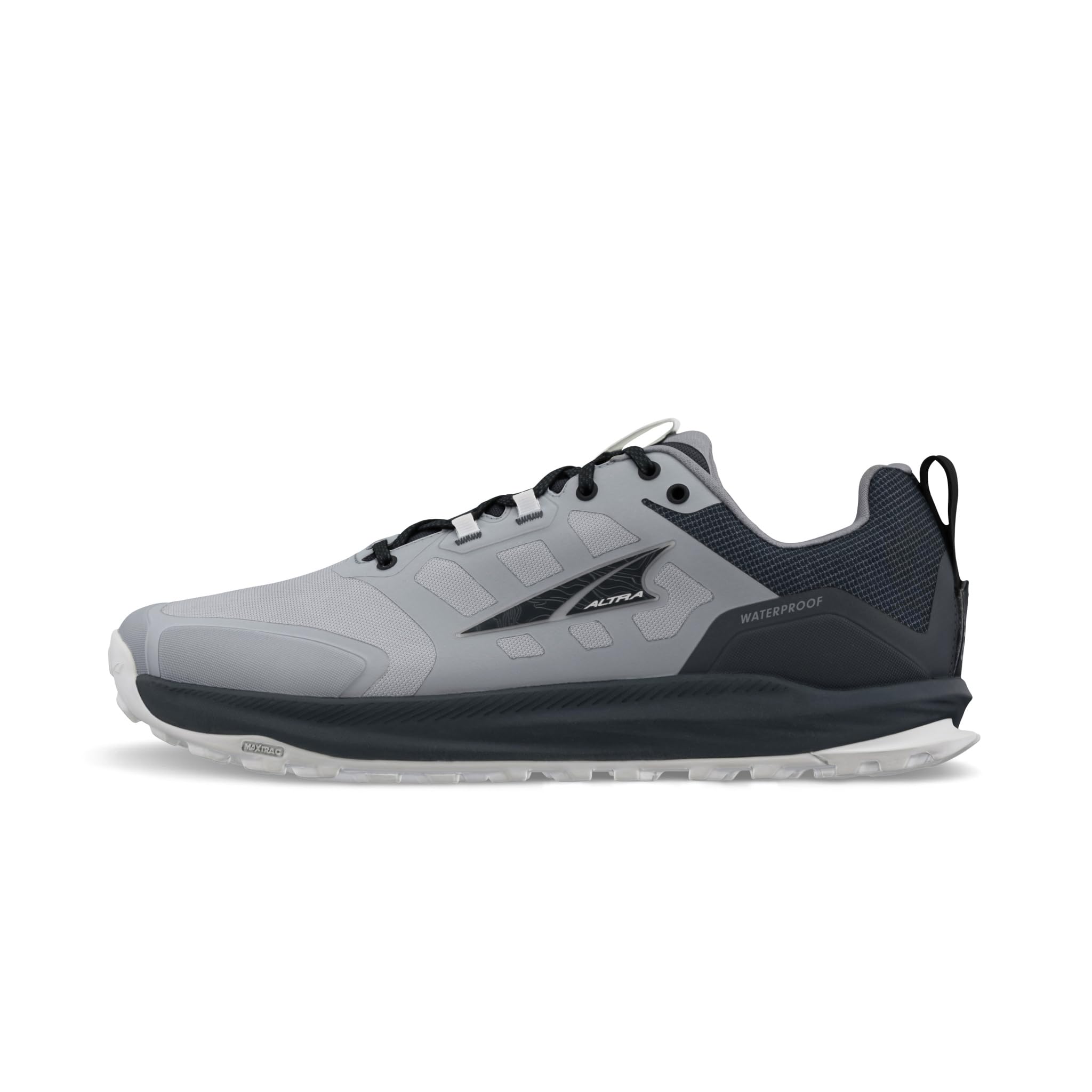
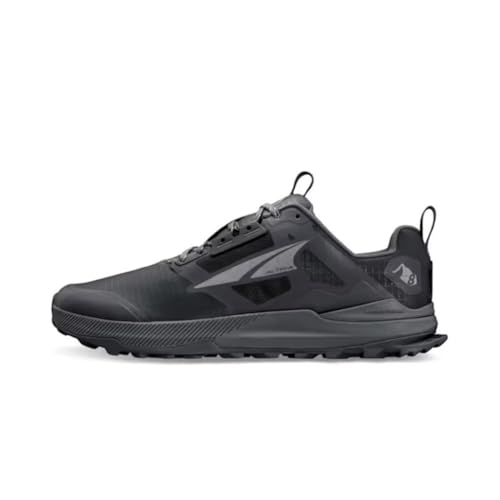
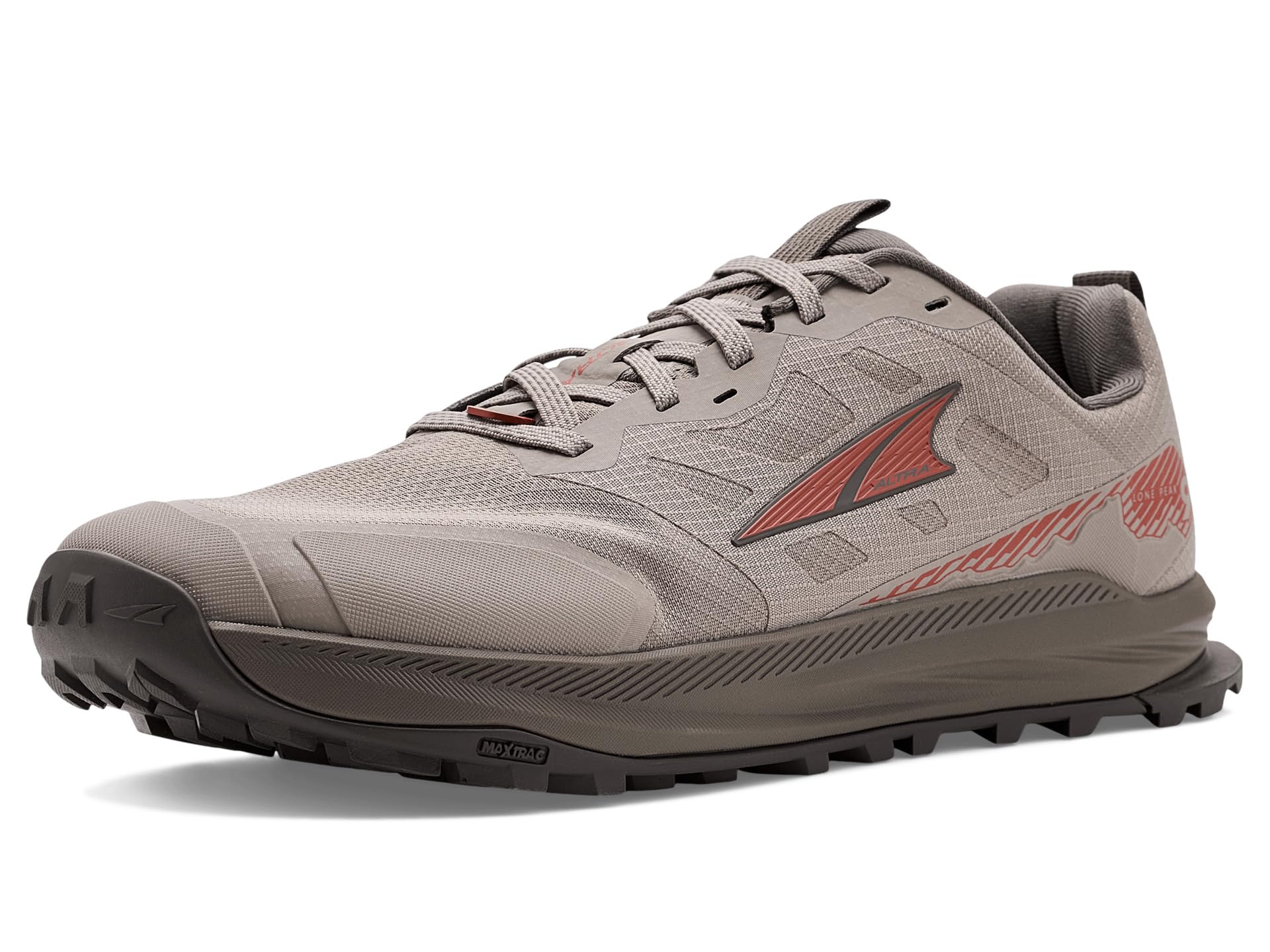
Most hikers wear a trail runner style shoe such as a Lone Peak or Olympus, and some choose the mid height Hiker or Hike Mid models for extra ankle coverage and a waterproof lining. Pick the style that matches your usual trail and the weight you carry.
Key Features to Compare
Use the list below as a checklist when you compare models side by side.
- Roomy toe box: A wide toe box lets toes spread on climbs and descents, which helps comfort on long trail days.
- Zero drop platform: A flat platform keeps heel and forefoot level, so try it gradually if you are used to raised heels.
- Trail grip: Lug depth and pattern affect grip on loose dirt, wet rock, and muddy sections.
- Foot protection: A rock plate or firm midsole shields feet from sharp stones on rough trails.
- Breathability and drying: Mesh uppers breathe in heat but dry slowly after stream crossings, so match the shoe to your climate.
Fit, Size, and Compatibility
Try Altra shoes with the socks you hike in, and leave toe room for downhill sections where feet slide forward. A roomy toe box should not mean a loose heel, so check heel hold on a short walk before a long hike. If you are new to zero drop shoes, start with short walks and build distance slowly to let calves and feet adjust.
Terrain, Season and Pack Weight
Altra hiking shoes work best on well made trails with a light or moderate pack. On loose scree, roots and wet rock the lug pattern matters more than cushion, so look at the outsole before you look at the colour. In cold or wet seasons a waterproof mid height model keeps feet drier, while in summer a mesh upper dries faster after a creek crossing.
Pack weight changes the picture. With a day pack under about 15 pounds a cushioned trail shoe is usually enough. With more load, your arches and ankles work harder, and a firmer midsole or a mid cut shoe gives steadier footing. When you shop for the best altra shoes for hiking, pick the model that matches the heaviest trip you plan to take, not the easiest one.
Everyday Use and Care
Use Altra hiking shoes on trails that match their cushion level, and save very rough, heavy pack trips for sturdier boots if needed. On long descents, lace snugly at the ankle to reduce sliding, and stop to adjust if hot spots appear. Carry blister care on longer hikes, since even a good fit can rub when feet swell in heat.
Clean mud off after hikes and let shoes dry at room temperature away from direct heat. Remove insoles to dry faster, and check lugs and seams for wear before your next trip. Replace shoes when cushion feels flat or grip wears smooth, because worn lugs slip more on wet surfaces.
Mistakes to Avoid
Do not choose a waterproof lining by default. It keeps splashes out but breathes less and dries slowly once water gets in over the cuff. Do not size by running shoe habits either: hiking feet swell over a long day, so leave a thumb width of space at the toe and check it on a downhill slope.
The most common mistake is jumping straight into a long hike in new zero drop shoes and getting sore calves or feet. Another mistake is choosing by toe room alone and ignoring heel slip or ankle support. Break shoes in gradually, and judge fit on a walk with a pack, not just standing in a shop.
Sizing for Swelling Feet
Feet swell on long hikes, and a shoe that feels exact in the morning can press the toes by mid afternoon. Many Altra hikers go up half a size from their running size or choose a wide version, then use a heel lock lacing pattern to stop the heel from lifting. Try the shoes on late in the day with the thicker socks you wear on the trail.
Where to Look Next
Altra hikers often compare notes with the wider brand and with other trail footwear. The best altra shoes guide covers the full range, while best hiking shoes and best waterproof hiking shoes help if you want to look beyond one brand.
Frequently Asked Questions
Are altra hiking shoes good for beginners?
They can be, if you break them in gradually. The roomy toe box helps comfort, but the flat platform feels different if you are used to raised heels. Start with short walks, then build to longer hikes over a few weeks.
Do altra shoes work on rocky trails?
Yes, when the model has enough protection and grip for the terrain. Check the rock plate and lug depth for rocky routes. For very rough ground with a heavy pack, a sturdier boot may still be the better choice.
How should altra hiking shoes fit?
Toes should have room to spread without pressing the front, and the heel should stay put when you walk uphill. Wear hiking socks for fitting, and test on a slope if possible, since downhill fit matters most on trails.
Are they waterproof?
Only models built as waterproof versions resist water, and even those breathe less. Standard mesh models dry faster after wet crossings but soak through in rain. Choose based on your usual weather and stream crossings.
When should I replace hiking shoes?
Replace them when cushion feels flat, lugs wear smooth, or seams split. Grip loss shows first on wet rock and loose descents. Do not wait for a failure on a remote trail, since worn shoes raise the risk of slips and sore feet.
Final Thoughts
The best altra shoes for hiking are the ones that fit your foot on a long descent, grip the trails you actually walk, and match your pack weight. Break them in on short walks first, keep your calves in mind if zero drop is new to you, and move up to longer trips as your feet adapt.
Use the product table above to compare models, then pick the one whose fit and grip suit your usual trails.


