Best Alloy Toe Shoes by Budget: Smart Picks for 2026
Disclosure: We may earn a commission when you buy through links on this page, at no extra cost to you. As an Amazon Associate I earn from qualifying purchases. Learn more

Choose the best alloy toe shoes by price range, comfort, and durability, with guidance on what each tier delivers for work.
Prices for safety shoes stretch from under $60 to well over $200, and the gap between tiers is not always obvious from a product photo. This guide shows you where extra money actually improves comfort, protection, and lifespan, and where it mostly buys styling.
By the end, you will know how to choose the best alloy toe shoes for your job, your feet, and your budget. Start with the comparison table below, then use the tier breakdowns to judge whether a higher price is worth paying.


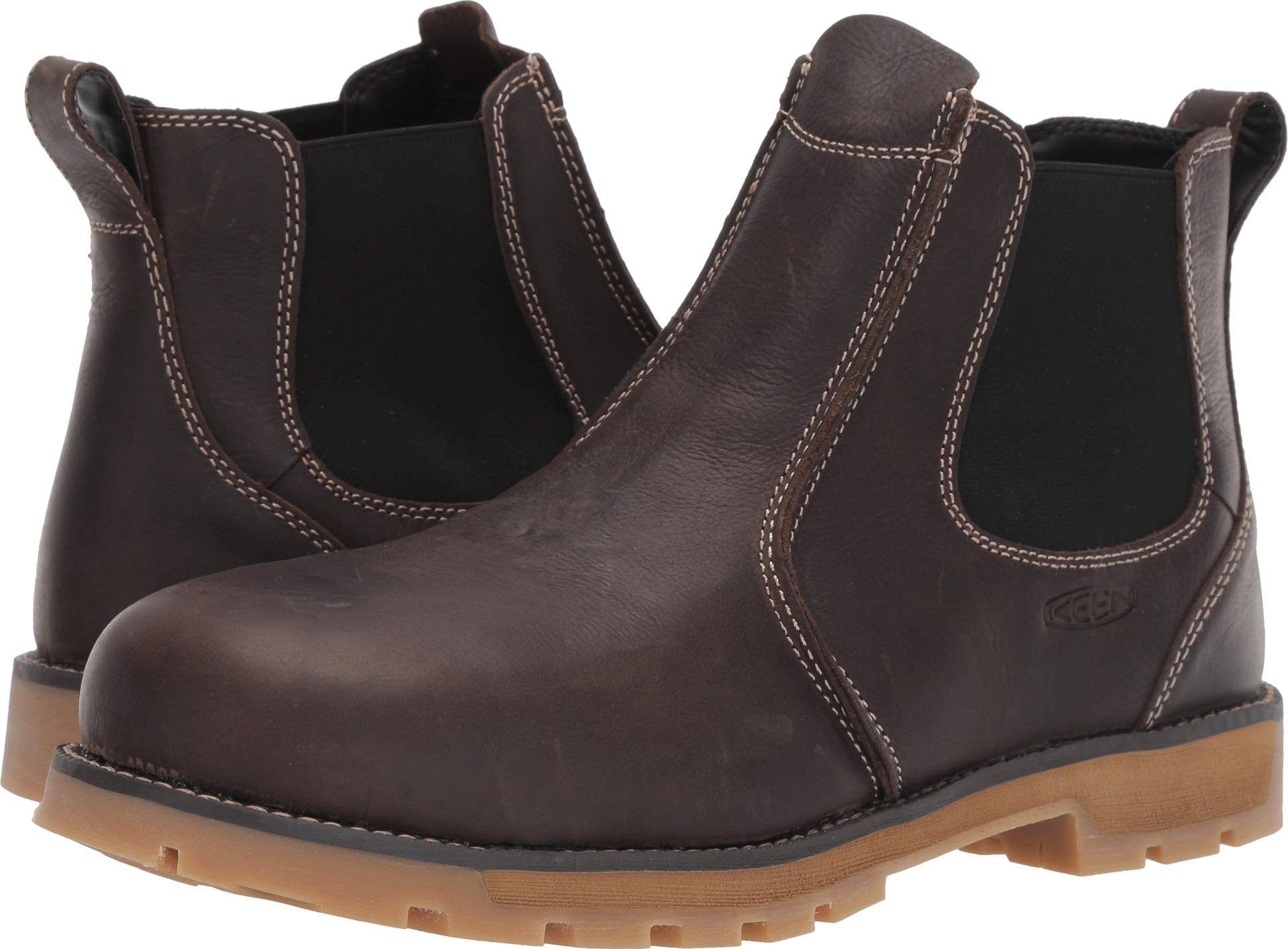

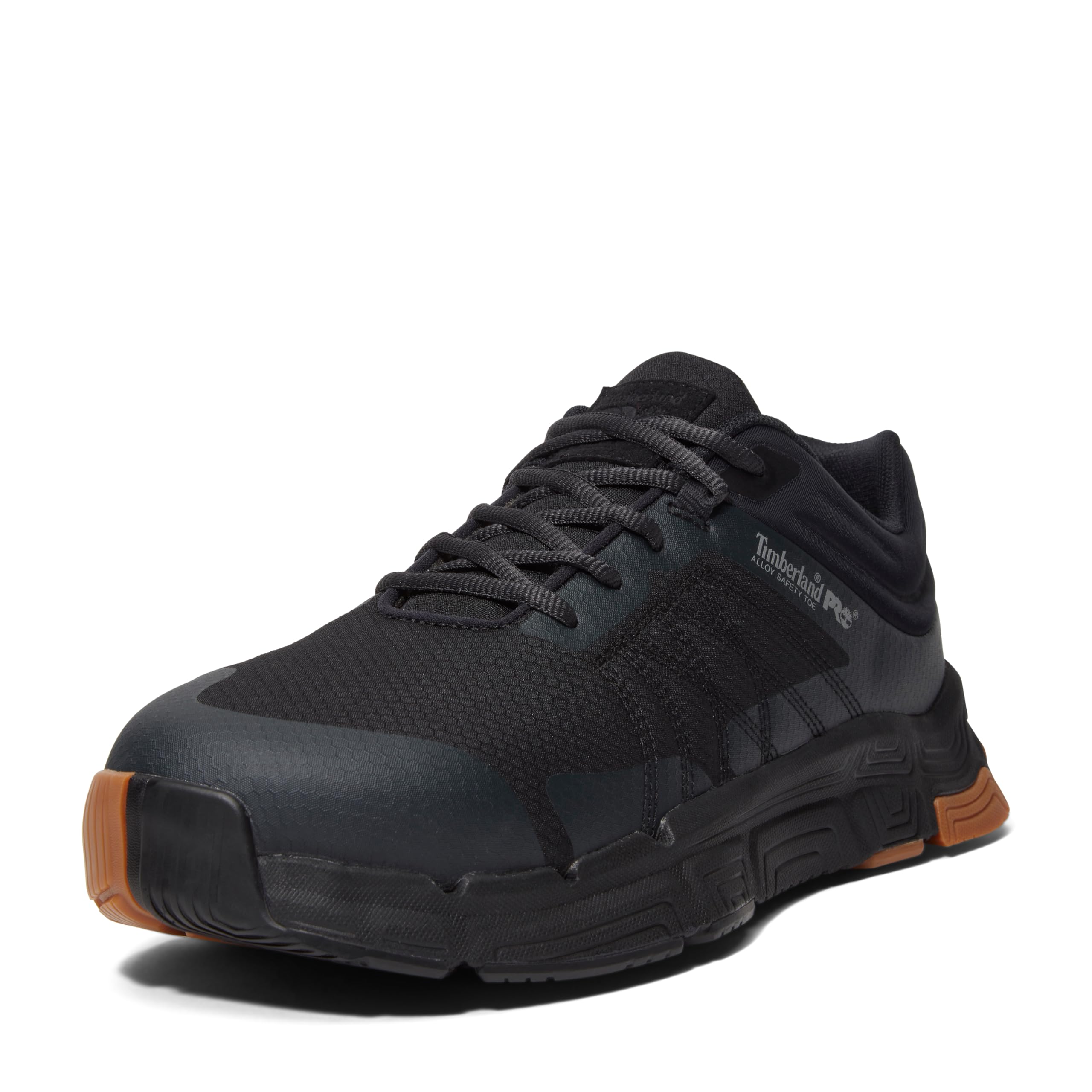

Choosing Alloy Toe Shoes by Budget: What Each Tier Should Deliver
Budget Tier: Who It Suits
Budget shoes, usually under $100, suit light duty work, short shifts, and buyers who need a compliant pair fast. Expect a certified alloy toe cap, a basic foam insole, and a synthetic or split leather upper. The trade off is thinner cushioning and outsoles that wear sooner on concrete. If you walk all shift, plan on adding a quality aftermarket insole, and check that the toe cap rating matches your workplace rules before you rely on the low price alone.
Midrange Tier: Who It Suits
Midrange shoes, roughly about $100 to $160, suit most full time workers and are where value usually peaks. You typically gain a shaped arch support, better shock absorption in the heel, and uppers that resist scuffs and moisture for longer. Breathable mesh panels often appear here, which matters on warm sites. The main limit is that premium waterproof membranes and top grade leather are still uncommon, so very wet or abrasive jobs may push you one tier higher.
Premium Tier: Who It Suits
Premium shoes, often about $160 to $230, suit long shifts, heavy loads, and workers whose feet ache in lesser footwear. Expect full grain leather or advanced textiles, waterproof membranes, and midsoles tuned for stability over ten or more hours. Warranty coverage and resoling or repair support also improve at this level. The drawback is weight and cost: some premium builds feel stiff at first, and paying for features you do not need, such as full waterproofing for indoor work, wastes money.
What Your Money Gets You at Each Price Tier
Budget Tier: What to Expect
At the budget level, protection is the priority and comfort features stay simple. The alloy toe should still meet the same impact and compression standards as pricier shoes, because certification does not change with price. What changes is everything around the cap: thinner linings, flatter insoles, and outsoles with shallower tread. For warehouse, retail, and light assembly work on dry floors, that package can be perfectly adequate, especially if you replace insoles on schedule.
Midrange Tier: The Sweet Spot for Most Buyers
Midrange money buys comfort you can feel by hour six. Look for a contoured footbed, a heel counter that holds your foot steady, and an outsole compound that grips dusty or damp floors without marking them. Many shoes here add electrical hazard protection and static control options. If your job mixes standing, walking, and ladder work, this tier usually delivers the best balance of stability, weight, and total cost per month of wear.
Premium Tier: When Spending More Pays Off
Spending more pays off when conditions are harsh or shifts run long. Premium tiers add sealed waterproof construction, reinforced toe bumpers, and midsoles that resist packing down over months of use. Some designs use wider lasts that help if your feet swell during the day. Workers in construction, utilities, and cold storage often recover the extra cost through longer service life. If your site is dry, flat, and climate controlled, those same upgrades may never earn their price back.
Features Worth Paying For (and Ones to Skip)
Break In Period and Comfort Out of the Box
Alloy toe shoes should feel secure but never painful on day one. A short break in period of a few shifts is normal for leather uppers, while mesh and knit styles usually feel ready immediately. Hot spots over the toes often mean the cap is too narrow for your foot shape, and that problem rarely improves. Wear new pairs around the house first so you can still exchange them if pressure points appear.
Arch Support and Foot Type
Match support to your arch rather than to marketing labels. Flat feet usually do better with a firmer arch and a stable heel, while high arches need more cushioning under the midfoot. If you overpronate, meaning your ankle rolls inward as you walk, a stability focused design helps keep your knees and hips aligned. Removable insoles are a practical plus because they let you fit custom orthotics without buying a larger size.
Durability and Expected Lifespan
For most work shoes, expect roughly 6 to 12 months of daily wear before cushioning fades, even if the upper still looks fine. Abrasive floors, kneeling, and chemical exposure shorten that span. Stitched soles and reinforced stitching at flex points tend to outlast glued only construction. Rotate two pairs if you can: foam recovers between shifts, and each pair dries fully, which slows odor and lining breakdown. If foot pain is returning, the midsole is probably done.
Fit, Sizing, and Toe Box
Measure your feet in the afternoon, when they are at their largest, and wear your usual work socks when you try shoes on. You want about a thumb width of space in front of your longest toe, with the alloy cap clearing your toes when you crouch or climb. A roomy toe box helps if you have bunions or wide feet. If you fall between sizes, choose the larger one and adjust with insole thickness or lacing.
Long Term Costs to Factor In
The purchase price is only part of what a pair costs you. Budget for replacement insoles every few months, waterproofing spray for leather, and new laces before the originals fray at the eyelets. A cheaper pair replaced twice a year can cost more than a midrange pair that lasts, so divide price by expected months of wear for a fair comparison. Warranty terms matter too: a defect warranty of a year or more signals confidence, while a short 30 day policy shifts the risk to you. If your employer reimburses safety footwear, check whether the allowance resets yearly, since that timing can make a premium pair the smarter buy.
Your job type also shapes which sibling category fits. Readers whose roles call for taller coverage can see our guide to the best alloy toe work boots, while anyone comparing cap materials can see our guide to the best steel toe shoes for the weight and temperature trade offs of steel.
Frequently Asked Questions
How should alloy toe shoes fit?
Alloy toe shoes should feel snug at the heel and midfoot, with clear space around your toes. Your toes must never touch the cap when you walk downhill, crouch, or push off. A useful check is to stand and shift your weight forward: if the cap presses your toes, size up or look for a wider fit.
Are expensive alloy toe shoes worth it?
Expensive pairs are worth it when you work long shifts, carry loads, or face wet and abrasive conditions. The extra money buys cushioning that lasts, stronger uppers, and better warranties. For short shifts on dry floors, a midrange pair usually gives you nearly the same protection and comfort, so save the difference toward a second pair for rotation.
How often should I replace my alloy toe shoes?
Replace your shoes when cushioning feels flat, tread is worn smooth, or the toe cap takes a serious impact. Most daily wearers need a new pair every 6 to 12 months. A dropped load on the cap is an automatic retirement, even if the shoe looks undamaged, because the cap may have absorbed energy it cannot safely absorb again.
Do I need waterproof alloy toe shoes?
You need waterproof shoes only if your work regularly involves standing water, wet grass, or washdown areas. Waterproof membranes add warmth, so indoor workers often find them sweaty by midday. A practical middle path is a water resistant leather upper, which sheds splashes and light rain while breathing better. Outdoor crews in cold rain, by contrast, benefit from full waterproofing plus wool blend socks.
How long is the break in period for alloy toe shoes?
The break in period is usually three to five shifts for leather styles and almost none for mesh styles. Start with half days if possible, and use thicker socks to reduce friction while the upper shapes to your foot. Persistent pinching over the cap is not a break in issue: it signals a poor fit, so exchange the pair rather than hoping it stretches.
Can I wear alloy toe shoes all day?
Yes, you can wear them all day if the fit and support match your feet. Alloy caps weigh less than steel, which reduces fatigue over long distances. Build in short seated breaks when your job allows, and loosen laces briefly at lunch to restore circulation. If you notice numbness or lasting soreness, talk with a clinician or a footwear specialist, especially if you have diabetes or circulation problems.
Comfort over a full shift also depends on the broader category. For a wider view of styles, see our guide to the best safety toe shoes.
Our Verdict
Choose by tier first, then by fit: protection standards are equal across prices, so your money should go to cushioning, support, and durability that match your shift length and floor conditions. Midrange pairs suit most buyers, premium pairs earn their cost in harsh settings, and budget pairs work for light duty. Whichever route you take, the right best alloy toe shoes should disappear on your feet by the second week. Compare your shortlist against the product table above before you order.