Best Alternative to Down Pillows Made Simple: A Clear Buying Guide for 2026
Disclosure: We may earn a commission when you buy through links on this page, at no extra cost to you. As an Amazon Associate I earn from qualifying purchases. Learn more

A plain guide to the best alternative to down pillows: fills, loft, firmness, certifications, and how to match them to your sleep position.
If you love the soft sink of down but not the allergies, the animal sourcing, or the constant fluffing, you are in the right place. Down alternative pillows use synthetic or plant based fills that try to copy that plush feel while staying easier to wash and often kinder to your budget. The labels, though, can confuse a first time buyer fast.
This guide starts with plain basics, explains each spec in simple words, and ends with the mistakes to skip. You will learn how to judge the best alternative to down pillows for your sleep position and budget without guesswork. Use the comparison table below as your shortlist while you read.
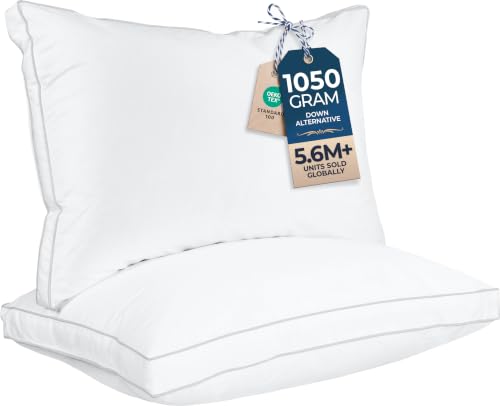
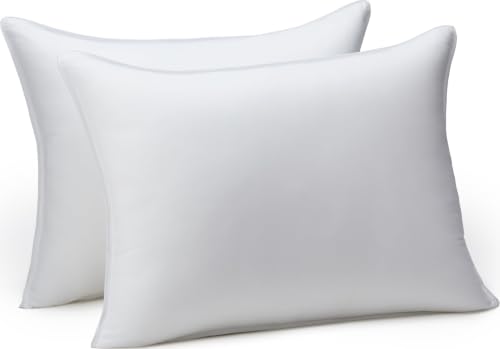


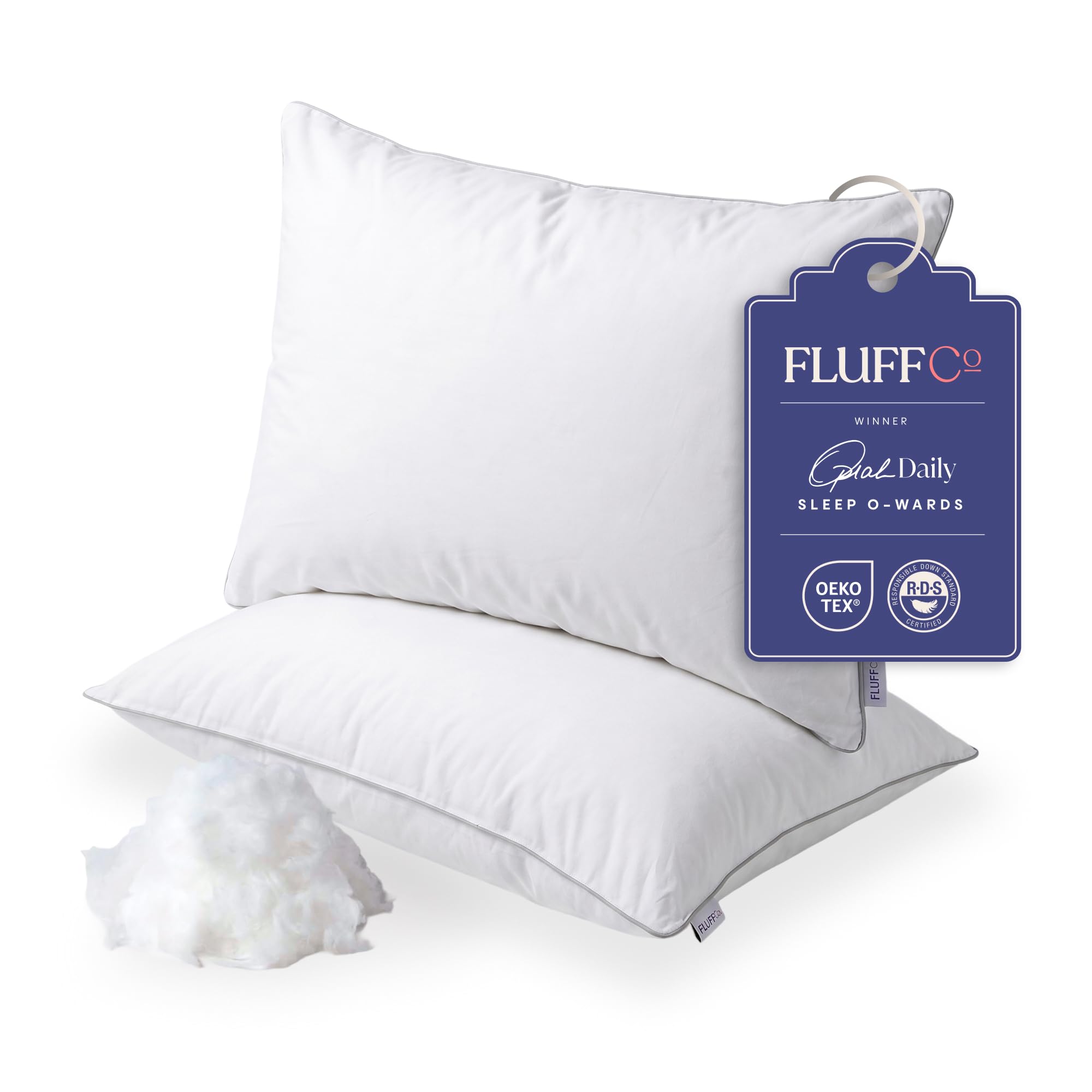
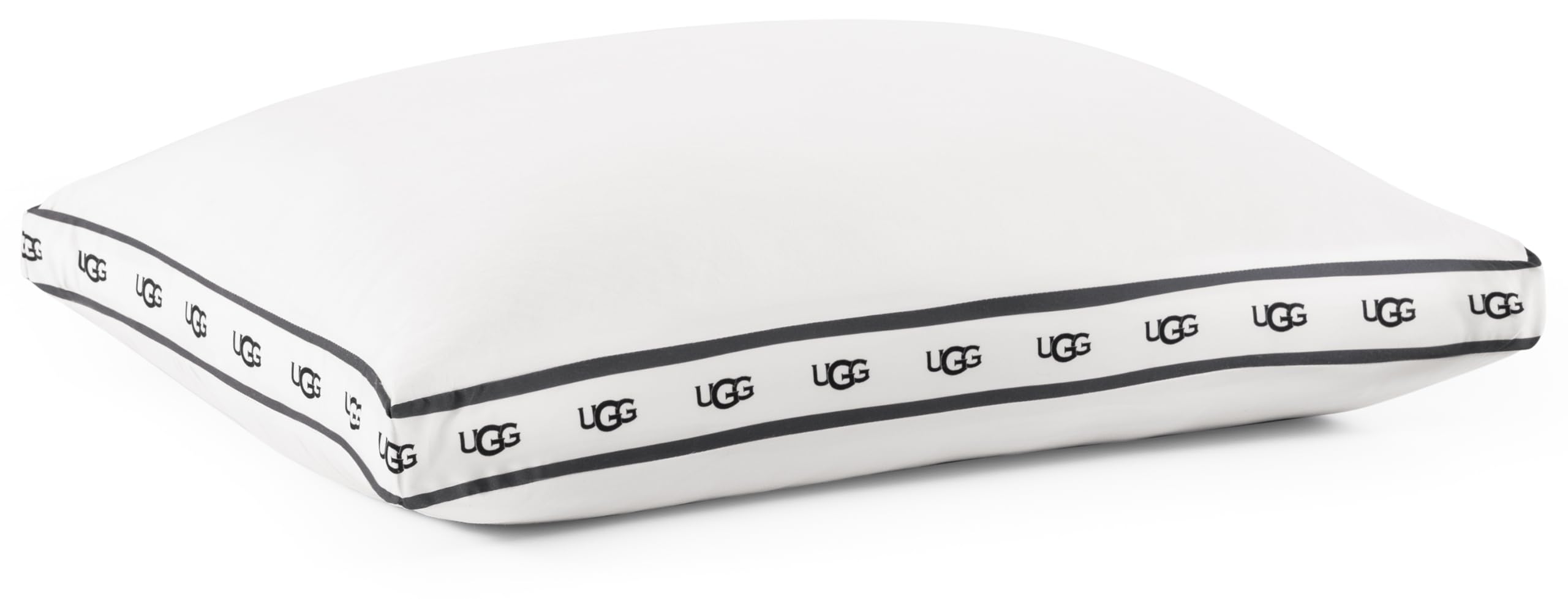
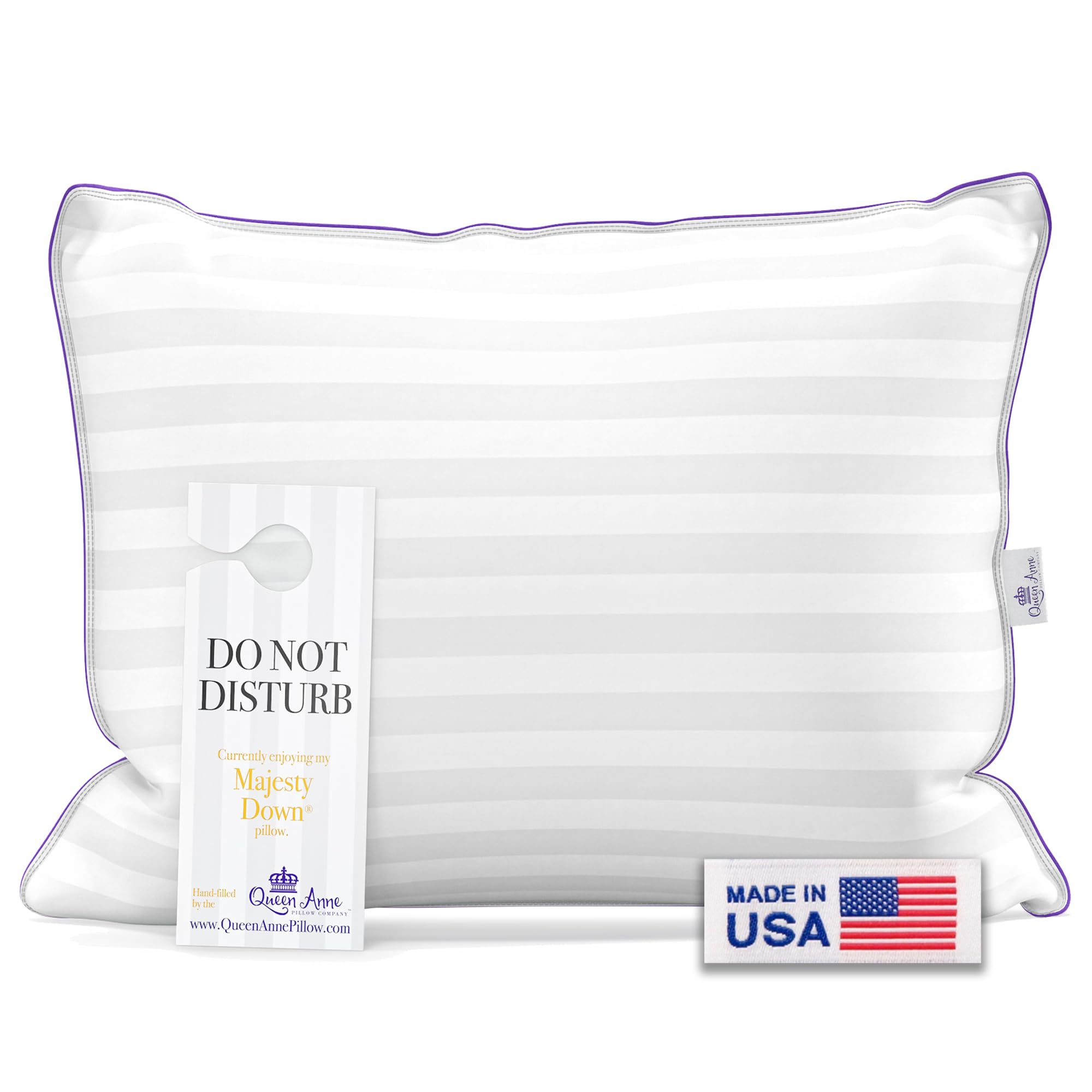

Alternative Down Pillows 101: The Basics
A down alternative pillow replaces goose or duck down clusters with other fills, most often polyester microfiber, memory foam, latex, or blends of these. Microfiber fills feel closest to classic down, soft and squeezable, while foam fills hold a shaped contour that supports your head and neck in one position. The outer shell, called the cover or casing, affects feel too. Smooth cotton percale feels crisp and cool, sateen feels silky, and linen or bamboo derived fabrics aim for airflow.
Two terms show up everywhere. Loft means the height of the pillow when it lies flat, and firmness means how much it gives under your head. They are linked but not the same. A high loft pillow can still feel soft, and a low firm pillow can feel dense. Your sleep position decides which mix you need, which is why one pillow rarely suits a side sleeper and a stomach sleeper equally well.
Key Specs Explained in Plain English
Material and Fill
Microfiber polyester is the classic down stand in. It feels plush, washes well, and costs the least, usually about $20 to $50 per pillow, but it can flatten within a year or two. Shredded memory foam lets you add or remove fill to tune loft, and solid memory foam gives steady neck support with a slower sink. Latex feels springy, lasts longer, and sleeps cooler than foam, at a higher price. Hybrid fills mix fibers and foam pieces for balance. If you are comparing against real down, our guide to the best quality down pillows explains what the natural fill does differently.
Certifications (CertiPUR US, OEKO TEX, RDS)
Certifications tell you a third party checked the materials. CertiPUR US applies to foams and covers limits on certain chemicals and emissions, along with durability testing. OEKO TEX Standard 100 tests fabrics and fills for harmful substances at levels set for skin contact. RDS, the Responsible Down Standard, applies to real down supply chains, so you will not need it on a fully synthetic pillow, but it helps when you compare hybrid products. Certifications do not promise comfort, and they do not make a pillow medical. They simply reduce unknowns about what sits inches from your face all night.
Cooling and Breathability
Hot sleepers should look past marketing words and check the build. Open cell foam allows more airflow than dense foam, gel infusions aim to feel cool on first contact, and shredded fills breathe better than solid blocks because air moves between pieces. Cover fabric matters just as much. Cotton percale and linen weave loosely and feel cooler than tight shiny weaves. Thread count is not the whole story, since a very high count can trap heat. A practical test is simple. If a pillow lists both a breathable cover and a ventilated fill, it will usually sleep cooler than one with a single cooling claim.
Firmness and Loft and Sleep Position
Side sleepers need the most support. A firm, high loft pillow fills the gap between ear and shoulder and keeps the neck level, which is why guides like the best down alternative pillows for side sleepers focus on loft first. Back sleepers do well with medium loft and medium firmness, enough to cradle the head without pushing the chin down. Stomach sleepers need a low, soft pillow or none at all, since height bends the neck upward. Body weight matters too. Broader shoulders need more loft in side sleeping, while a petite frame needs less.
Size and Fit
Standard, queen, and king are the common sizes, and the right one depends on your bed and your pillowcase stock more than your body. A queen pillow on a twin bed can crowd your space, while king pillows suit wide beds and people who hug a pillow. Check the stated dimensions rather than the size name, since brands vary by an inch or two. Pocket depth is a mattress term, but fit thinking applies here too. Buy pillowcases that match the actual size, because a tight case makes any pillow feel firmer and a loose case lets fill shift and bunch.
Choosing Alternative Down Pillows for Your Situation
Most buyers fall into a few groups. Allergy prone sleepers should choose fully synthetic fills with washable covers and wash on the schedule the maker allows. Hot sleepers should put breathable covers and shredded or latex fills first. Shoppers who want a firmer feel without foam can look at our guide to the best down alternative firm pillows for how firm ratings compare. Budget buyers often do best with microfiber two packs around $25 to $45, replaced more often, rather than one costly pillow kept too long.
Best Vegan Alternatives to Down Pillows
The best vegan alternatives to down pillows avoid all animal derived materials, which means no down, no wool, and no silk in fill or cover. That is the core difference from a standard down alternative, which is usually vegan in fill but may use blends you should verify. Look for three things. First, a fill list that names only plant based or synthetic materials such as polyester, latex from rubber trees, or kapok. Second, a cover in cotton, linen, or bamboo derived fabric rather than wool blends. Third, a clear cruelty free statement from the maker. Shredded latex and microfiber both fit well here and cover soft and supportive feels.
Rookie Mistakes to Avoid
- Buying the softest pillow in the store because it feels lovely in your arms, then finding it flattens under your head by midnight.
- Ignoring your sleep position and choosing loft by price or by how the pillow looks on the bed.
- Skipping the sleep trial and return terms, even though pillow comfort is personal and hard to judge in five minutes.
- Assuming a higher price or higher thread count always means better sleep.
- Keeping a pillow for many years past its support life because it still looks fine inside a case.
Getting Started: Setup and First Use
When your pillow arrives, let it expand for several hours, since many fills ship compressed. Fluff microfiber fills by hand and, if the care label allows, use a short low heat dryer cycle with clean tennis balls or dryer balls to break up clumps. Sleep on it for at least a week before judging, because your neck needs a few nights to adjust to new loft. Use a washable protector from day one to keep oils and moisture out of the fill.
For a wider shortlist, our guide to the best down alternative bed pillows compares everyday options for main bedrooms and guest rooms.
FAQs
What firmness is best for back pain?
Medium firm support that keeps your head level with your spine is the usual starting point for back sleepers with aches. Pain has many causes, though, and a pillow is only one part of sleep posture, mattress support, and daily habits. If you wake with numbness, shooting pain, or pain that lasts through the day, see a doctor or physical therapist rather than swapping pillows repeatedly. Bring notes on your sleep position and pillow height to that visit.
Are cooling alternative down pillows worth it for hot sleepers?
They are worth it if the cooling comes from the build, not just a label. Shredded fills, open cell foam, and percale or linen covers move air and feel cooler through the night, while a gel surface alone may warm up within an hour. Pair the pillow with breathable sheets and a lighter duvet for the full effect. If night sweats are new or severe, mention them to your clinician, since they can have medical causes beyond bedding.
Is a higher thread count always better?
No, a higher thread count is not always better. Past a moderate range, very dense weaves can feel stiff and trap heat, and some counts are inflated by counting multi ply yarns. Judge the cover by fabric type, weave, and feel instead. Percale in a modest count often sleeps cooler and crisper than a glossy sateen with double the count. A removable washable cover matters more for most buyers than any thread count number.
How often should I replace my alternative down pillow?
Most microfiber pillows give good support for about one to two years, foam for two to three years, and latex often longer. Replace yours when it stays flat after fluffing, develops lumps that will not break up, or leaves you waking with a stiff neck for a week straight. The fold test helps. Fold the pillow in half, and if it does not spring back on its own, its support life is over.
How do I wash alternative down pillows safely?
Check the care label first, since foam and latex often must not go in a washer. Washable microfiber pillows usually handle a gentle warm cycle, two at a time to balance the drum, with a small amount of mild detergent. Dry fully on low heat with dryer balls, stopping to break up clumps, because damp fill can smell and degrade. A protector washed monthly reduces how often the pillow itself needs washing.
Our Verdict
Start with sleep position, then fill material, then certifications and care. Those three choices decide comfort far more than brand or thread count. Compare your shortlist in the product table above, confirm the trial and return terms, and the best alternative to down pillows for your bed should be an easy, confident choice.