
Best and Less Blankets: What to Check at Every Budget for 2026
Disclosure: We may earn a commission when you buy through links on this page, at no extra cost to you. As an Amazon Associate I earn from qualifying purchases. Learn more
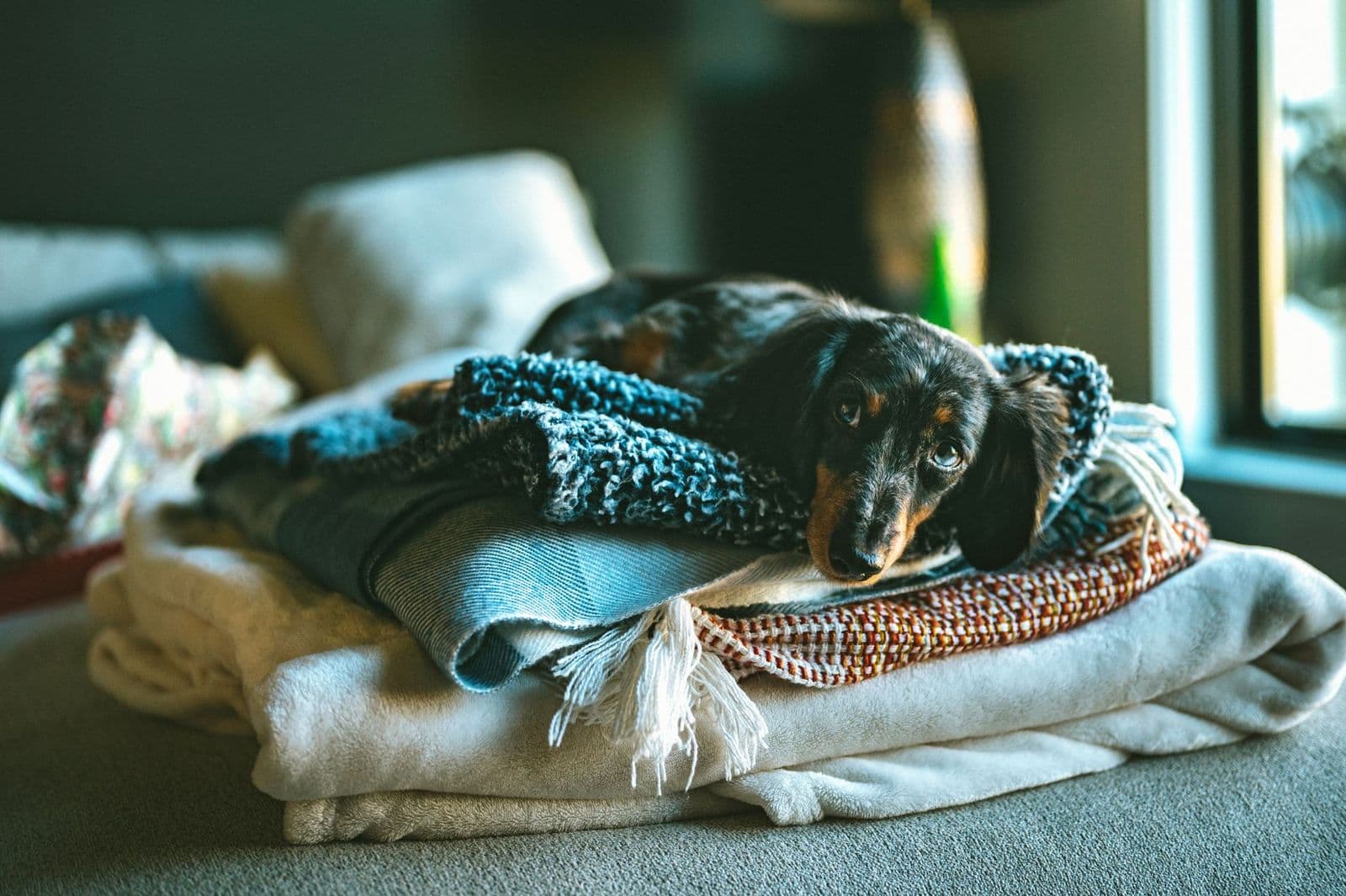
Best and less blankets compared by budget tier: fabrics, fills, size accuracy, care and where spending more is worth it.
Shoppers who search for best and less blankets are usually heading to Best&Less, a discount retailer known for low priced clothing and homewares. Stock, sizes, and prices change by season and region, so this guide focuses on what stays true wherever you shop: how to judge a value priced blanket, what each budget tier delivers, and where a few extra dollars buy real comfort instead of branding.
Use the tiers below to spot the one that fits your bed and your climate, then read the feature notes before you buy. A blanket you wash often and use nightly deserves more care in choosing than almost any other bedding item. Check the retailer's own site for current ranges, sizes, and delivery terms.
Three Budget Tiers for Best and Less Blankets
Instead of chasing a single winner at any store, think in tiers. Each tier below describes a type of blanket you will find at a value retailer, who it suits, and the compromise you accept at that price.
Budget Tier
Budget blankets, usually around $20 to $40, are typically lightweight fleece or microfiber throws and bed blankets. They feel soft on day one, wash easily, and work well for guest beds, dorm rooms, kids who outgrow bedding fast, and couch use. The compromise is longevity: thin fabrics can pill after repeated washing, edges may use simple stitching, and warmth is modest. For a spare room or a first apartment, that trade is often perfectly sensible, and buying two cheap blankets can beat one midrange blanket when laundry turnover matters more than plushness.
Midrange Tier
Midrange blankets, around $40 to $90, bring better materials such as cotton weaves, quality down alternative fills, and sturdier edge binding. They hold their loft and softness through many more washes, regulate temperature better than basic fleece, and come in true bed sizes with generous overhang. This tier suits your own primary bed, where the blanket touches your skin nightly and gets washed often. The limit is specialty performance: serious cooling fabrics and natural fills like wool or real down usually sit above this range.
Premium Tier
Premium blankets, around $90 to $200 and up, use long staple cotton, linen, wool, or real down, with tighter construction and longer warranties. They drape better, breathe better, and can last a decade with proper care. This tier suits hot sleepers who need genuine temperature control, couples who disagree on warmth and want a breathable compromise, and anyone tired of replacing a cheap blanket every year. The compromise is care: some premium fabrics ask for gentler washing or professional cleaning, so read the care label before paying for them.
What Your Money Gets You at Each Price Tier
Budget Tier: What to Expect
At budget prices, expect synthetic fabrics, simple hems, and a limited color range in standard sizes. Warmth comes from trapped air in fleece or a thin fill, which is enough for mild nights and layering over a duvet. Check the stated dimensions carefully, because some budget bed blankets run short on queen beds. If you want a sense of how fabric quality changes as price rises, see our guide to the best quality blankets for the markers of better construction.
Midrange Tier: The Sweet Spot for Most Buyers
Midrange is where most buyers should land for a main bed. You gain woven cotton options that breathe, fills that stay evenly distributed after washing, and reinforced edges that resist fraying. Many blankets in this tier carry OEKO TEX certification, meaning the finished fabric was checked for harmful substances. Sizes become more accurate and king options appear. For powered warmth in this range, compare the best heated blanket options as a separate category, since electric models follow different safety and care rules.
Premium Tier: When Spending More Pays Off
Premium money pays for fiber quality and construction you can feel: denser weaves, smoother finishes, and fills that loft evenly for years. Wool regulates temperature across seasons, linen gets softer with washing, and real down gives unmatched warmth for its weight. You also gain better size accuracy and stronger warranties. Spending more pays off when the blanket is your main sleep layer every night. It pays off far less for a decorative throw that mostly sits folded on a chair.
Features Worth Paying For (and Ones to Skip)
Material and Fill
Material decides warmth, breathability, and care. Cotton percale feels crisp and cool, sateen feels smoother and slightly warmer, and linen breathes best in humid weather. Bamboo derived fabrics feel silky and cool at first touch. For filled blankets, down is warmest per ounce but costs more and needs gentler care, while down alternative mimics the loft, washes easily, and suits allergy sensitive sleepers. Fleece and microfiber are the budget workhorses: warm, cheap, and durable, but less breathable on hot nights.
Support, Pressure Relief, and Edge Support
Those mattress terms translate to blankets in a simpler way: a good blanket distributes its weight evenly without heavy spots that press on feet or shoulders. Even fill distribution matters most in weighted and filled styles, where clumping creates pressure points. Edge construction matters too, because bound or double stitched edges keep the blanket from stretching out of shape. If a partner steals covers, a slightly oversized blanket with good drape solves more problems than extra thickness ever will.
Certifications (CertiPUR US, OEKO TEX, RDS)
Certifications give you a checkable claim instead of marketing words. OEKO TEX Standard 100 means the fabric was checked for substances known to harm skin. RDS, the Responsible Down Standard, tracks down sourcing so feathers come from birds that were not live plucked. CertiPUR US applies to foam products rather than blankets, so if a blanket listing leans on it, read carefully. For skin contact items used nightly, at least one recognized certification is a reasonable thing to expect from the midrange tier upward.
Motion Isolation and Noise
Blankets do not isolate motion like a mattress, but they do make noise and shift. Crinkly synthetic shells can wake a light sleeper when a partner turns over, while cotton and knit blankets move almost silently. Heavier blankets stay in place better through the night. If you share the bed, also look at layered options in our guide to the best throws and blankets, because a quiet throw over a shared blanket lets each sleeper adjust without tugging the main layer.
Durability and Care
A blanket you cannot wash easily will not stay in rotation. Check whether the size you want fits your home machine, because king blankets and bulky fills can overwhelm a small washer. Machine washable, tumble dry safe construction is worth real money for families. Look for a stated trial period or return window on premium purchases, and keep the care label instructions: washing a wool or down blanket like a fleece one is the fastest way to ruin the premium features you paid for.
Long Term Costs to Factor In
The purchase price is only part of ownership. Add the cost of a larger laundry load or laundromat trips for king sizes, possible dry cleaning for wool and down, and eventual replacement. A $30 blanket replaced every year costs more over five years than a $90 blanket that lasts the whole period. Heated models add a small electricity cost and a controller that may need replacing. Factor in storage too: bulky winter blankets need a bin or shelf space for half the year, while a midweight blanket that works across seasons earns its place in a small home.
FAQs
Is a higher thread count always better?
No. Thread count only describes woven cotton, and very high counts can be inflated by counting multi ply yarns. For blankets, the weave type, fiber length, and finishing matter more than the number. A modest count percale from long staple cotton will outlast and out breathe a flashy high count sateen. Use thread count as a rough guide within one fabric type, never as the deciding factor.
Are cooling blankets worth it for hot sleepers?
They can be, if the cooling comes from breathable natural fibers or a weave that moves air rather than a surface treatment that washes out. Check whether the cool feeling is described as a fabric property or a finish. Hot sleepers also gain from choosing a lighter weight blanket and pairing it with percale sheets. If night sweats are frequent or new, mention them to a clinician, since they can have medical causes.
How do I wash a blanket safely?
Start with the care label, since wool, down, and weighted blankets each have limits. Wash bed blankets in cold or warm water on a gentle cycle with mild detergent, and avoid fabric softener on fleece because it coats the fibers and reduces softness over time. Make sure the blanket can move freely in the drum. Dry on low heat and remove slightly damp to protect elastic edges and bindings.
What firmness is best for back pain?
Blankets do not have firmness grades like mattresses, and no blanket will fix back pain on its own. What helps is even, moderate weight that does not drag your legs into an awkward position, plus a mattress and pillow that keep your spine aligned. If back pain persists, worsens, or comes with numbness or weakness, see a doctor or physical therapist rather than shopping for bedding as a treatment.
How often should I replace my blanket?
Replace a blanket when it no longer washes clean, the fill clumps despite proper care, or the edges fray and shed. Budget fleece often reaches that point in 1 to 2 years of heavy use, while quality cotton, wool, or down can serve 5 to 10 years. A simple check: if you sleep noticeably better under a hotel or guest blanket than your own, yours is due.
Wrapping Up
Choose your tier first, then judge material, certification, and care within it. Most sleepers land happily in the midrange, while hot sleepers and daily users gain the most from premium fibers. When you shop for best and less blankets, the right pick is the one whose size, fabric, and care demands match your real routine, whatever the shelf price says.


