Best Alpine Touring Boots for Wide Feet: A Buying Guide for 2026
Disclosure: We may earn a commission when you buy through links on this page, at no extra cost to you. As an Amazon Associate I earn from qualifying purchases. Learn more
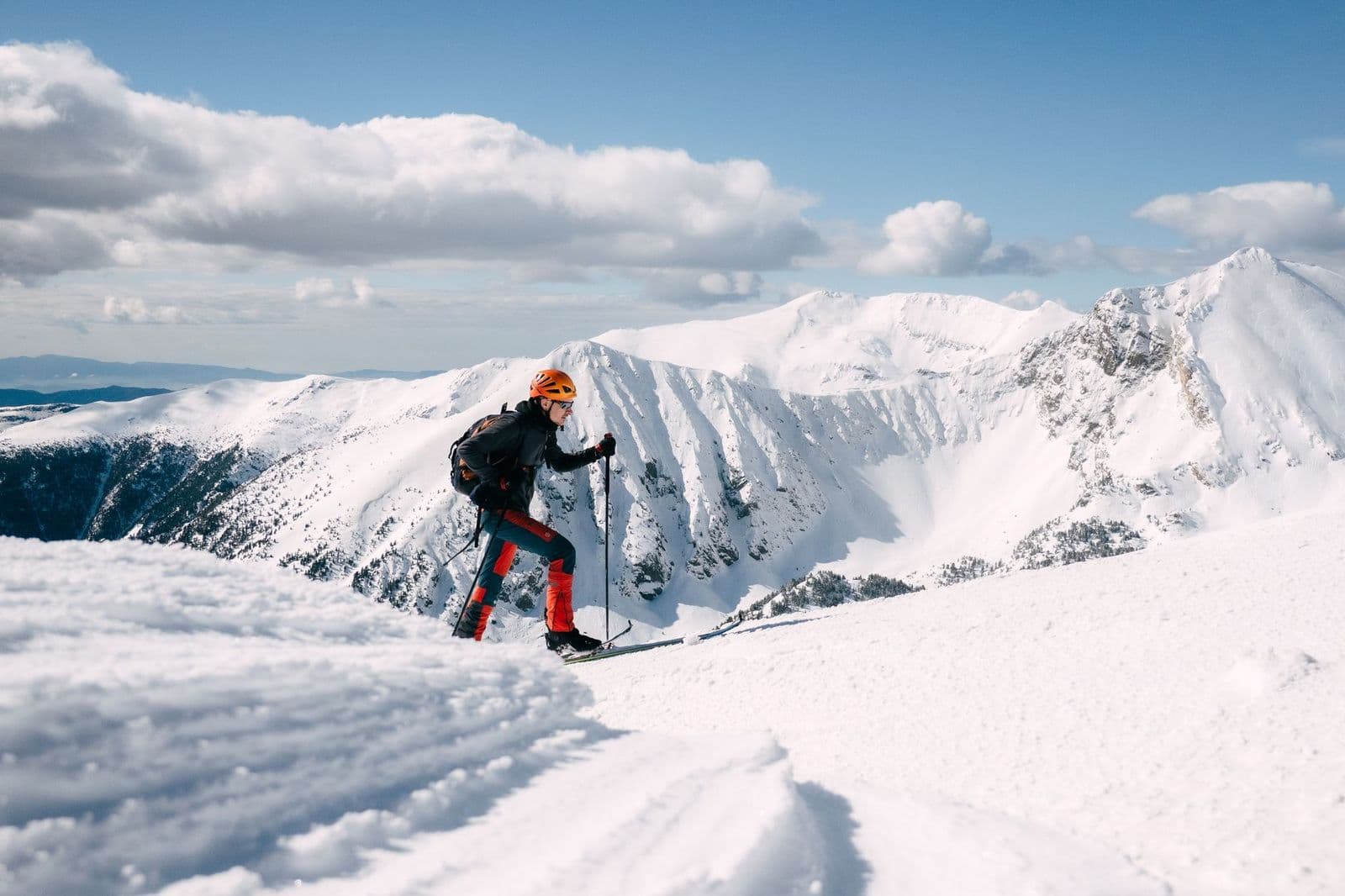
Compare the best alpine touring boots for wide feet by last width, flex, walk mode and binding fit, with sizing, types and care advice inside.
A standard touring boot can feel fine in the shop and miserable one hour into a climb, because a wide forefoot swells as you work and gets squeezed against a narrow shell. The best alpine touring boots for wide feet solve that with real room across the toes, volume over the instep, and a walk mode that still lets you stride. This guide shows you how to judge width, flex and fit.
Start with your foot shape and your usual tour. A skier who climbs for one big descent needs a different boot from someone who links several short laps before work.
Who Should Buy Which Alpine Touring Boots for Wide Feet?
Skiers With Wide Forefeet and High Insteps
You feel pressure across the toes and over the top of the foot at once, and buckles on a standard boot sit on their last tooth. Look for a wide last with a tall instep pocket and a moldable liner. A shell a boot fitter can punch at the toe joints helps most, because that stretch adds room where your foot spreads.
Strong Skiers Who Need a Stiff Wide Boot
You drive wide skis, carry a heavier pack, or ski steep faces where a soft boot folds. Choose a wide boot with a higher flex rating and a solid cuff lock, and accept extra weight as the price of control. Four buckles with a power strap spread closure pressure across a wide foot better than two light buckles, which can form hot spots when cranked down.
New Tourers Moving Up From Resort Boots
Your resort boots fit, but they have no walk mode and no pin inserts, so they cannot tour. A mid weight wide touring boot with a forgiving flex is the easiest step up, because it skis in a familiar way while adding a cuff that opens for the climb. To see how the wider category compares, see our guide to the best alpine touring boots.
Key Features to Compare
Last Width and Forefoot Volume for Wide Feet
The last is the internal shape of the shell, quoted in millimeters for a reference size, often around 100 to 106 mm on wide models. Width alone is not enough, because a boot can measure wide yet sit low over the toes, so check that the toe box is tall as well as broad, and try boots late in the day, when feet are largest. If numbness or pain keeps returning after molding and buckle changes, talk with a clinician about your personal needs, and ask a professional boot fitter to check the shell.
Shell Material and Heat Molding
Touring shells use light plastics that can be heated and reshaped, and many wide models allow a full shell mold that expands the forefoot evenly. A moldable shell suits feet wide in several places, while spot punches suit one or two pressure points on an otherwise good fit. Liners mold too, and a thick liner takes up more volume than a thin one, so the same shell can feel snug or roomy by liner choice.
Flex Rating and What It Means for Wide Feet
Flex numbers on touring boots run roughly from 90 to 130, but brands rate them in their own way, so treat the number as a guide within one brand. A wider foot fills more of the shell, which can make a boot feel stiffer than the same model feels to a narrow foot. Lighter skiers usually do well near the lower end, while heavier or more aggressive skiers should look higher so the cuff does not collapse in rough snow.
Walk Mode and Range of Motion
The walk mode frees the cuff so it can swing as you stride, and makers quote that swing in degrees, often about 50 to 65 degrees on touring focused models. More motion helps most on long approaches and steep skin tracks, where a limited cuff forces short steps and tires your hips. Check that the lever flips easily with gloves on and locks with a clear click, because a cuff that drifts loose on a descent is a problem.
Binding Compatibility and Pin Inserts
Most alpine touring boots carry metal pin inserts at the toe and heel that lock into tech bindings, and that fit is a safety matter, not a detail. Some boots add a toe lug that also works with hybrid bindings, while others are pin only. Confirm that your boot standard matches your binding standard before you buy. For a close cousin of this category, see our guide to the best ski touring boots for wide feet.
Outsole Traction, Rocker and Grip on Snow
Touring outsoles use soft rubber with deep lugs so you can cross icy parking lots, rock bands and firm boot packs without slipping. A rockered sole, curved from toe to heel, makes each step roll instead of slap, which saves energy on long approaches. Full rubber coverage grips better and lasts longer than soles with exposed plastic sections, though it adds a little weight. Weight the sole heavily if your tours involve much scrambling.
Types of Alpine Touring Boots for Wide Feet
Light Uphill Focused Boots With Wide Lasts
These boots chase low weight, often around 1200 grams per boot, with two buckles and a tall range of motion. They climb beautifully and suit fitness laps and long spring traverses. The trade off is descent control, since a light shell and thin liner give less support on wide skis, and wide options are fewer in this class.
All Round Free Touring Boots for Wide Feet
This middle ground is where the best alpine touring boots for wide feet choices cluster for everyday use, and most wide footed tourers should start here. Expect three or four buckles, a flex that handles resort laps and backcountry descents, and a walk mode that still climbs well, at a weight long days can manage.
Stiff Descent Focused Wide Boots
Built for skiers who tour to reach steep lines, these boots use thicker shells, four buckles and a strong power strap, and they drive wide skis through chopped snow well. You pay on the climb with more weight and a shorter stride. For off season miles on foot, cross shop our guide to the best hiking boots for wide feet.
Common Mistakes to Avoid
- Buying your resort boot size without checking the touring size chart, which leaves wide feet cramped once feet swell on a climb.
- Choosing width by the printed last number alone, which ignores toe box height and leaves low volume boots squeezing the top of your foot.
- Cranking buckles tight to stop heel lift, which cuts circulation and makes wide forefeet go numb on cold days.
- Pairing pin only boots with bindings they were never built for, which risks a release failure when you fall.
- Skipping a shell fit check with ski socks on, which hides pressure points that appear under touring load.
- Picking the lightest wide boot for steep descents, which trades away the cuff support you need to control a wide ski.
Care and Maintenance of Alpine Touring Boots
Pull the liners out after every tour and let shells and liners air dry at room temperature, away from direct heat that can warp molded plastic and undo a careful fit. Store the boots with buckles closed loosely, because that holds the shell shape. Rinse grit out of the pin inserts and check the toe and heel fittings for cracks or heavy wear, since damaged inserts can affect how the binding holds the boot. Inspect sole lugs each season, and have a shop check buckles and walk mode levers that feel loose or gritty. If your feet need room in everyday footwear too, our guide to the best boots for wide feet covers daily options on wide lasts.
FAQ
What features matter most in alpine touring boots for wide feet?
Last width, toe box height and a moldable shell matter most, because together they decide whether your forefoot can spread without pain. After fit, weigh walk mode range and binding fit. One point many buyers miss is heel pocket shape, since a wide boot with a loose heel lets your foot slide forward and jam your toes on descents.
How long is the break in period for alpine touring boots?
Most moldable touring boots settle in over two to four tours, as the liner packs slightly and your feet learn the shell shape. Spend those first outings on short tours near home, because you can bail out early if a pressure point grows. A boot that still hurts sharply after several tours is not breaking in, it needs a fitter visit or a different model.
How should alpine touring boots fit a wide foot?
Your toes should brush the front of the liner while you stand straight, then pull clear when you flex forward as if skiing. A useful home check is the shell fit, done with the liner removed, where about one to two fingers of space behind the heel is the usual target. Wide footed skiers should also be able to wiggle their toes freely, because toes that cannot move will not warm up well on a climb.
Can I wear alpine touring boots for wide feet all day?
Yes, a well fitted wide touring boot is built for full days that mix climbing, descending and walking. All day comfort depends less on softness than on even pressure, so a small hot spot at hour one matters more than how plush the liner felt in the shop. Carry moleskin or tape on long tours, since treating a hot spot early beats finishing a descent on a blistered heel.
Do alpine touring boots for wide feet need a waterproof membrane?
Touring boots rely on the plastic shell itself to shed snow, so most have no membrane like the Gore Tex liners used in soft footwear. Wet feet on spring tours usually come from sweat or snow entering over the cuff, not through the shell. Gaiters and dry socks in the pack solve more problems than a membrane could here.
Our Verdict
For wide feet, fit comes first, and the winning formula is a genuinely wide last with a tall toe box, a shell you can mold, and a walk mode that matches your longest usual climb. Match flex to your weight and bindings to the pin standard, and the best alpine touring boots for wide feet for your tours will be the pair you forget about by the second lap. Try your finalists with a professional boot fitter before you decide.