
Best Alpine 6x9 Speakers: What Actually Matters Before You Buy for 2026
Disclosure: We may earn a commission when you buy through links on this page, at no extra cost to you. As an Amazon Associate I earn from qualifying purchases. Learn more

Use this checklist to choose the best alpine 6x9 speakers by power handling, sensitivity, fit depth, materials, and sound for your car audio upgrade.
Upgrading factory 6x9 speakers is one of the fastest ways to make a car stereo sound fuller, but Alpine offers several 6x9 lines at different power levels and prices. This checklist explains how we evaluate the best alpine 6x9 speakers for a real vehicle: power handling, sensitivity, mounting depth, and materials. Work through the criteria first, then compare your shortlist with the comparison table below.
A quick reality check helps. A 6x9 speaker only sounds as good as the power behind it and the door or deck it is mounted in, so plan the whole install, not just the speaker box.

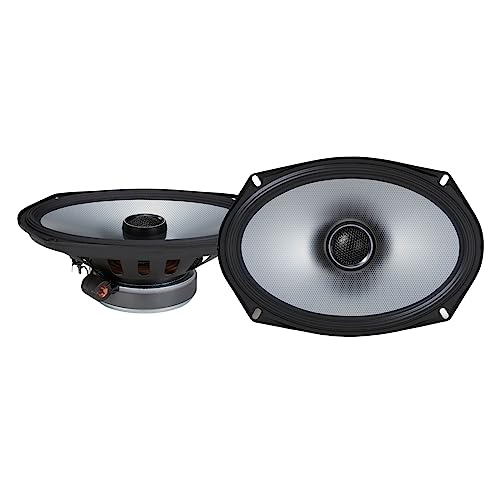
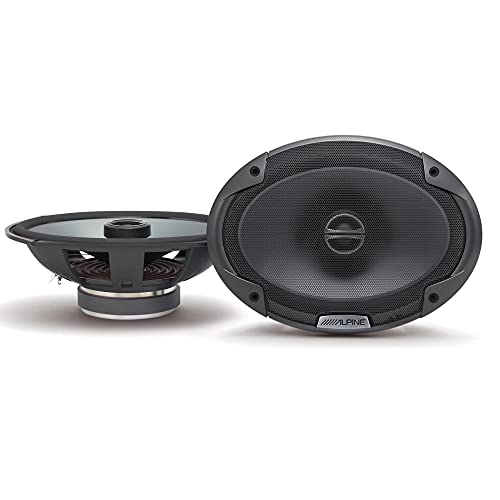


How We Evaluate Alpine 6x9 Speakers
Car speakers live in a harsh place, with heat, vibration, and limited mounting space. The criteria below use thresholds that matter in that environment, and they will help you pick the best alpine 6x9 speakers for your head unit or amplifier.
Sound Quality and Tuning
Look at frequency response as a range, not a promise: most 6x9 speakers cover roughly 35 Hz to about 25 kHz on paper, but usable bass depends on the install. A two way design pairs the woofer with a tweeter for clear vocals, while three way designs add a midrange driver that can help or clutter depending on tuning. Balanced tuning suits most music, while bass heavy tuning flatters hip hop and electronic tracks.
Power Handling and Sensitivity
Match RMS power, not peak power, to your source. Head units typically deliver about 15 to 25 watts RMS per channel, so high sensitivity speakers around 91 dB or more sound louder on factory power. If you run an external amplifier at about 50 to 100 watts RMS per channel, choose speakers rated to handle it. Underpowered speakers distort when pushed, and distortion damages tweeters faster than clean power does.
Durability and Materials
Cars swing from freezing nights to dashboards well above 120 degrees Fahrenheit in summer sun. Polypropylene or treated fiber cones resist moisture and heat better than untreated paper. Rubber surrounds outlast foam surrounds, which can crumble after years of heat cycles. Tweeters in silk sound smooth, while metallic tweeters sound brighter and can feel harsh in reflective cabins. For rear deck installs, check that materials tolerate direct sun through the rear glass.
Comfort, Fit, and Mounting Depth
Fit is the car audio version of comfort: a speaker that does not fit delivers nothing. Measure mounting depth, cutout size, and clearance for the window mechanism in doors before ordering. Many 6x9 openings need about 3 inches of depth, and large magnets on higher power models can exceed that. Check grille clearance too, because tall tweeters may hit factory covers. A simple cardboard pattern saves returns.
Placement and Vehicle Space
Rear deck 6x9 speakers fire into the cabin through the parcel shelf and add bass weight and rear fill. Door mounted pairs sit closer to listeners and shape the front soundstage more. If you can only upgrade one pair, upgrade the front locations you hear most. For overall sound quality comparisons across brands, see our guide to the best sounding 6x9 speakers before you commit to one location plan.
Connectivity and Wiring
These are wired passive speakers, so connectivity means clean wiring and the right impedance. Most car speakers are 4 ohm, matching factory and aftermarket head units. Use proper speaker wire, secure crimp or solder joints, and observe polarity so both woofers move together. Reversed polarity on one side thins the bass noticeably. If your vehicle uses a factory amplifier, confirm impedance compatibility first, since some systems use 2 ohm loads.
Road Noise and Isolation
Car speakers have no noise cancellation, so your defense against road noise is installation quality. Sound deadening mat on door skins and deck panels reduces rattles and lets the woofer produce cleaner bass at lower volume. Foam rings behind the speaker seal it against the panel and stop sound leaking into the door cavity. These low cost steps often improve a mid priced speaker more than stepping up a tier without them.
Crossovers deserve a mention as well. Coaxial 6x9 speakers use simple built in crossovers to send high notes to the tweeter, and better models use steeper slopes that protect the tweeter and smooth the blend. If a listing hides crossover details and power ratings, treat that as a warning sign. For the wider Alpine range beyond this size, our guide to the best alpine speakers explains how the series differ.
Price Tiers That Pass Our Checklist
Tiers below describe what your money usually buys in this category, without naming specific models. Use them to decide whether your system needs an amplifier to justify a higher tier.
Entry Tier, Under About $80 Per Pair
Expect basic coaxial designs, modest magnets, and power handling suited to factory head units. Sound improves clearly over worn factory speakers, especially in vocal clarity, but deep bass stays limited. These pairs suit a simple refresh for an older car or a rear fill role. Check surround material carefully at this price, because foam surrounds shorten lifespan in hot climates.
Mid Tier, About $80 to $180 Per Pair
This is the value zone for most upgrades. You get higher sensitivity, stronger baskets, rubber surrounds, and tweeters that stay composed at highway volume. Many pairs here handle about 60 to 100 watts RMS, so they work now on head unit power and reward a future amplifier later. If bass is your priority, compare this tier with our guide to the best 6x9 speakers for bass for tuning differences.
Premium Tier, Above About $180 Per Pair
Premium pairs add advanced cone materials, larger voice coils, and crossovers tuned for accuracy. They need real amplifier power to show their advantage, and on a factory head unit they may sound no better than the mid tier. Choose this level if you are building a full system with an amplifier and deadening, or if you listen critically on long drives and value detail over loudness.
Quick Buyer Checklist
- Does the RMS rating match your head unit or amplifier output per channel?
- Is sensitivity at least about 91 dB if you plan to use factory power?
- Have you measured mounting depth and cutout size in your actual vehicle?
- Are the cone and surround materials suited to heat and sun in your climate?
- Is the impedance, usually 4 ohm, compatible with your factory system?
- Do the grilles and tweeter height clear your factory covers and panels?
- Have you budgeted for basic deadening or foam seals to finish the install?
Red Flags to Watch For
- Peak power only: listings that advertise huge peak watts and hide RMS ratings are marketing, not engineering.
- No sensitivity figure: without it you cannot predict volume on factory power.
- Foam surrounds in a hot climate car: they may crumble within a few years of heat cycles.
- Missing depth specs: a speaker that does not fit your door is a return waiting to happen.
- Very short warranty: coverage under one year is weak for a part installed inside a panel.
For accuracy focused shoppers, our guide to the best sound quality 6x9 speakers digs into tuning.
Care and Maintenance Tips
- Break them in gently: play at moderate volume for the first several hours so surrounds loosen evenly.
- Set gains correctly: distortion from an overdriven amplifier is the top cause of early speaker failure.
- Keep panels tight: recheck mounting screws after a few weeks, because vibration loosens hardware.
- Use a high pass filter with a subwoofer: crossing 6x9 speakers around 60 to 80 Hz reduces strain and cleans up midrange.
- Shade rear deck installs: a rear window shade slows sun damage to cones and surrounds.
Frequently Asked Questions
Do Alpine 6x9 speakers need an amplifier?
No, high sensitivity models run well on head unit power and still improve clarity over factory speakers. An amplifier adds headroom, cleaner loud volume, and stronger bass control, especially for premium pairs with lower sensitivity. A practical path is to install efficient speakers first, live with them for a month, and add an amplifier only if you regularly reach the volume limit and hear strain.
Will 6x9 speakers fit my car?
They fit only if your vehicle has 6x9 openings or you use adapter brackets for nearby sizes. Check the factory size by door and rear deck location, because many cars mix sizes. Measure depth as well as the oval dimensions, and watch for window tracks in doors. Online fit guides are a starting point, but a quick panel measurement with a tape is the reliable final check before ordering.
How much bass can a 6x9 speaker produce?
A 6x9 woofer has more cone area than round speakers of similar width, so it can produce satisfying mid bass and useful low end for most music. It will not match a dedicated subwoofer for deep bass below about 40 Hz. Sealed mounting against the panel and sound deadening make a bigger difference to bass than small spec differences. Set expectations at full, punchy sound rather than subwoofer depth.
What does sensitivity mean for car speakers?
Sensitivity tells you how loud a speaker plays with one watt of power, measured at one meter. Each 3 dB increase needs roughly half the power for the same volume, which matters on weak factory head units. A speaker at 93 dB sounds noticeably louder than one at 88 dB on the same stereo. When you add a strong amplifier, sensitivity matters less and power handling matters more.
Should I replace front or rear speakers first?
Replace the front speakers first, because they shape what the driver hears most, including vocals and detail. Rear 6x9 speakers add fill and bass support but sit behind you. If your rear pair is blown or rattling, replace it for sanity, then upgrade the front when budget allows. Many listeners find that a strong front pair plus a modest rear pair beats splitting the budget evenly.
Our Verdict
Match RMS power to your source, confirm the mounting depth in your own vehicle, and choose durable materials for your climate. Those three checks prevent most disappointments in this category. With them done, the best alpine 6x9 speakers for your car should be clear in the product table above, so verify fitment notes and power ratings there before you order.


