
Best All Weather Motorcycle Boots for 2026: A Buying Guide
Disclosure: We may earn a commission when you buy through links on this page, at no extra cost to you. As an Amazon Associate I earn from qualifying purchases. Learn more

Compare the best all weather motorcycle boots by waterproofing, armor, fit and grip, with sizing help and care tips for rain and cold rides.
Rain on the commute home, cold air on a morning pass and a wet parking lot all ask more from your boots than dry pavement does. The best all weather motorcycle boots keep water out, protect your feet in a fall and still let you shift, brake and walk with control. Use the product table below to line up waterproofing, armor and fit.
This guide sorts riders by how they ride, then walks through the features that decide whether a boot stays dry all season. You will also find style comparisons, sizing checks, care steps and answers about warmth and grip.




Who Should Buy the Best All Weather Motorcycle Boots?
Start with your most common ride in bad weather, not your best day ride. Rain length, temperature and how much you walk off the bike will point each group toward a different shaft height, liner and sole.
Daily Commuters Who Ride Through Rain
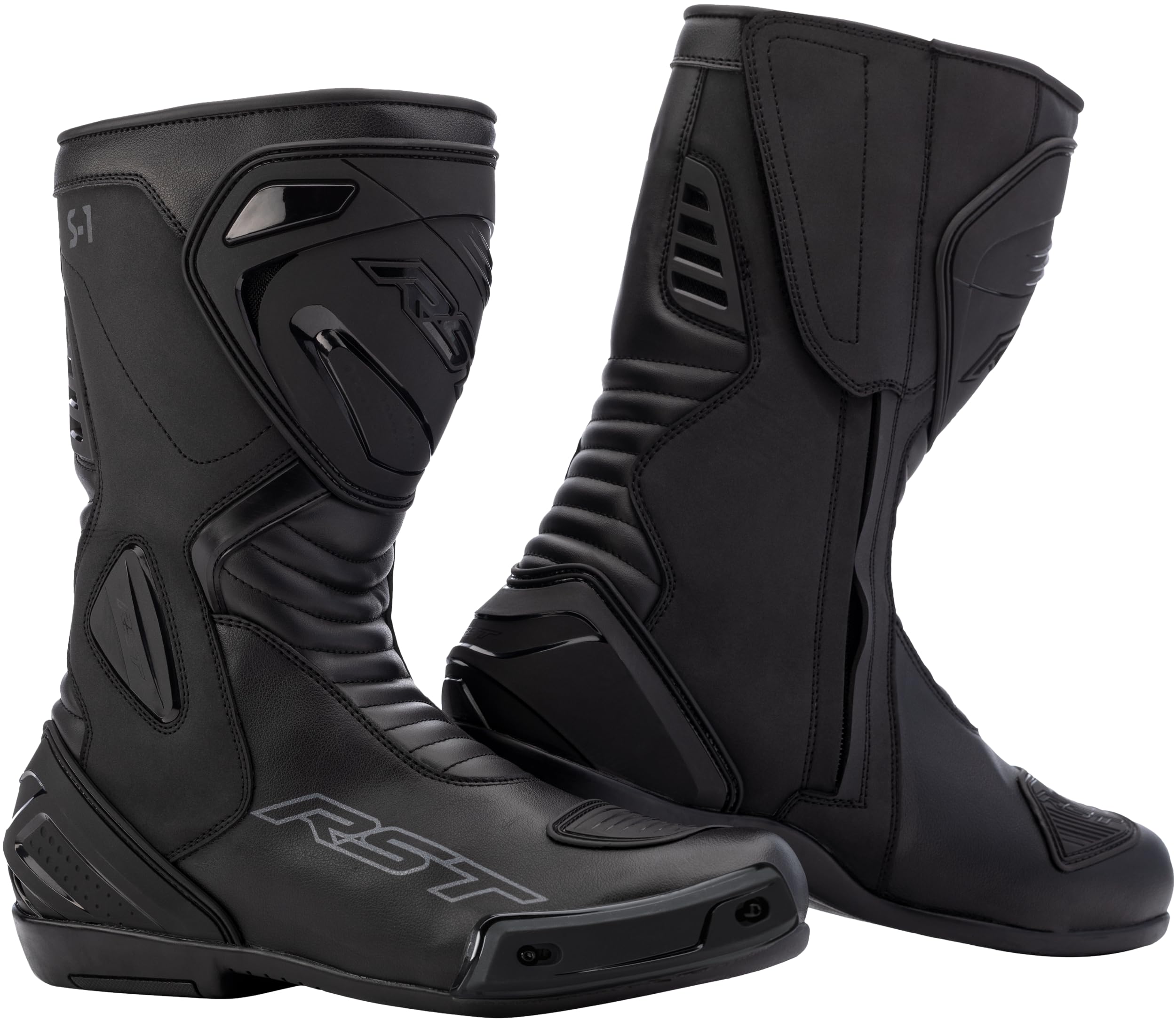
You need a boot you can put on quickly, ride in traffic and wear across a wet parking lot. Choose a mid height style with a side zip, a sealed membrane and a sole that grips painted lines and slick concrete. Reflective panels matter more for you than tall adventure buckles.
Touring Riders Covering Long Miles in Mixed Weather
You may cross a warm valley and a cold wet pass in one day, so range matters most. Choose a taller touring boot with strong shin and ankle protection, calf adjustment for layers and a membrane that handles hours of steady rain. A cushioned insole reduces fatigue on long stretches.
Adventure Riders Who Walk Off the Bike
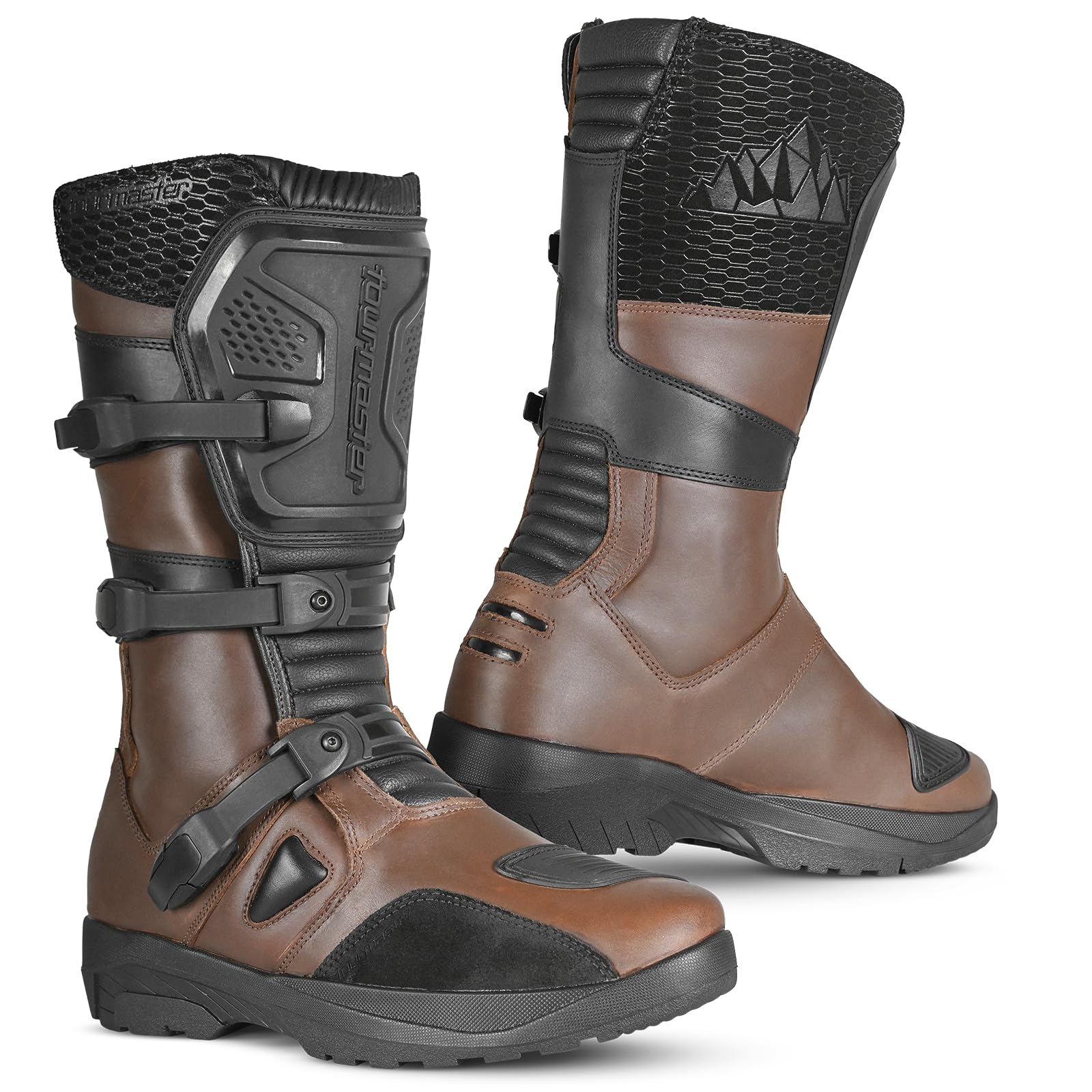
You stand on the pegs, walk gravel at fuel stops and may cross wet grass at camp. Choose an adventure style with a lugged sole, firm ankle support and straps you can adjust with gloves on. The tread should clear mud rather than pack it, and the toe box should leave room for swelling.
Key Features to Compare
Compare these factors in order, because dryness and protection come before style and price. As you narrow your list of the best all weather motorcycle boots, check each factor against your usual weather.
Waterproof Membrane and Sealed Construction
A waterproof membrane is a thin liner that blocks liquid water while letting some vapor escape. Sealed seams, a gusseted tongue and covered zips keep rain from entering at the joins, where most leaks start. Uppers shed light spray on their own, but only the membrane and sealing handle steady rain at road speed. If you ride in rain for an hour or more, confirm this feature first.
Protective Armor and Abrasion Resistance
Armor is firm padding or molded inserts at the ankle, toe, heel and shin that spread force in a fall. Look for a CE rating, which signals testing for impact, abrasion and sole strength, and choose inserts that stay in place when the boot flexes. Full grain leather or sturdy textile resists road abrasion longer than soft fashion leather. If you have pain, numbness, swelling or trouble moving an ankle after any fall, get medical care promptly and talk with your clinician about your personal needs before you ride again.
Closure Systems and Calf Adjustment
Closures decide how fast you gear up and how well the boot stays secure when wet. A side zip with a hook and loop flap is quick for commuting and seals well under rain pants. Buckles on adventure boots let you tune tension over thick socks, but they take longer and can snag. Laces give a precise fit on shorter boots, yet they need a tucked loop so they cannot catch on a peg.
Sole Grip, Shift Control and Walking Comfort
The sole must grip wet pegs, slick fuel station concrete and painted markings without feeling vague. Oil resistant rubber and open tread channels shed water and hold better on smooth wet surfaces than a flat dress sole. A shift pad on the toe protects the upper and gives a consistent feel on the lever. For walking, look for some forefoot flex and a cushioned midsole.
Warmth, Venting and Year Round Balance
All weather boots balance insulation against breathability, and no single liner is ideal in deep cold and summer heat at once. Light insulation and a breathable membrane suit most riders from early spring to late fall, with thicker socks extending the cold range. Heavy fixed insulation can overheat your feet on a mild rainy day. If most of your miles are in summer heat, see our guide to the best hot weather motorcycle boots for lighter vented options.
Fit, Sizing and Shaft Height
Fit decides whether armor stays over your ankle and whether your toes stay comfortable on long rides. Try boots late in the day with riding socks, and leave about a thumb of space past your longest toe. Shaft height runs from ankle height for short commuter styles to about 10 to 14 inches for touring and adventure boots. Riders who need a narrower heel and lower calf shape should see our guide to the best women's motorcycle boots for lasts shaped for those proportions.
Touring, Adventure and Commuter Styles Compared
Style names describe how a boot trades protection, weight and walking ease. Match the style to your roads and how far you walk once you park.
Touring boots are tall and smooth, with covered zips and plain soles that slide under rain pants and resist leaking during long wet stretches. They walk well enough for fuel stops, but their smooth tread is a poor choice for mud. For a broader view, see our guide to the best motorcycle boots for how styles differ.
Adventure boots are taller and stiffer, with buckles, a lugged sole and stronger shin protection for standing and uneven ground. They handle gravel and wet grass better than touring boots, but they weigh more and cost more, often about $250 to $450. Choose this style only if you often leave smooth pavement.
Commuter boots are shorter and lighter, and they suit short rides, city rain and riders who walk several blocks after parking. Their lower shaft offers less shin coverage and lets heavy rain enter sooner. Ordinary footwear for wet sidewalks lacks ankle armor, so if you only need boots for walking in rain, see our guide to the best all weather boots instead.
Common Mistakes to Avoid
These errors are common because each one looks sensible at first.
- Buying for a waterproof claim alone leaves you with weak armor that shifts away from your ankle in a fall.
- Sizing with thin dress socks makes the boot too tight once you add thick riding socks on a cold day.
- Choosing a tall adventure boot for pure city commuting adds weight and cost you feel on every short walk.
- Letting laces hang loose risks a loop catching on a peg or lever at the worst moment in traffic.
- Wearing rain pants inside the shaft channels water straight into the boot during steady rain.
- Ignoring a small leak at the zip lets moisture spread and soak your socks over time.
Care and Maintenance for All Weather Motorcycle Boots
After a wet ride, loosen the closures, pull out the insoles and let the boots air dry at room temperature. Loose paper in the toe helps draw out moisture. Never use a hot dryer, because heat can crack leather, weaken glue and damage the membrane.
Brush dried mud from the sole and upper, then wipe the boot with a damp cloth and mild soap only where needed. Treat leather with a conditioner for waterproof footwear once it looks dry or stiff, and restore water repellency on textile panels when rain stops beading. Check zips each month, and store boots upright.
FAQ
How do I choose the right size in all weather motorcycle boots?
Choose the size that leaves about a thumb of space past your longest toe while you stand in riding socks. Measure both feet in the evening, since feet are often larger then, and size for the larger foot. If you fall between sizes, a thicker insole can take up extra volume. Walk on a slope if you can, because toe pressure shows up first there.
What CE protection should all weather motorcycle boots have?
Look for a CE rating printed inside the boot, with higher levels showing stronger results for impact and abrasion testing. Level 2 protection offers more tested resistance than Level 1, though it can feel stiffer at first. Check that the rating covers the full boot and not only an insert, because the numbers inside the shaft tell you which tests it passed.
Can I walk long distances in all weather motorcycle boots?
Yes, you can walk moderate distances in most touring and commuter styles, but long hikes are a poor match for stiff riding soles. A boot that flexes slightly at the forefoot will feel far better after a mile of town walking. For a full day on foot, packing light shoes is kinder to your feet.
How long does waterproofing last in all weather motorcycle boots?
A quality internal membrane can stay waterproof for several seasons when you dry the boots gently and keep the upper in good condition. Most early leaks come from worn zip coverings, cracked leather or a damaged gusset rather than the membrane itself. If one small area dampens, inspect that seam first.
When should I replace all weather motorcycle boots?
Replace a riding boot when the sole is worn smooth, the upper is cracked through, or armor has shifted and will not stay over your ankle. A boot that took a hard impact and shows crushed protection should also be retired, even when the outside looks tidy. Ankle softening that lets the boot fold sideways is another clear sign.
Our Verdict
Match the boot to your weather first, your roads second and your walking needs third. A sealed membrane, armor that stays in place and a fit with room for riding socks matter more than extra buckles. Use the product table above to confirm shaft height and price, which often runs about $120 to $300 for commuter and touring styles.
When you choose best all weather motorcycle boots with those checks in mind, you get dry feet, steady control on wet surfaces and protection through the season. Pick the simplest style that covers your riding, and care for it after every wet ride.


