Best All Weather Chairs: 2026 Checklist for Year Round Outdoor Seating
Disclosure: We may earn a commission when you buy through links on this page, at no extra cost to you. As an Amazon Associate I earn from qualifying purchases. Learn more

Pick chairs that stay outside in every season with our buyer checklist on weatherproof frames, cushions, sizing and care for the best all weather chairs.
Leaving chairs outside through spring rain, summer heat and winter frost is convenient, but only if they are built for it. The best all weather chairs use frames and fabrics that shrug off moisture, sun and temperature swings instead of cracking, rusting or fading after one season. This guide walks you through a simple checklist, so you can judge any chair on materials, comfort and care before you spend money. Use it alongside the product table below to narrow your shortlist.
You will learn which frame materials last longest outdoors, how cushion fabrics handle a downpour, and what seat dimensions suit different bodies and spaces.


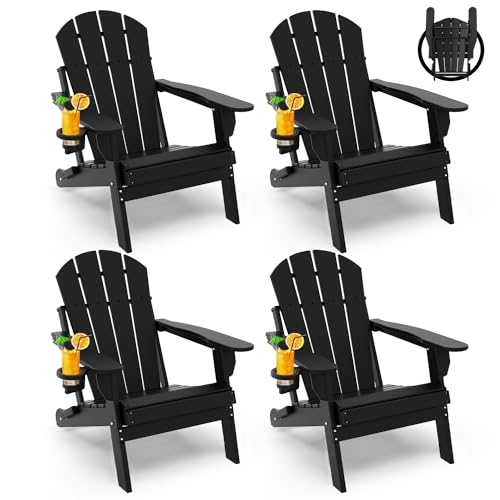
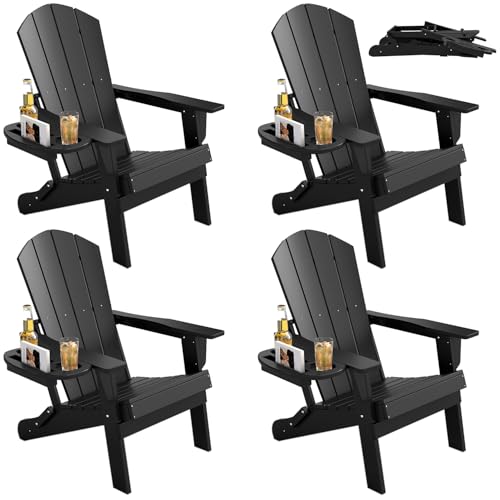

Who Should Buy the Best All Weather Chairs
All weather chairs suit anyone who wants seating that stays where it is used. The right design depends on how you sit outside, how much storage you have, and how much upkeep you accept.
Patio Hosts Who Entertain in Every Season
If friends gather on your patio all season, you need chairs that are ready without a trip to the garage. Look for stackable or lightweight frames you can rearrange fast, plus cushions that dry quickly after a shower so guests are never offered a damp seat.
Homeowners Tired of Storing Furniture Indoors
Dragging chairs into a shed before every storm gets old fast, and many homes simply lack the storage space. If that sounds familiar, choose frames with no unprotected steel and fabrics rated for outdoor use, then leave the chairs in place all year. A simple cover during the worst winter weeks beats hauling a full set indoors.
Small Deck and Balcony Owners
On a compact deck or balcony, every inch matters, and bulky furniture crowds out plants or a small table. Slim profile chairs with arms that tuck under a table keep the floor clear, and folding frames help when you need the space back. Measure the footprint before ordering, since a chair that fits on paper can still block a door swing.
Key Features to Compare
Price alone tells you little about how a chair will look after two summers. When you compare the best all weather chairs side by side, judge them on the five factors below.
Frame Materials That Survive Rain and Sun
The frame decides how long the chair lasts outdoors. High density polyethylene lumber, often called HDPE, resists rain, sun and frost, and it will not splinter. Powder coated aluminum is light, strong and naturally rust resistant. Teak and other dense hardwoods stay sound for years outdoors. Avoid plain steel and cheap pine outdoors, since steel rusts at scratches and softwood absorbs water, then splits as it dries.
Cushion Fabrics and Foam That Dry Fast
Cushions fail outdoors when water soaks in and stays. Solution dyed acrylic and olefin fabrics resist fading and shed rain instead of absorbing it. Inside, look for quick drying foam or polyester fill wrapped so water can drain out the bottom. Removable covers you can unzip and wash make deep cleaning simple. If a listing hides the fabric content or gives no care details at all, treat that silence as a warning sign and keep looking.
Weight Capacity and Frame Stability
Every chair should state a clear weight capacity, and for outdoor seating a rating around 250 to 350 pounds suits most adults with a margin for safety. Check how the legs join the seat, since screwed and bolted joints usually outlast glued ones when chairs shift on uneven ground. Wide feet or sled style bases spread the load and stop legs sinking into lawn. A chair that flexes or creaks on day one rarely improves, so test one before ordering a full set.
Seat Size, Height and Sitting Comfort
Comfort outdoors follows the same rules as indoors. A seat height of about 17 to 19 inches lets most adults sit down and stand up without strain, while lower lounge seats around 12 to 14 inches suit relaxed leaning back. Seat depth near 18 to 20 inches supports your thighs without pressing behind the knees. Armrests help older guests rise, and gentle lumbar support keeps long conversations comfortable.
UV Resistance and Finish Protection
Sunlight quietly destroys more outdoor chairs than rain does. Ultraviolet rays fade fabrics, make cheap plastics brittle, and dry out unprotected wood until it cracks. Look for UV stabilizers listed in plastic and resin frames, solution dyed fibers, and finishes you can renew, such as oil for hardwood. Shade alone does not replace a UV resistant build, since reflected light still reaches chairs under a pergola or tree.
Types of All Weather Chairs Compared
All weather chairs come in a few distinct shapes, and the best match depends on how the seat will be used most days.
- Adirondack chairs offer wide arms, a low slung seat and a slanted back made for slow afternoons; see our guide to the best all weather adirondack chairs.
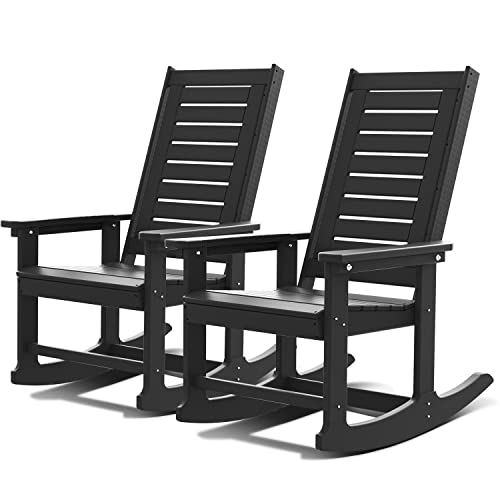
- Rocking chairs add a gentle motion that suits porches; our guide to the best all weather rocking chairs covers runner shapes that stay smooth on deck boards.
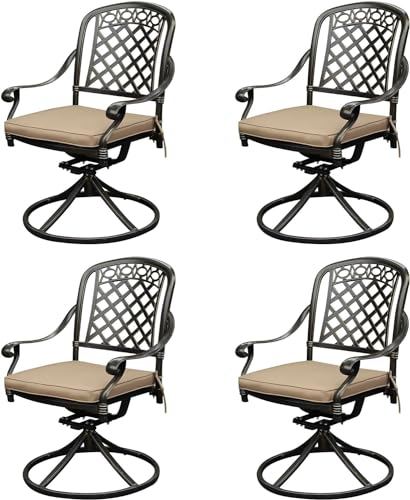
- Dining and patio chairs sit upright and size to a table, usually in pairs or sets; compare options in our guide to the best all weather patio chairs.
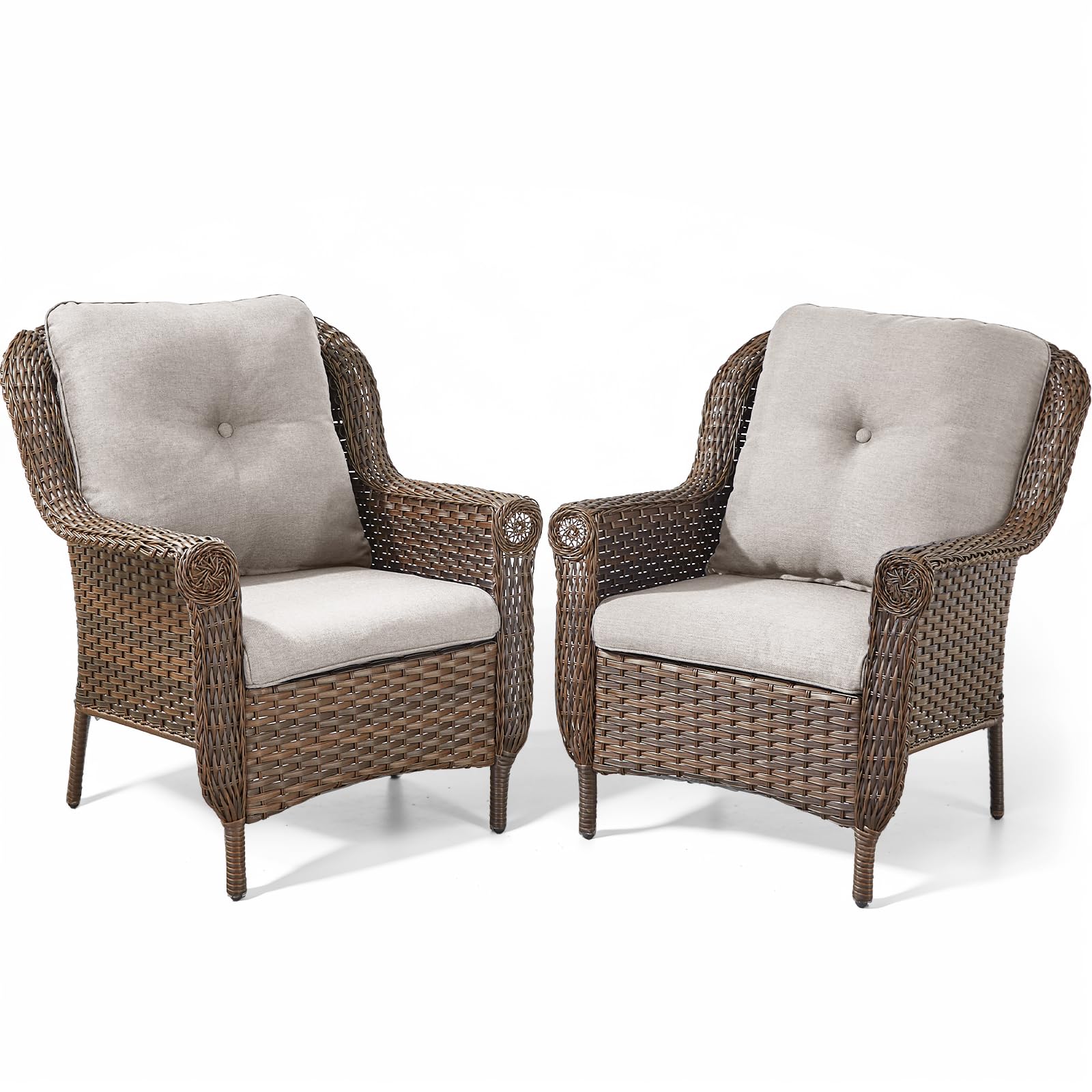
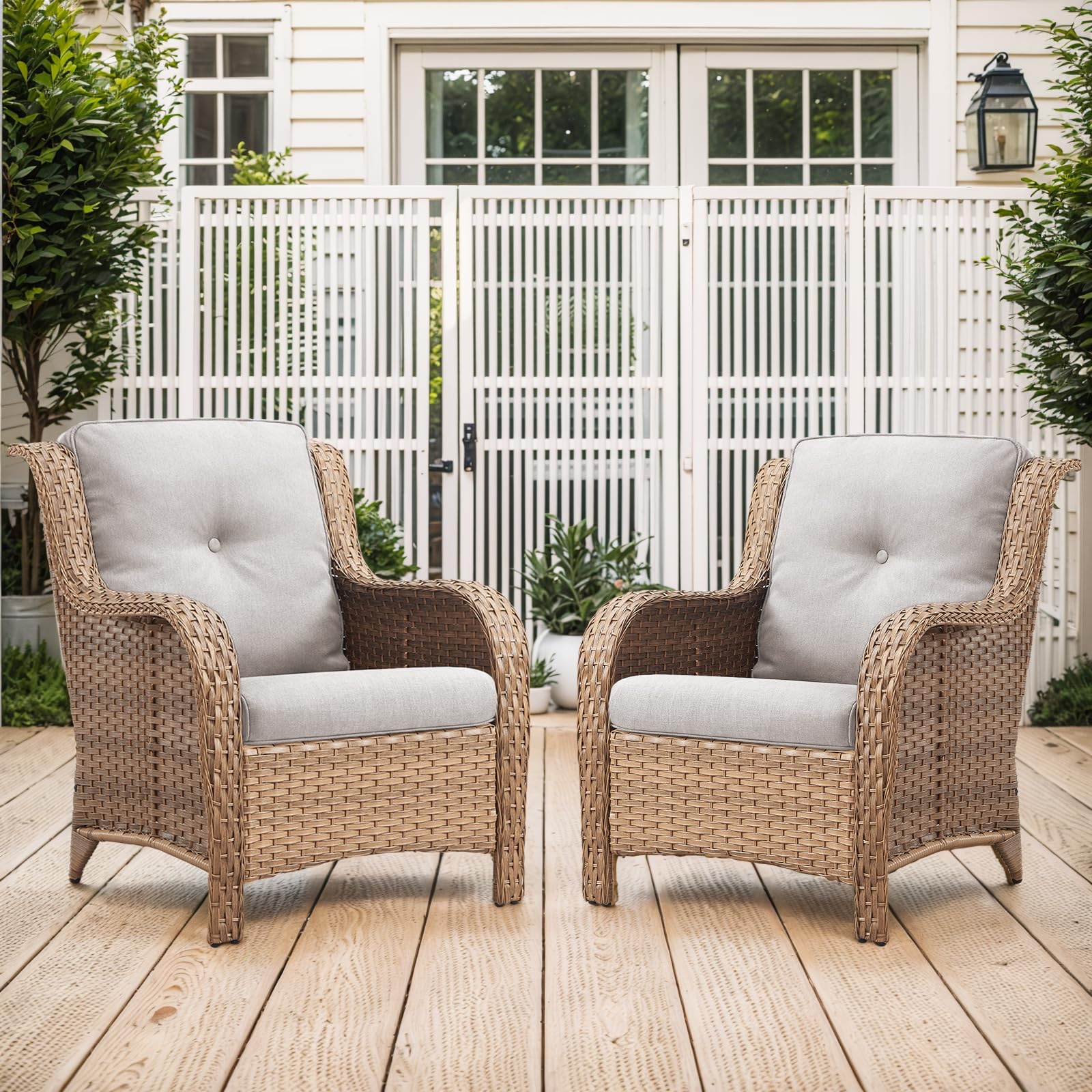
- Lounge and general outdoor chairs give deeper seats for reading and sun; the broader guide to the best all weather outdoor chairs compares the main shapes side by side.
Sets look tidy, but mixed shapes often serve a household better, with dining chairs at the table and one or two loungers where the view is best. Whatever shape you pick, the frame and fabric checks above matter more than the silhouette.
Questions to Ask Before Ordering an Outdoor Chair
Run through these questions before you order. A chair that earns a yes on nearly all of them is a sound buy.
- Is the frame HDPE, powder coated aluminum, teak, or another material rated for year round outdoor use?
- Does the listing state a weight capacity that covers the largest person who will sit in it?
- Are the cushion fabrics solution dyed and quick to dry after rain?
- Do the seat height and depth match the people and the table the chair will serve?
- Can covers be removed and washed, or cushions stored during the worst weather?
- Does the warranty cover the frame for at least a few years?
- Will the footprint fit your deck with room to walk around it?
Common Mistakes to Avoid
- Buying indoor chairs for the patio leads to rusted frames, swollen joints and moldy cushions within a single wet season.
- Choosing the cheapest resin chairs means brittle plastic that cracks at the first hard frost or under a heavier guest.
- Ignoring seat height leaves you with chairs that sit too low for the dining table, so meals feel awkward from the first course.
- Leaving cushions outside without checking the fabric content invites fading and mildew that no amount of scrubbing fully reverses.
- Ordering a full set before testing one chair risks ending up with a matching set of seats nobody finds comfortable.
Care and Maintenance
Good all weather chairs ask for little care, but a small routine keeps them looking new. Rinse frames with a hose every few weeks to clear pollen and dust, and use mild soap and a soft brush when grime builds up. Stand cushions on edge after heavy rain so water drains out instead of pooling in the foam. Tighten bolts and screws at the start of each season, since outdoor temperature swings slowly loosen hardware.
In winter, covers help in regions with heavy snow, though breathable covers matter because sealed plastic traps moisture against the frame. Store cushions in a dry spot if your climate brings weeks of freezing rain. Renew hardwood oil once a year to keep the original color, or let the wood gray naturally.
All Weather Chairs: Your Questions Answered
How do I choose the right size all weather chair for my patio?
Start with the space, then the people. Leave about 24 inches of walking room around the seating area, and pick a seat height near 18 inches if the chair will pair with a standard outdoor table. Taller or heavier users should look for wider seats, around 22 inches or more, and higher stated capacities. Measuring a chair you already like gives a reliable reference.
Are expensive all weather chairs worth the higher price?
Often yes, because the extra money buys frame materials and fabrics that survive more seasons. A budget resin chair may last two or three summers, while HDPE or teak chairs commonly serve a decade with basic care. Spend more when chairs stay outside all year, and save when they live under a covered porch.
What matters most for sitting comfortably outdoors for long hours?
Back support and seat depth matter most over a long afternoon. A backrest that follows the curve of your lower back, paired with a cushion that does not bottom out, prevents the fidgeting that ends conversations early. Breathable mesh or slatted backs also help on hot days, since airflow keeps the seat cooler than solid plastic.
How long should a good all weather chair last?
A well built chair should give you at least five years of full outdoor exposure, and premium frames often double that. Lifespan depends on climate more than brand, since intense sun and freeze thaw cycles age materials fastest. Cushions usually wear out first, so replaceable covers stretch the life of the whole chair.
Can all weather chairs stay outside through winter snow?
Yes, frames made from HDPE, aluminum or teak can stay outside through snow without structural harm. Brush heavy snow off seats so melt water does not pool and refreeze in joints, and move cushions indoors during long freezing rain. Chairs stored upright on a hard surface fare better than chairs left on wet soil, where legs sit in constant moisture.
Final Thoughts
Start with the frame material, then check the cushion fabric and the seat dimensions against your space and your guests. Those three checks filter out most poor buys before price even enters the picture. Whichever style you choose from the product table above, the best all weather chairs for your home are the ones that stay ready outside, season after season, with nothing more than a rinse and an occasional tightening of the bolts.