Best All Weather Patio Chairs for 2026: Buying Guide
Disclosure: We may earn a commission when you buy through links on this page, at no extra cost to you. As an Amazon Associate I earn from qualifying purchases. Learn more
Compare the best all weather patio chairs by frame, fabric, drainage, size and storage, with a guide to comfort and care.
Rain at noon, strong sun by two, and a cool evening can all hit the same patio in one day. Chairs that stay outside need frames, fabrics, and joints that handle that cycle without rust, fading, or sagging. The best all weather patio chairs give you that durability without a storage chore, and the product table below helps you weigh the choices.
Start with how you use the space. Dining, lounging, and short visits ask for different seat heights, back angles, and cushion needs. The sections below match those uses to materials, sizing, and care, so you can choose once and leave the chairs out with confidence.
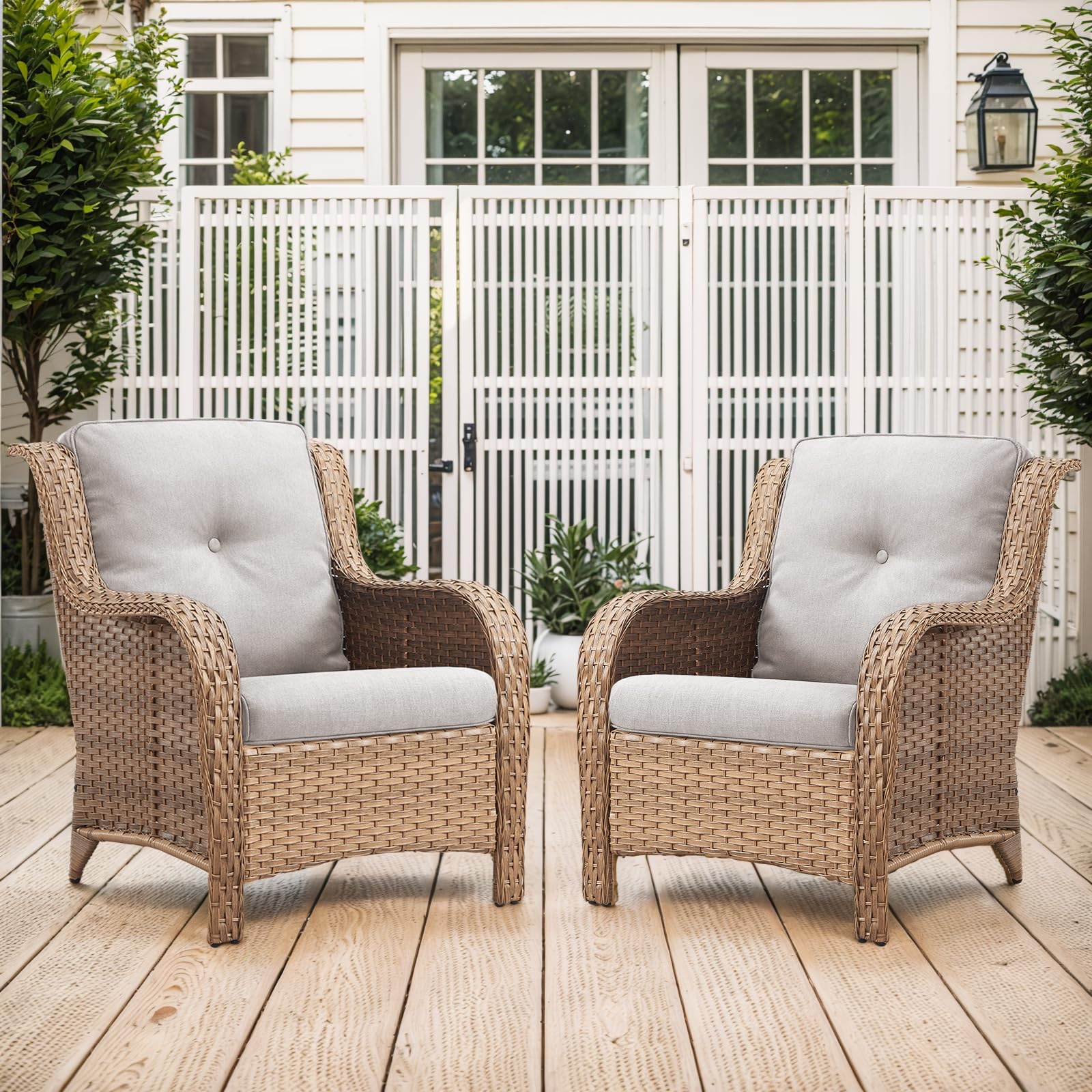


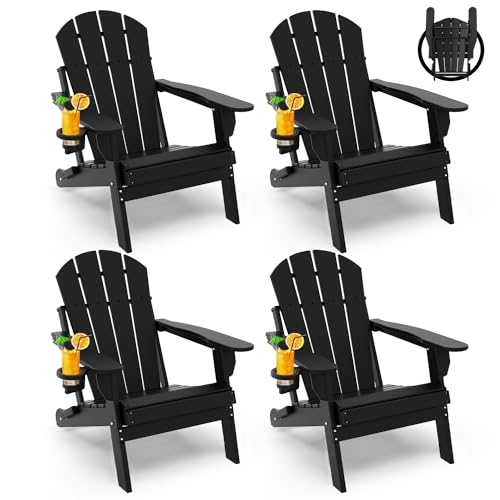

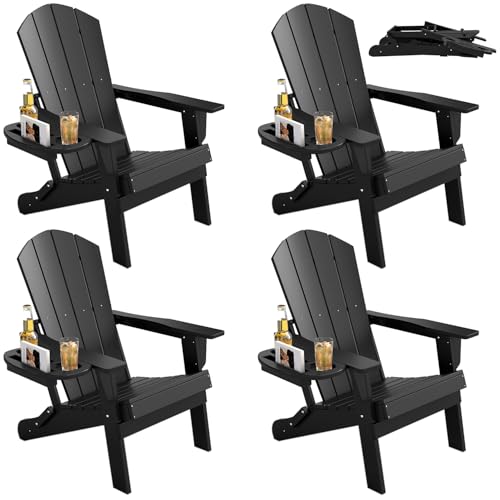
Who Should Buy Which All Weather Patio Chairs?
Your exposure matters as much as your style. A covered porch, an open deck, and a small balcony punish chairs in different ways.
Homeowners Who Leave Chairs Out on an Open Deck
You need the toughest build because your chairs take direct rain and full sun for months. Choose aluminum, teak, or high density polyethylene frames with sling or open weave seats that shed water. Skip thick fixed cushions. If your deck is open, see our guide to the best outdoor patio chairs for more seating built for uncovered spaces.
Hosts Who Seat Guests for Outdoor Meals
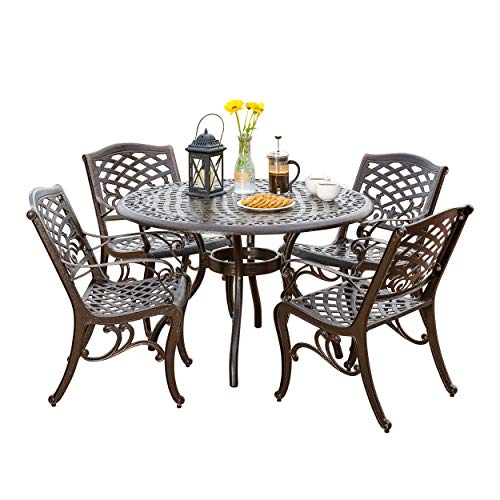
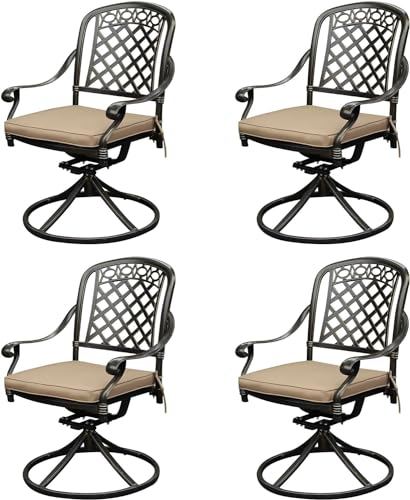
You need chairs that slide up to a table, support guests through a long meal, and stack neatly afterward. Choose upright backs, firm seats about 17 to 19 inches high, and arms that clear the table edge. A set of four to six usually costs about $320 to $900 in total.
Balcony Owners With Limited Storage Space
You need comfort in a small footprint and a winter plan for a closet or corner. Choose folding or stacking chairs with slim frames and seats about 20 to 22 inches wide. Light aluminum helps when you carry chairs inside often. Measure your door width before you order, because a folding chair still needs a clear path.
Key Features to Compare
Compare material, drainage, and size before color. Those choices decide how a chair ages, and the best all weather patio chairs decision gets easier once you rank them for your weather.
Frame Materials That Resist Rust and Rot
Aluminum resists rust and stays light, which suits most decks and balconies. Powder coated steel costs less and feels solid, but a chipped coating can let rust start at the scratch, so it suits covered areas better. Teak handles rain well and turns gray if you leave it unoiled. High density polyethylene lumber will not rot or peel and feels heavy in wind, though it costs more. Stainless steel hardware matters too, because weak screws can fail first.
Fabric and Sling Choices That Dry Fast and Resist Fading
Sling fabric made from vinyl coated polyester stretches slightly, supports your back, and lets rain pass through, so it dries in hours rather than days. Solution dyed acrylic cushions resist fading because color runs through the fiber, and olefin offers similar sun resistance at a lower price. Plain polyester fades faster in strong sun. For a broader look, see our guide to the best all weather chairs and compare fabrics for your sun exposure.
Drainage, Mold Resistance, and Standing Water
Water that pools in a seat or inside a frame causes most early failures. Look for open weave seats, slatted backs, drain holes in the seat pan, and hollow frames with vented ends. Dense foam cushions on a solid seat trap moisture underneath and can develop mildew in humid weather. Removable washable covers help, but the core beneath them must also dry. Tip chairs forward after heavy rain so seats drain.
Weight Capacity, Stability, and Wind
Most patio chairs are rated for about 250 to 350 pounds, and you should count a guest plus anything held on the lap. Wide feet and cross supports keep a chair steady on pavers or deck boards. Very light chairs can blow over in storms, while heavier resin and teak chairs stay put but are harder to move. Check the rating for each chair, because dining and lounge models from one line can differ.
Seat Size, Arm Height, and Table Fit
Dining seats usually sit about 17 to 19 inches high, while lounge seats sit about 14 to 16 inches high with a reclined back. Your feet should rest flat without pressure behind your thighs. Arms about 24 to 26 inches high usually slide under a standard outdoor table, but measure your table apron first. If you are building a dining set, see our guide to the best patio dining chairs for pairing details.
Cushions, Ergonomic Shape, and Storage Options
A contoured back and a slight seat curve give ergonomic support without adjustments, and that shape matters during long meals. Removable cushions add softness but need dry storage after rain, while sling and slatted seats need none. Stacking chairs save floor space if frames nest without scratching, and folding chairs suit renters who move often. Decide where cushions will live on a wet night before you buy them.
Types of All Weather Patio Chairs Compared
Pick the type that matches your main activity first, then apply the material checks above within that type.
Dining Chairs for Everyday Outdoor Tables
Dining chairs keep you upright and work for meals, games, and laptops on the patio. Slatted or sling versions dry fastest and need the least care. Expect about $80 to $250 per chair for aluminum or resin builds. For a flexible starting point, see our guide to the best chairs for patio for other everyday styles.
Lounge and Deep Seating Chairs for Relaxing
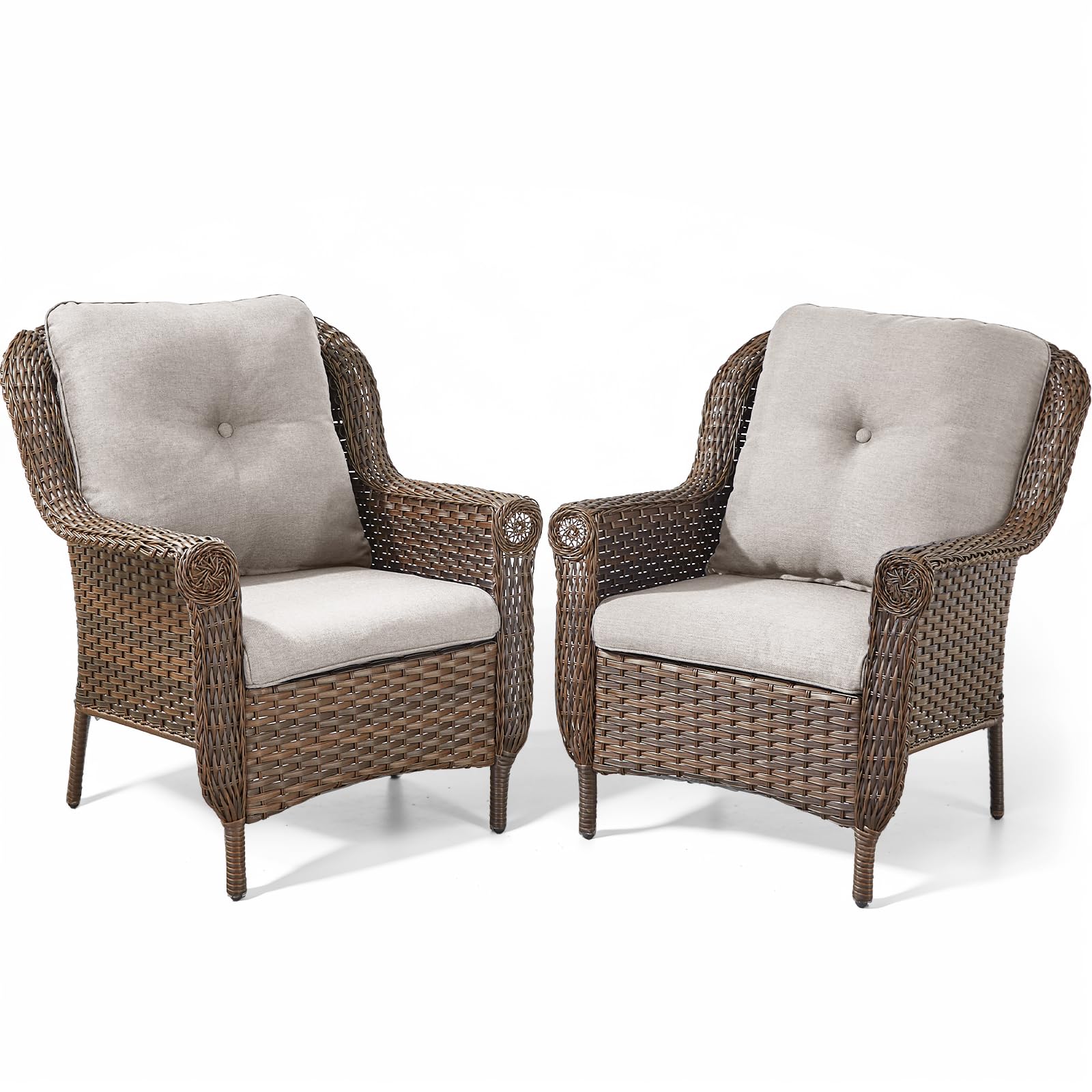
Lounge chairs use lower, wider seats and reclined backs for reading and conversation. They give the most comfort but take the most floor space and often rely on thick cushions. Choose quick drying foam cores and removable covers if the set stays uncovered. One lounge chair often costs about $150 to $400.
Rocking, Folding, and Stacking Chairs for Flexible Spaces
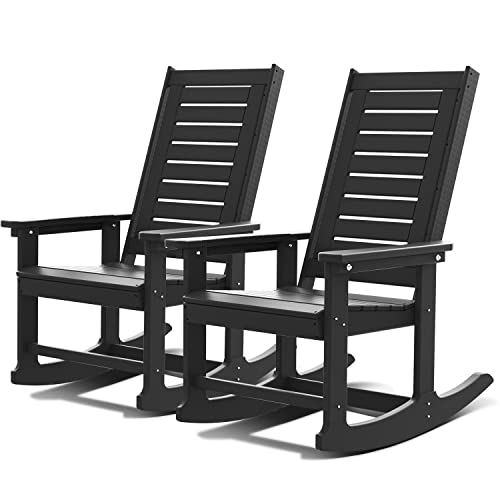
Rocking and gliding chairs add gentle motion, but their moving joints need sound hardware and level ground. Folding chairs store in the least space and suit occasional extra guests. Stacking chairs balance daily use and tidy storage. Check the fold or stack action in the product details, because a stiff hinge can make a practical idea frustrating.
Common Mistakes to Avoid
- Buying uncovered foam cushions for an open deck leaves them soaked for days and invites mildew.
- Choosing powder coated steel for a coastal yard invites rust once salt air chips the finish.
- Ignoring arm height against your table apron leaves chairs stuck outside the table edge at meals.
- Leaving very light chairs out in storm season lets wind tip them and crack a leg or arm.
- Storing damp cushions in a closed box traps moisture and creates a strong musty odor.
- Mixing seat heights around one table makes some guests sit too low for comfortable eating.
How to Make Your All Weather Patio Chairs Last Longer
Rinse chairs with plain water every few weeks to remove pollen, dust, and salt, then let them dry fully. Wash sling fabric and cushion covers with mild soap and a soft brush, rinse well, and dry them upright so water runs off. Avoid harsh bleach on colored fabrics, because it can weaken fibers and fade the dye.
Inspect joints, screws, and feet at the start and middle of each season, and tighten loose hardware before a wobble wears a joint out. Touch up chips on coated steel promptly. In winter, store cushions indoors and cover frames or move them under shelter. Covers should fit loosely enough for air to move.
Weather Patio Chairs: Your Questions Answered
Is an expensive all weather patio chair worth the cost?
Yes, an expensive all weather patio chair can be worth the cost if you leave it uncovered and use it for years. Higher prices usually buy aluminum or polyethylene frames, better hardware, and fabrics with stronger fade resistance. The value shows up as fewer replacements, not extra features. If your chairs live under a roof, a modest set often serves just as well.
How long should a good all weather patio chair last outdoors?
A good all weather patio chair should last about five to ten years outdoors with basic care. Teak and polyethylene frames can last longer, while low cost steel in wet climates may show rust sooner. Longevity depends heavily on winter storage, because freeze and thaw cycles stress joints and trapped water. Covered chairs in winter tend to reach the upper end of that range.
Can all weather patio chairs stay outside in winter snow?
Yes, many all weather patio chairs can stay outside in winter snow, but only if water cannot collect and freeze inside the frame or seat. Tip sling and slatted chairs so meltwater drains, remove cushions, and brush off heavy snow. Frames with sealed hollow legs are at higher risk, because trapped water expands as it freezes. A covered porch is the safer spot.
Do all weather patio chairs need covers if they resist rain?
No, all weather patio chairs do not need covers for ordinary rain, but covers help during pollen season, long absences, and winter. A cover keeps seats clean and reduces sun hours on fabric, which slows fading. Choose a breathable cover and remove it after storms so damp air escapes. Never cover a wet chair, because the cover holds moisture against it.
How do I choose the right size all weather patio chair for my table?
Choose the right size all weather patio chair for your table by matching seat height and arm height to the table first. Leave about 10 to 12 inches between the seat top and the table top for leg room. Allow about 24 inches of table edge per person. If space feels tight, tape the chair footprint on the deck and walk around it before ordering.
The Bottom Line
Put material first, drainage second, and size third, and most choices become clear. Aluminum, teak, and polyethylene frames with fast drying seats suit open spaces, while coated steel and cushioned sets suit covered ones. Check the product table above for ratings and dimensions before you decide.
When you compare the best all weather patio chairs with your exposure and table measurements in hand, you can buy a set that stays outside, stays comfortable, and still looks good after many seasons.