
Best All Mountain Freestyle Snowboard Boots for 2026: A Buying Guide
Disclosure: We may earn a commission when you buy through links on this page, at no extra cost to you. As an Amazon Associate I earn from qualifying purchases. Learn more

Compare all mountain freestyle snowboard boots by flex, fit, lacing and grip, with sizing guidance and care tips to choose a forgiving, durable pair.
One pair of boots has to carve groomed runs in the morning and stay forgiving enough for park laps, presses and switch riding later. The best all mountain freestyle snowboard boots sit in that middle ground, supportive enough for speed yet soft enough to move freely. This guide explains flex, fit and lacing so you can read the comparison table below with a clear plan.
Start with how you actually ride. If most days mix cruising, side hits and a few features, you do not need the stiffest boot on the wall or the softest one either. The sections below match your riding style, foot shape and budget to the features that matter most.
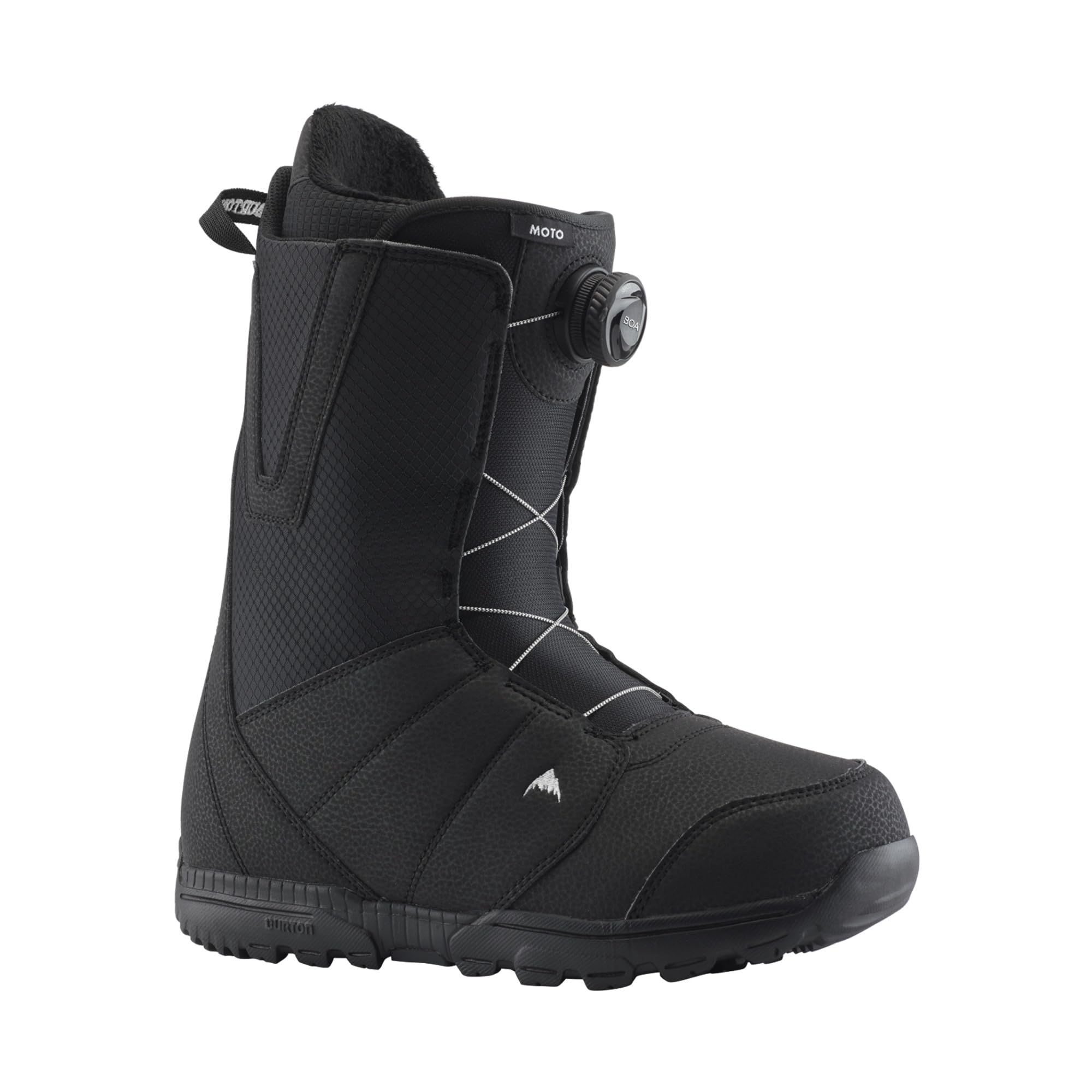


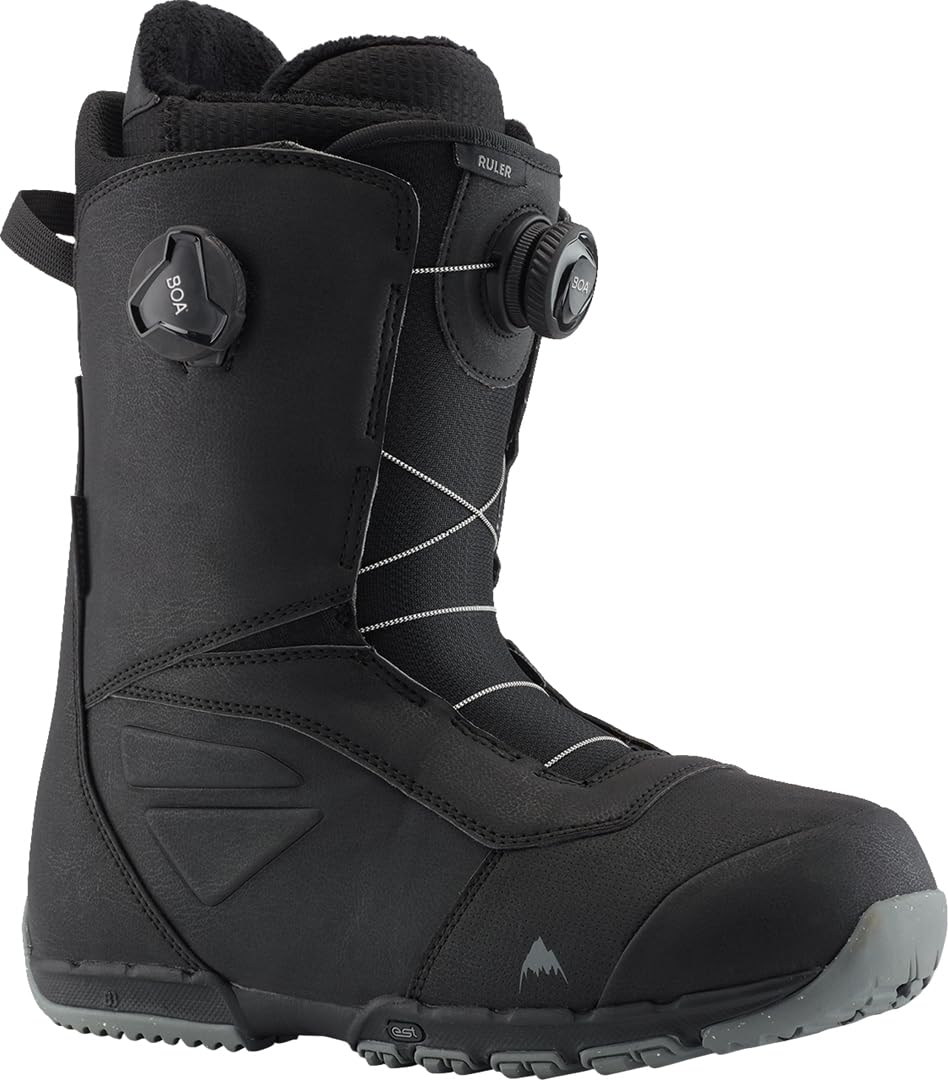
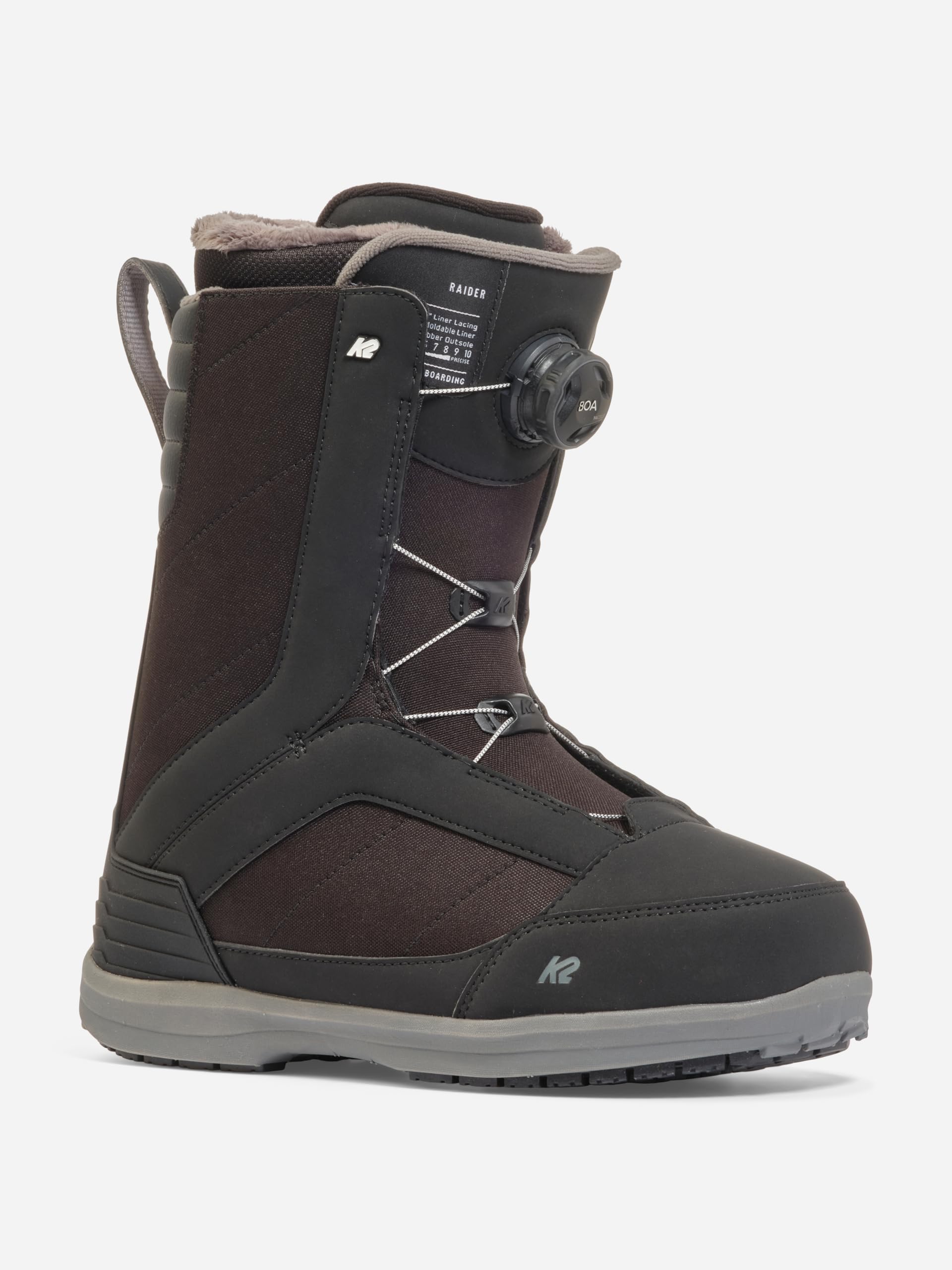


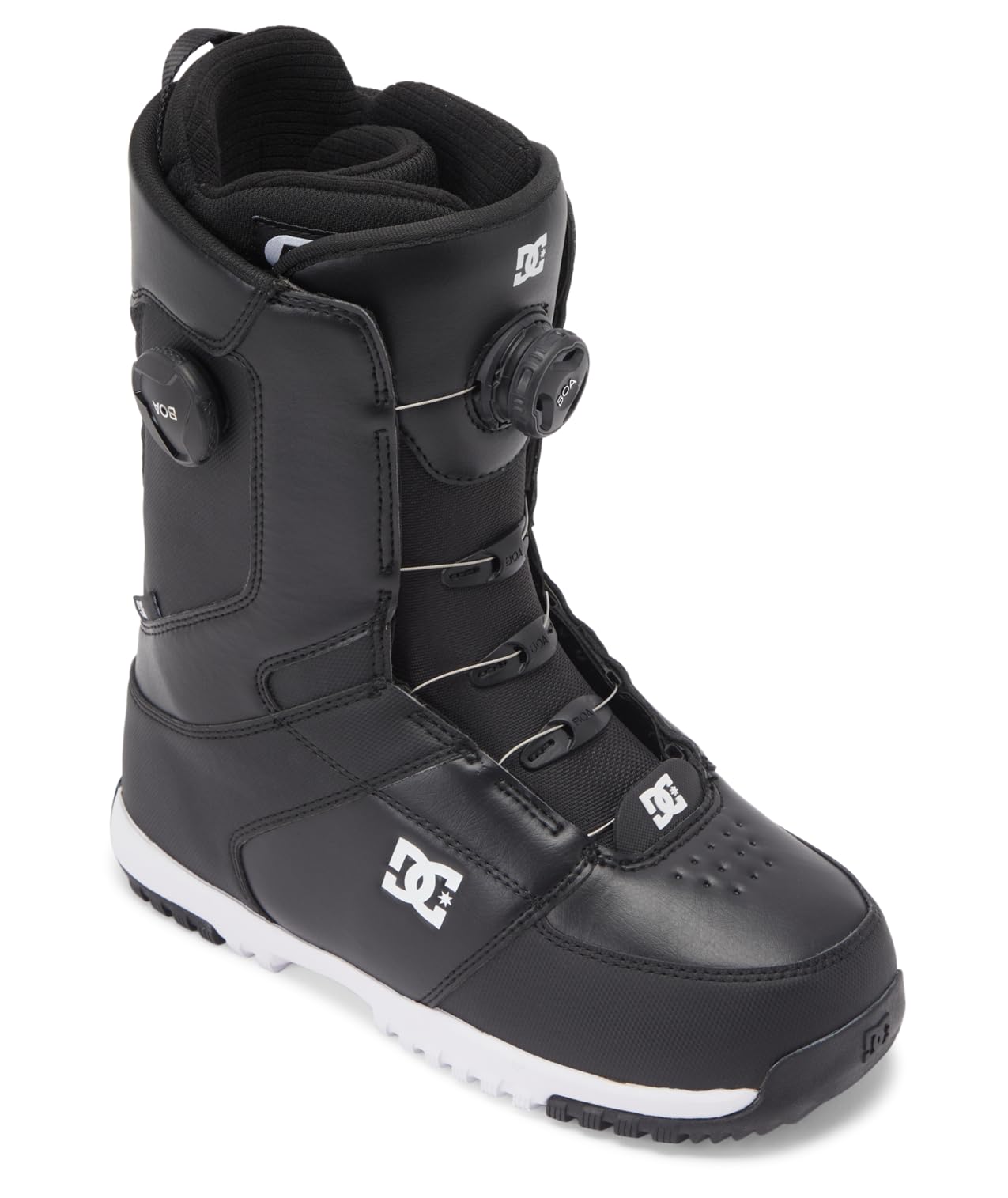
Who Should Buy All Mountain Freestyle Snowboard Boots?
These boots suit riders who refuse to pick just one style of riding. Your terrain, pace and goals decide how much support and forgiveness you need.
Riders Splitting Time Between Groomed Runs and the Park
You cruise the whole mountain, hit jumps and boxes, and ride switch on mellow slopes. A balanced medium flex gives you edge control at speed without punishing small mistakes on landings. If your days lean more toward fast carving than features, see our guide to the best all mountain snowboard boots for stiffer options built around response.
Progressing Riders Building Confidence on Varied Terrain
You link turns comfortably and now want to try small jumps, buttering and steeper runs. Forgiveness matters most for you, because a boot that absorbs chatter and allows ankle movement helps you correct balance mid turn. Choose comfort and a secure heel first, and let flex sit at the softer end of medium so long days stay enjoyable while your technique grows.
Experienced Riders Who Prefer a Playful Feel
You can ride most terrain but dislike a rigid boot that locks your ankles and tires your legs. A freestyle leaning design lets you tweak grabs, press on boxes and feel the board underfoot. If tricks are your main focus rather than a side interest, see our guide to the best freestyle snowboard boots for softer designs shaped around park riding.
Key Features to Compare
Compare these factors in order, because fit and flex decide comfort long before color or brand do. One natural place to start is how the best all mountain freestyle snowboard boots category balances support with freedom of movement.
Flex Rating and Forgiveness
Flex describes how much the boot resists forward and sideways movement, usually on a scale of 1 to 10. For this style of riding, about 4 to 6 out of 10 suits most people, soft enough for presses and tweaks yet firm enough to hold an edge on firm snow. Ratings vary between brands, so treat the number as a guide within one brand rather than a universal standard.
Fit, Sizing and Heel Hold
Use the brand size chart and your mondo size, which is your foot length in centimeters, rather than guessing from shoe size. Your toes should brush the front when standing straight and pull back slightly when you bend your knees. Heel lift inside the boot wastes energy and causes blisters, so look for a shaped heel pocket and an internal harness. Riders comparing dedicated fits can also see our guide to the best women's all mountain snowboard boots or the best men's all mountain snowboard boots.
Lacing Systems and Adjustability
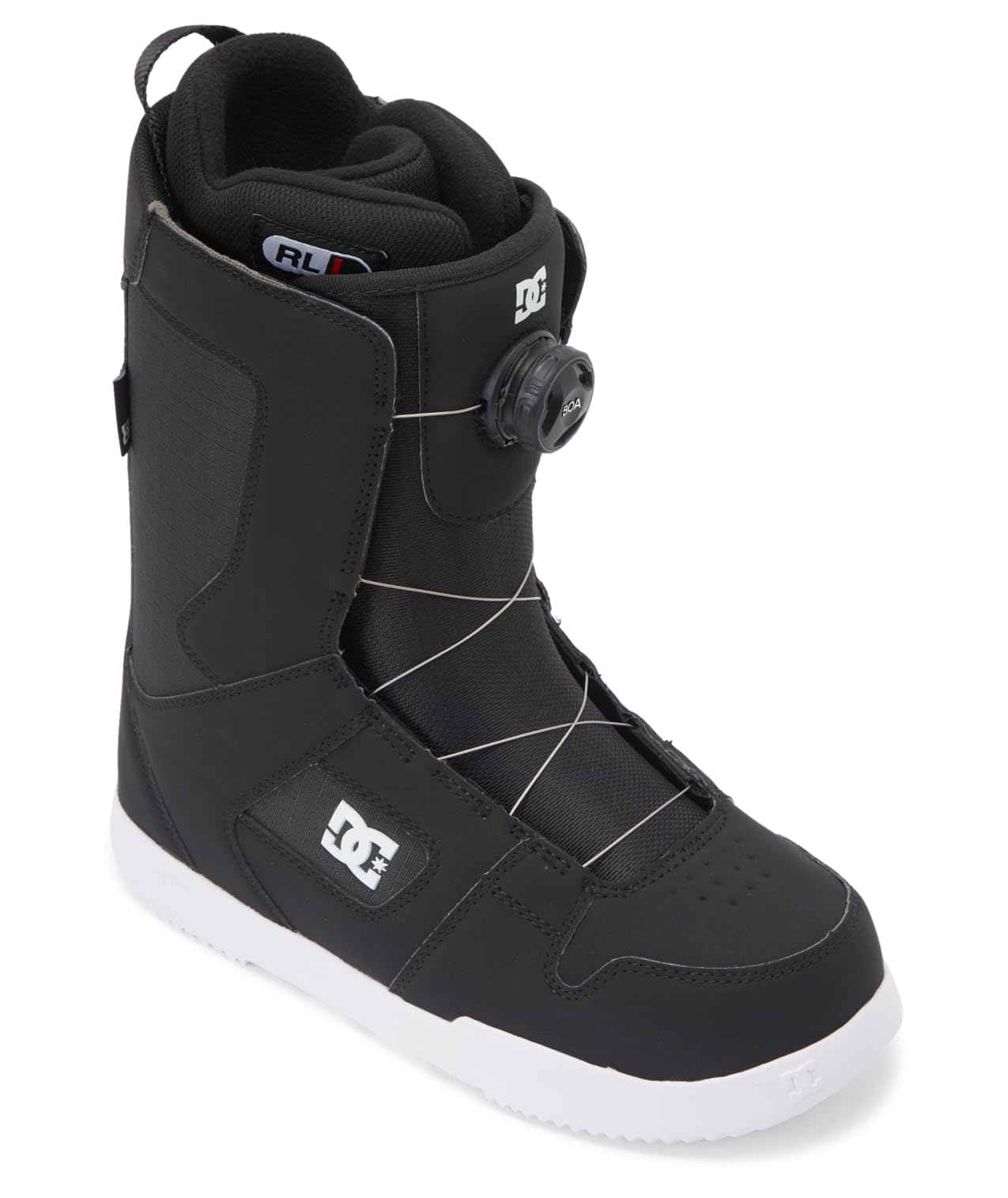
Traditional laces cost least and let you tune tightness along the whole foot, but they take longer and can loosen during the day. Speed lacing uses pull handles in one or two zones and suits riders who adjust often at the lift. Dial systems such as BOA use one or two dials for fast, even closure, and dual dial versions let you set the lower and upper sections apart.
Liner Construction and Warmth
The liner is the padded inner boot that shapes comfort, warmth and heel hold. Basic liners feel plush at first but pack out sooner, while heat moldable liners soften with warmth and shape themselves around your foot during an in store fitting or over early rides. A liner with a reinforced heel area resists lift better. Thick liners add warmth for cold resorts, yet they can feel bulky in spring, so match insulation to the temperatures you ride most.
Outsole Grip and Impact Damping
The outsole is the sole that meets snow, ice and lodge floors, and its tread pattern decides how secure your walk to the lift feels. Rubber sections give better grip than foam alone, while a mostly foam sole feels lighter and cushions landings. Look for damping material under the heel, because repeated jump landings send force through your feet and knees.
Shell Materials and Durability
Shells combine synthetic fabrics, molded panels and composite reinforcement around the toe and heel, where boots rub against bindings and board edges. Stitching and panels in low wear zones keep cost down, while reinforced zones extend life for riders who hike features often. A durable boot also keeps its flex longer, so the feel you buy is closer to the feel you keep all season.
Types of All Mountain Freestyle Snowboard Boots Compared
Within this category, boots divide mainly by flex and intended pace. Matching the type to your current riding prevents both sore feet and sloppy control.
Softer Beginner Friendly Options
These boots sit around 3 to 5 out of 10 in flex, with plush liners and simple closure. They forgive uneven weight shifts and make low speed turns easier to learn. The trade off is less support at speed and on steep, icy slopes, so fast progressing riders may outgrow them within a couple of seasons.
Balanced Medium Flex Options
This is the core of the category, at about 5 to 6 out of 10. The support handles groomed runs, powder days and park sessions in one boot, and landings feel stable without harsh shin pressure. If you own one pair and ride everything, this type usually fits best.
Firmer Responsive Options for Confident Riders
At about 6 to 7 out of 10, these boots transfer energy to the edge quickly and feel precise in chopped snow. They reward clean technique and punish lazy landings more than softer types. Choose them if you ride fast most days and treat the park as a short stop rather than your main destination.
Common Mistakes to Avoid
Small buying errors show up quickly once you spend a full day in the boots.
- Buying boots a full size too large leaves room for heel lift, blisters and slow edge response.
- Choosing the stiffest boot for park riding limits ankle movement and makes presses and landings feel harsh.
- Ignoring foot width causes numb toes and hot spots that no amount of loosening fully fixes.
- Trying boots on with thin summer socks gives a fit reading that changes once you wear proper snowboard socks.
- Judging comfort in the first minute misses pressure points that appear after twenty minutes of standing and flexing.
Care and Maintenance for Snowboard Boots
Dry your boots after every riding day by pulling the liners out and opening the shells wide in a ventilated room away from direct heat. Radiators and heated dryers on high settings can warp liner foam and weaken adhesives, so use gentle air movement instead. Loose insoles dry faster when removed and stood upright beside the liners overnight.
Between trips, store boots loosely buckled or laced so the shell keeps its shape, and keep them out of direct sun and extreme heat. Check the outsole tread, lace condition and dial cables before each trip, and clean mud and road salt off with a damp cloth.
FAQ
What flex rating suits all mountain freestyle snowboard boots for most riders?
Most riders do best at about 5 out of 10. That middle rating holds an edge on groomed runs while still letting you flex into presses. One extra point worth knowing is that body weight shifts the feel, so a heavier rider can make a medium boot feel soft, while a lighter rider may find the same boot firm.
How should all mountain freestyle snowboard boots fit when new?
They should feel snug everywhere with no sharp pressure points. New liners pack out by roughly a quarter to a half size during the first week of riding, so a fit that feels merely comfortable in the shop often becomes loose later. Wear your usual snowboard socks for fitting, stand, flex forward and walk around for at least fifteen minutes before deciding.
Which lacing system suits all mountain freestyle snowboard boots best?
The best choice depends on your feet rather than the technology. Riders with a high instep often prefer dual zone systems, because they can keep the lower section firm while easing the top. Carry a simple habit too, and retighten once after your first run, since liners settle and every closure style loosens slightly early in the day.
How long do all mountain freestyle snowboard boots usually last?
Most pairs last about 60 to 100 days of riding before the flex softens noticeably. You can spot the end of useful life when the shell creases deeply at the ankle and folds further than it once did with the same effort. Riders who go out ten days a year may replace boots for liner wear and odor long before the shell gives up.
Is a premium pair of all mountain freestyle snowboard boots worth it for a beginner?
Not usually, because beginners gain more from a correct fit than from costly features. Mid priced boots around $200 to $300 often include heat moldable liners and dual zone closure already. Spend the savings on a proper fitting and quality socks, and upgrade later once you know whether you prefer softer or firmer flex from real experience.
Final Thoughts
Put fit first, flex second and closure third, and most other choices become simple. Match width and heel hold to your feet, pick medium flex for mixed riding, and choose the lacing you will actually adjust during the day. Then compare your shortlist against the product table above for price and features.
Chosen that way, the best all mountain freestyle snowboard boots for you will feel secure on a groomed run and playful on a park lap in the same afternoon. Buy for the riding you do most weeks, not for a single ambitious trip.


