
Best All Purpose Binoculars for 2026: Everything to Know Before Your First Purchase
Disclosure: We may earn a commission when you buy through links on this page, at no extra cost to you. As an Amazon Associate I earn from qualifying purchases. Learn more

Shopping for the best all purpose binoculars for the first time? Learn the terms, compare options, and avoid rookie mistakes with this easy guide.
A first pair of binoculars should handle a bit of everything: birds at the feeder, a ball game from the upper deck, boats past a pier, and bright stars on a clear night. That is exactly the job of the best all purpose binoculars, and this guide explains how to choose a pair without an engineering degree. You will learn the few specs that matter, the mistakes new buyers make, and how to set up and care for your pair.
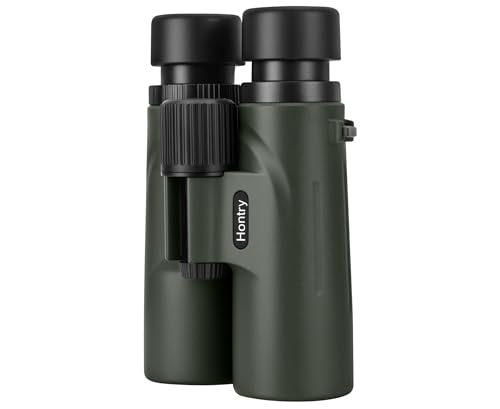
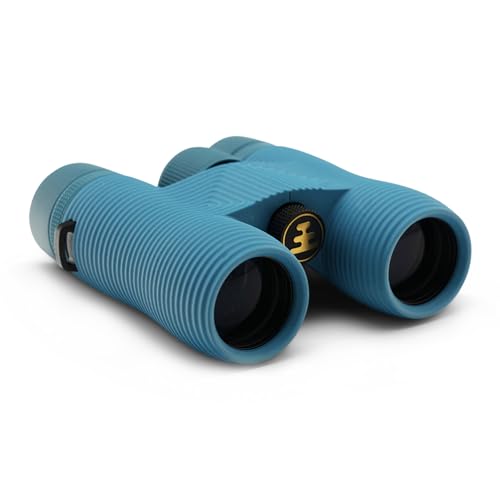
We will go step by step, from the two numbers printed on almost every model to the comfort details that decide whether binoculars get used or sit in a drawer. As you read, compare the specs that matter most in the comparison table below, then come back here for the plain English meaning behind each one.
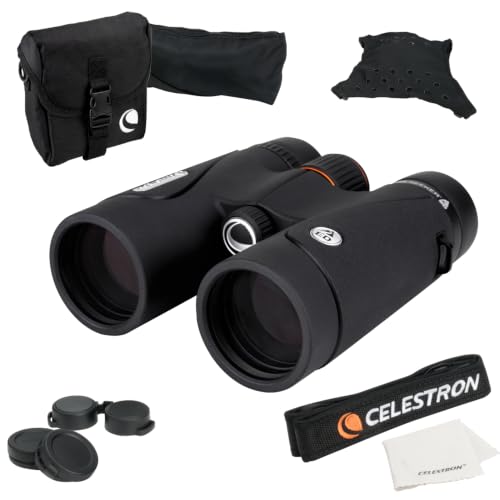
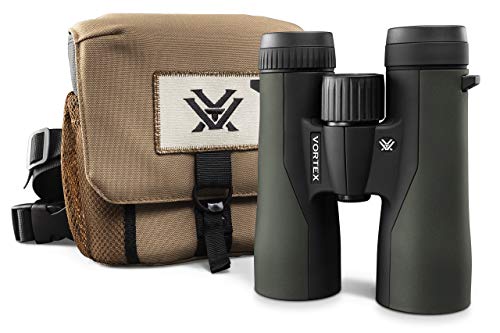


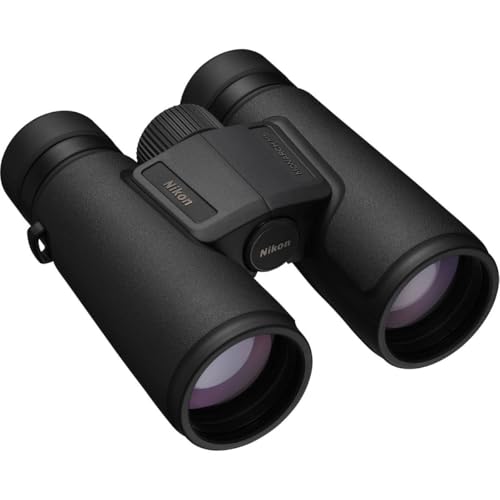

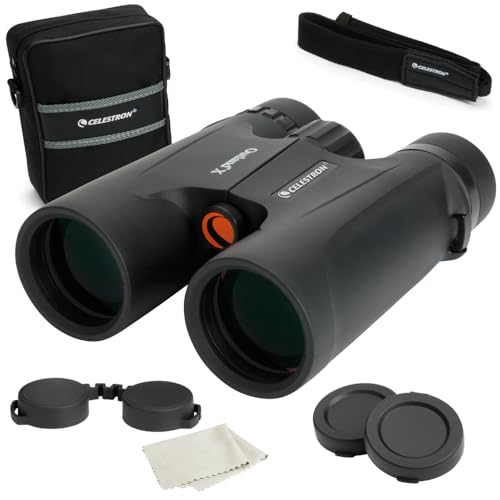
All Purpose Binoculars 101: The Basics Every New Buyer Needs
Binoculars are simply two small telescopes joined side by side, one for each eye. Light enters through the large front lenses, called objective lenses, then prisms inside the body fold the light path and flip the image so it appears upright. The smaller lenses you hold to your eyes, the eyepieces, magnify that image. A wheel between the barrels, the center focus wheel, sharpens both sides at once, while a small diopter dial near one eyepiece fine tunes focus for that eye alone.
An all purpose pair is built as a middle path rather than a specialist tool. Magnification stays moderate, the body stays easy to carry all afternoon, and the view stays bright enough for shade and dusk. That balance is the whole point of the best all purpose binoculars: one pair that does many jobs well instead of one job perfectly. For a second look at this category, see our guide to the best general purpose binoculars.
Who Should Buy an All Purpose Pair, and Who Should Not
Most first time buyers are best served by a general pair, because their use is mixed and still changing. You may start with backyard birds and end up taking the same binoculars to games, hikes, and boat trips. The groups below show where a general pair shines, and where a dedicated model earns its cost.
Casual Wildlife Watchers and Backyard Birders
If your viewing is feeders, garden birds, squirrels, and the occasional deer at the field edge, an 8x42 all purpose pair covers you comfortably. The wide view makes it easy to find a moving bird, and the moderate power stays steady in your hands. Once birding becomes your main hobby, see our guide to the best binoculars for birdwatching.
Sports Fans, Concert Goers, and Sightseers
From stadium seats and theater balconies, you need enough reach to read a jersey number or follow a performer, but not so much power that the view jumps with every heartbeat. An 8x or 10x general pair with a generous field of view keeps the whole play in frame. Theater fans who sit close may prefer a smaller 8x32, since the stage fills the view anyway.
Travelers and Hikers Who Pack Light
When every ounce rides on your back, a midsize 8x32 or a set of compact binoculars earns its space far better than a heavy full size pair. You give up some brightness at dusk, because smaller front lenses gather less light, but you gain a pair you will actually carry. For city sightseeing that trade is worth it; for dawn wildlife watching, it is not.
A few buyers are better served by a specialist pair from the start. Hunters who scan open country at first light need maximum brightness and rugged sealing, and our guide to the best rated binoculars for hunting focuses on exactly that job. Dedicated birders may also skip the general category and go straight to the models in our guide to the best binoculars birding community favorites.
Key Specs Explained in Plain English
Binocular listings throw a lot of numbers at you, but five or six specs decide nearly everything you will see. Star ratings can help you spot patterns in owner feedback, and our roundup of the best rated binoculars shows how buyers score the pairs they live with. Learn the specs below first, and ratings will make more sense.
Magnification and Objective Lens Size: The Two Numbers
Every pair is labeled with two numbers, such as 8x42. The first is magnification, so 8x makes a subject look eight times closer. The second is the diameter of the front objective lens in millimeters. More magnification sounds better, but it also magnifies your hand shake and narrows the view, making moving subjects harder to follow. For a first all purpose pair, 8x42 is the classic sweet spot, with 10x42 the choice for distant subjects in open country.
Field of View and Eye Relief
Field of view tells you how wide a scene you can see at once, usually stated as the width visible at 1000 yards. A wider field, around 350 feet or more for an 8x pair, makes it far easier to land on a bird or follow a runner. Eye relief is the distance your eye can sit behind the eyepiece while still seeing the full picture. If you wear glasses, look for about 16 mm or more, plus twist down eyecups that stay put.
Exit Pupil and Low Light Performance
Divide the objective size by the magnification and you get the exit pupil, the width of the light beam that reaches your eye. An 8x42 pair gives about 5.25 mm, while a 10x42 gives about 4.2 mm. Your own pupil widens in dim light, so a larger exit pupil keeps the view bright at dawn, dusk, and under tree shade. This is why compact pairs look fine at noon but disappoint at sunset. If you watch wildlife early or late, favor exit pupil over extra magnification.
Prisms, Glass, and Lens Coatings
Inside the body, prisms fold the light and set the shape of the binoculars. Roof prism models are straight and slim, while porro prism models have the classic offset shape and often cost less for the same clarity. BaK 4 prism glass generally gives a rounder, brighter image than the cheaper BK 7. Lens coatings cut glare and boost contrast, and fully multicoated optics are the level worth paying for on a first serious pair. Some models add ED glass, which reduces color fringing around edges like branches against a bright sky.
Close Focus and the Focus Wheel
Close focus is the shortest distance at which the binoculars can still sharpen the image. About 6 to 8 feet lets you study butterflies, dragonflies, and feeder birds right outside the window, which many new owners enjoy as much as distant viewing. The focus wheel deserves a test too: it should turn smoothly with one finger, without gritty spots or slack. A loose wheel drifts off focus, and a stiff one makes tracking a moving subject a chore.
Size, Weight, and Weatherproofing
Full size 42 mm pairs usually weigh about 20 to 28 ounces, midsize 32 mm pairs less, and compact binoculars far less again. Weight you barely notice in a store becomes real after an hour around your neck, so think about carrying time, not just viewing time. For outdoor use, look for waterproof sealing rather than a vague weatherproof claim, since sealed models survive rain and splashes. Fogproof models are filled with nitrogen so the inner lenses do not mist up in cold air.
Rookie Mistakes to Avoid
Most beginner regrets come from the same handful of choices, and each one is easy to dodge once you know it exists.
- Choosing the highest magnification on the shelf, which gives you a shaky, narrow view that makes subjects harder to follow.
- Buying zoom binoculars with huge printed power claims, which leaves you with a dim image because the lens stays small while the optical zoom climbs.
- Making tiny pocket binoculars your only pair, which leaves you with a view that fades fast at dusk.
- Ignoring eye relief when you wear glasses, which cuts the picture into a narrow tunnel with black edges.
- Skipping the diopter adjustment, which leaves one eye slightly soft and slowly causes eye strain and headaches.
Getting Started: Setup and First Use
A new pair needs about five minutes of setup before the first outing, and these steps matter more than most spec upgrades.
- Bend the center hinge until the two circles merge into one clean circle with no dark edges; this sets the spacing for your eyes.
- Close your right eye, look at a fixed sign or branch with your left eye, and turn the center focus wheel until it is sharp.
- Now close the left eye, look with the right eye only, and turn the diopter dial until the same target is sharp; leave the dial there from now on.
- Attach the neck strap and fit the lens caps before you go out, so drops and dust never get a free shot at the glass.
- Practice on still targets first, and tuck your elbows against your body for a steadier hold.
From then on, focusing is simple: find the subject with your eyes first, lift the binoculars without looking away, and roll the wheel until the image snaps sharp. Keep a soft lens cloth in your pocket from day one.
How to Make Your Binoculars Last Longer
Care for a pair of binoculars is mostly about protecting the glass and the alignment inside. Dust and grit scratch lens coatings, so blow loose dirt off first or brush it away, then wipe gently with a clean lens cloth in small circles. Never use your shirt or a paper towel, since trapped grit drags across the surface.
Store the binoculars in their case, in a dry spot at room temperature, with the caps on. Avoid leaving them in a hot car or damp basement, since heat stresses seals and moisture invites fogging and fungus inside. Check the strap every few months, because a worn strap is the most common cause of a fatal drop. If the two sides ever show a doubled image after a knock, the alignment needs professional repair.
Frequently Asked Questions
What does 8x42 or 10x42 mean on a pair of binoculars?
The first number is magnification and the second is the front lens width in millimeters, so 10x42 magnifies ten times with 42 mm lenses. The second number also hints at the size class, since 42 mm models are full size, 32 mm models are midsize, and 25 mm models are compact. If a listing shows only one number, it is almost always the magnification, so check the full spec list before buying.
Are 8x42 or 10x50 binoculars better for low light viewing?
The 10x50 is slightly better in dim light because its exit pupil is 5 mm, close to the 5.25 mm of an 8x42, while adding reach. Age matters here too: pupils widen less as we get older, so a very large exit pupil benefits younger eyes more than older ones. Also weigh the extra bulk, since a heavy pair left at home gathers no light at all.
How much should a beginner spend on a first pair of binoculars?
Most beginners land happily at about $100 to $300, where glass quality, coatings, and build take a clear step up from the cheapest shelf models. Below that range, expect dimmer coatings and fussier focus wheels. Above it, gains turn gradual, mostly in edge sharpness and low light contrast. Buy once at the middle level, learn what you love viewing, and upgrade later only if a specialty starts calling.
Can a smartphone camera replace binoculars for casual viewing?
A smartphone cannot fully replace binoculars, because phone zoom is mostly digital cropping, which softens detail exactly when you zoom in on a distant bird or player. Binoculars give you a steady, bright, two eye view that is far less tiring over a full game or a long watch at a nest. Phones still win for photos, so many owners watch through the glass first, then record the moment if the subject stays put.
What binocular specs matter most for a beginner?
Start with the 8x42 or 10x42 format, a wide field of view, and eye relief that suits your glasses if you wear them. One factor beginners rarely consider is fit: the hinge must close narrowly enough for your eye spacing, which matters for smaller faces, and no spec sheet tells you how the grip feels. If you can, handle a pair in a store or order where returns are easy.
Final Thoughts
For a first purchase, keep it simple: a comfortable 8x42 or 10x42 pair, a wide field of view, enough eye relief for your glasses, and fully multicoated glass. Use the product table above to compare models on those points, and set up the diopter before your first outing. Chosen well, the best all purpose binoculars become the pair you grab for games, trips, and quiet mornings outside for many years.


